Indigenous & Vernacular
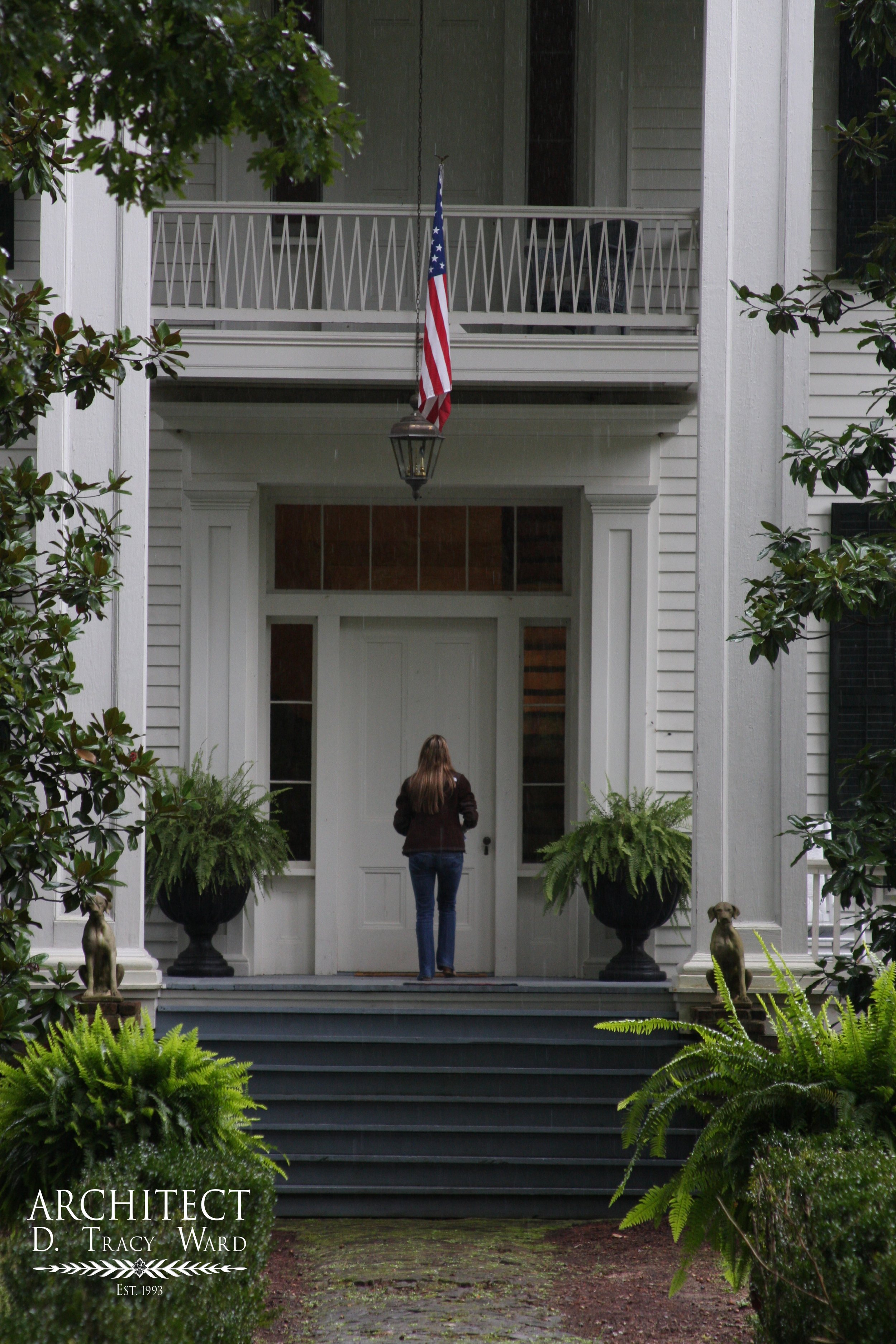
Courtesy D. Tracy Ward, 2009 Columbus, Mississippi (Natalee Ward) A Place we call RIVENDELL
Indigenous: produced, growing, living, or occurring naturally in a particular region or environment
Vernacular: of, relating to, or characteristic of a period, place, or group; of, relating to, or being the common building style of a period or place
Global warming, global disaster, global economy, and global this, that and the other…..Everything in our modern lives today seems to be related to the world at large. But that is arguably a recent phenomenon. Until the post-WW2 era, most folks never left their birth State. . . many never left their childhood County or even town!
One can see in every day’s newscast the happenings, not just locally, but from all corners of the world, and the effects on billions of people. Yet each of those billion persons feels compelled to find some way to justify their existence, and to establish a significance and sense-of-self. In that attempt to achieve (or at least recognize) our God-given individuality, we try to highlight that difference and uniqueness from those around us. To distinguish ourselves, we consider (and sometimes over express) our hair style and color, clothing fashion, automotive power, home decor, and physical tone, etc.
Consider the famous quote below from Britain’s Sir Winston Churchill:
“We shape our Buildings; thereafter they shape us.”
What about the built environment in which we live? Is the definition of our individuality somehow connected to the uniqueness of our community? Does the “place” where I live add personality to the characterization of who I am? Reflect on architectural images that you consciously recognize and mentally attach to a particular region of the world. Does a historic European city look, feel and function any differently from a modern American city? You bet it does! What are the conditions that caused the unique finished products? If you can articulate the unique elements of your local built environment, then you have defined what is “vernacular” and what is “indigenous” to your community. It’s what makes Columbus, Mississippi (photo above) noticeably different from Kalamazoo, Michigan.
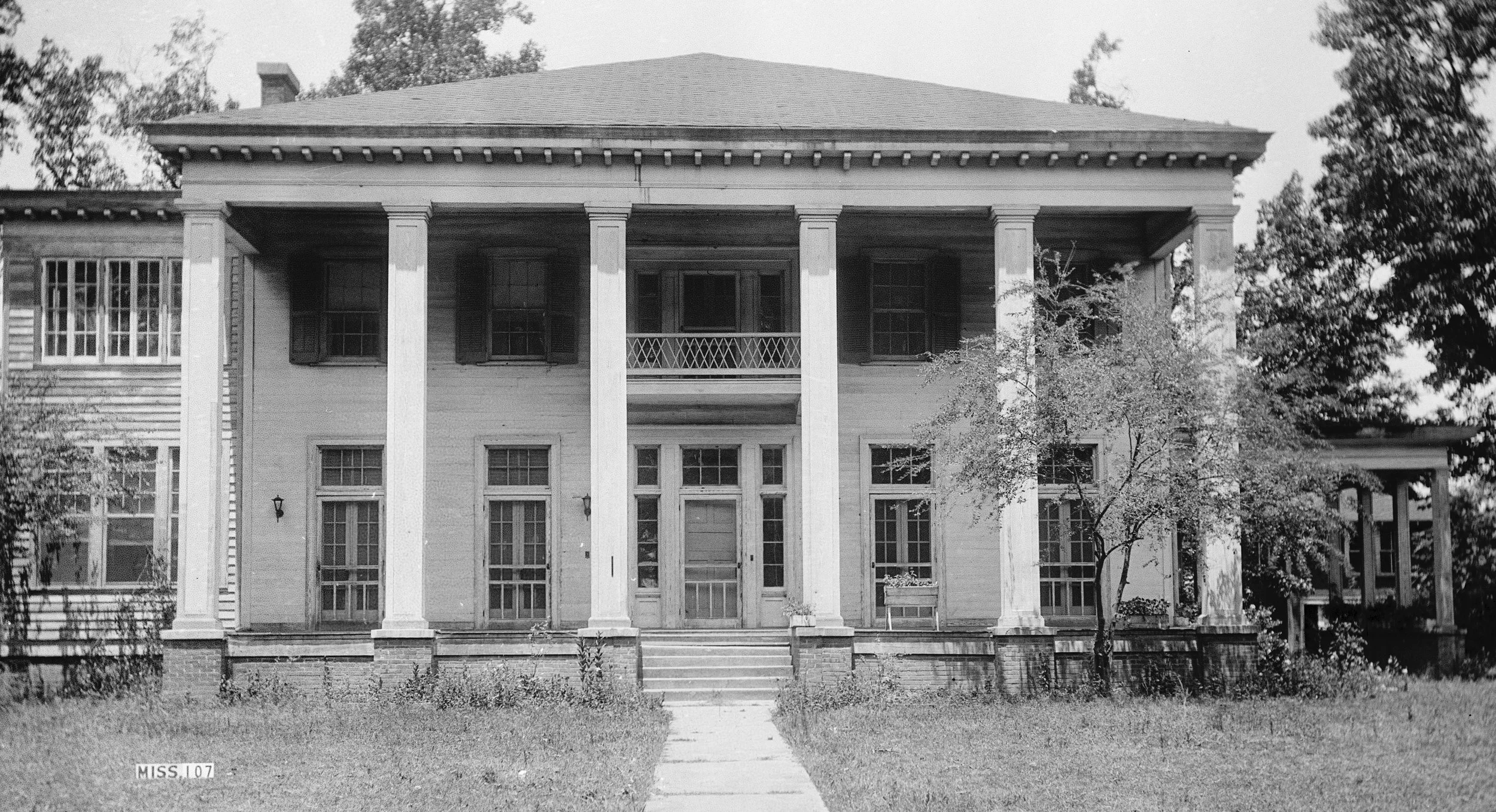
Image Courtesy HABS Library of Congress – 1936 Lexington, Mississippi
Is it important that different communities look, feel and function differently from each other in the United States? Historically, the local climate and available materials and/or craftsmen strongly influenced the prominent architectural styles and details. For example, historic buildings in the South incorporate large overhangs to block the hot sun, and high ceilings allow the heat to passively rise out of reach. But buildings in the North would be more concerned about winter cold and snow, and therefore incorporate increased roof pitch to shed snow or use stone walls and floors to absorb and hold the heat of the winter sun.
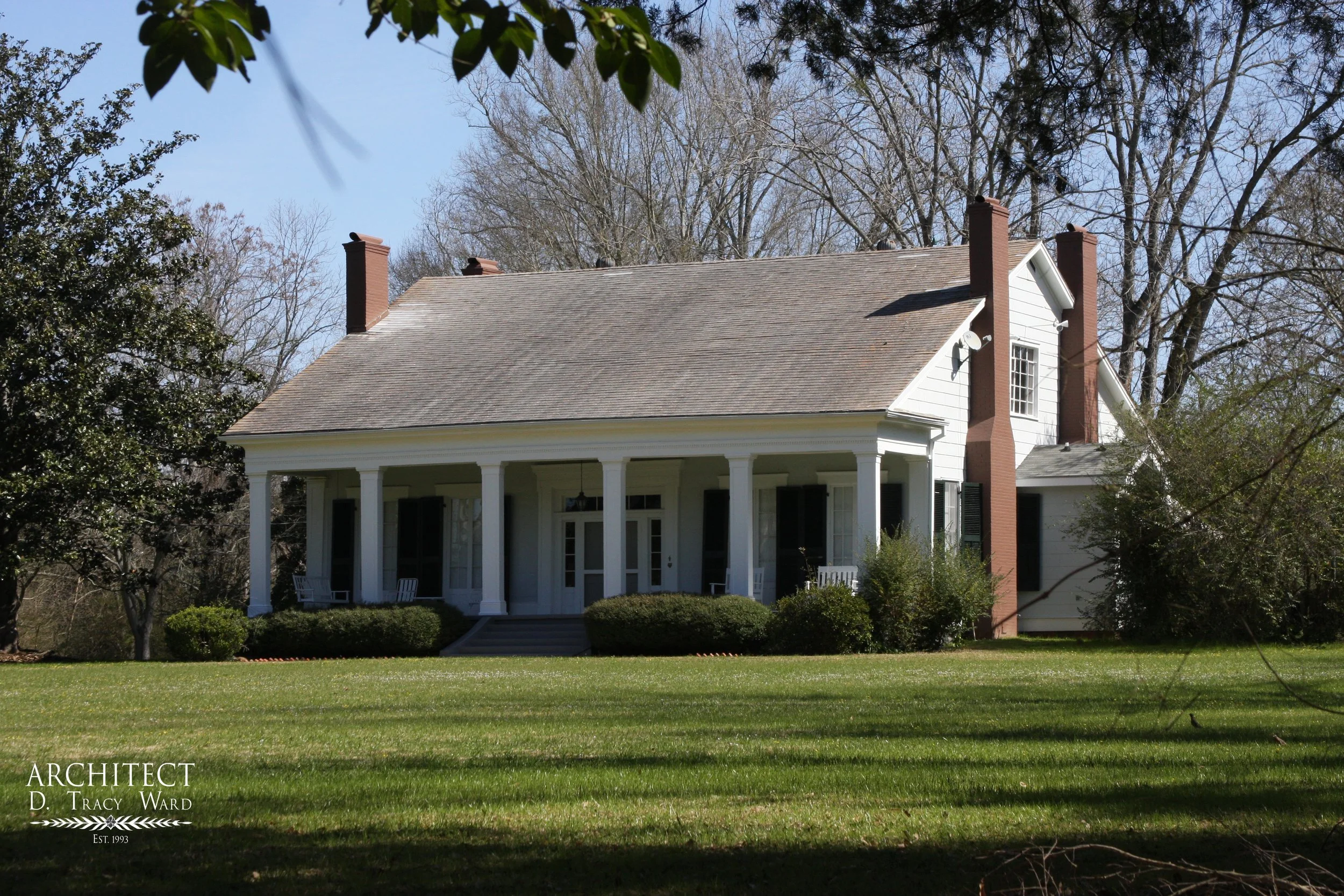
Image Courtesy D. Tracy Ward, Architect – 2012 near Raymond, Mississippi
“In vernacular architecture there is a strong community content that is manifest in distinctive qualities and results in recognized patterns of everyday building.” (Carter & Cromley p.08)
Absolute and real value exists for a community that proudly features its vernacular architecture. Ahhh – but along comes McDonalds, Burger King, Wal-Mart, CVS and the other mass-produced national retail blah buildings! In the name of modern marketing and branding, every fast food chain or retail store looks almost exactly the same – whether it’s located in New York or New Orleans…. London or Las Vegas. Today many of our communities are a hodgepodge of mind boggling architectural rubbish designed with only one thing in mind – to grab your attention as you drive by at 55 miles per hour.
I pray the next generation of young Americans can begin to better understand and appreciate our local & national histories. . . our Heritage! We urge citizens to help identify, respect and preserve the native, indigenous and vernacular character of your home community. As a result of healthy curiosity, ask why things happened that way in history – its usually not by accident. Looking forward – remember that opportunities also lie in new projects that can bring a focus to the unique charm of its “place” in the fabric of America. Often a community with a historic collection of buildings, parks, and monuments. . . results in literally more valuable real estate. Saving, and even proclaiming, what is Indigenous & Vernacular should make us each pause and consider the accomplishments and lessons of those that came before. A better knowledge of the past will no-doubt help us to be more successful in the future. Our unborn descendants will thank us for it! And if God blesses our efforts, the result can be Extraordinary & Exceptional as well!
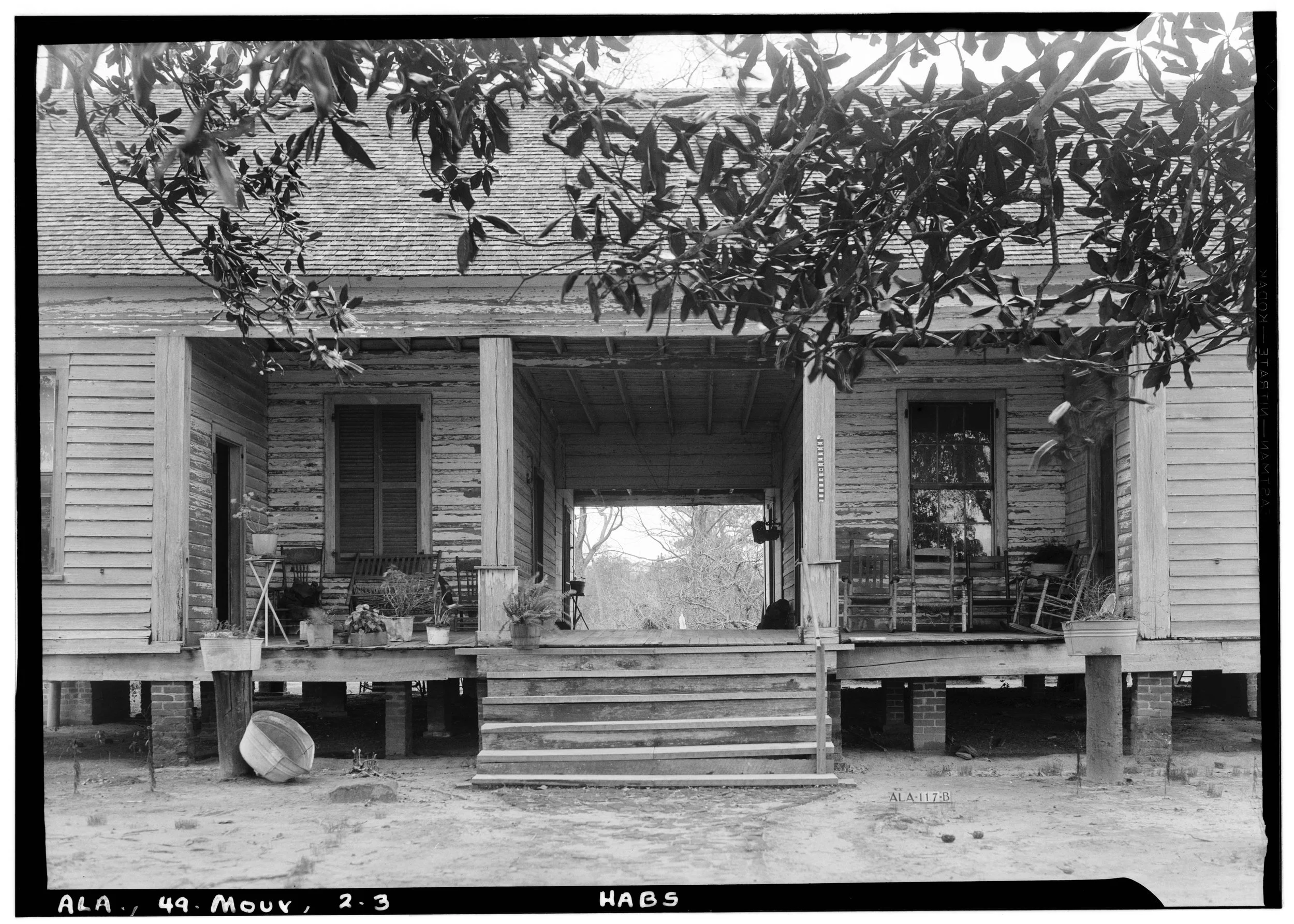
Image Courtesy HABS Library of Congress
References:
Vernacular Architecture, A Guide to the Study of Ordinary Buildings and Landscapes / Thomas Carter and Elizabeth Cromley, 2005 University of Tennessee Press
http://www.loc.gov/collections/historic-american-buildings-landscapes-and-engineering-records/
D. Tracy Ward, Architect
Originally prepared 2013 – Reedited & Uploaded January 2018 – DTW’s Blog #0008
Our Original Posts, including images when applicable, are copyrighted © 1993-2018 by D. Tracy Ward and Benchmark Design, PC. God bless America! Treasure Liberty always and pass it on! President Herbert Hoover, October 18, 1931: “This great complex, which we call American life, is builded and can alone survive upon the translation into individual action of that fundamental philosophy announced by the Savior nineteen centuries ago…” (read Mark 12:30-31)