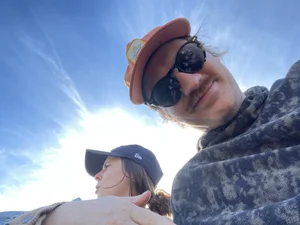
REVELATIONS FROM ESPAÑA
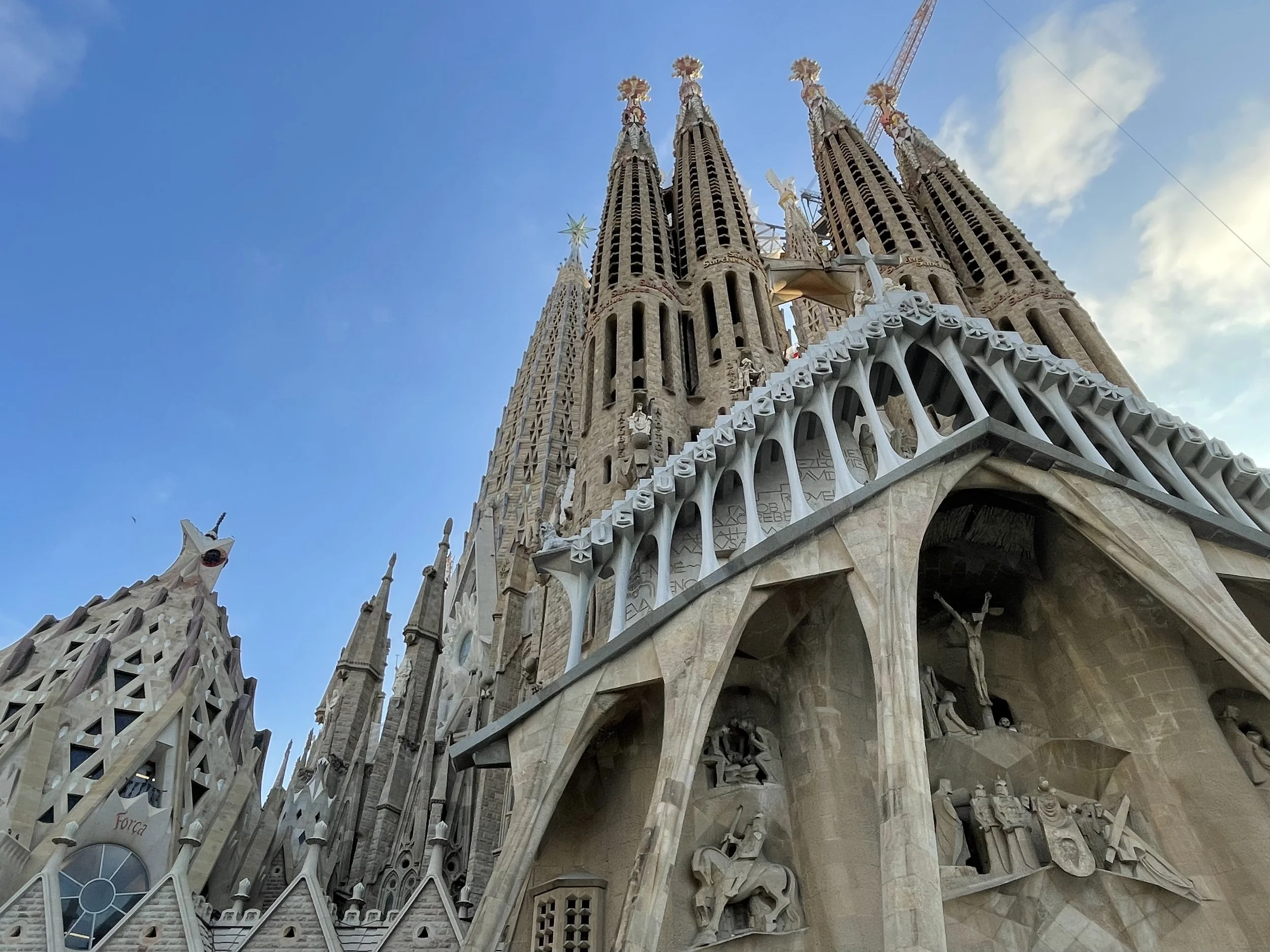
An Educational Adventure 40 Years Belated
2025 / September 12-27
My wife Kimberly and I stay on the move … we always have. Years ago, it was shuffling our four kids to and from school, sporting commitments, doctors’ appointments, etc. Now as “empty nesters” we travel a lot from Georgia across Alabama to our office/2nd home in Mississippi. But that’s only a 6.5-hour drive … which if you live in the Atlanta area … a few hours is what it takes every day just to go to a meeting.
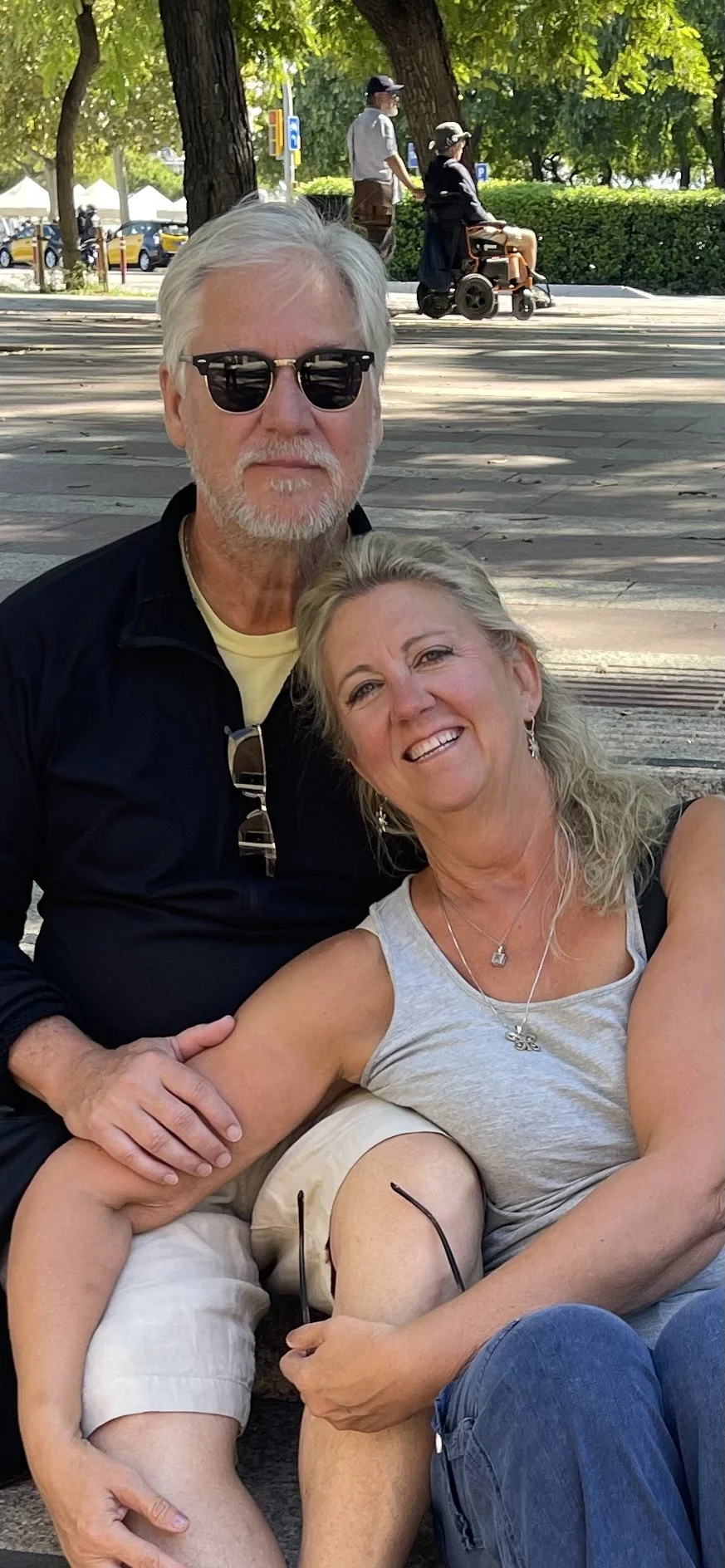
This year 2025 marks the 40th anniversary of our wedding way back in 1985 at the Methodist church on Main Street in Alpharetta, GA. We’ve got a great marriage ... we married as best friends, and that bond has only strengthened through a lot of ups and downs over 4 decades!
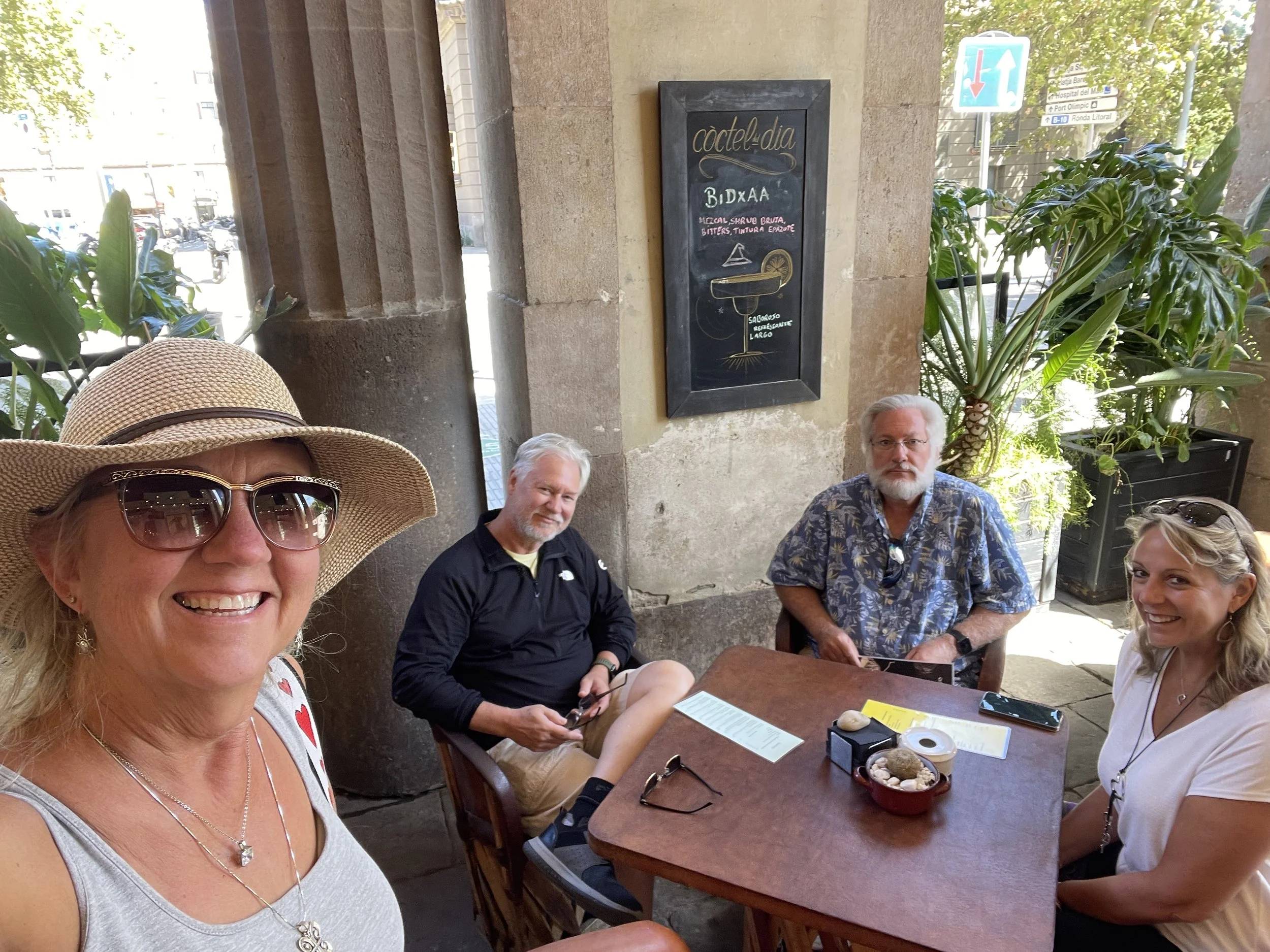
So, a celebration was certainly in order this year. We decided to “travel” … yet again. This time with Kim’s sister Lisa and her husband John - they got married in 1985 too! Note: the travel distance this time was considerably more than a 6-hour drive. We flew 4,500 miles to Barcelona, Spain. While Kimberly and I spent our 1985 summer traveling in Europe (with other MS State architecture students) and stayed that fall semester to attend school in London, we never have made it to Spain. This was that trip we dreamt of and promised each other we’d do … for 40 years.
This was no leisurely vacation in a luxurious resort on the Mediterranean. Oh no – this was a fast-paced, flash-n-dash, see-it-all kind of a trip over a 15-day period. Yep - 15 days and nights jumping from taxis and Ubers to planes, trains, and automobiles. We encountered and learned so much about the people, imagery, history and architecture of Spain – specifically Barcelona, Montserrat, Madrid, Granada, Seville, and Valencia.
The following is a compilation of my notes as a somewhat organized day-by-day travelogue. We’ve selected about 200 photos extracted from over 6,000 taken and illustrated herein per each day’s activities. We hope you get a glimpse of the wonder that we experienced and enjoyed … and you find inspiration to chase your dreams too!
“I am a sojourner on the earth; hide not your commandments from me!”
DAY 1
Friday September 12, 2025
Leave the house about 2pm
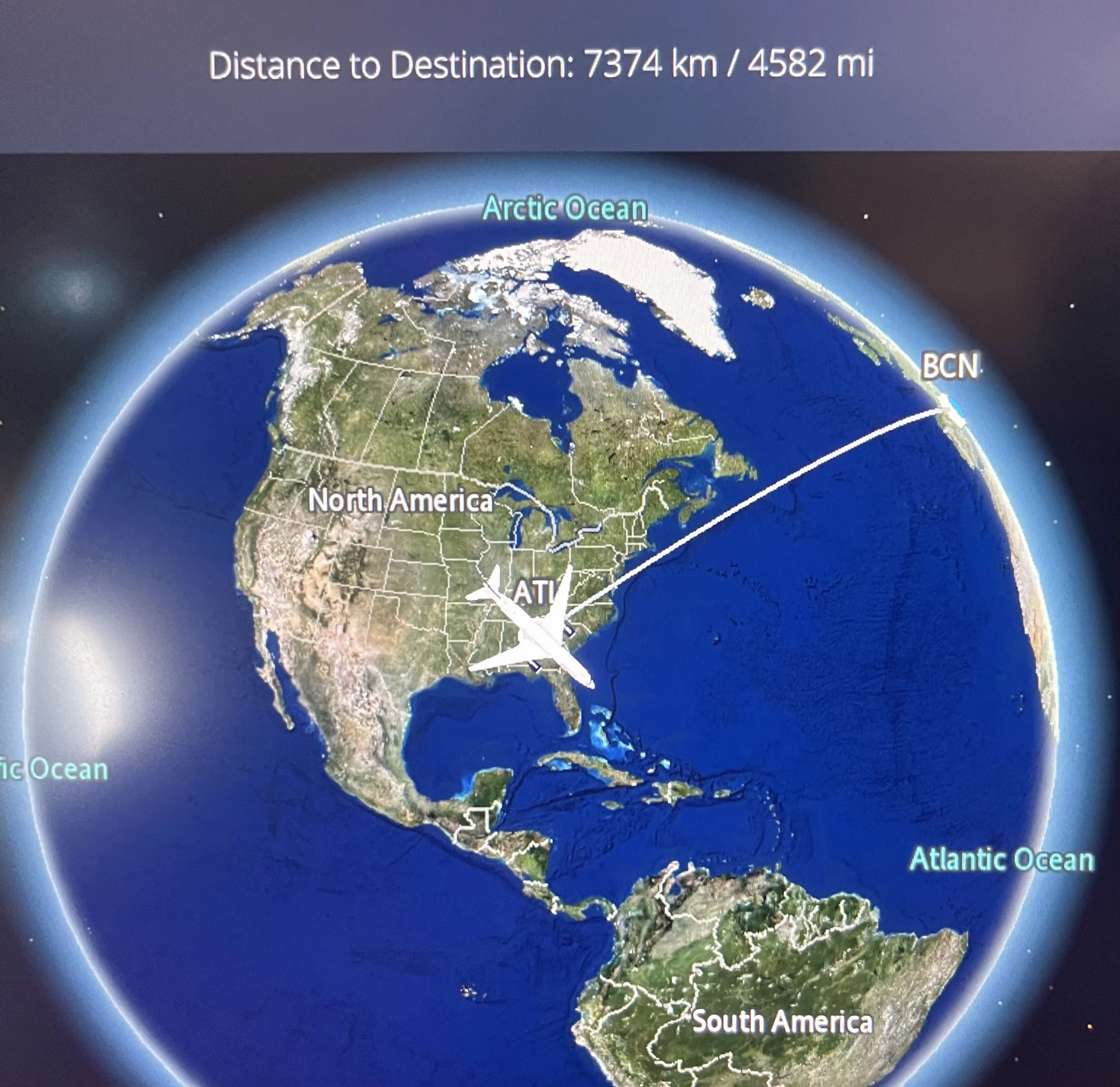
Flight Delta took off about 6:50pm. 4500 miles in the air!
DAY 2
Saturday September 13, 2025
Land in Barcelona about 9:30am
Taxi back to airport to get luggage
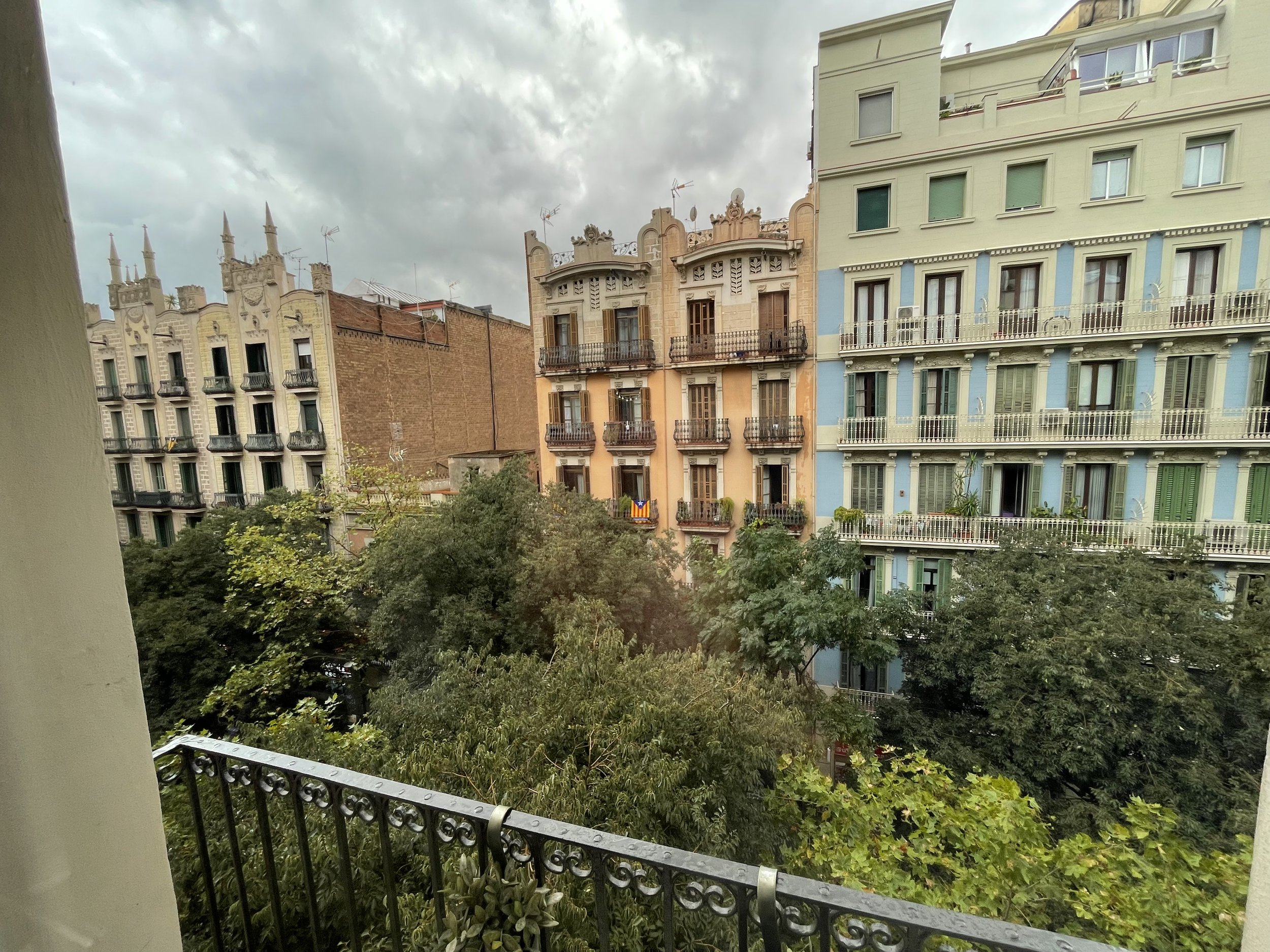
View from our room balcony was beautiful over the trees
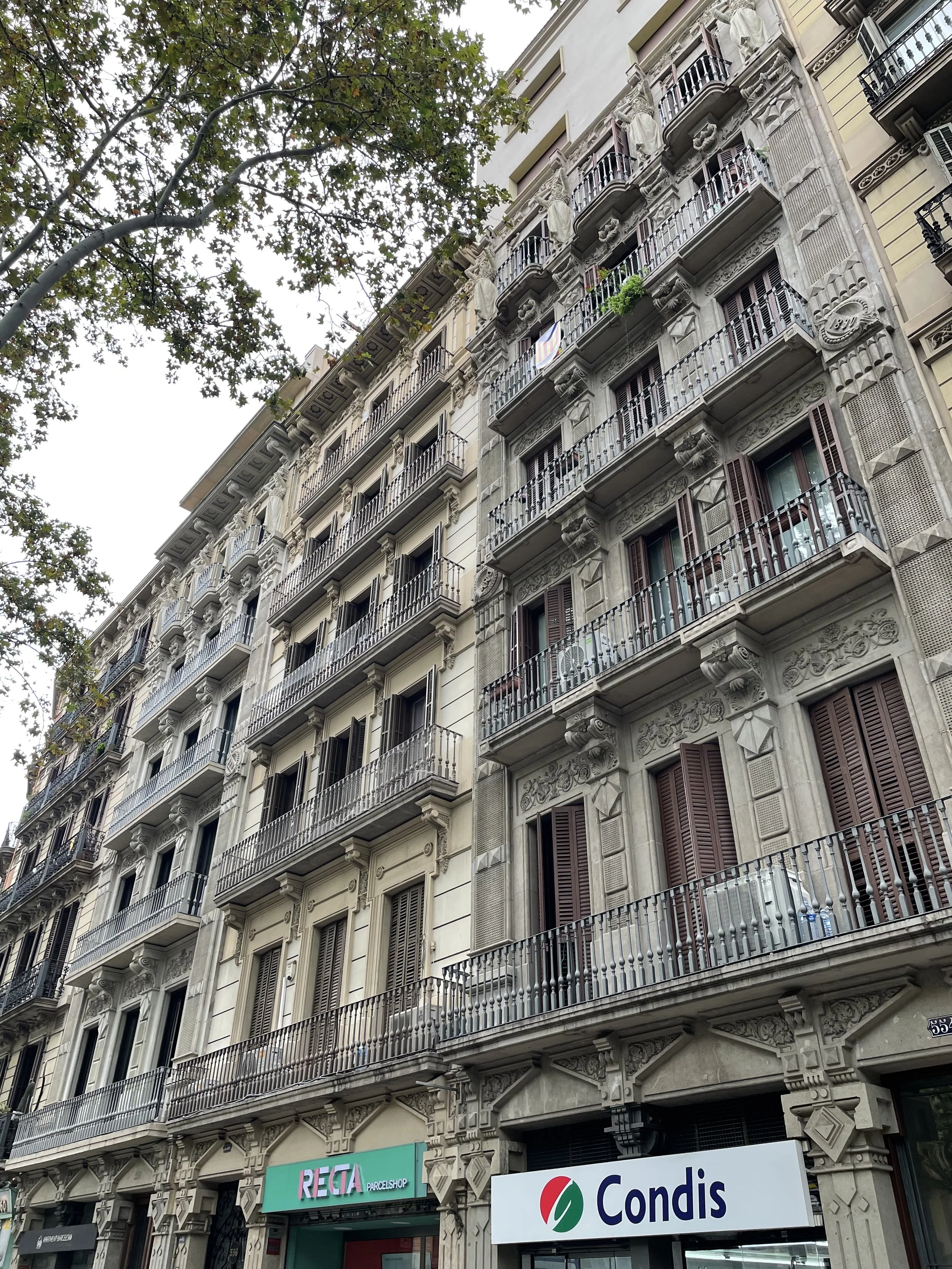
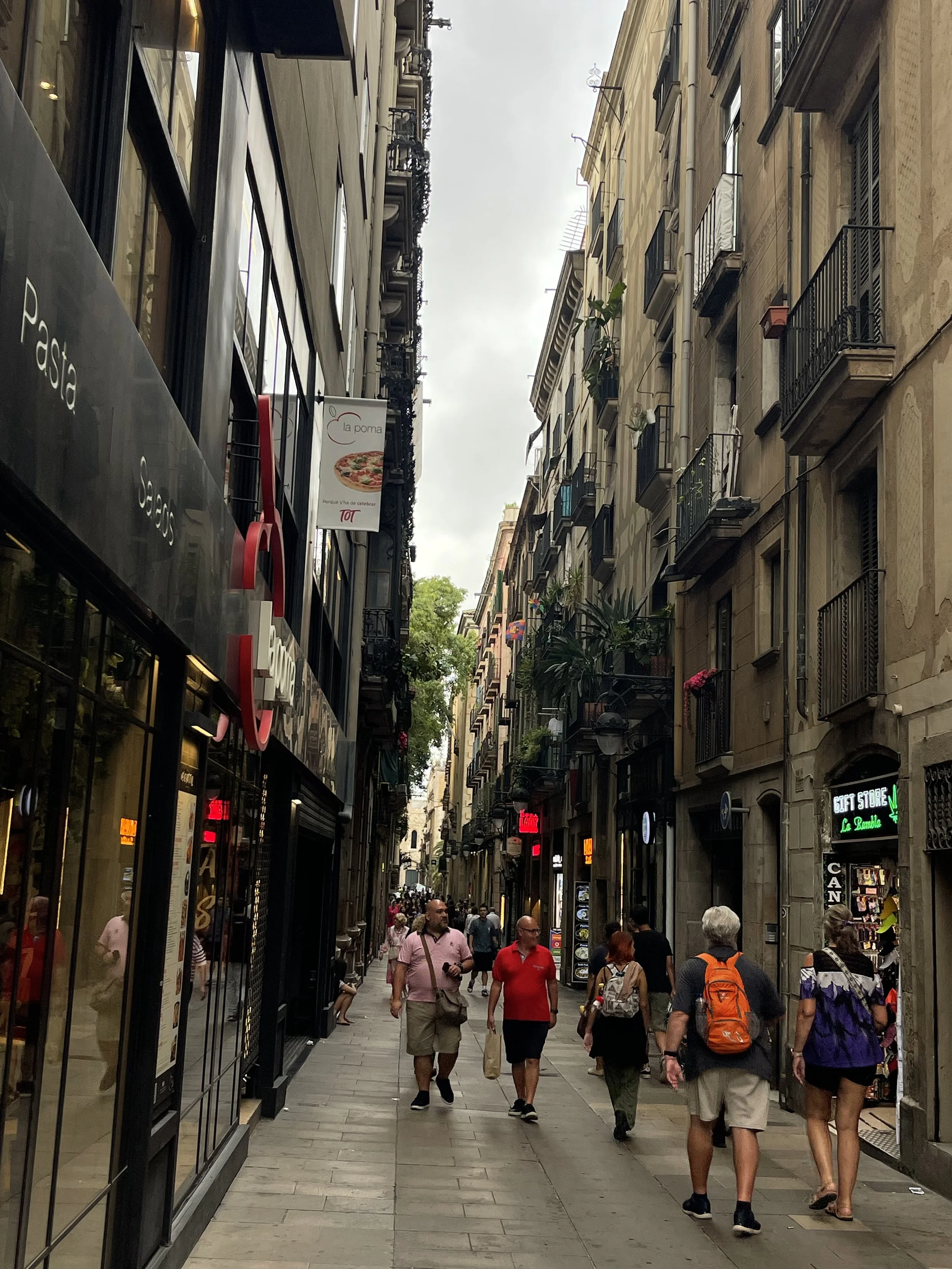
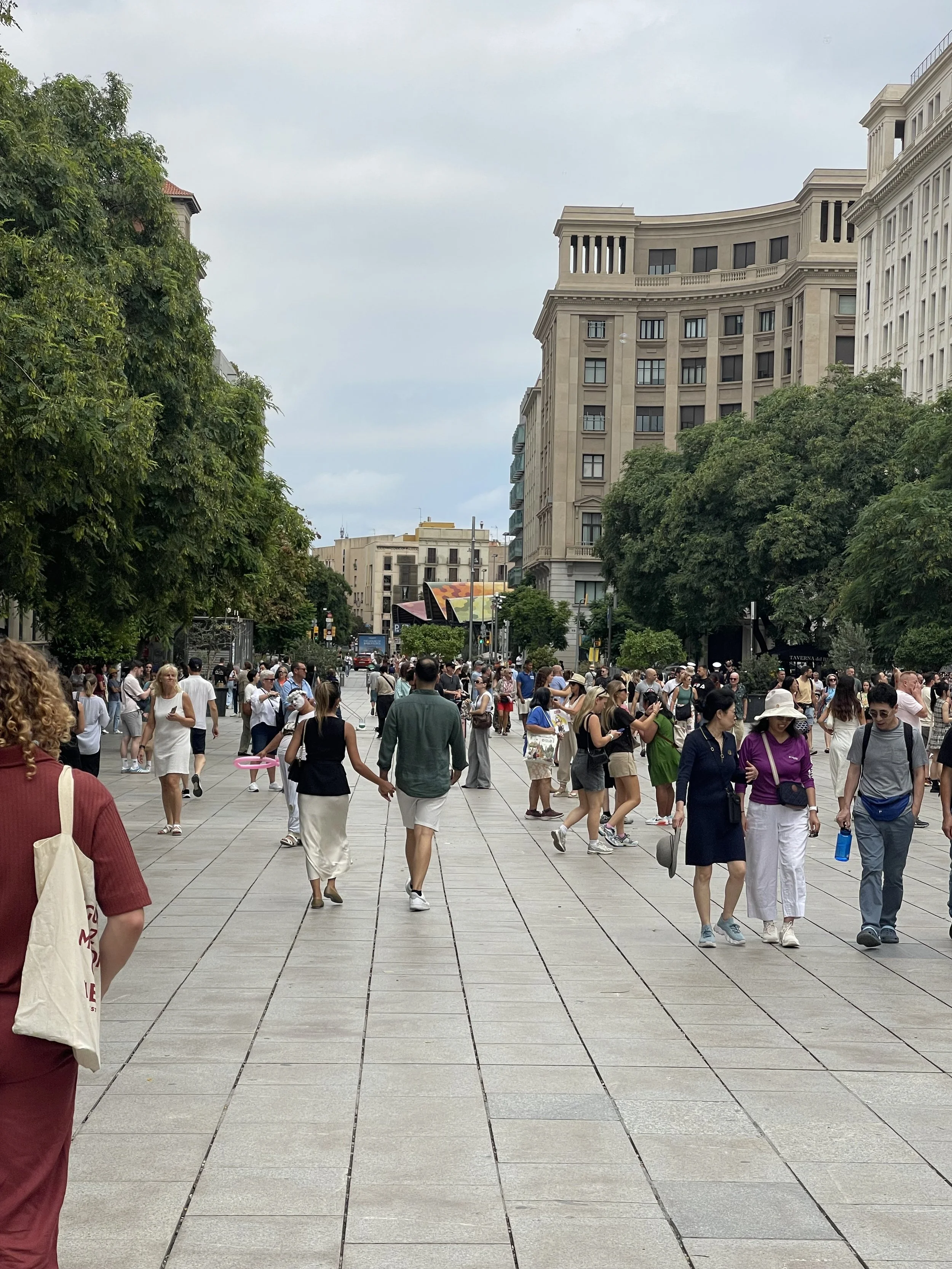
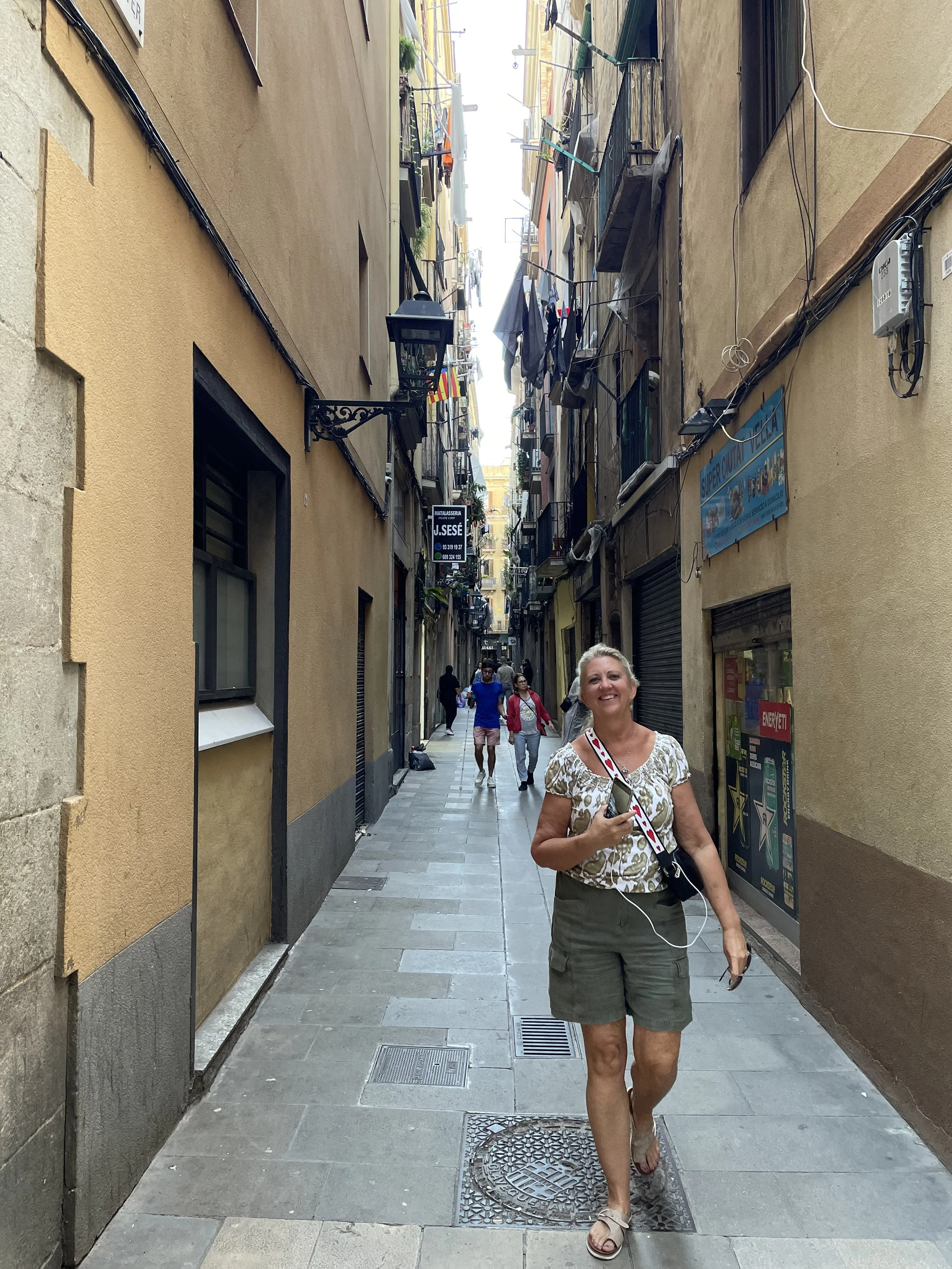
Bounced around a few bars and walked the city center. First impressions… the streets are very narrow, pedestrians only; and tall buildings (6 stories 12’ from each other) with LOTS of balconies everywhere!
To bed 10:30pm
DAY 3
Sunday September 14, 2025
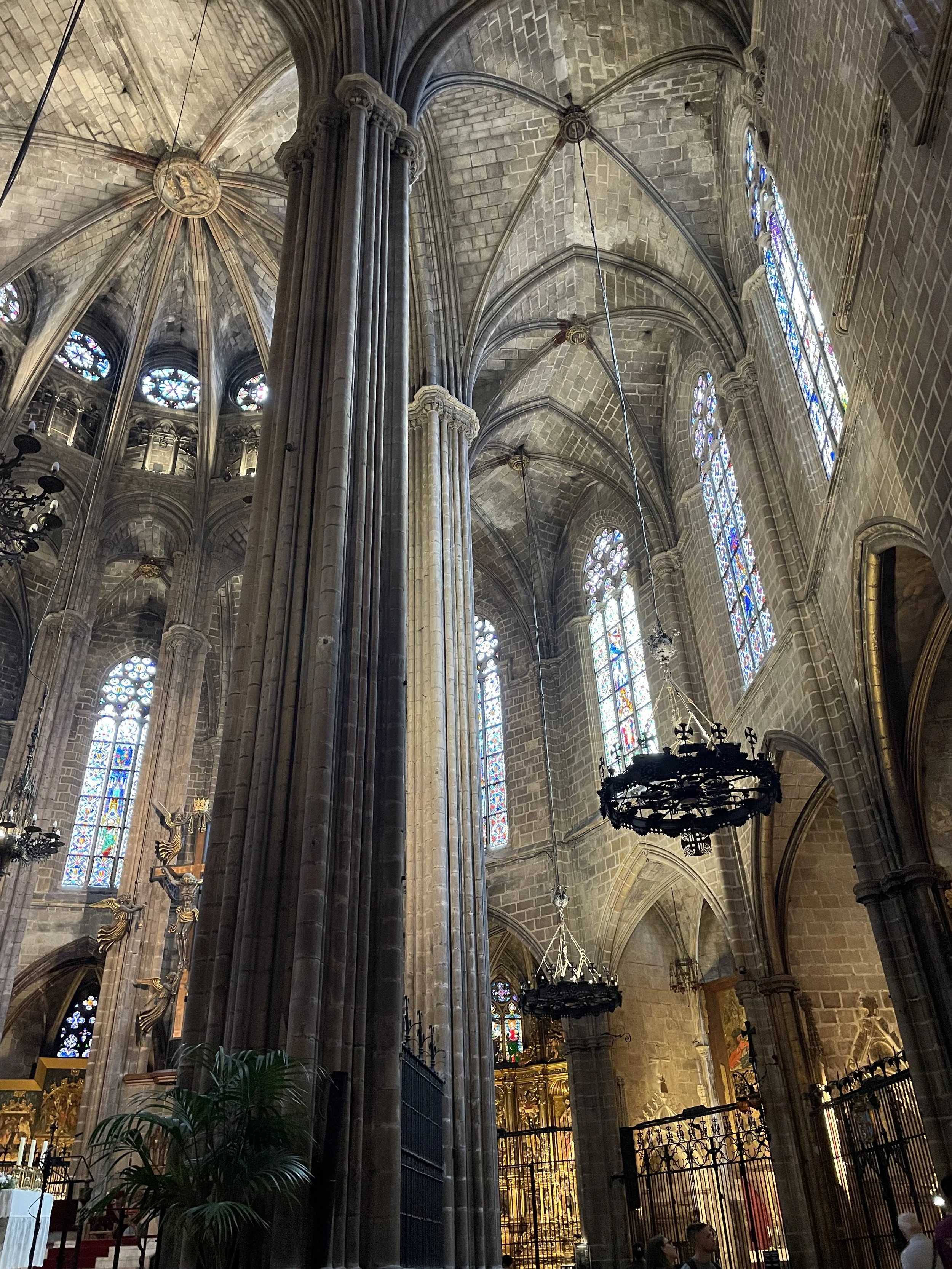
Cathedral of Barcelona - The present Gothic cathedral was started on the foundations of the previous churches on 1 May 1298. James II the Just was King of Aragon at the time. The church was built from the east end with a simple west façade completed in 1417. The cloister was completed in 1448, making the total duration of construction 150 years.
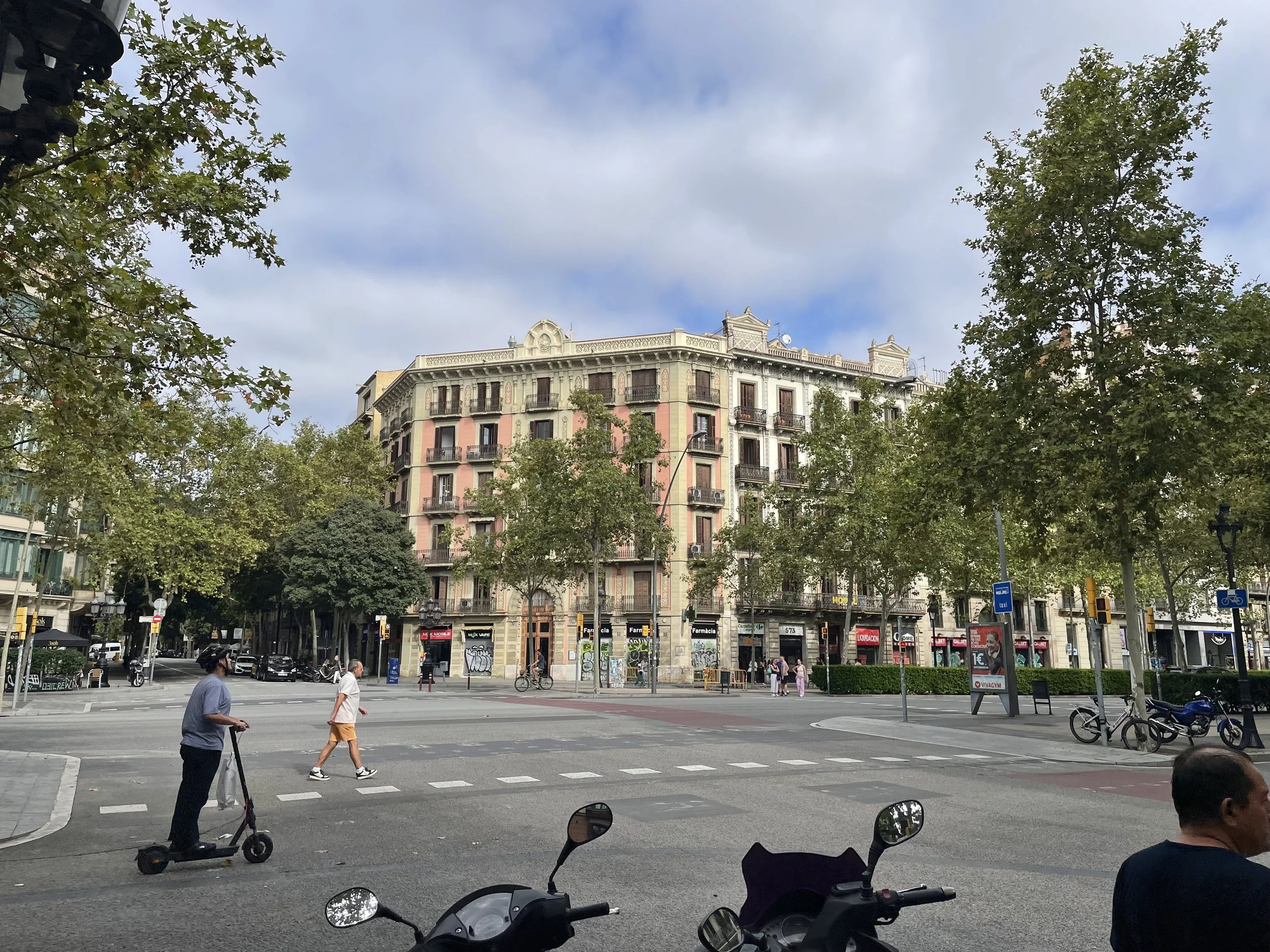
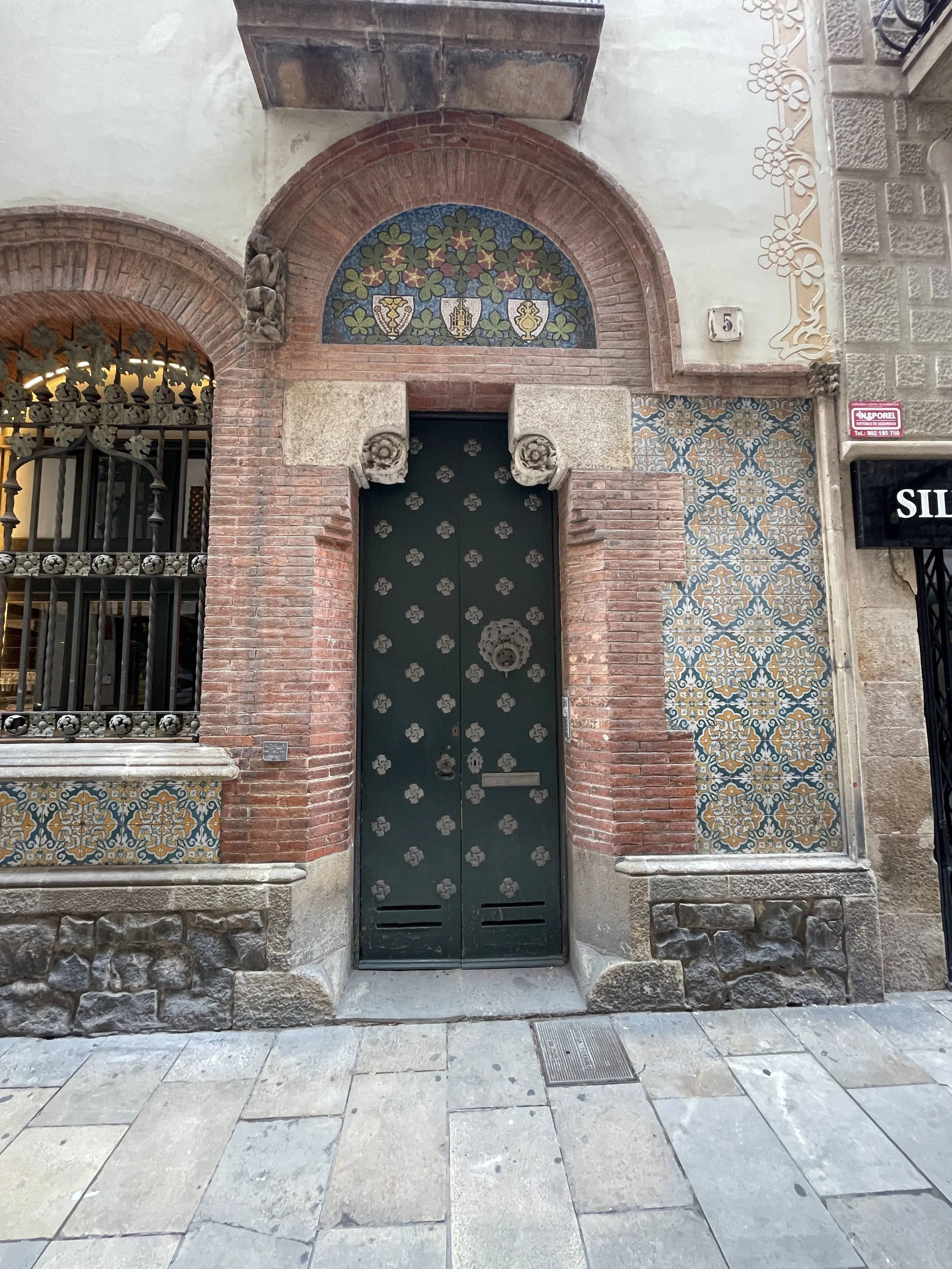
The “block of discord” - in brief, this is a street of Modernista houses along Barcelona’s Passeig de Gràcia. They are all trying to outdo each other, hiring starchitects and incorporating bold designs.
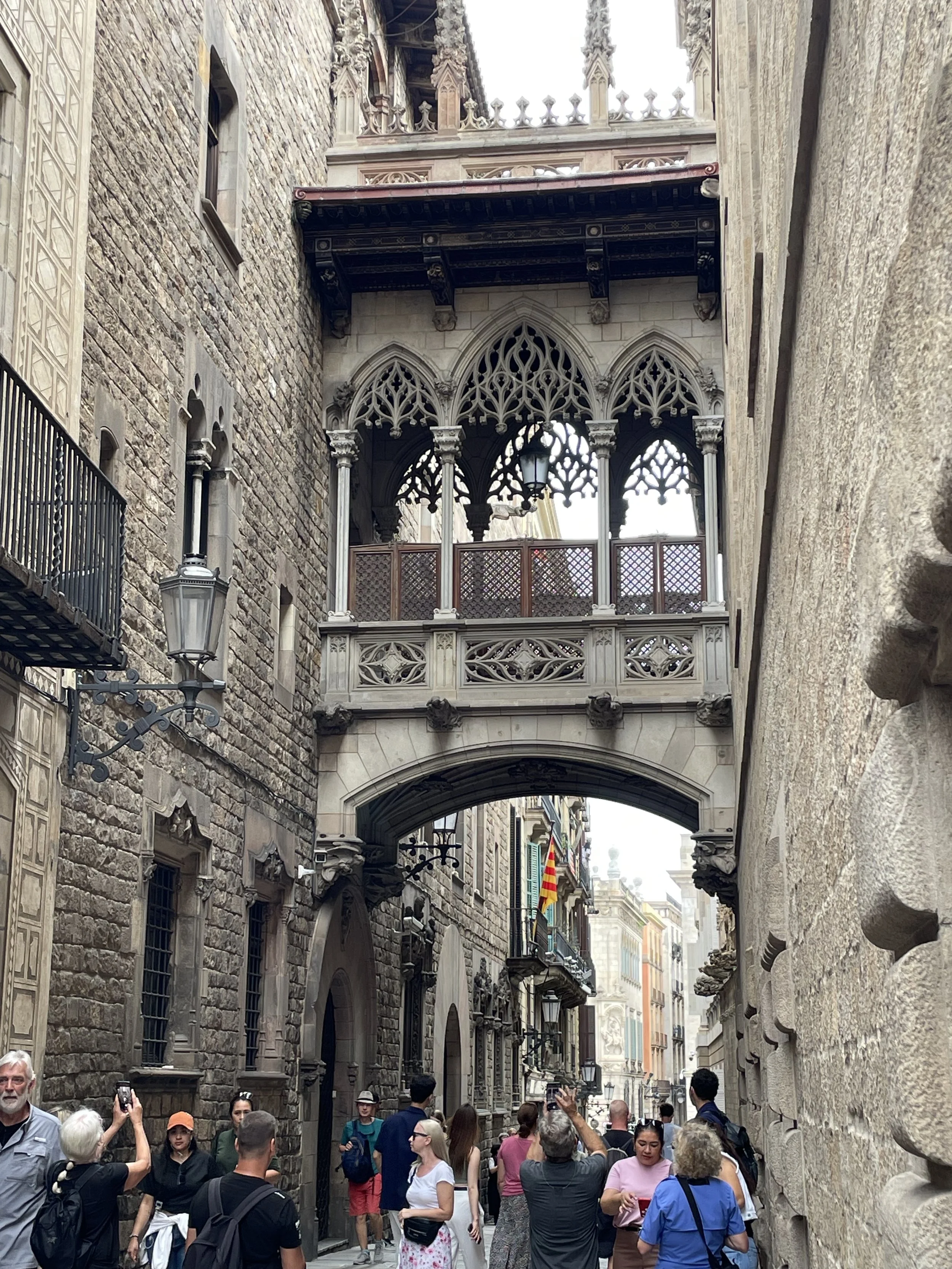
“most-photographed” bridge on Carrer del Bisbe, known as the Bishop’s Bridge. This neo-gothic bridge was built in 1928 by Joan Rubió i Bellver, apprentice to Antoni Gaudí.
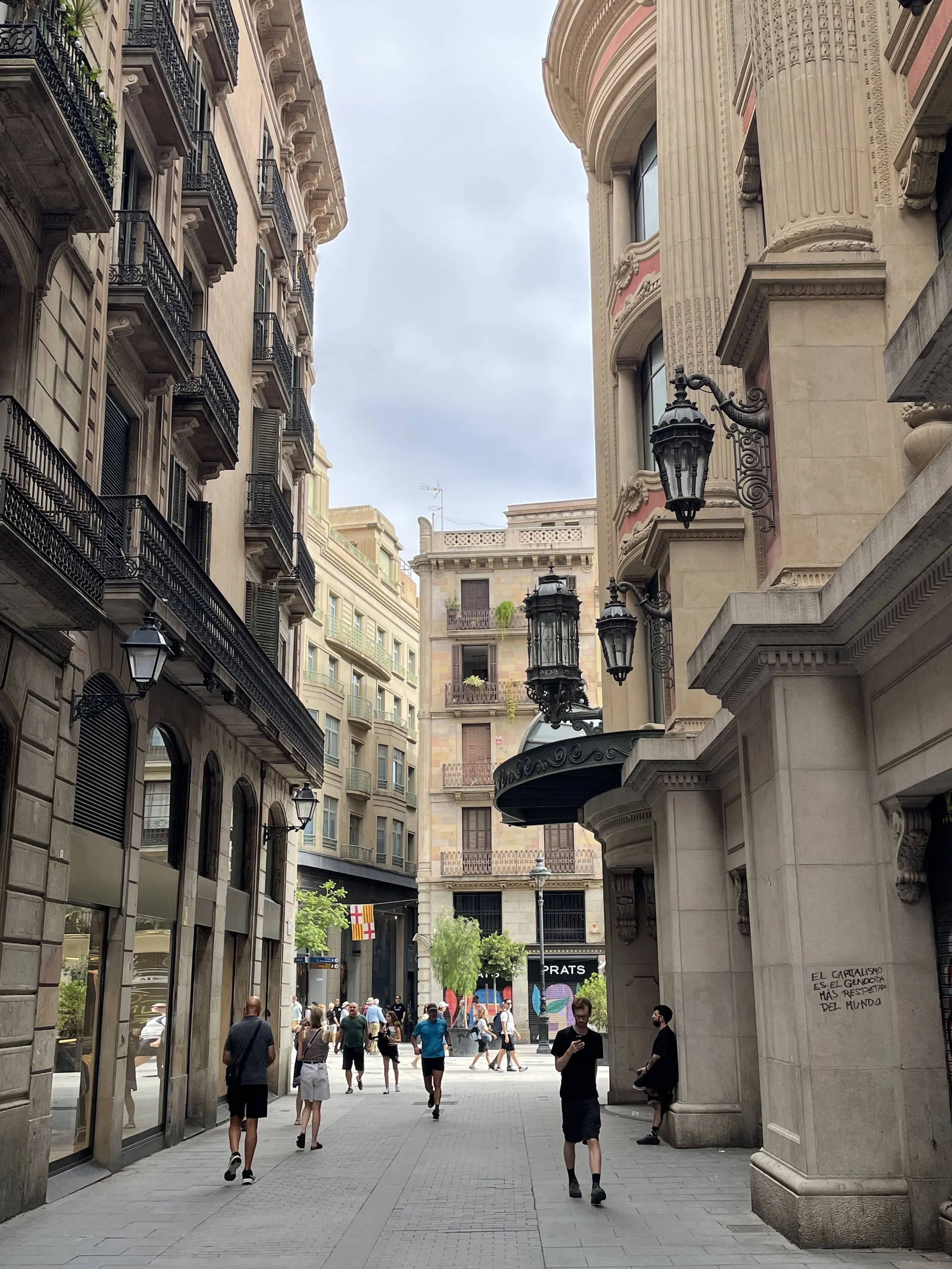
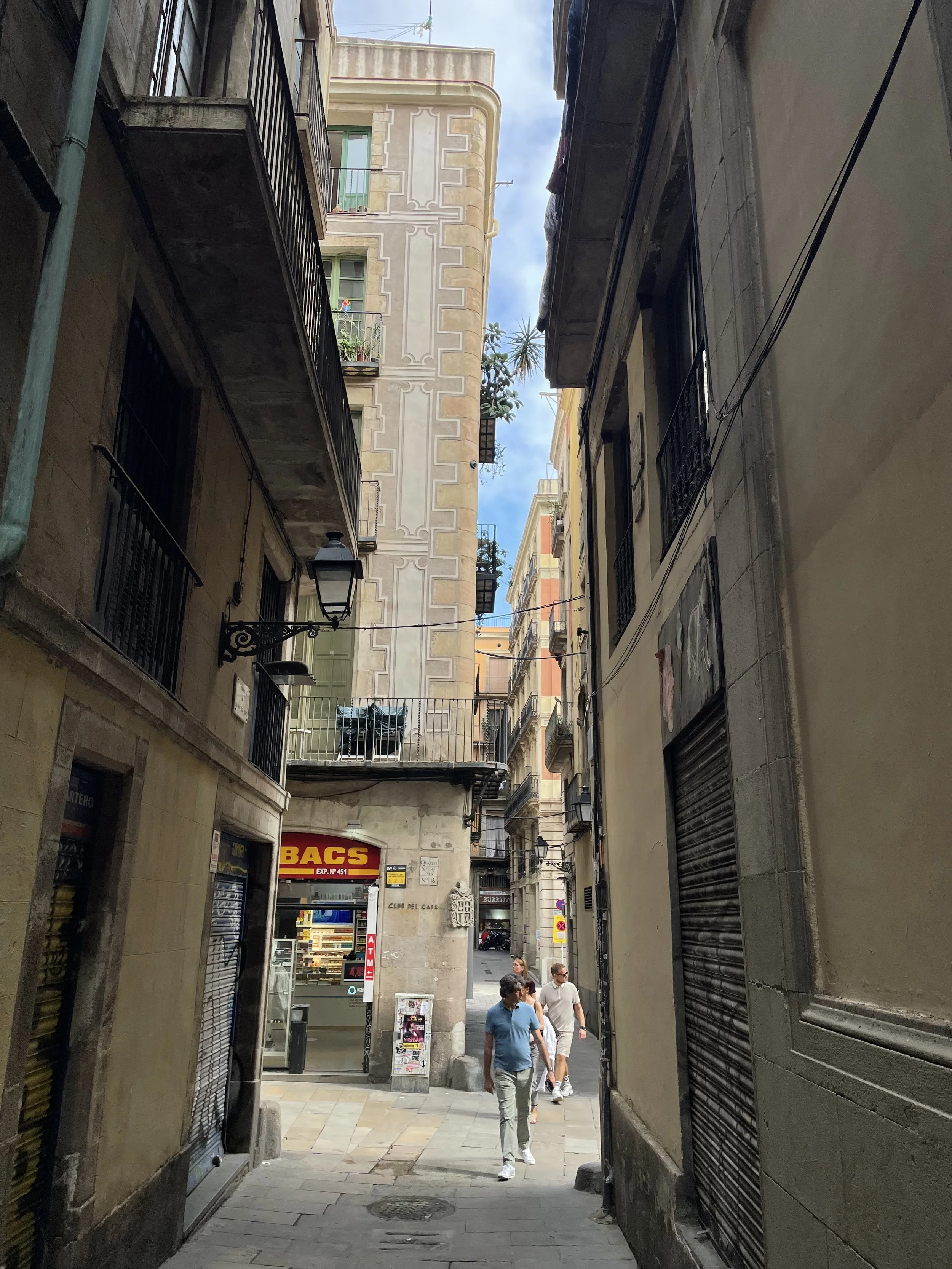
Surprisingly narrow alley streets, but comfortable, safe and cool
Night tour of Casa Batlló (ca. 1904)
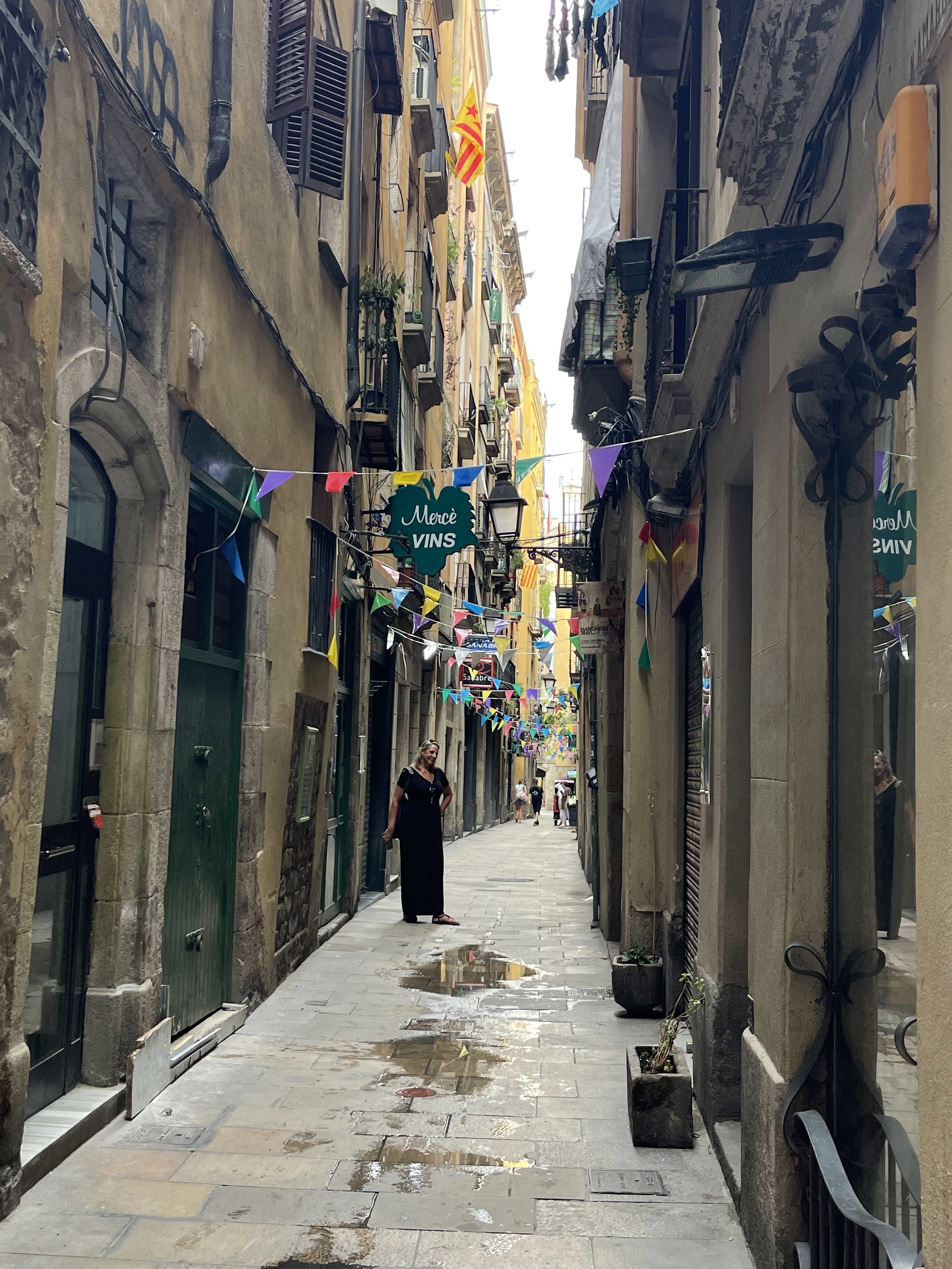
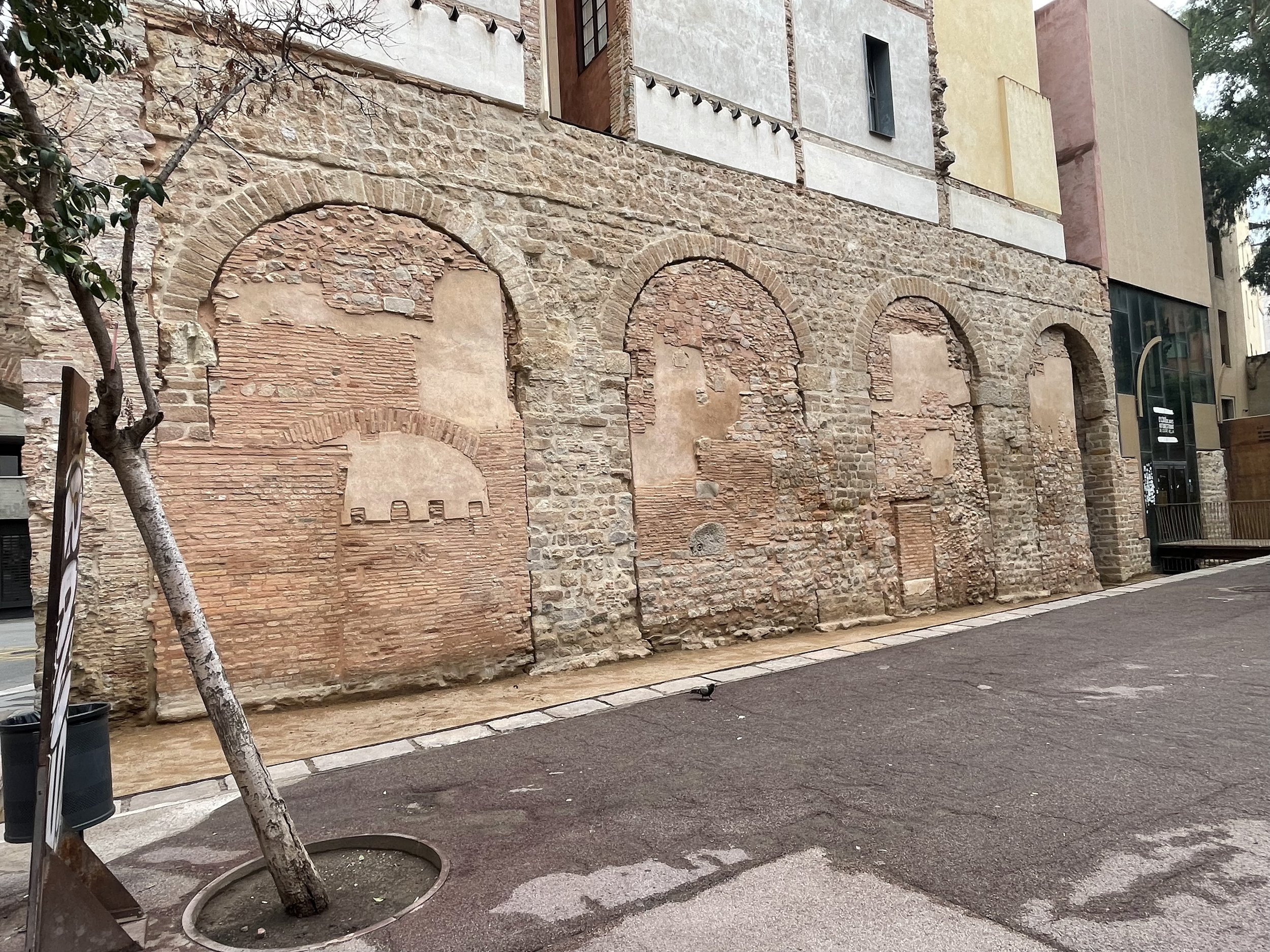
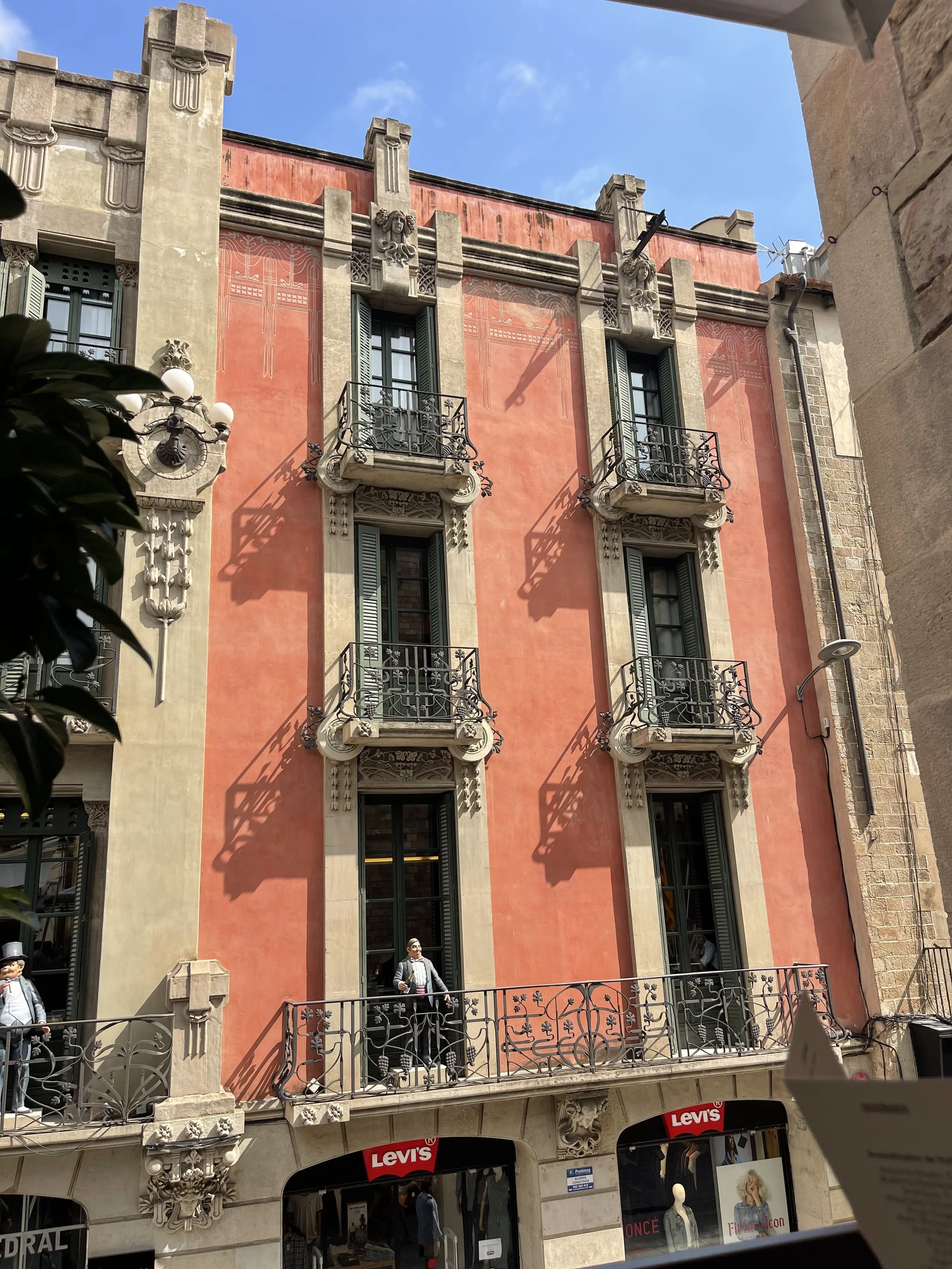
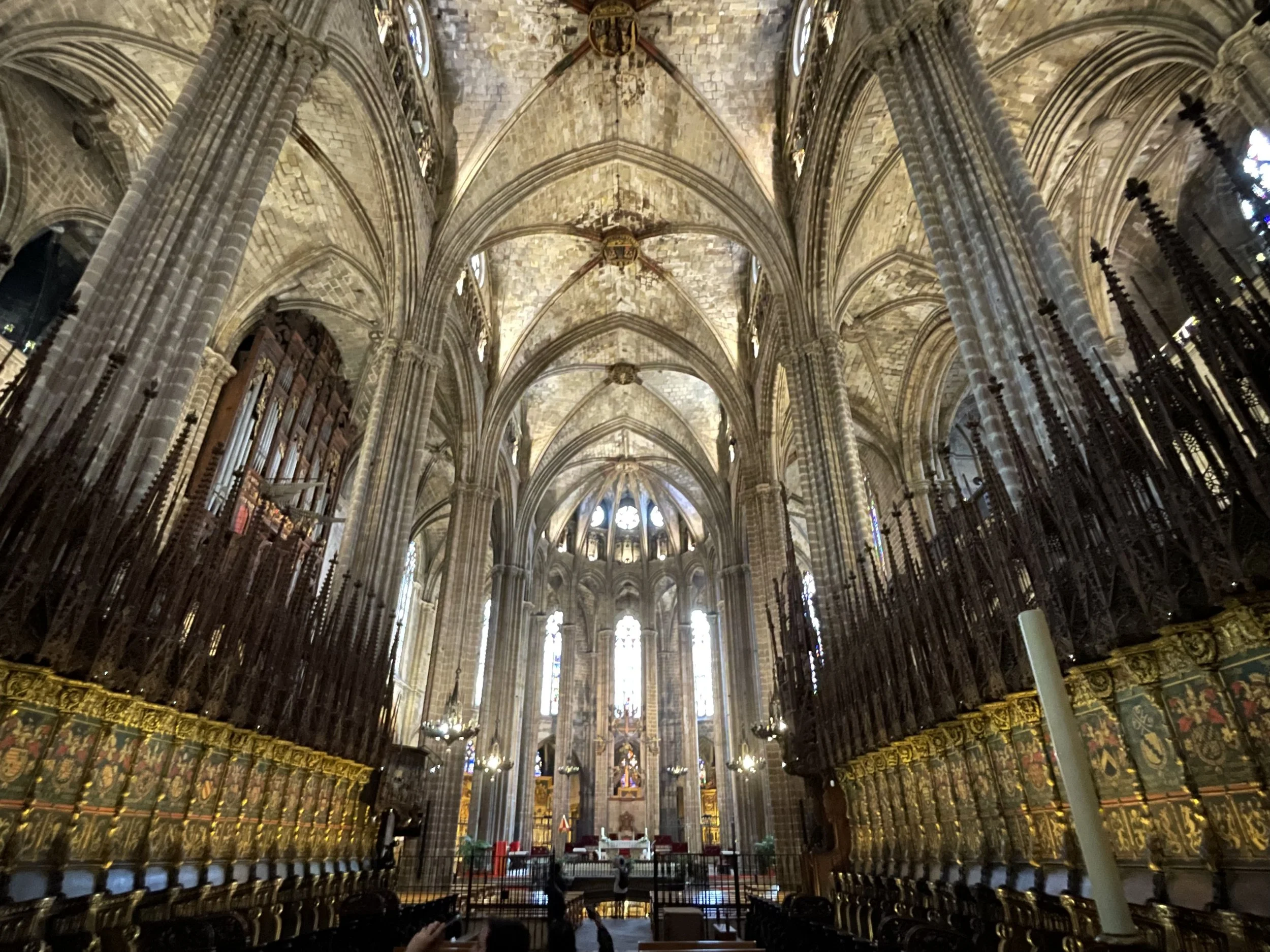
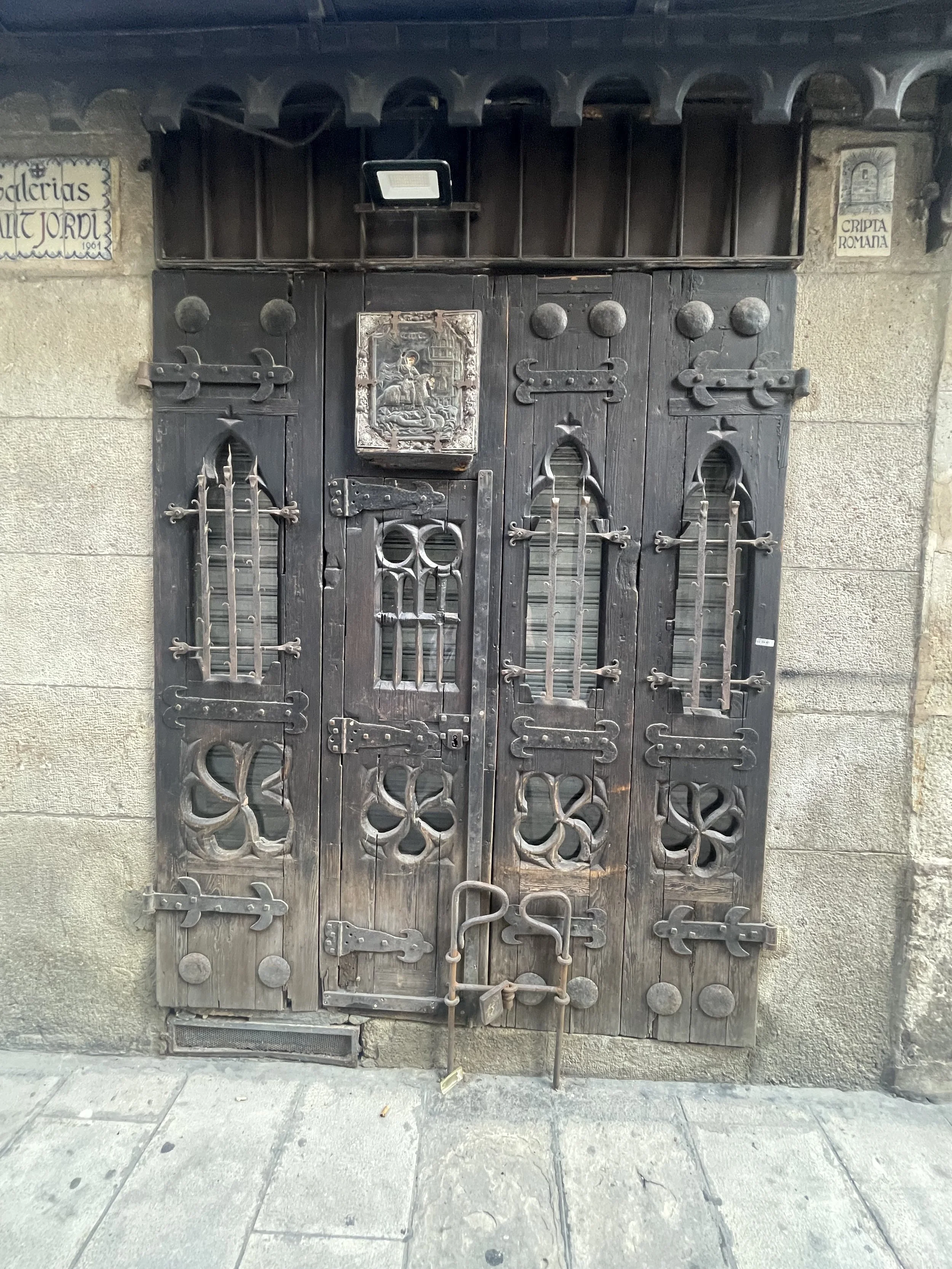

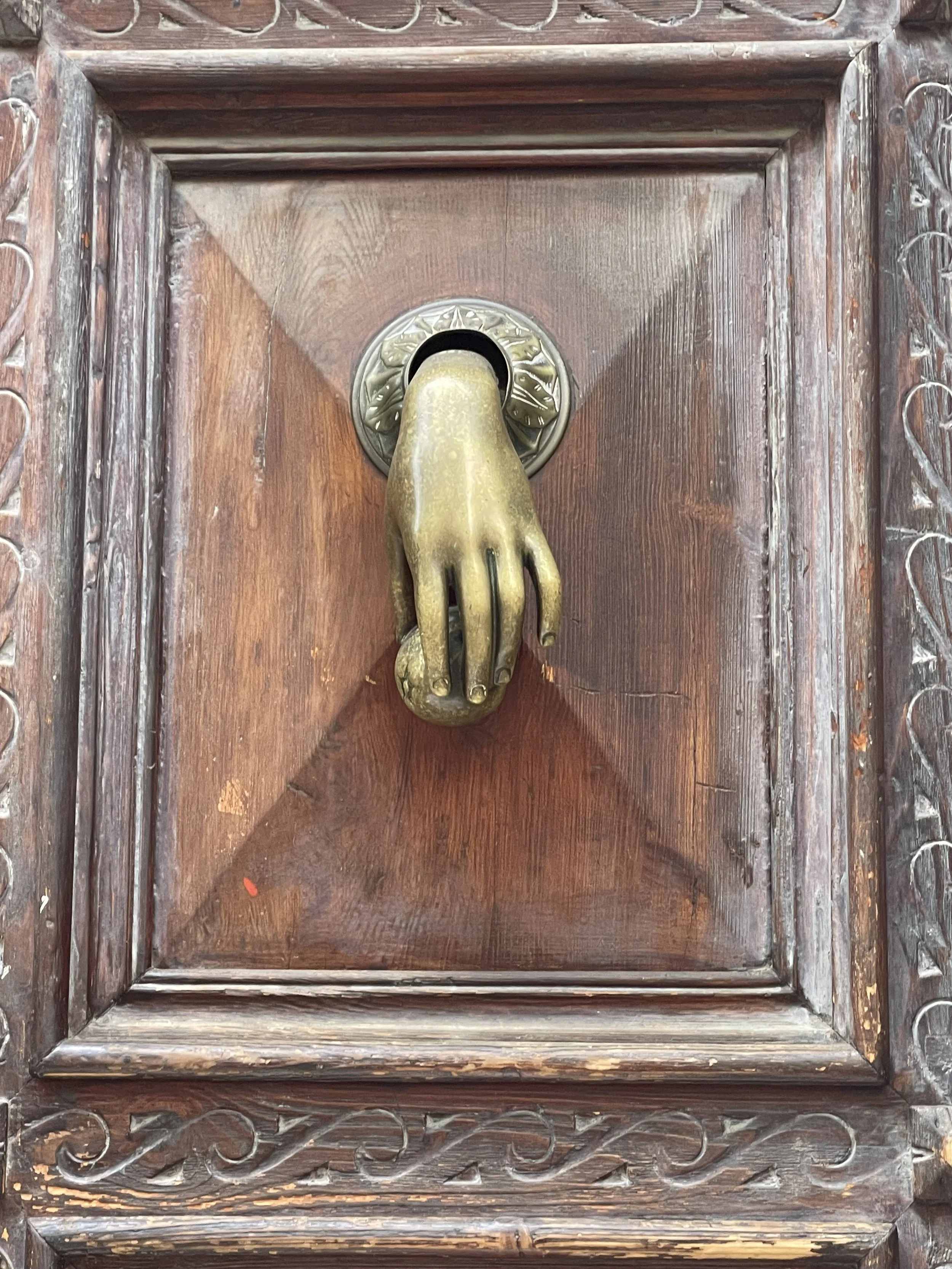
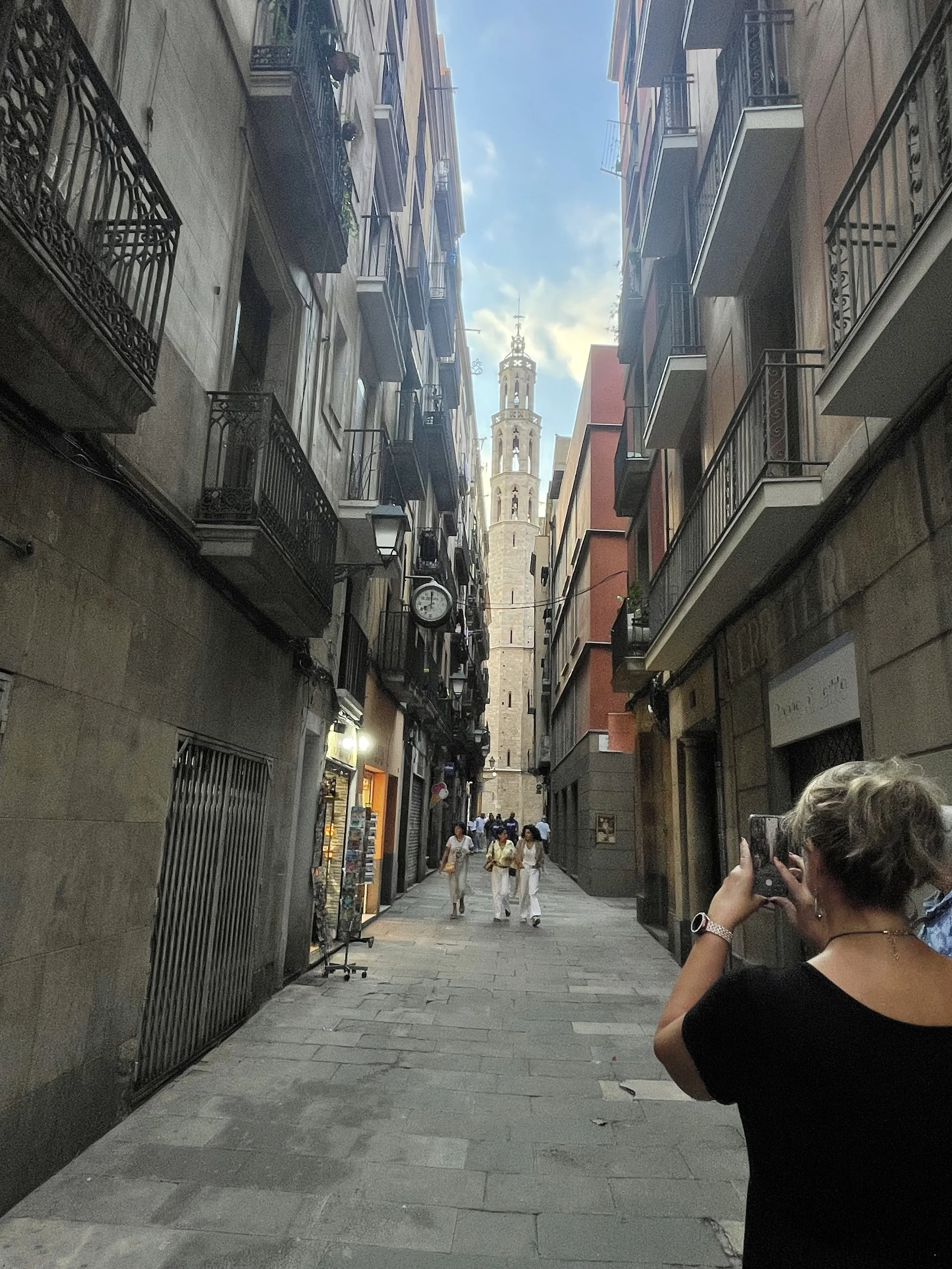
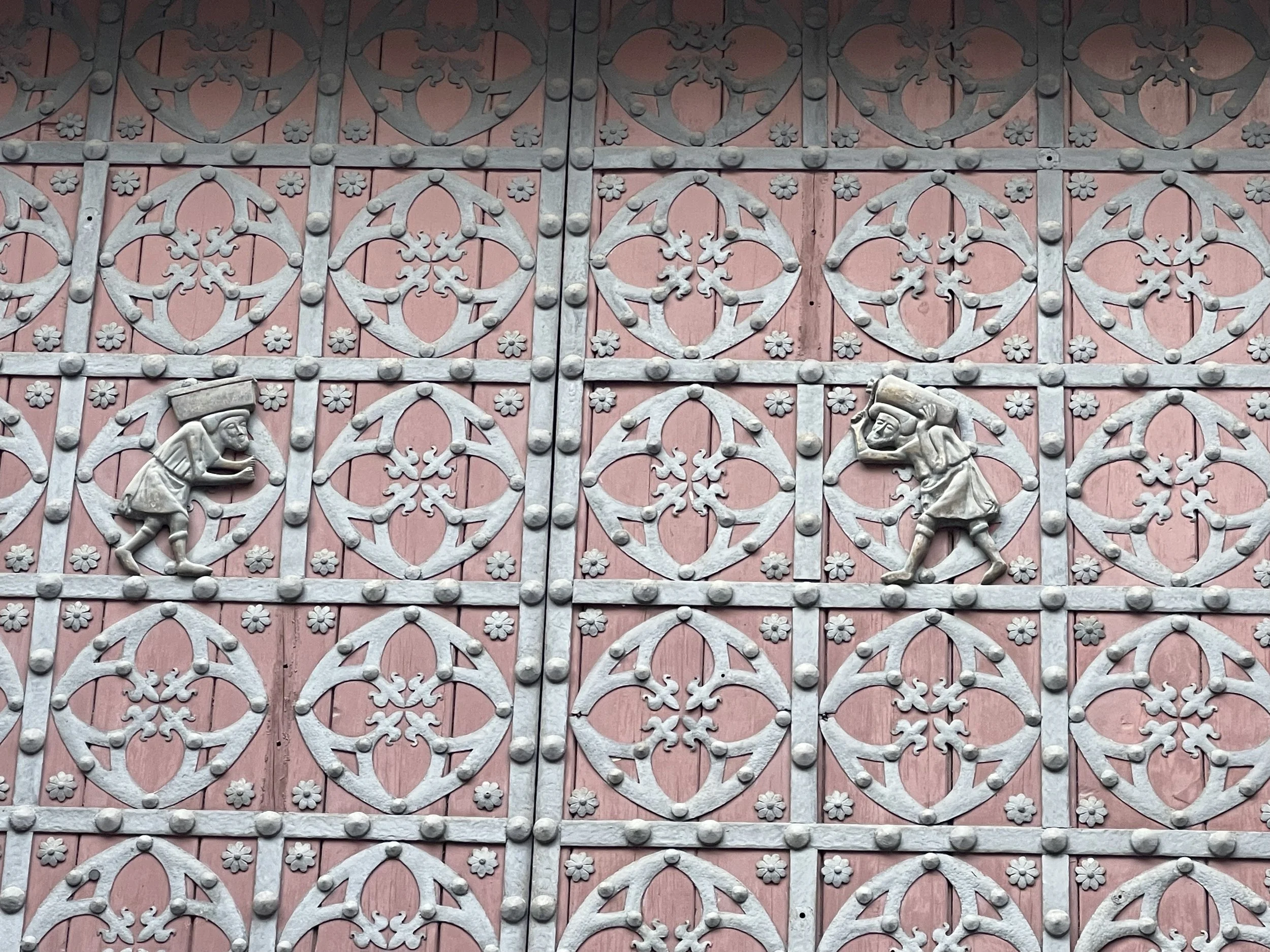

DAY 4
Monday September 15, 2025
Breakfast at local café
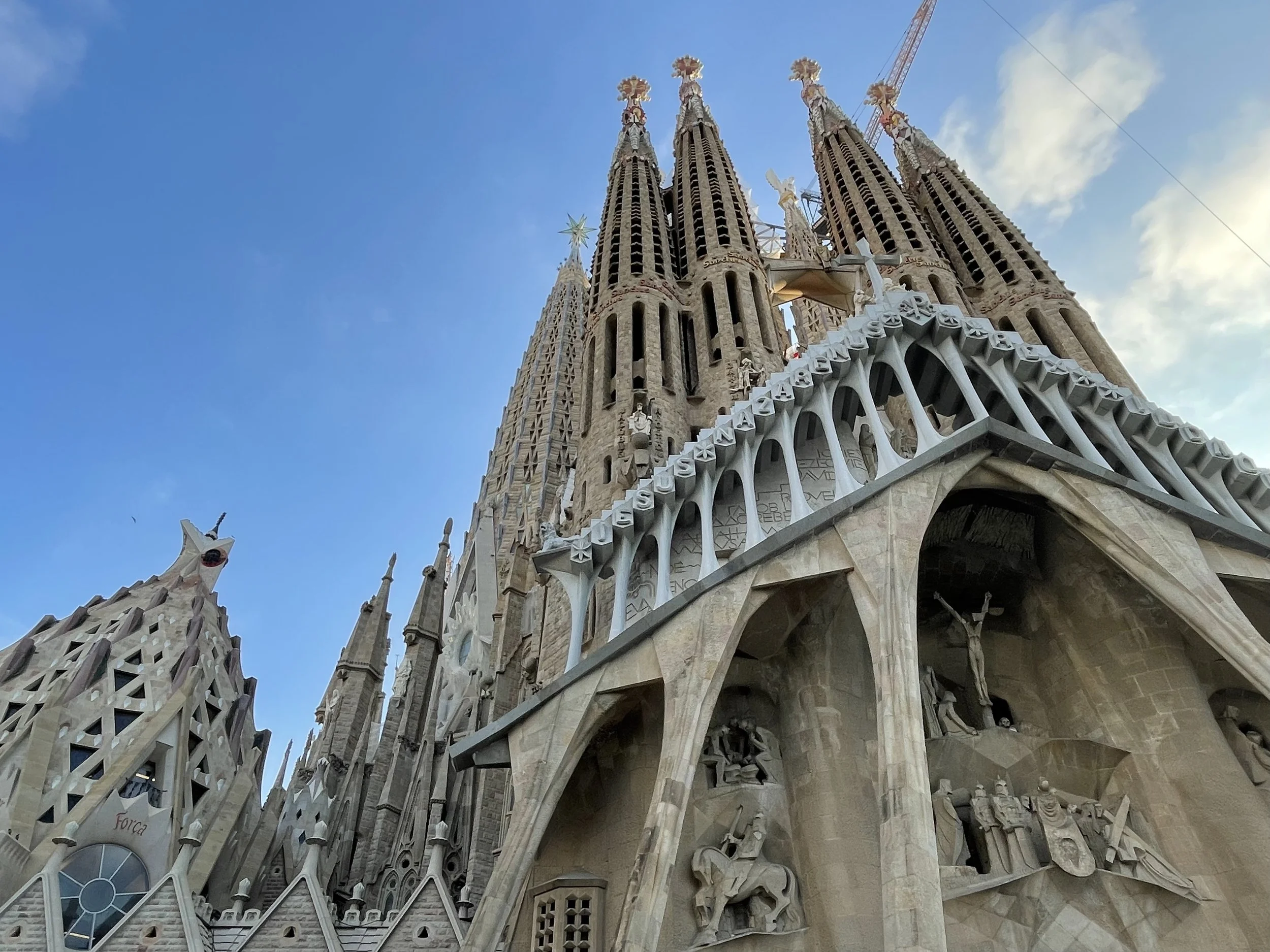
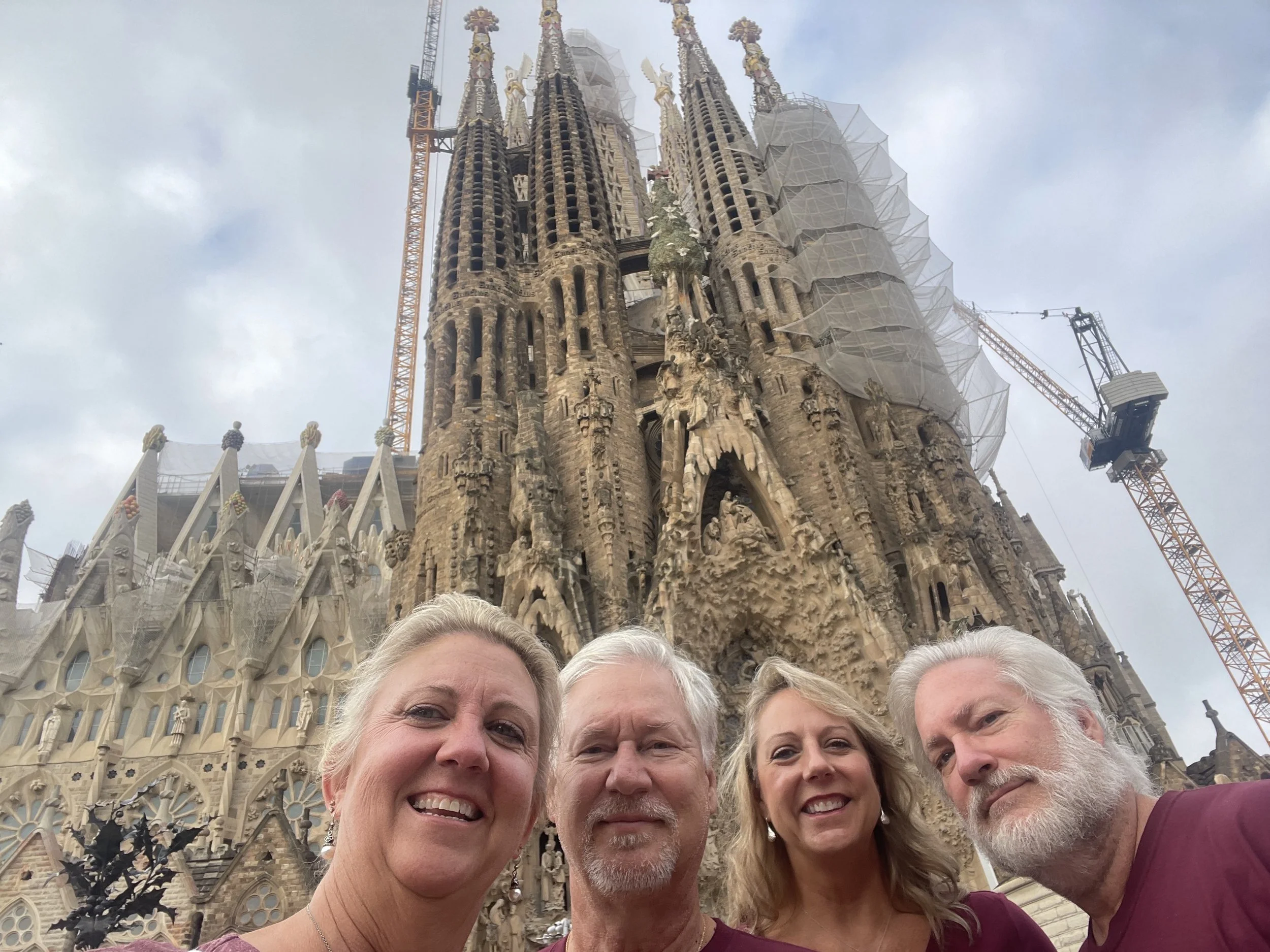
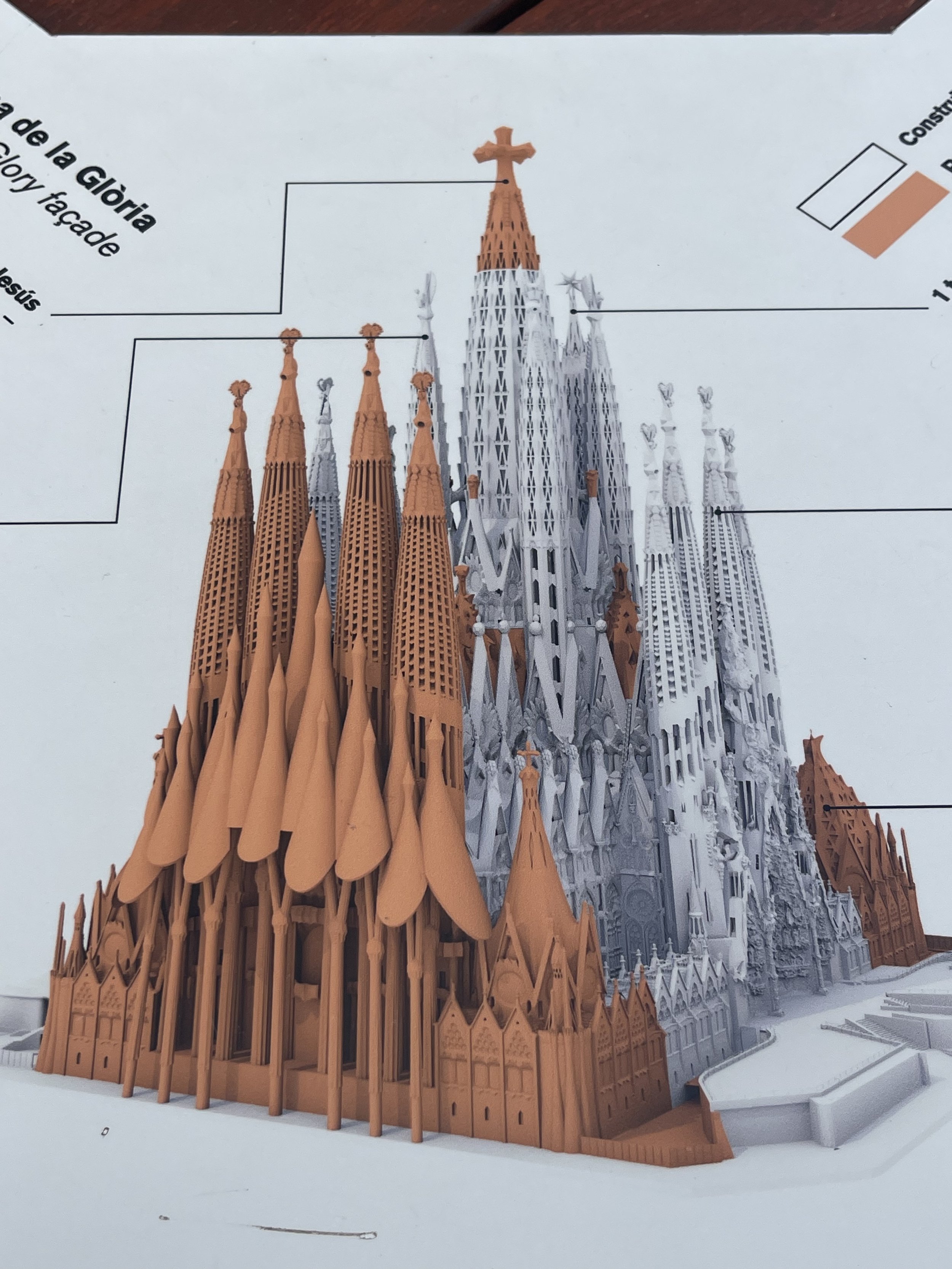
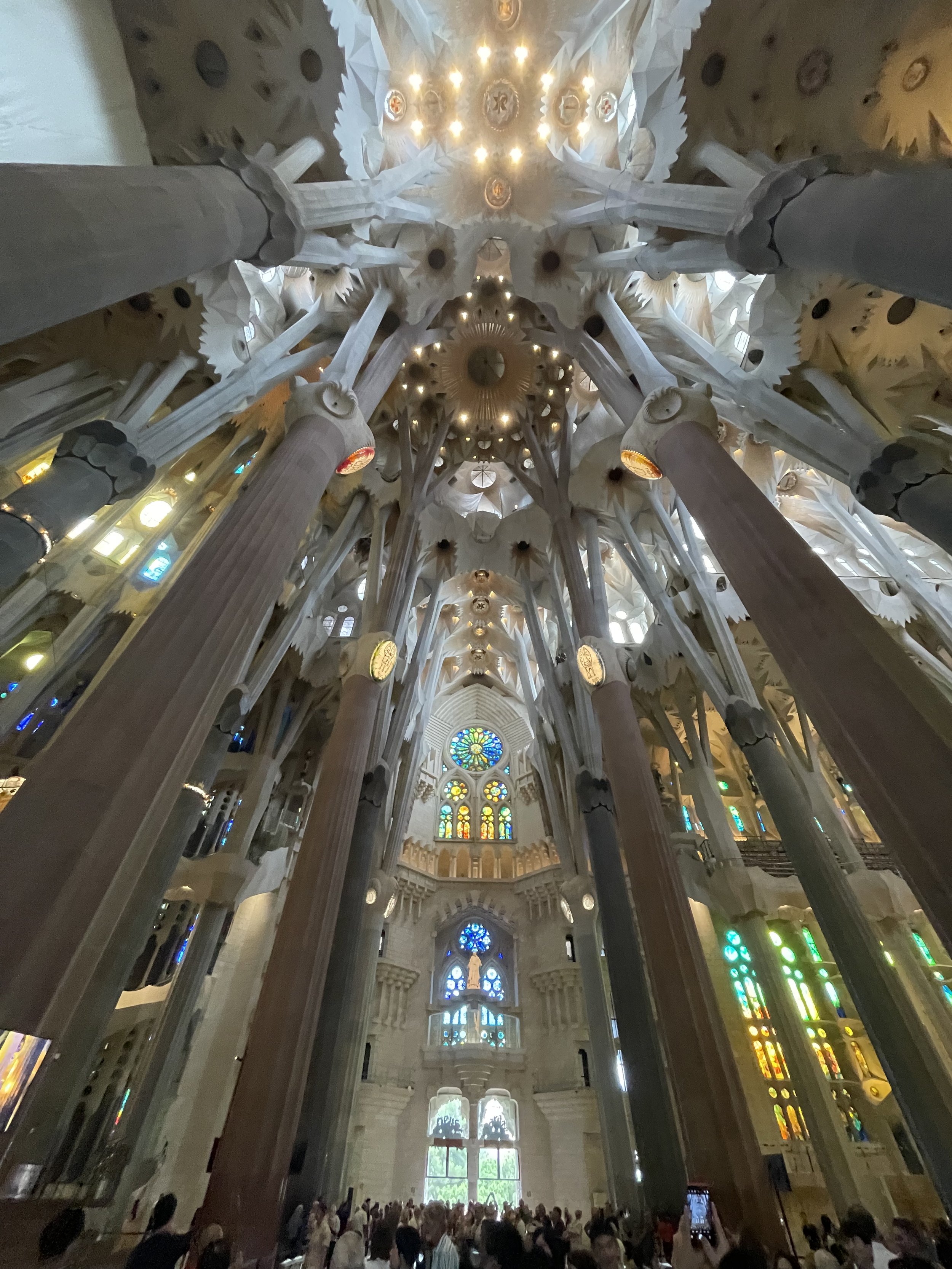
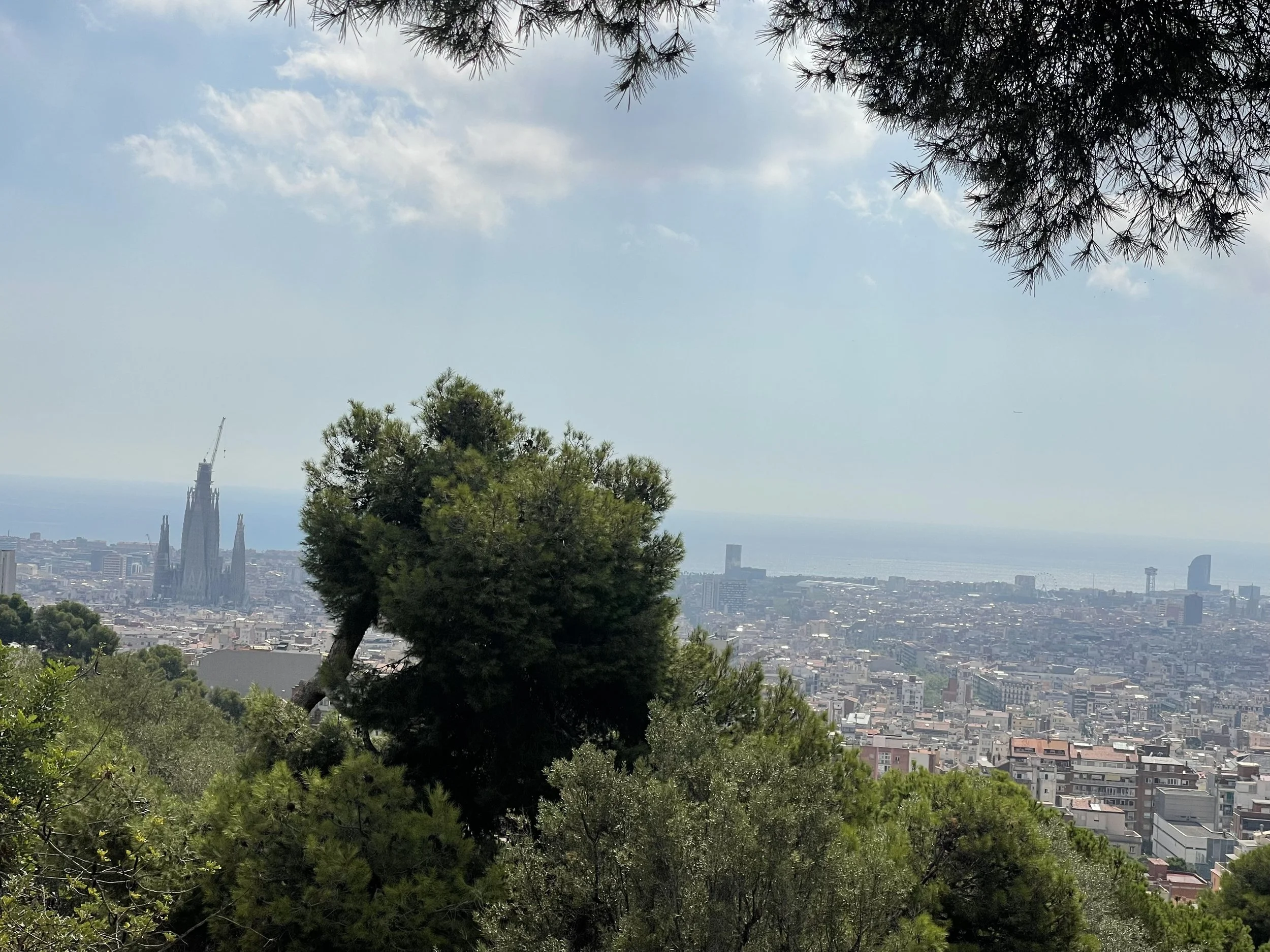
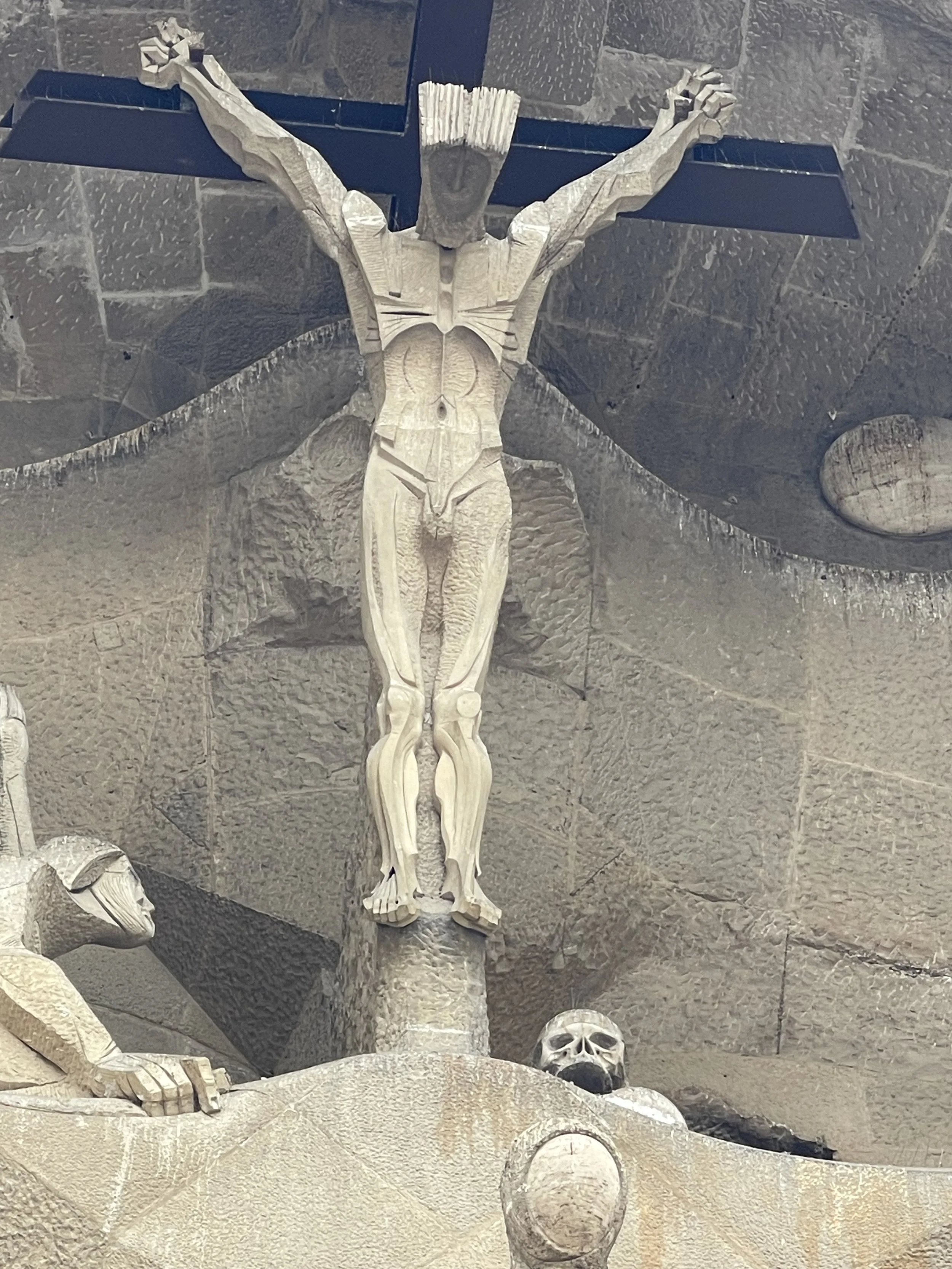
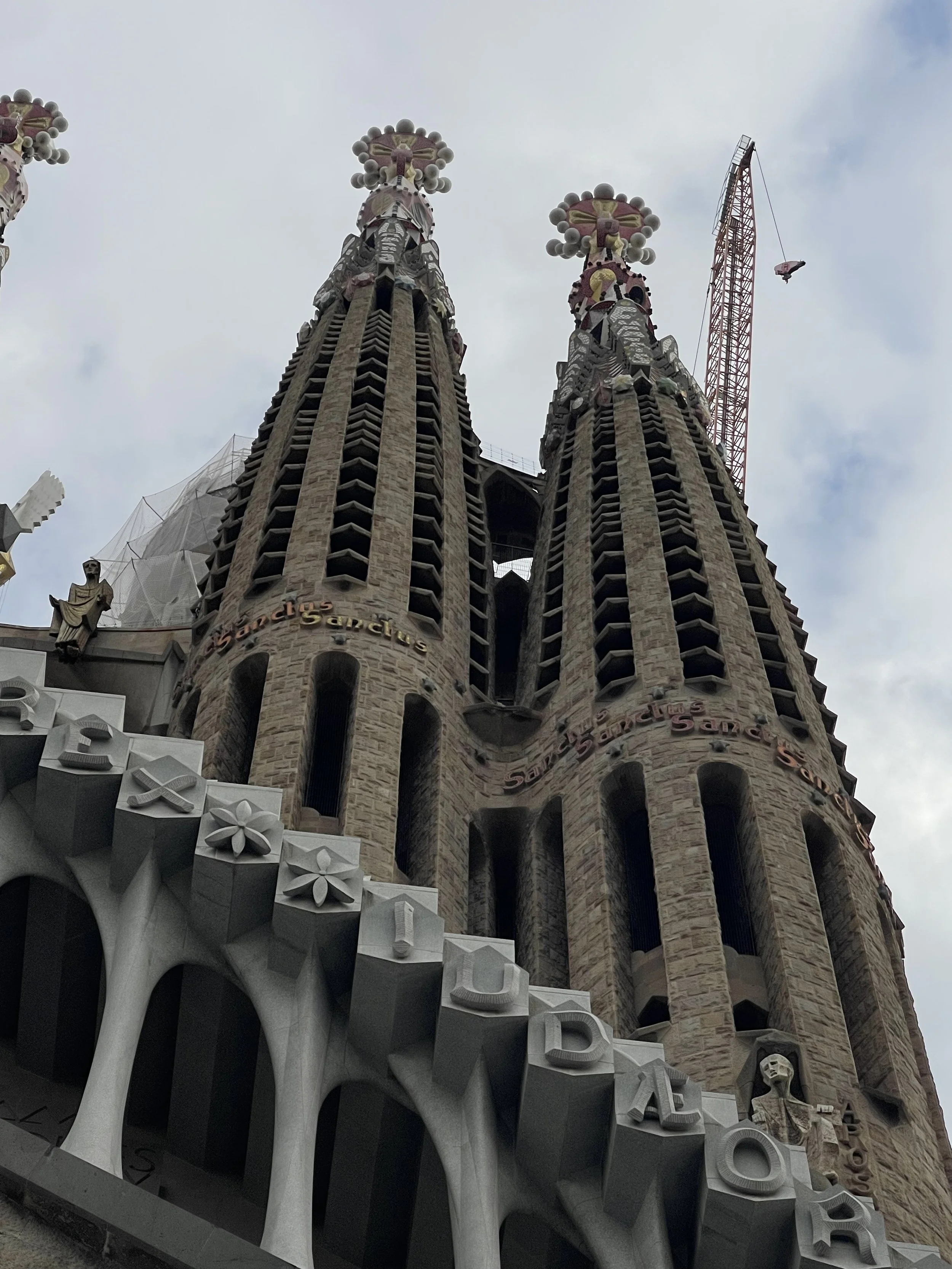
Catch a bus to La Sagrada Familia (UNESCO World Heritage site)
Walked Parc Guell in the afternoon (UNESCO World Heritage site)
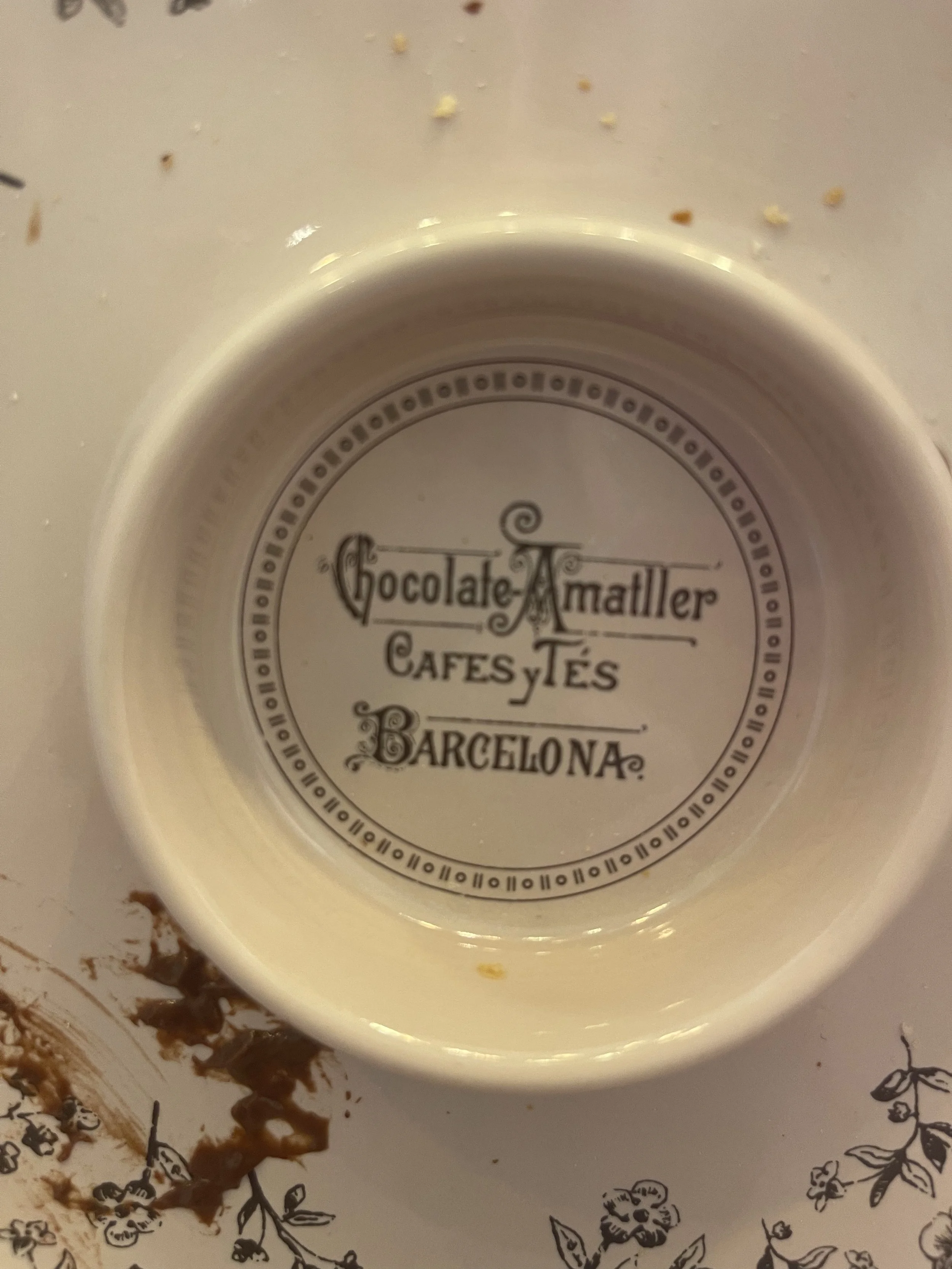
Toured Casa Amatller ca. 1875-1960 (www.amatller.org)
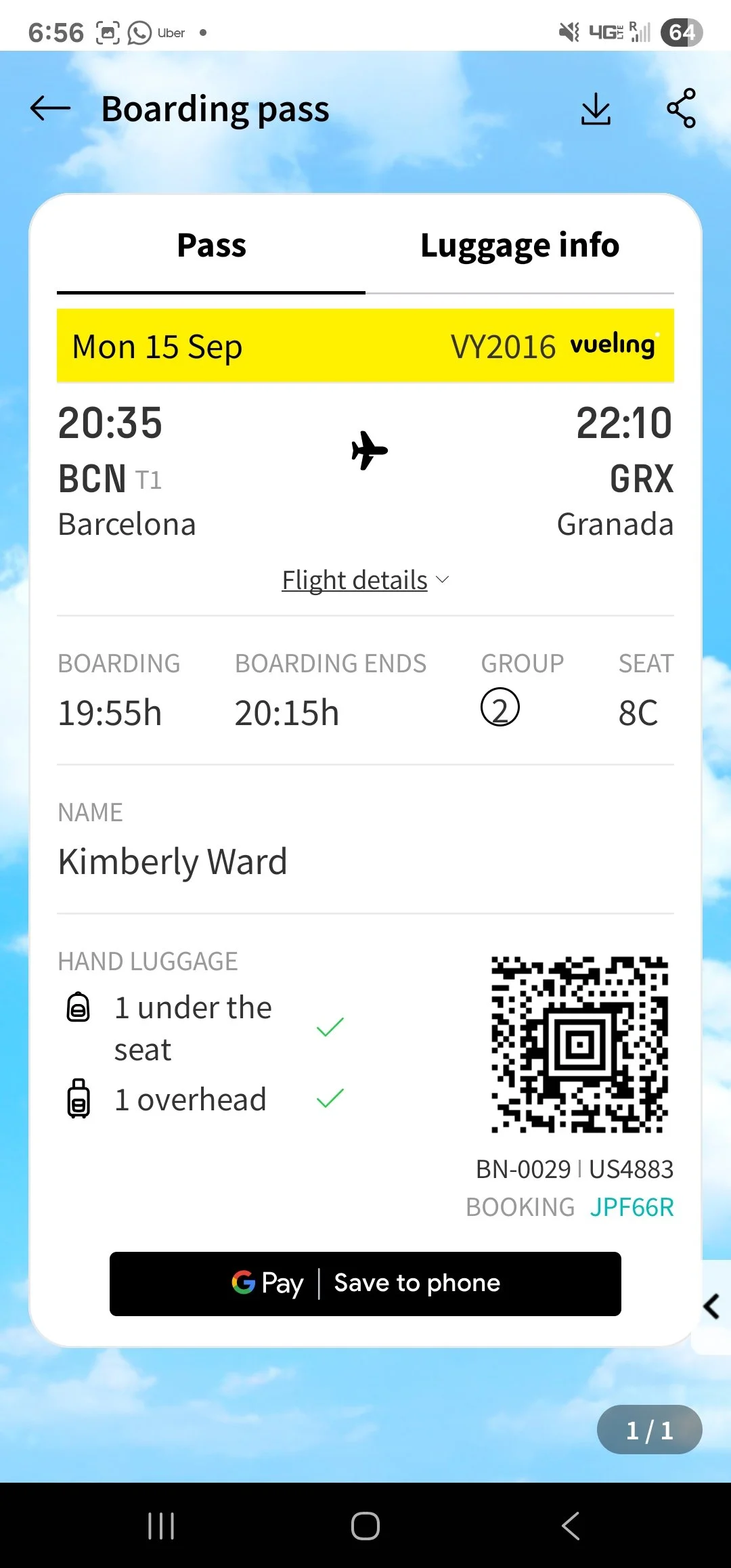
Flight to Granada
Parade and bands in the streets
To bed about 12:30am
DAY 5
Tuesday September 16, 2025
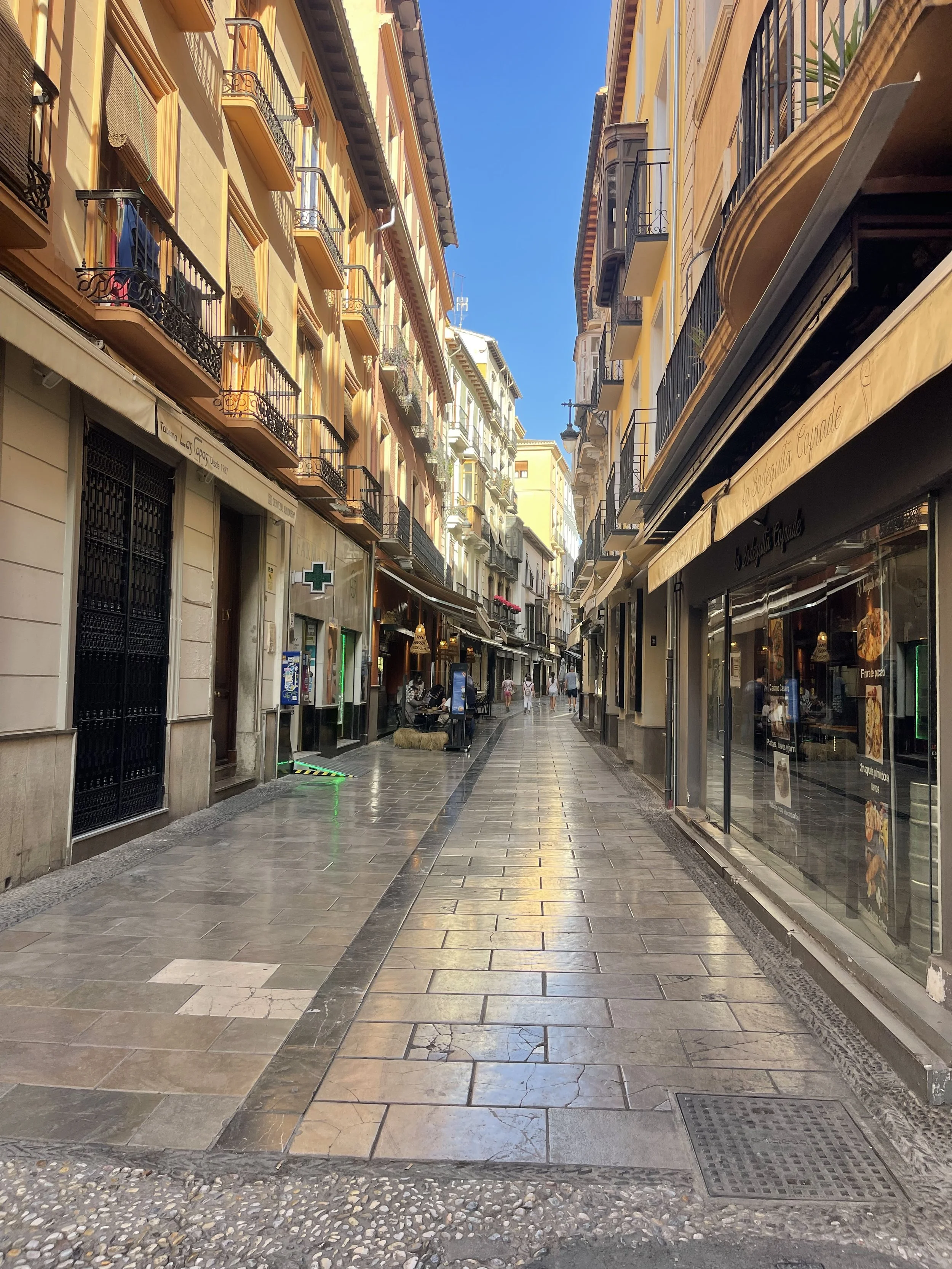
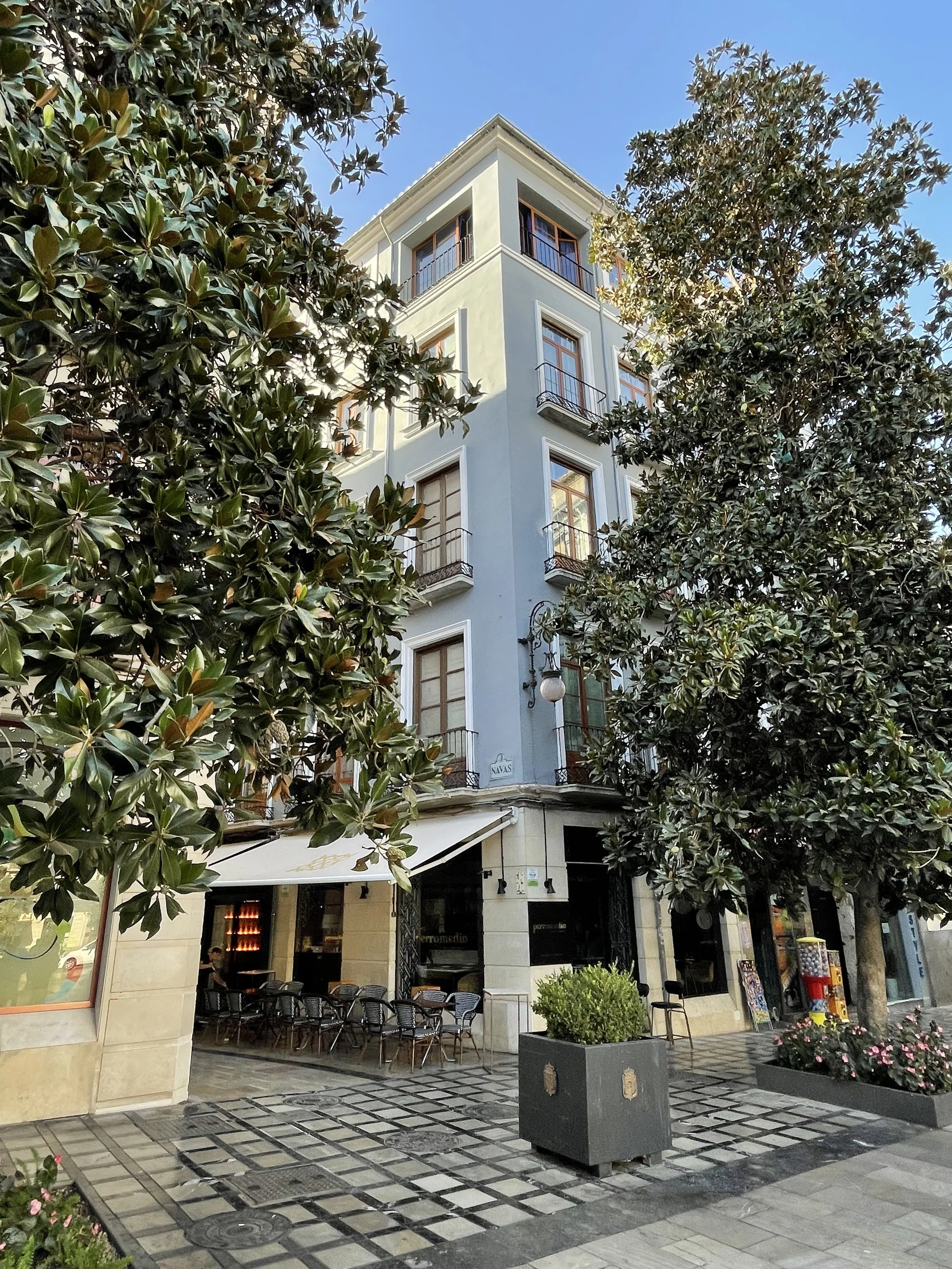
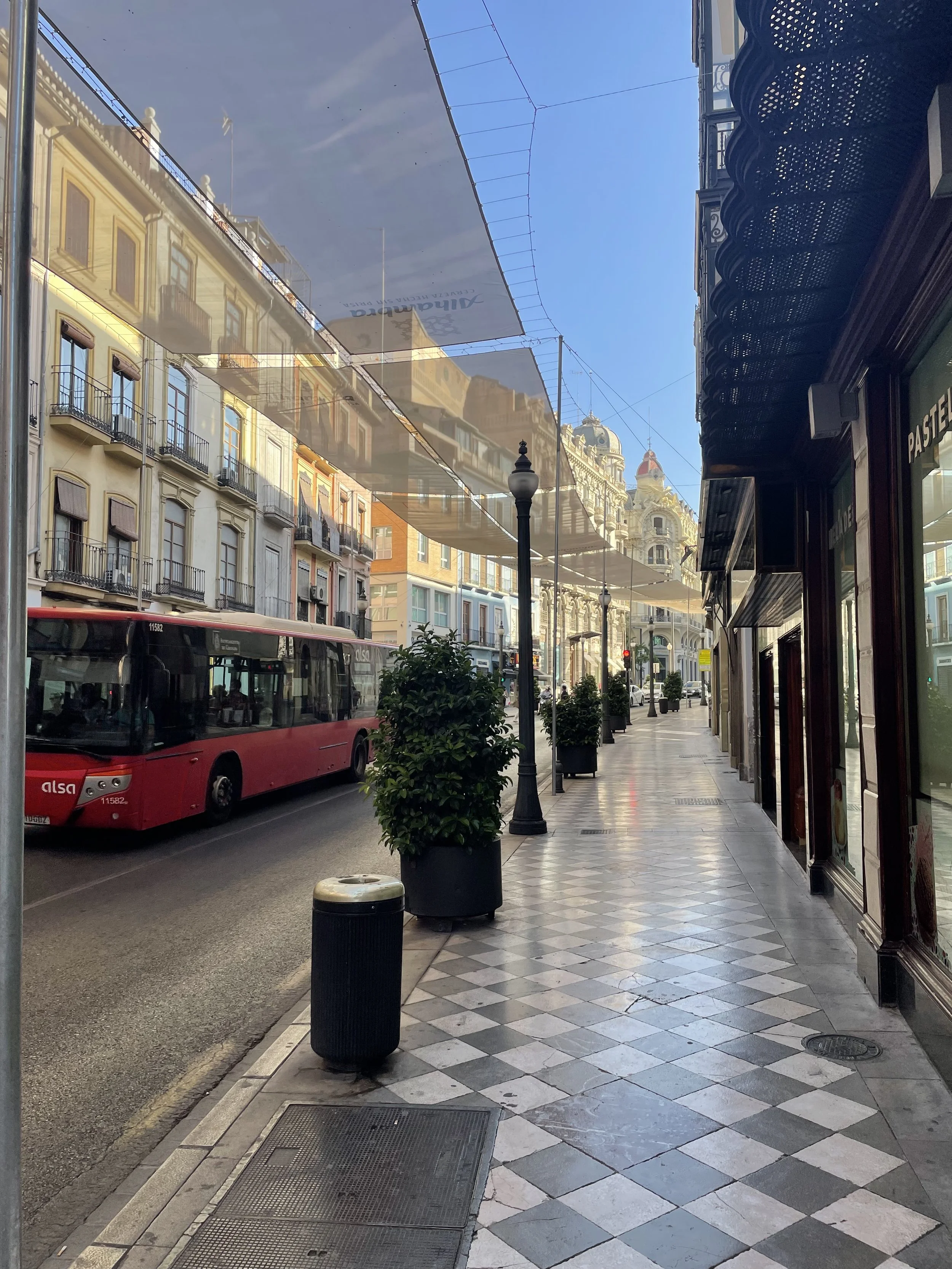
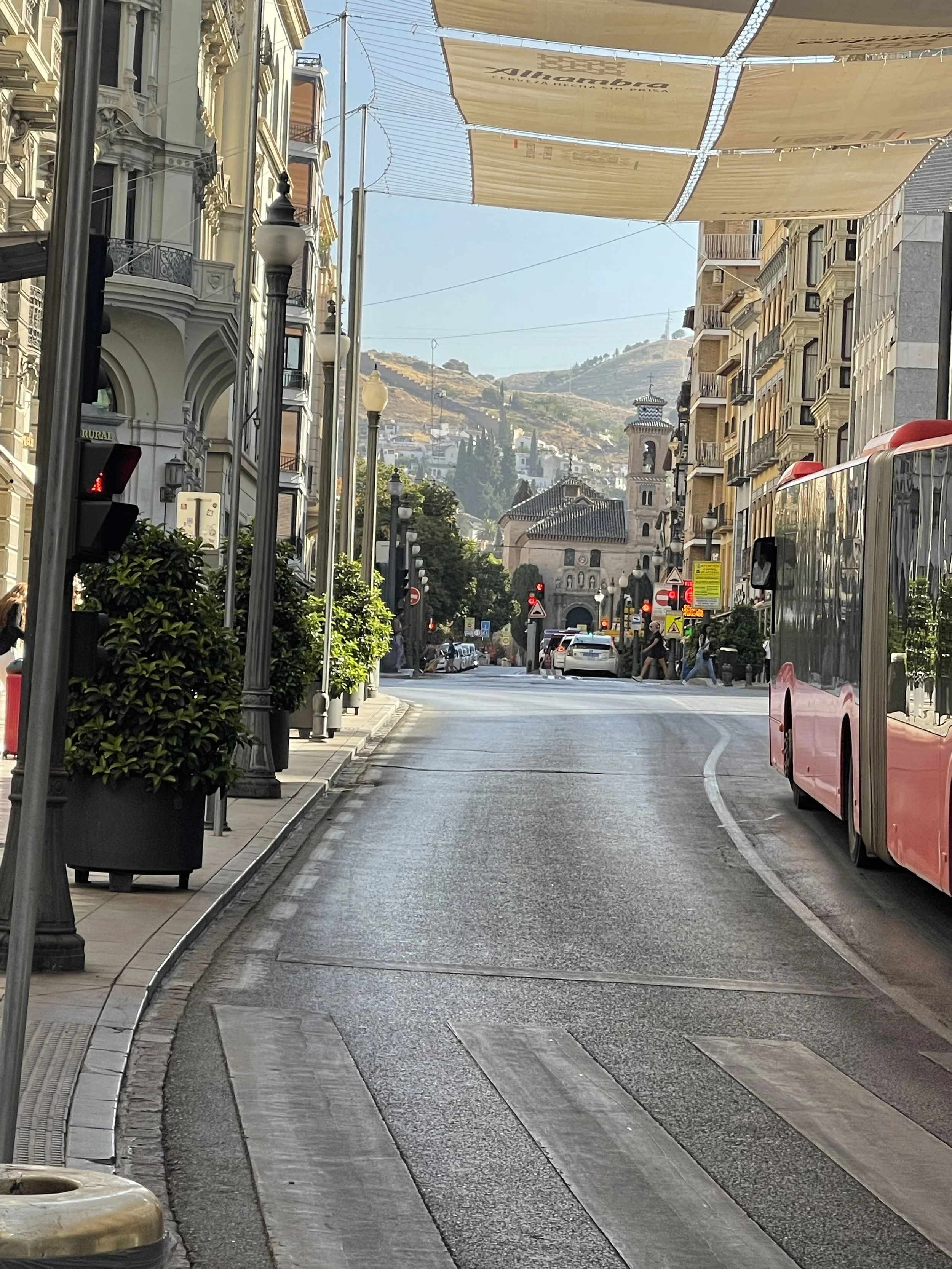
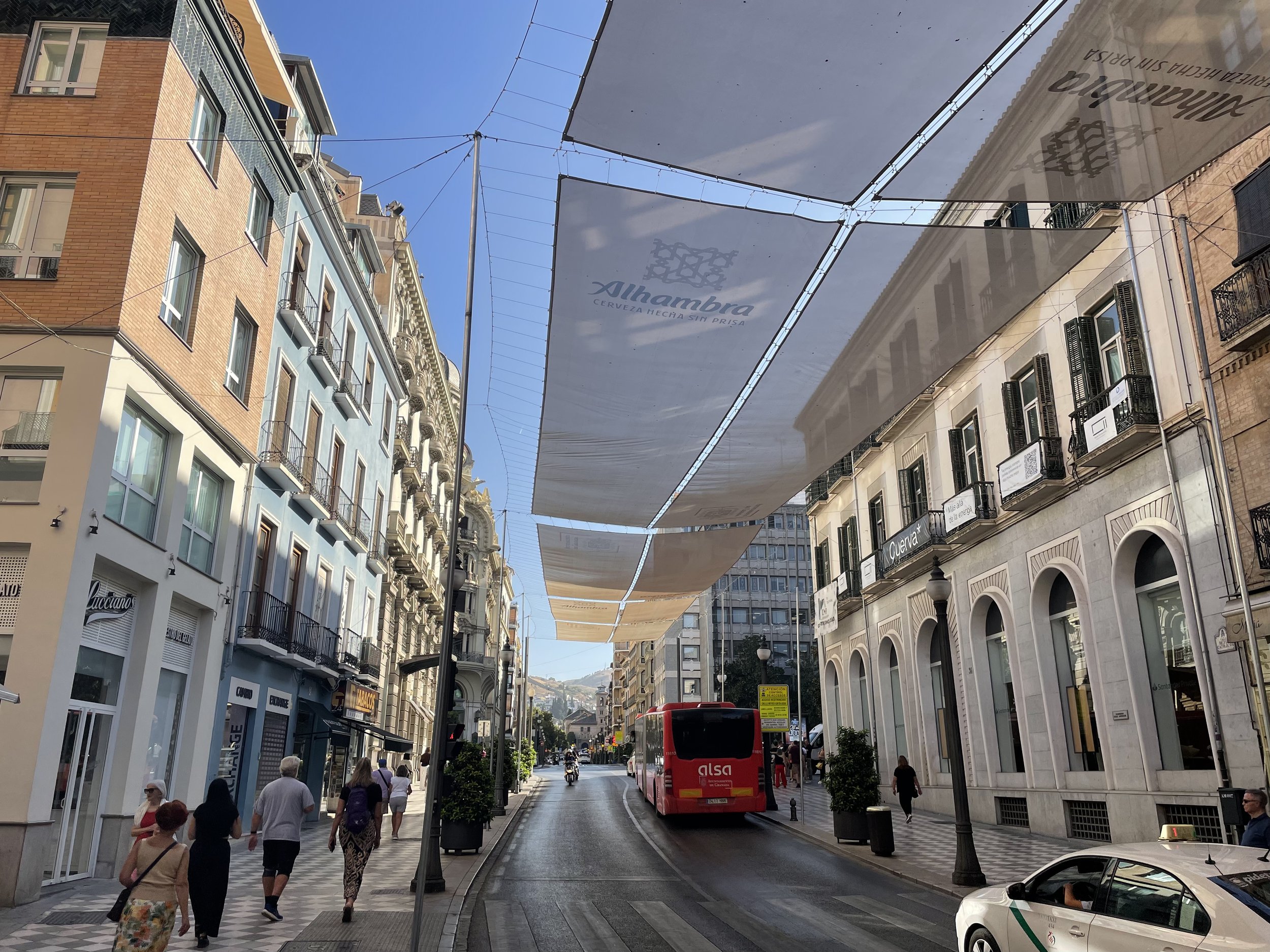
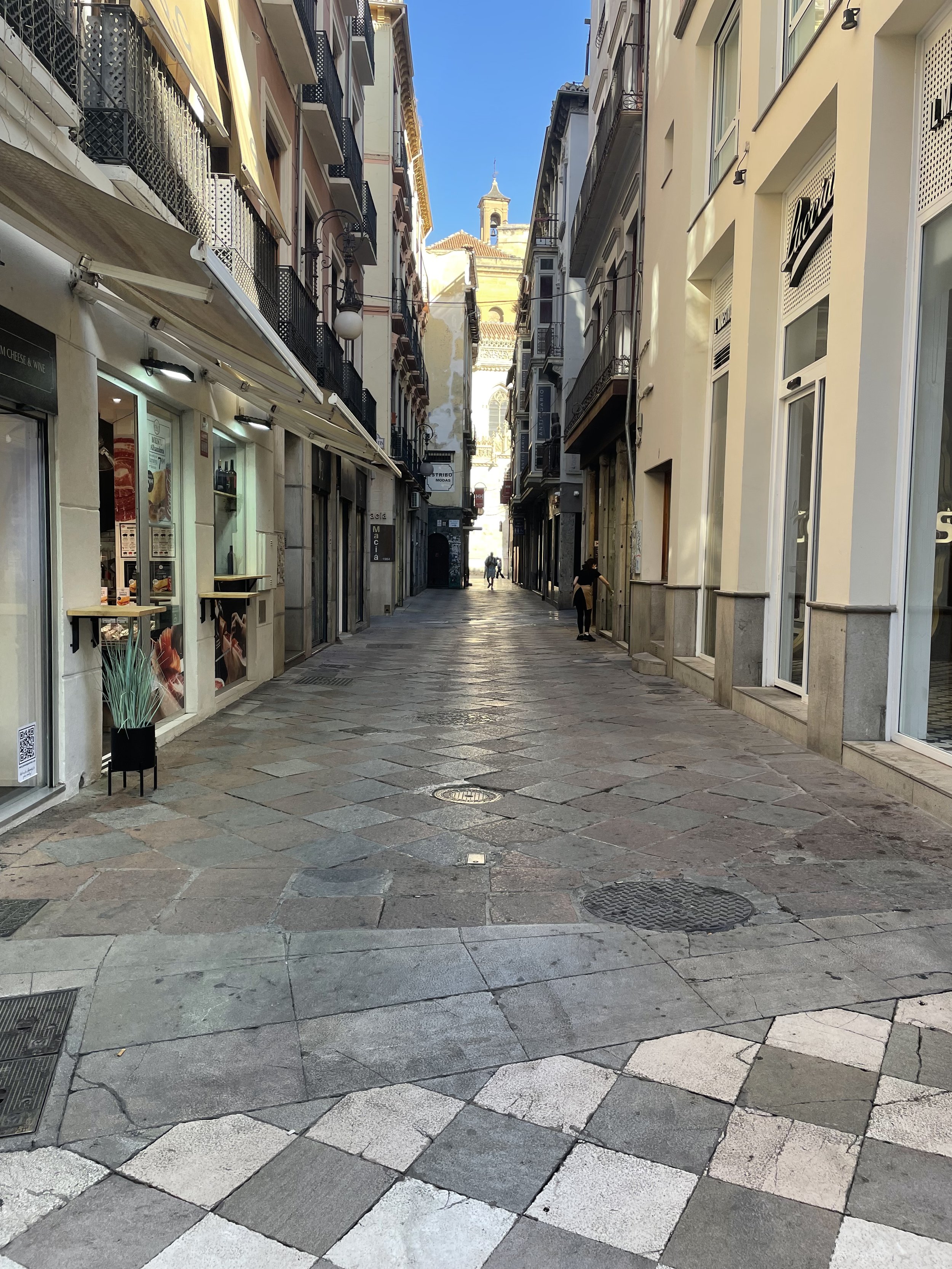
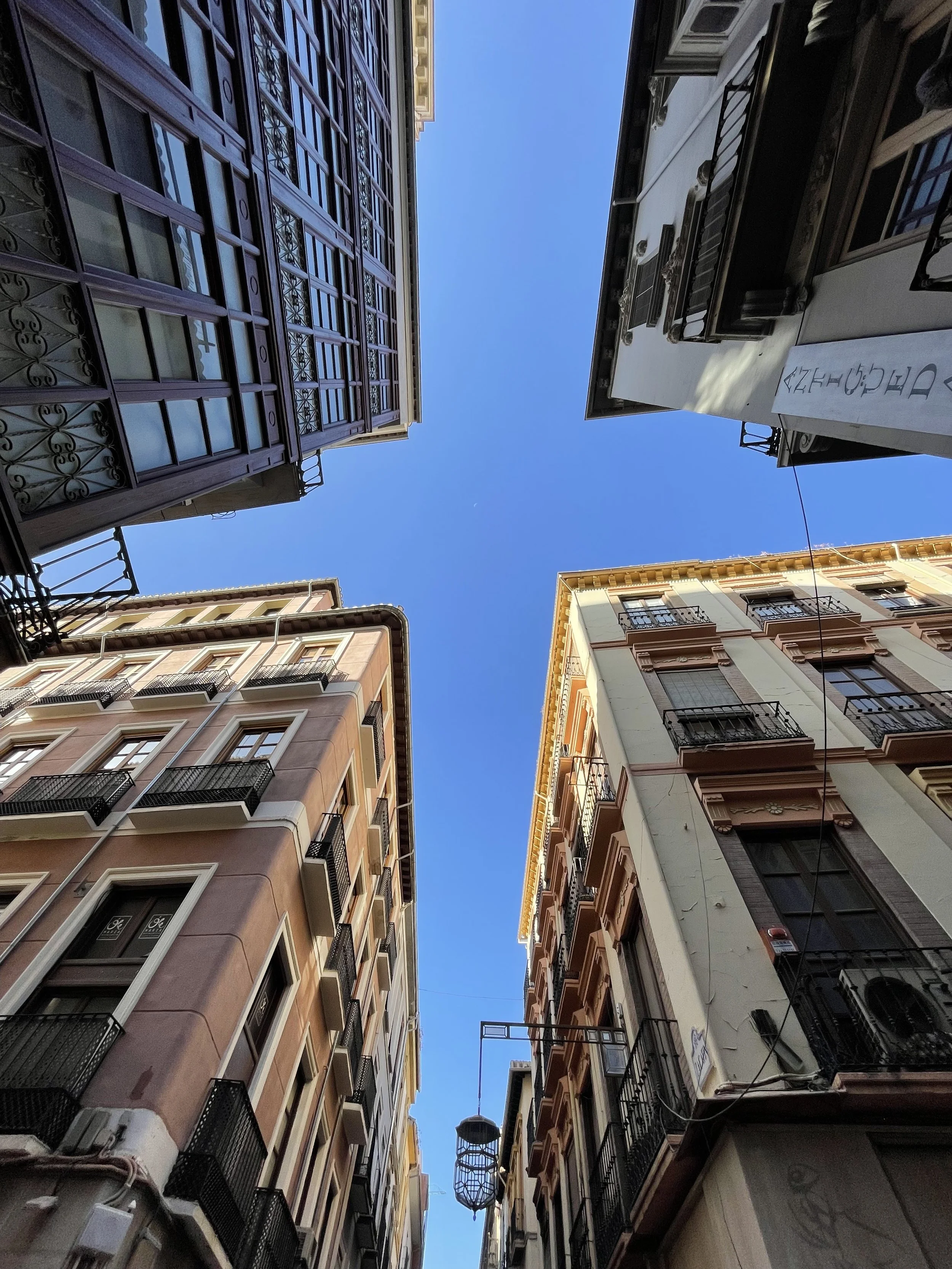
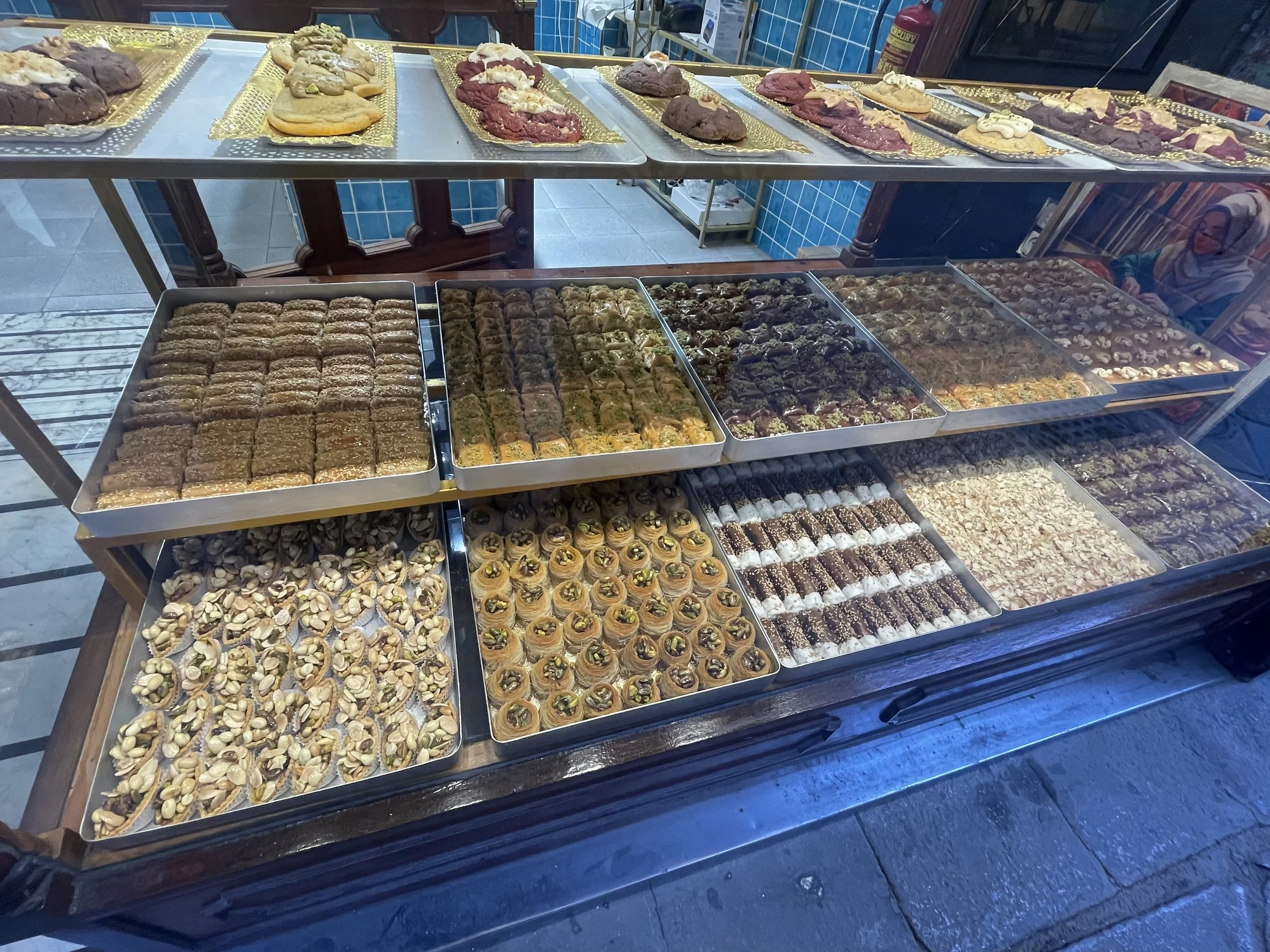
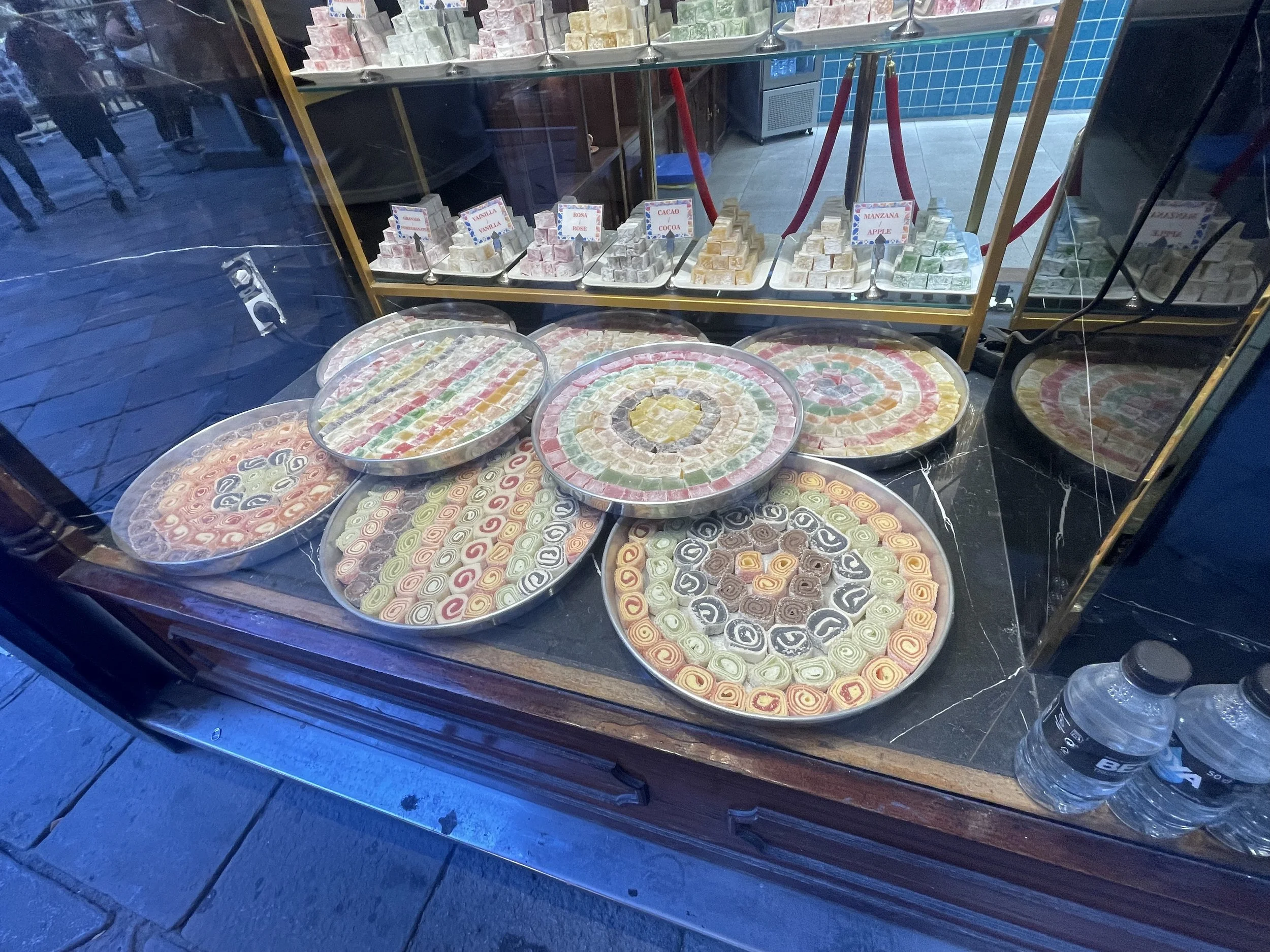
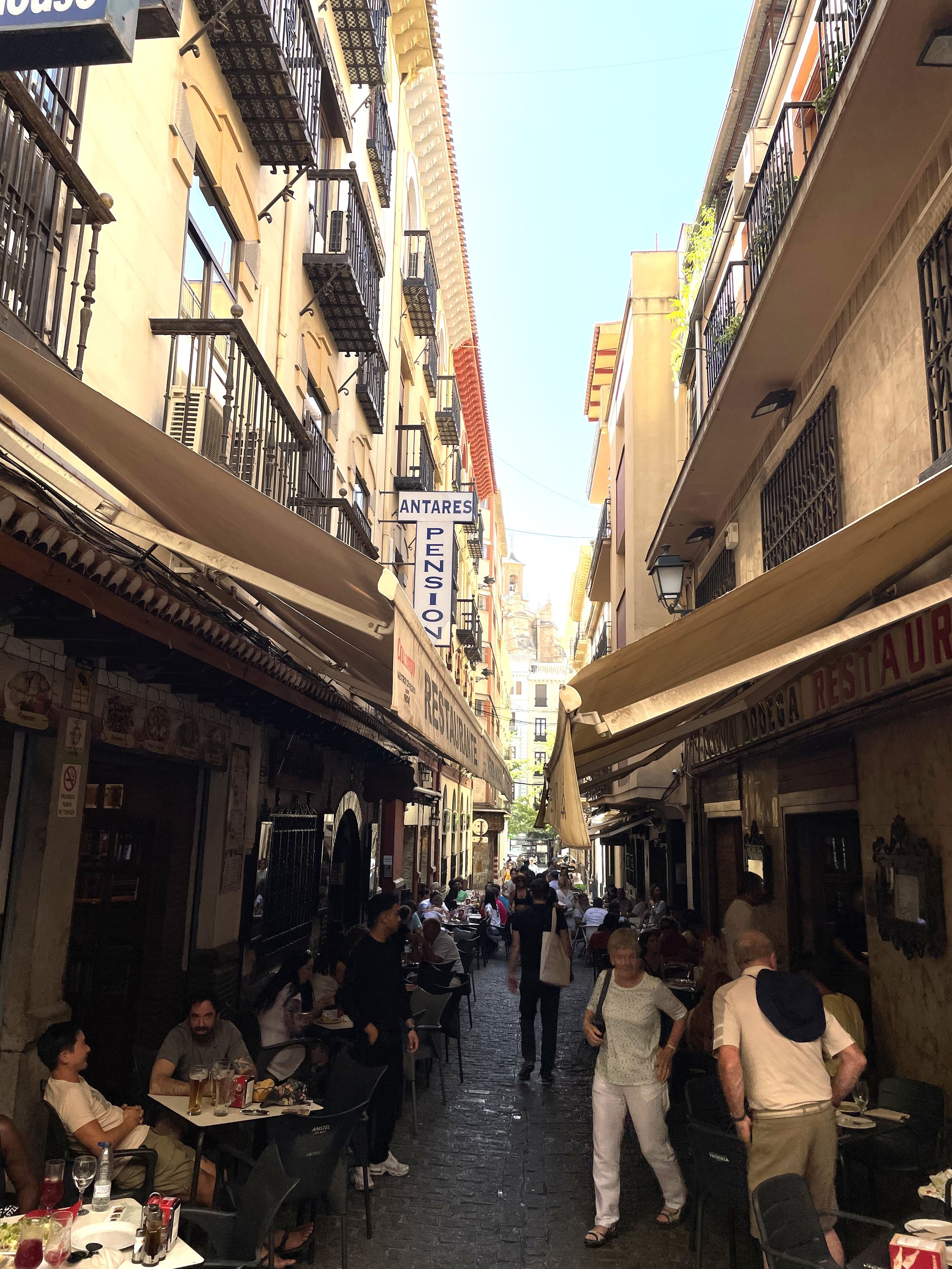
Walked and explored the streets of Granada
Cathedral of Granada. construction began in 1518
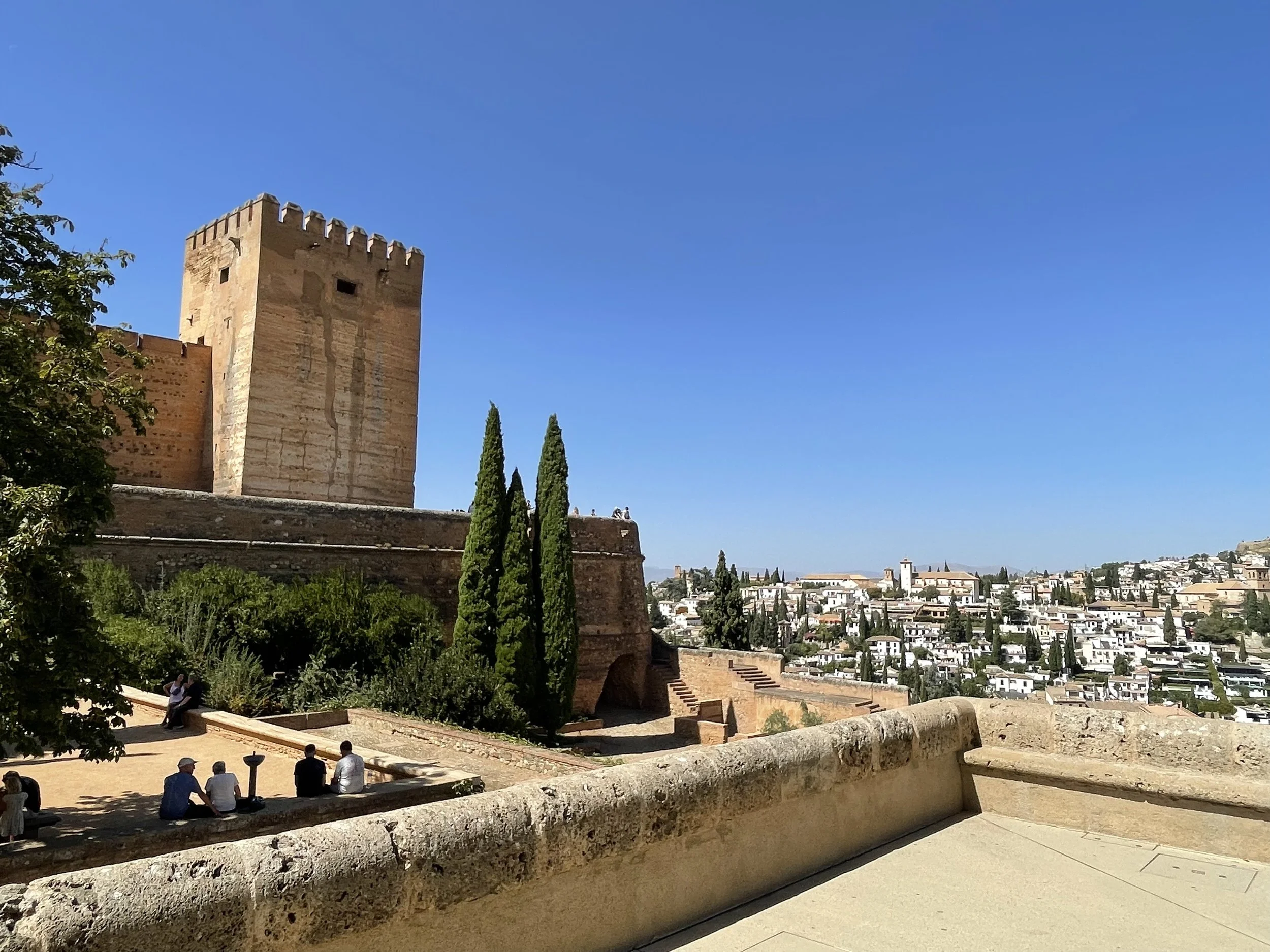
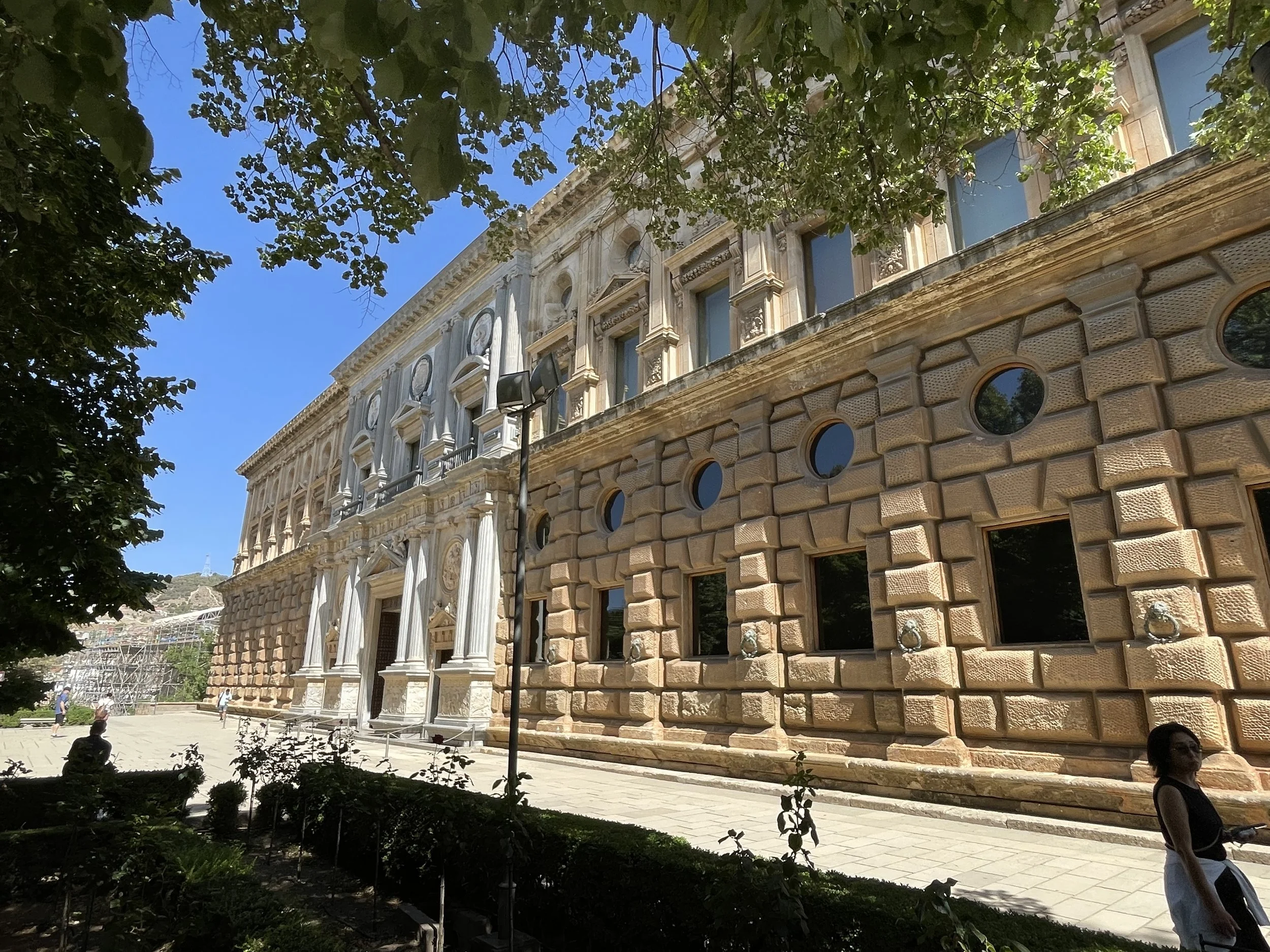
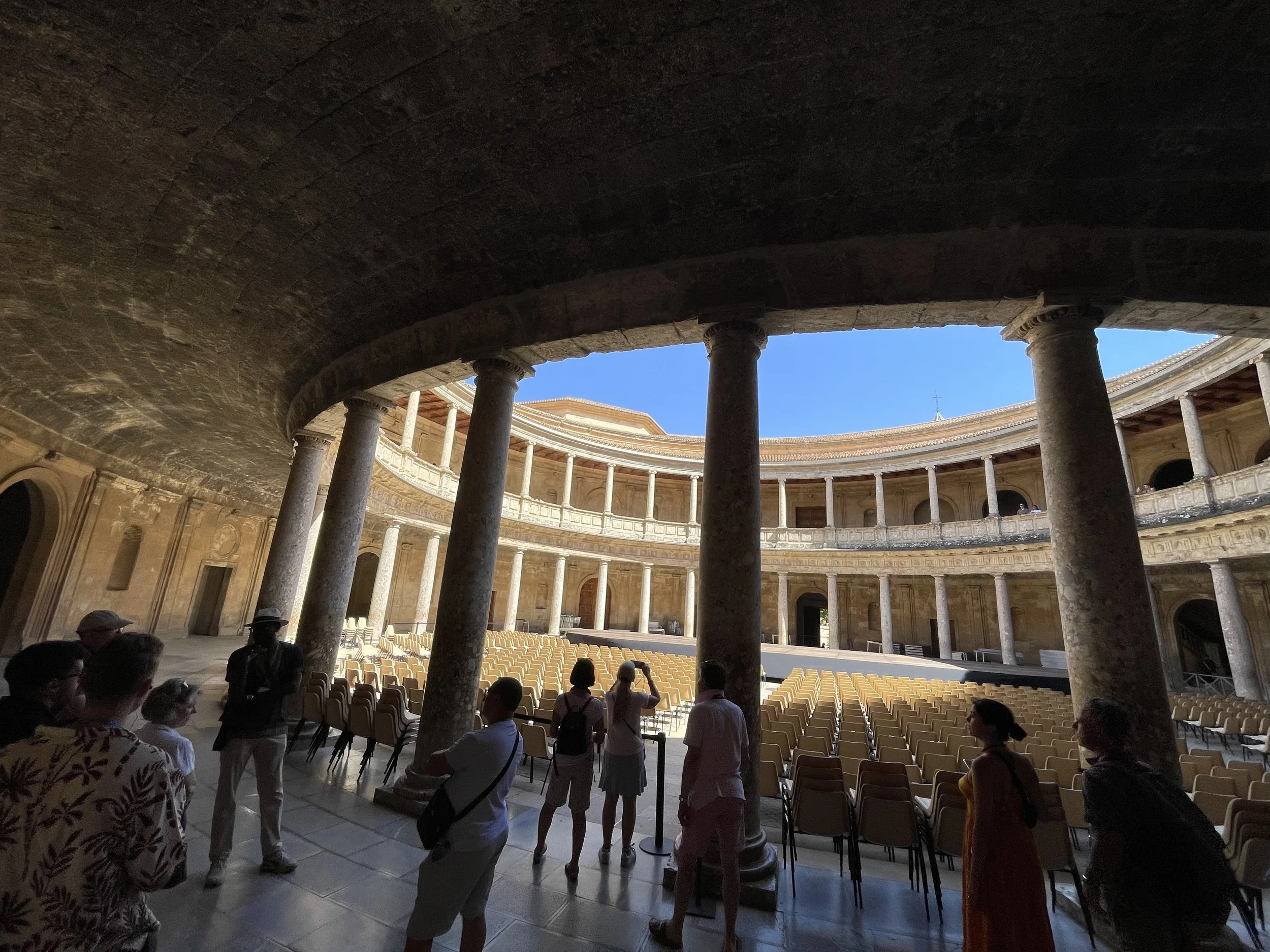
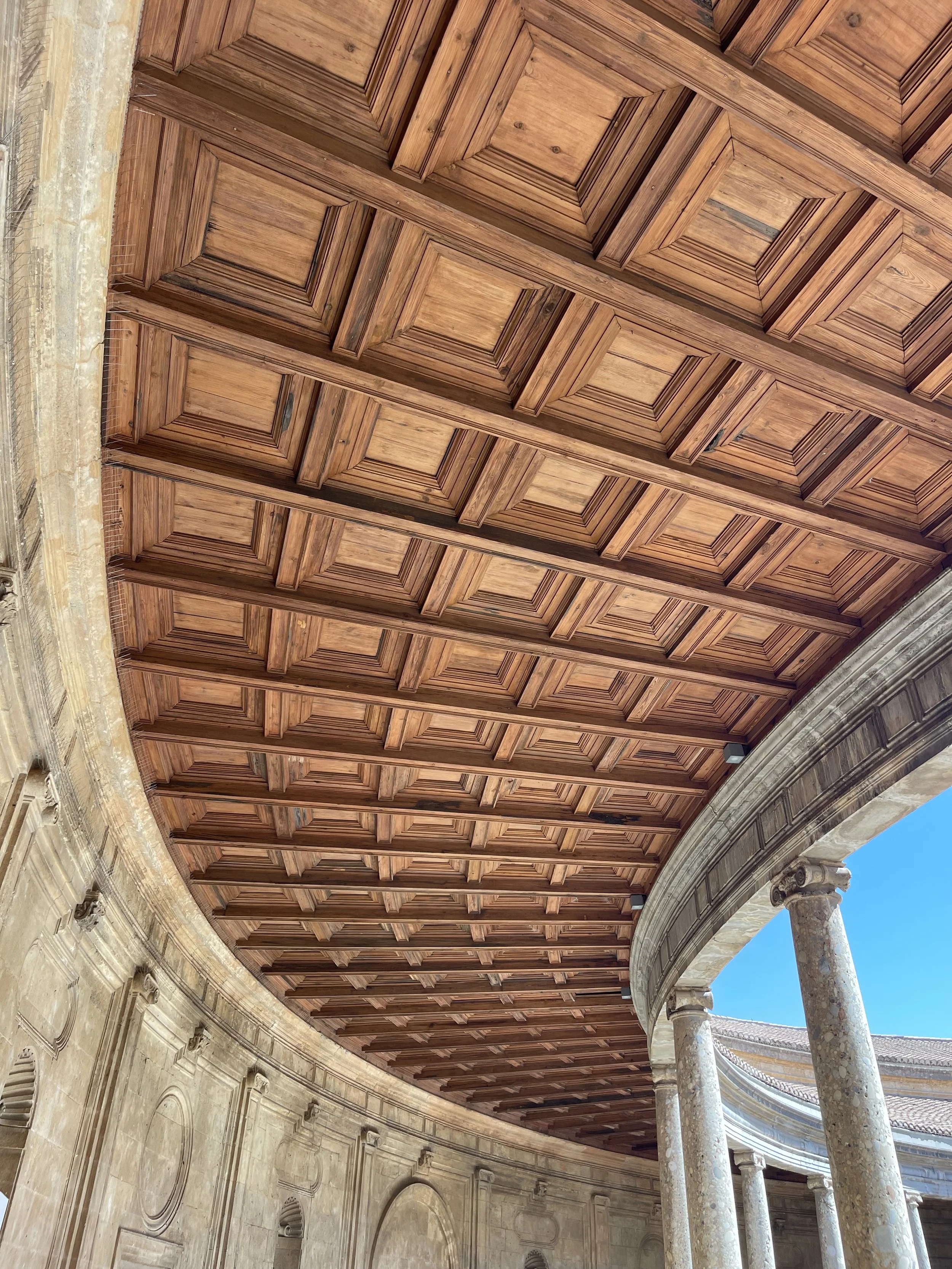
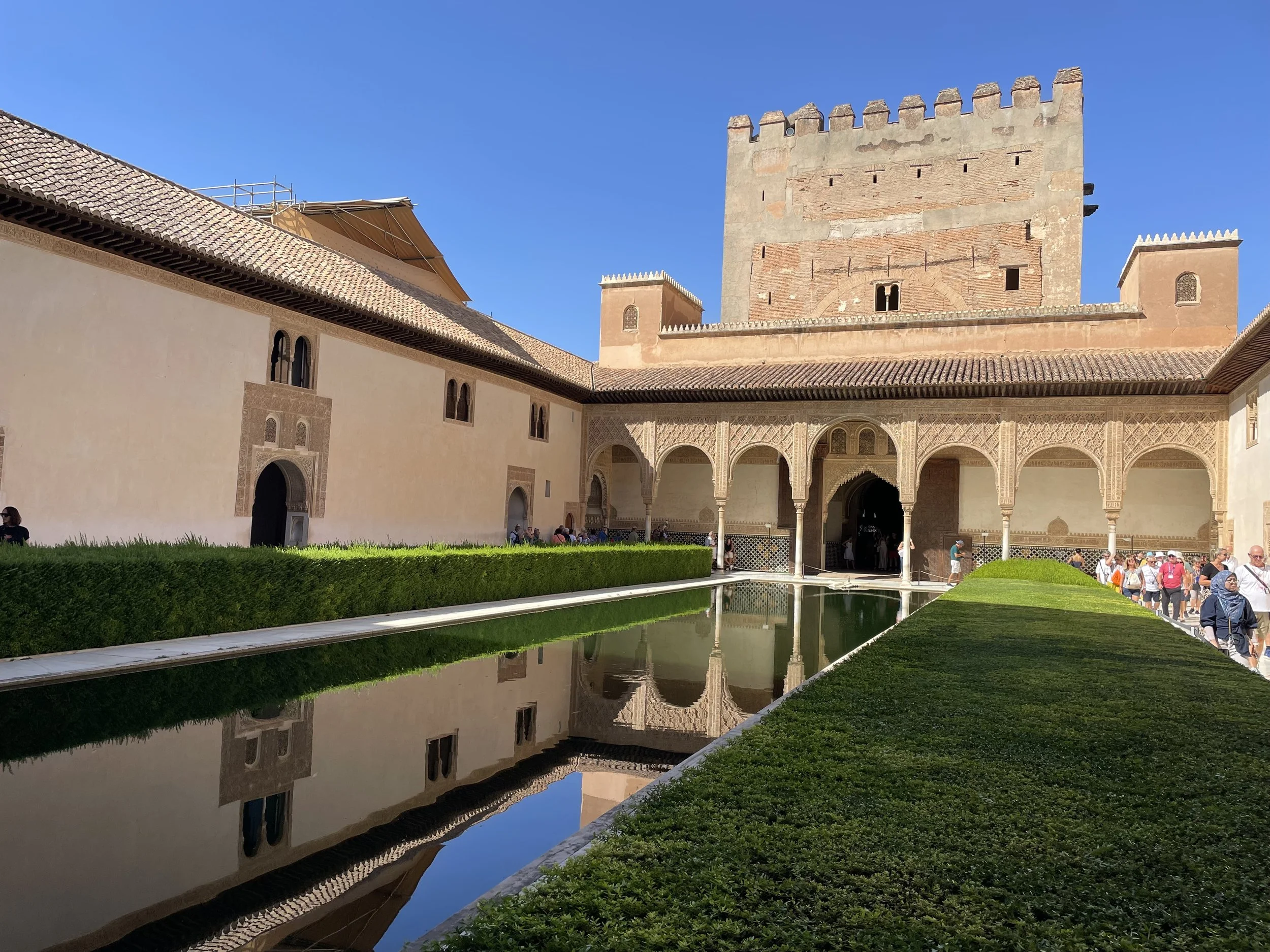
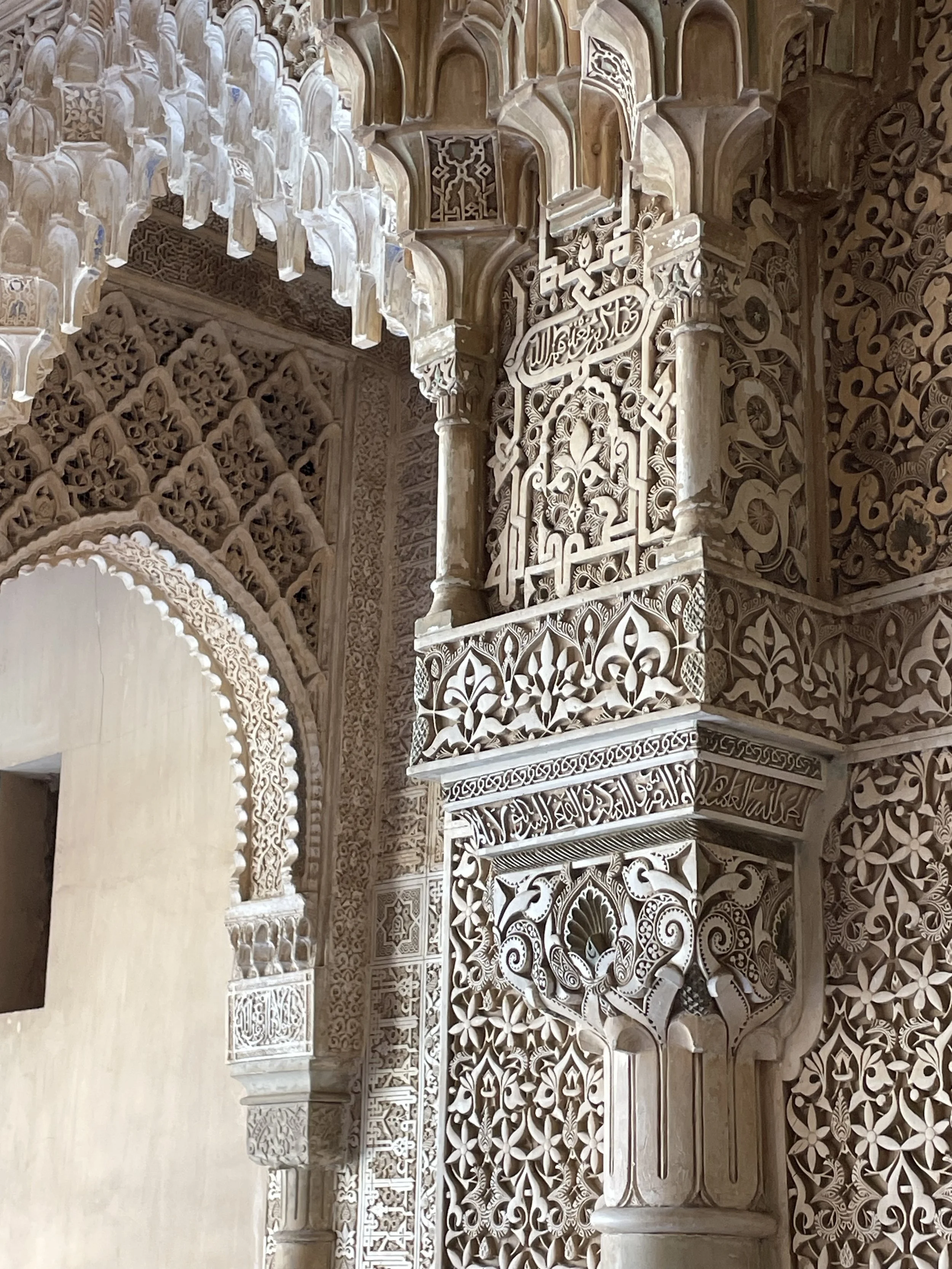
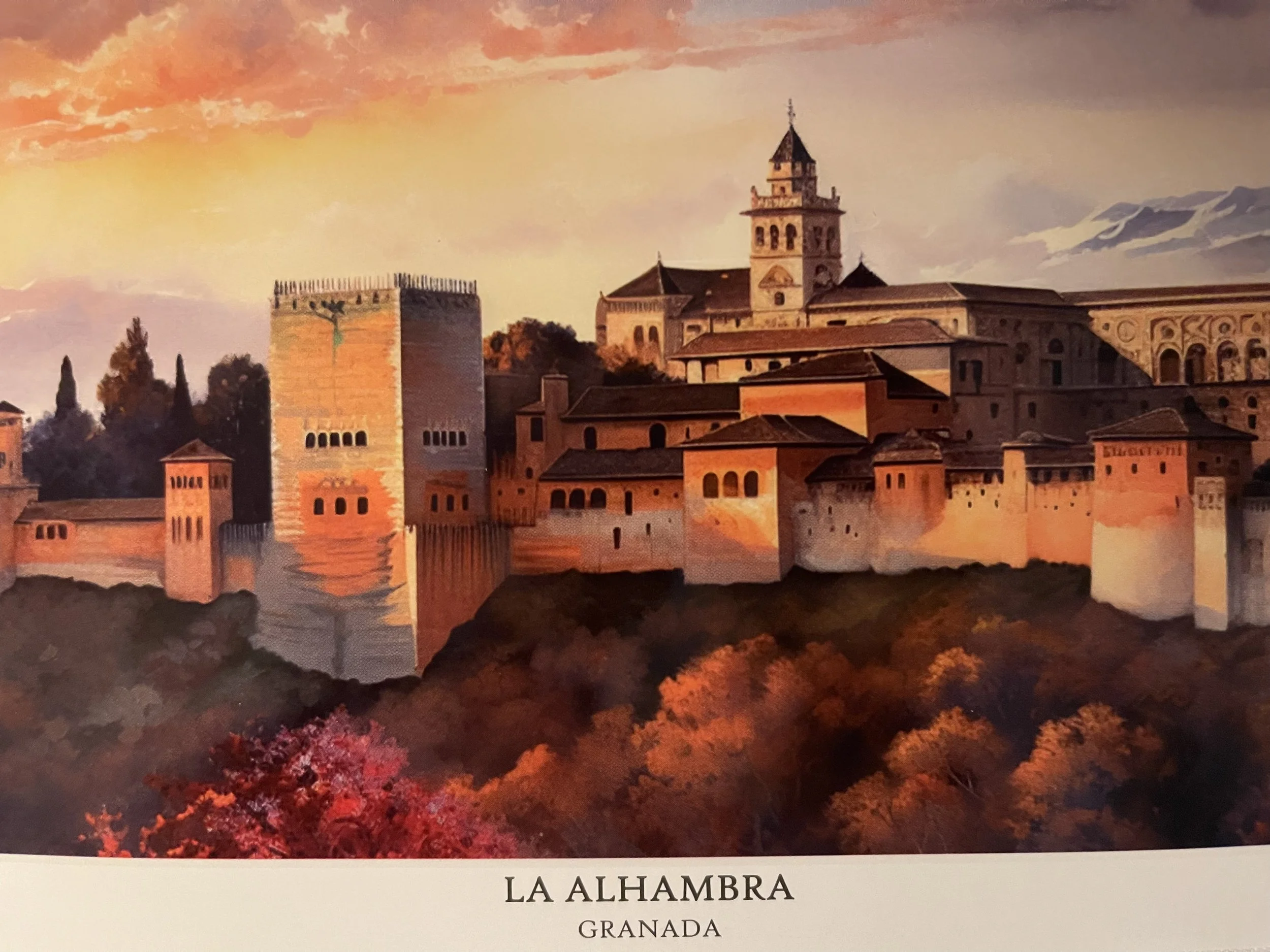
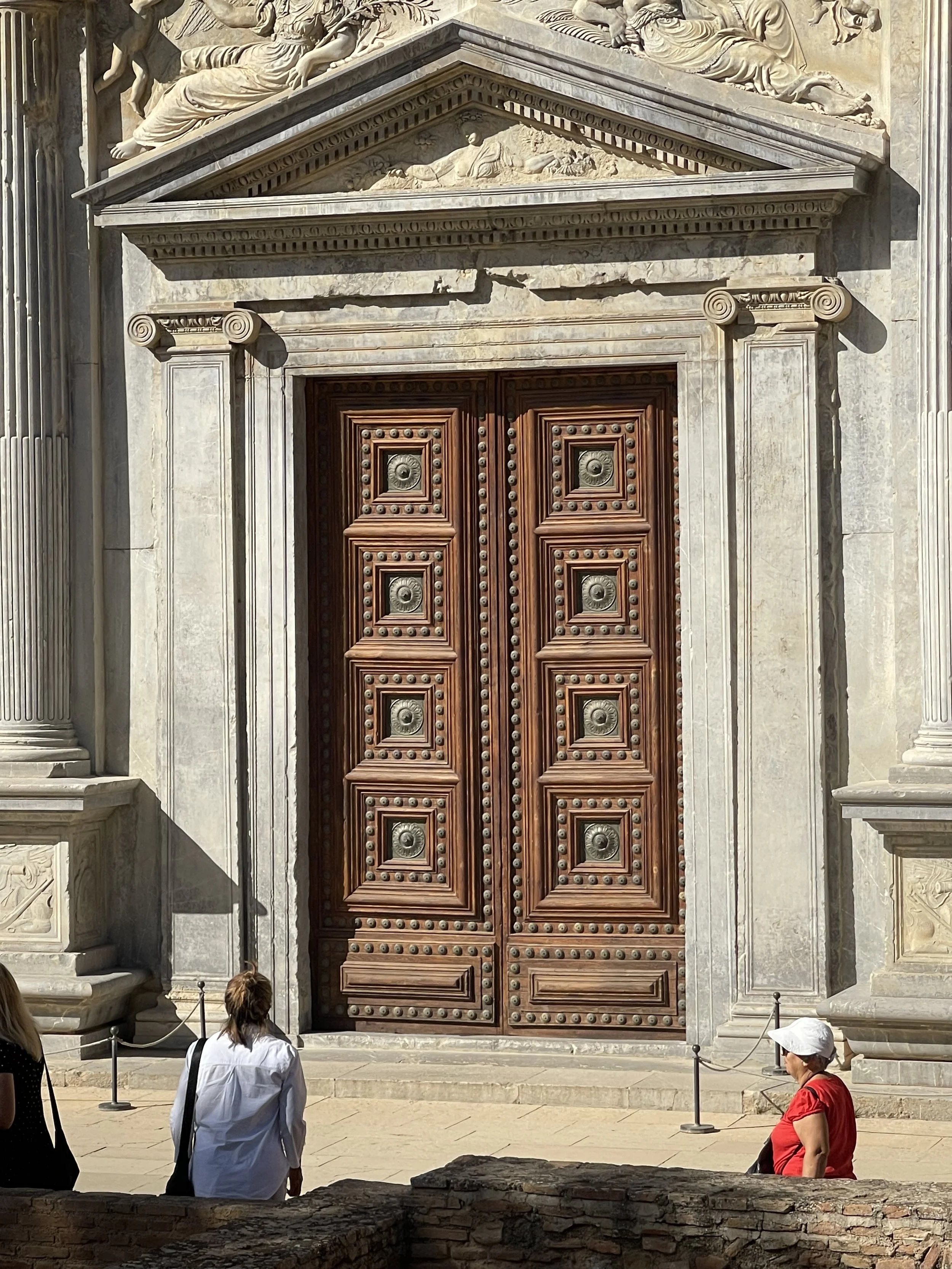
The Alhambra is a palace and fortress complex; one of the most famous monuments of Islamic architecture and contains notable examples of Spanish Renaissance architecture. The complex was begun in 1238 on the Sabika hill, an outcrop of the Sierra Nevada which had been the site of earlier fortresses. After the conclusion of the Christian Reconquista in 1492, the site became the Royal Court of Ferdinand and Isabella (where Christopher Columbus received royal endorsement for his expedition). In 1526, Charles V commissioned a new Renaissance-style palace in direct juxtaposition with the Nasrid palaces, but it was left uncompleted in the early 17th century. The site fell into disrepair and the troops of Napoleon destroyed parts of it in 1812. After this, the Alhambra became an attraction for British, American, and other European Romantic travelers. The most influential of them was Washington Irving, whose Tales of the Alhambra (1832) brought international attention to the site. It is now one of Spain's major tourist attractions and a UNESCO World Heritage Site.
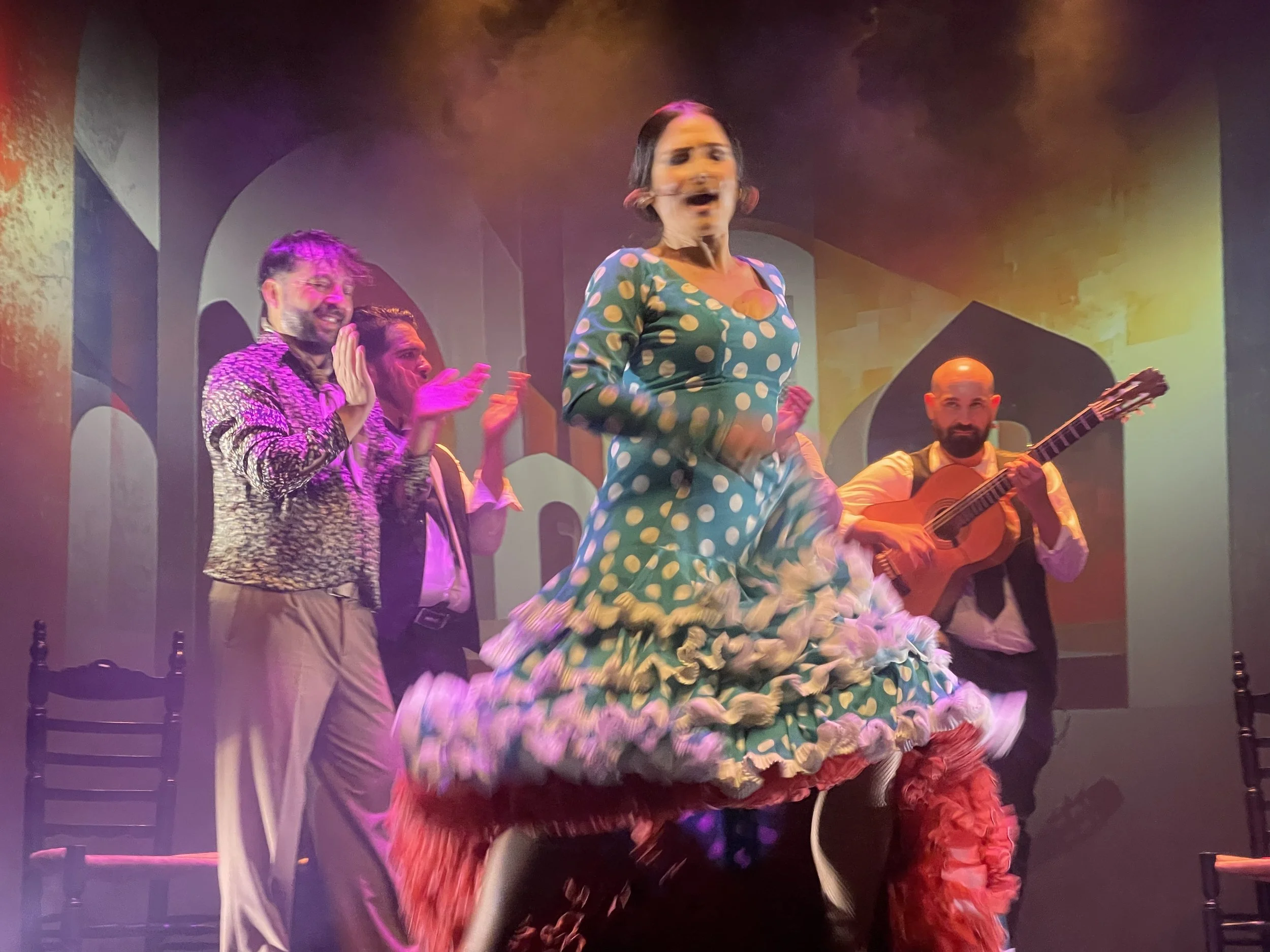
Flamenco show 9pm
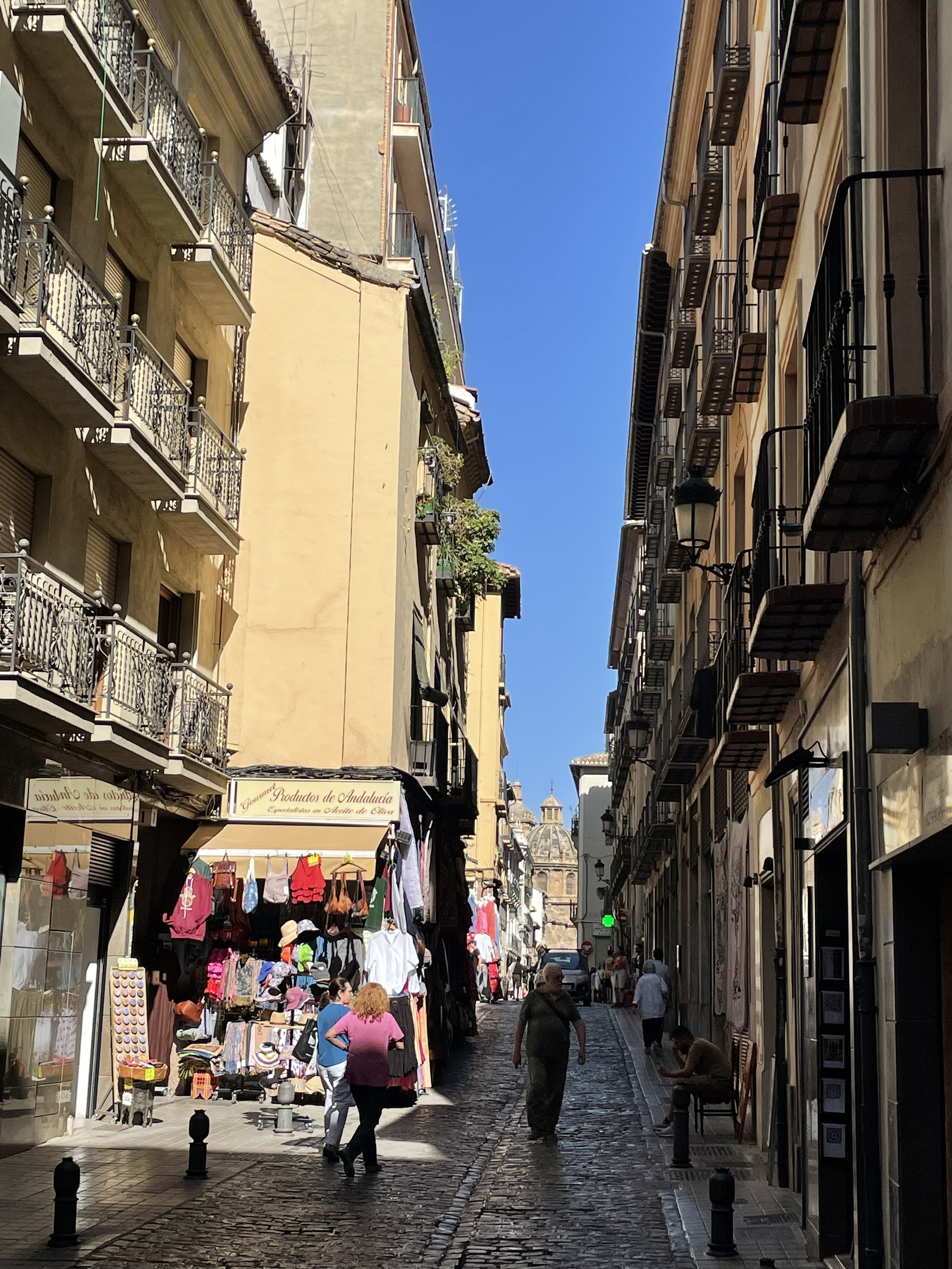
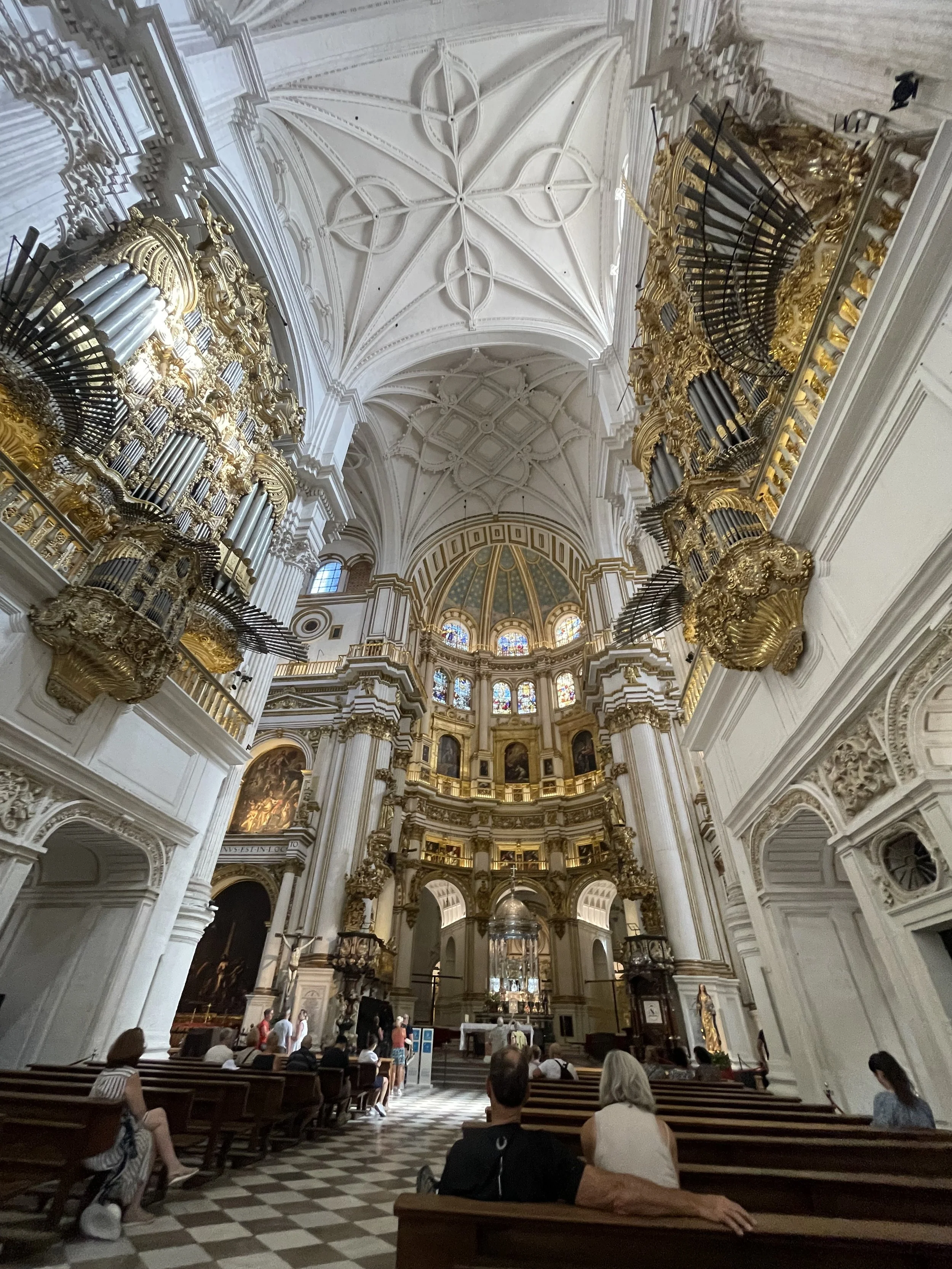
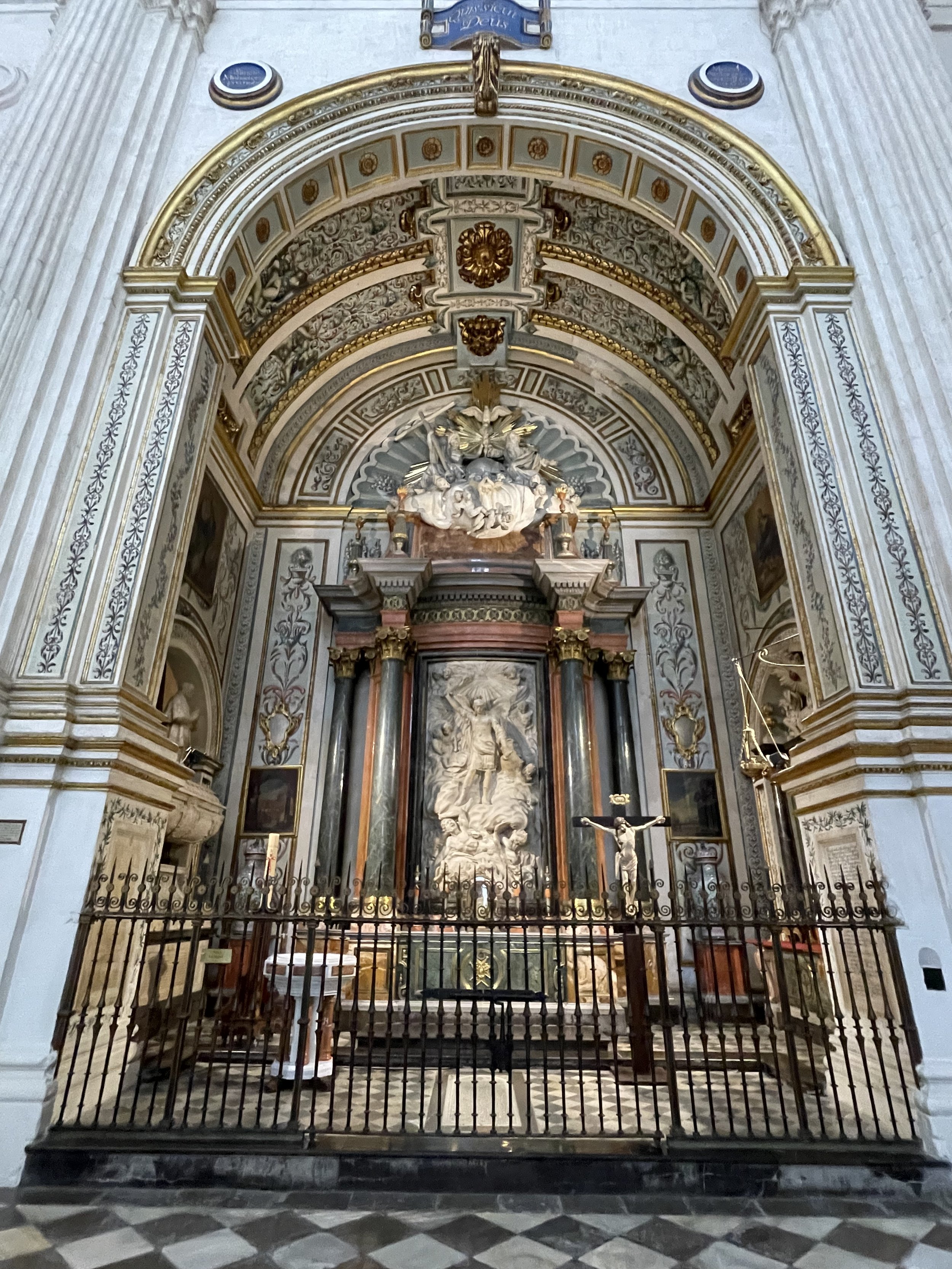
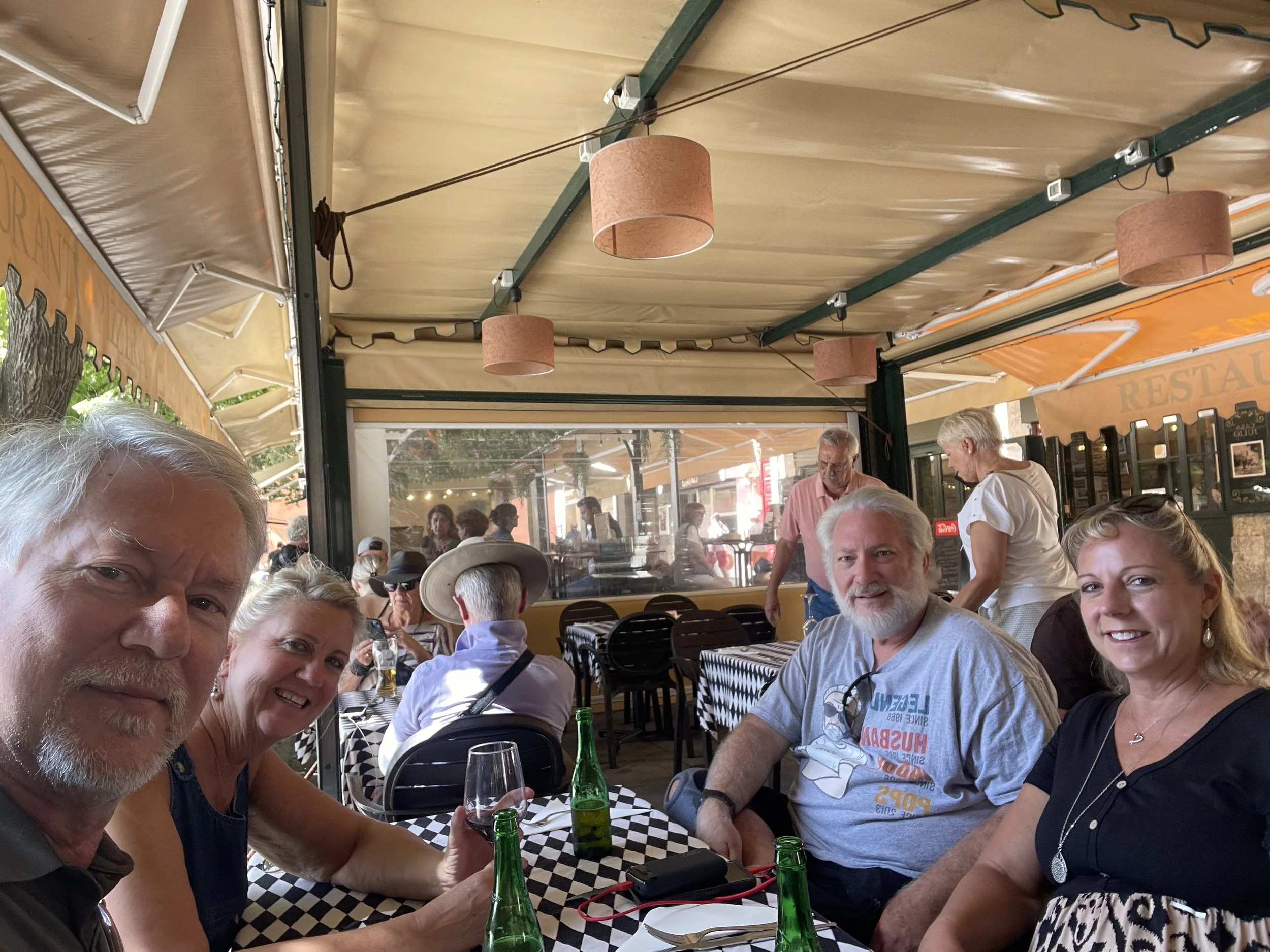
DAY 6
Wednesday September 17, 2025
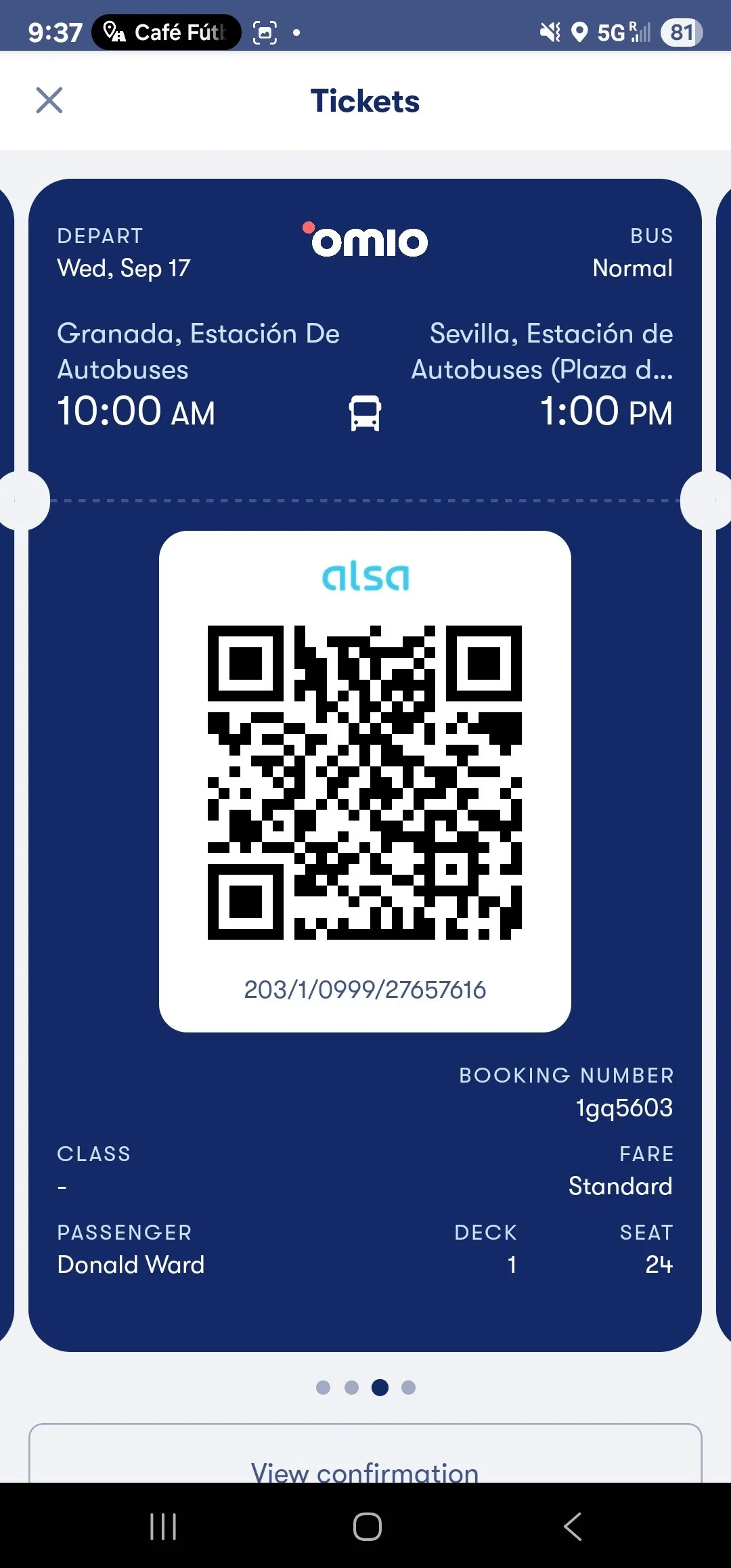
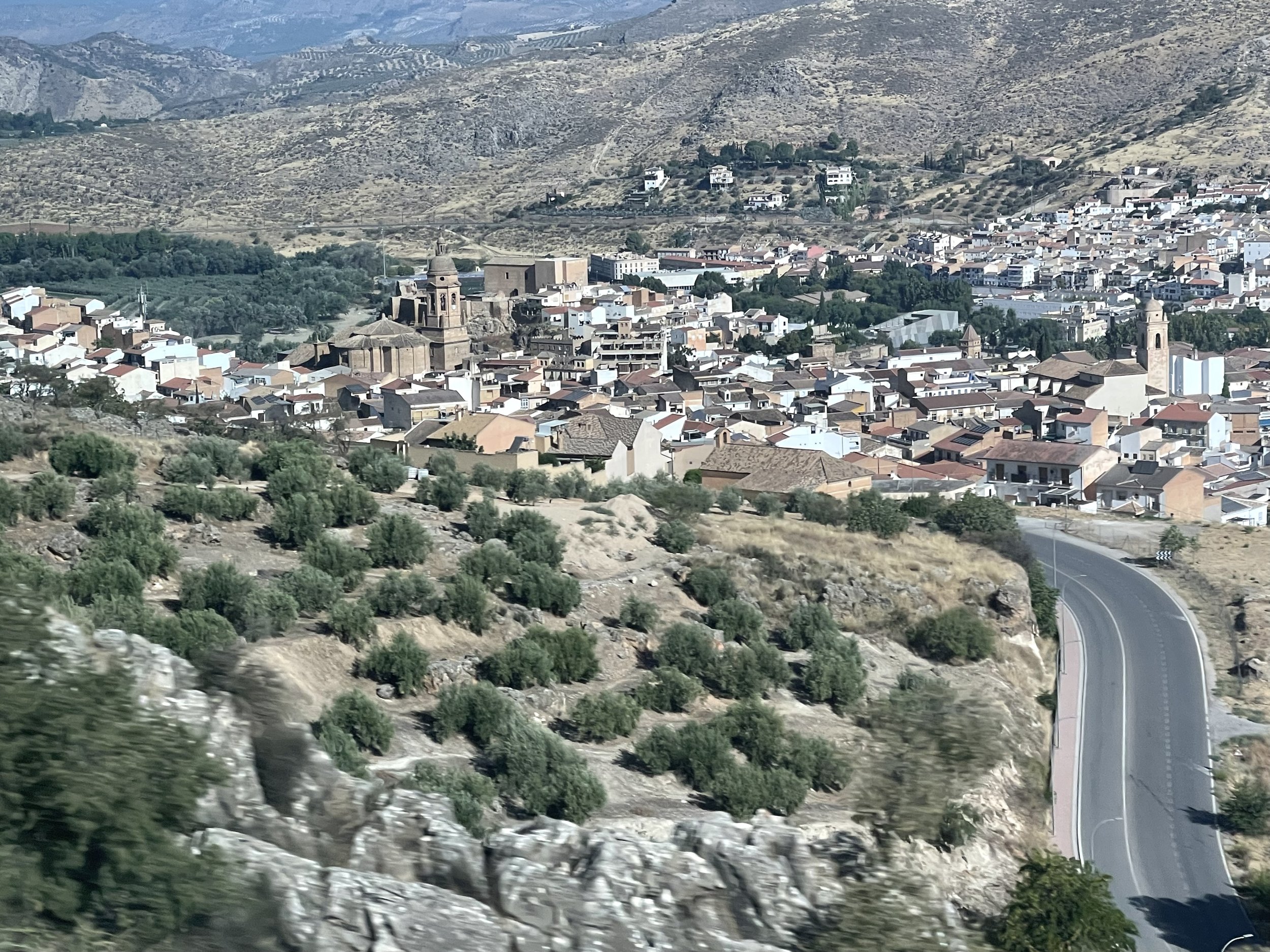
Taxi to bus station. Bus trip to Seville. Arrive about 1pm.
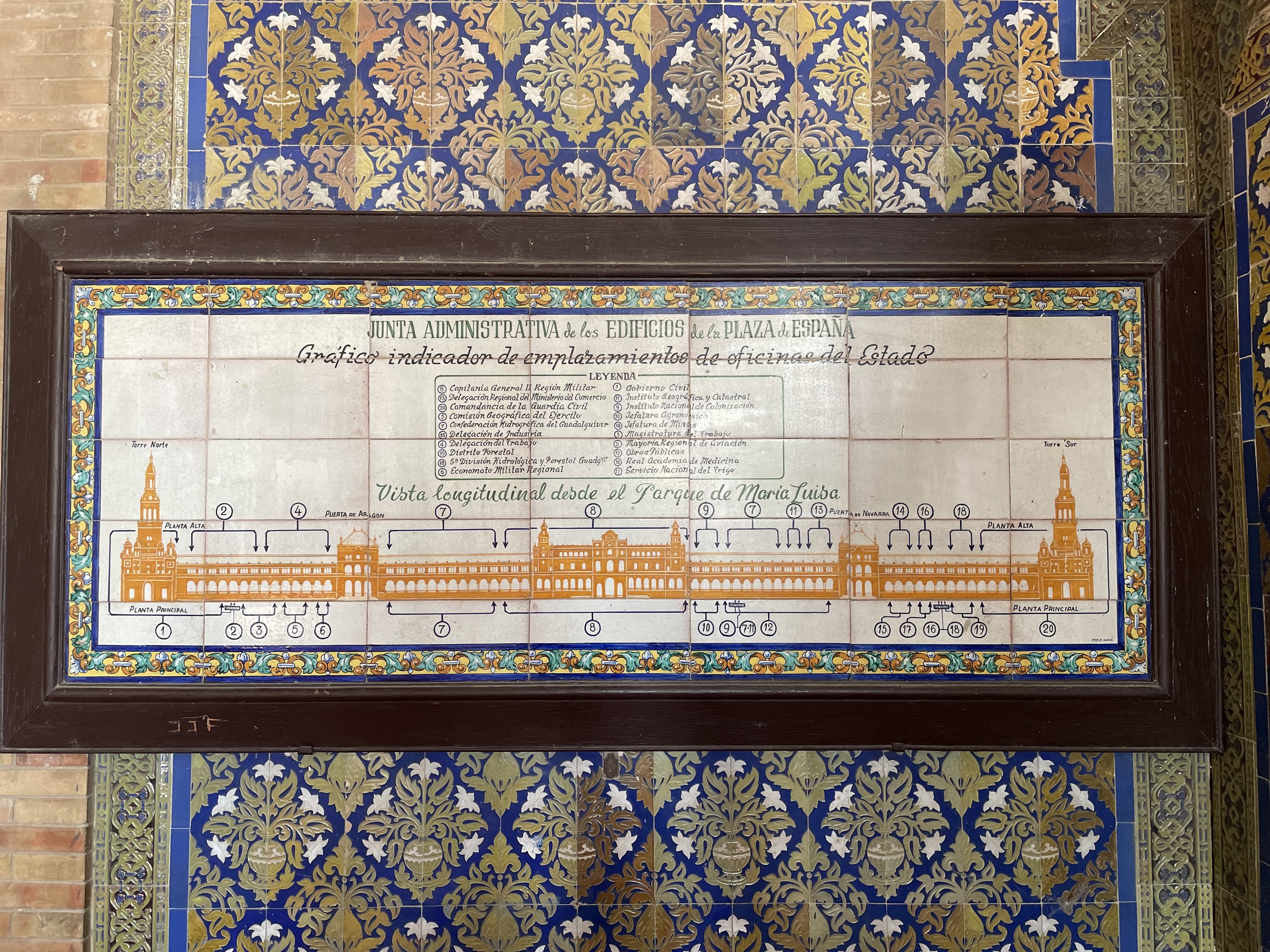
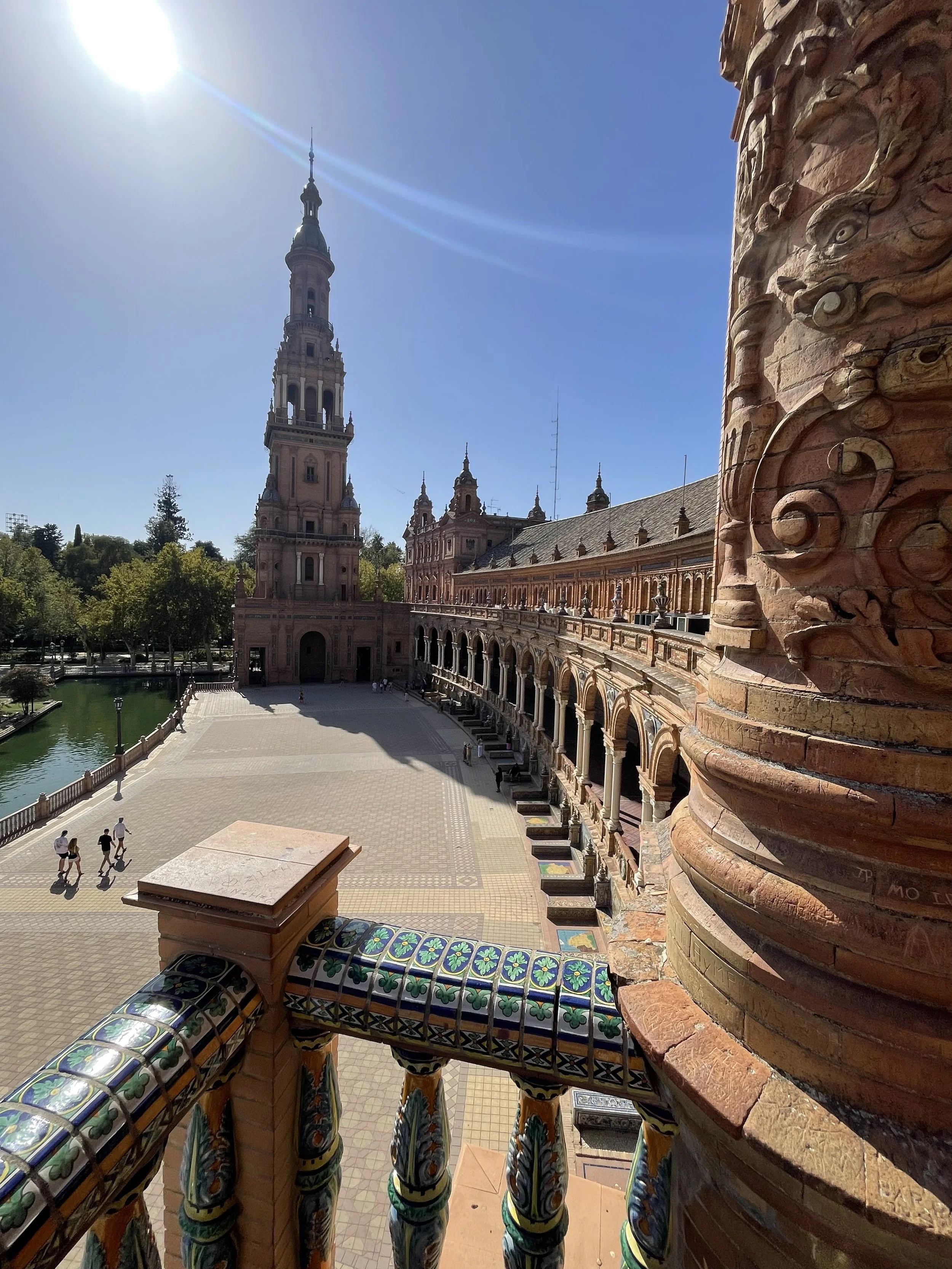
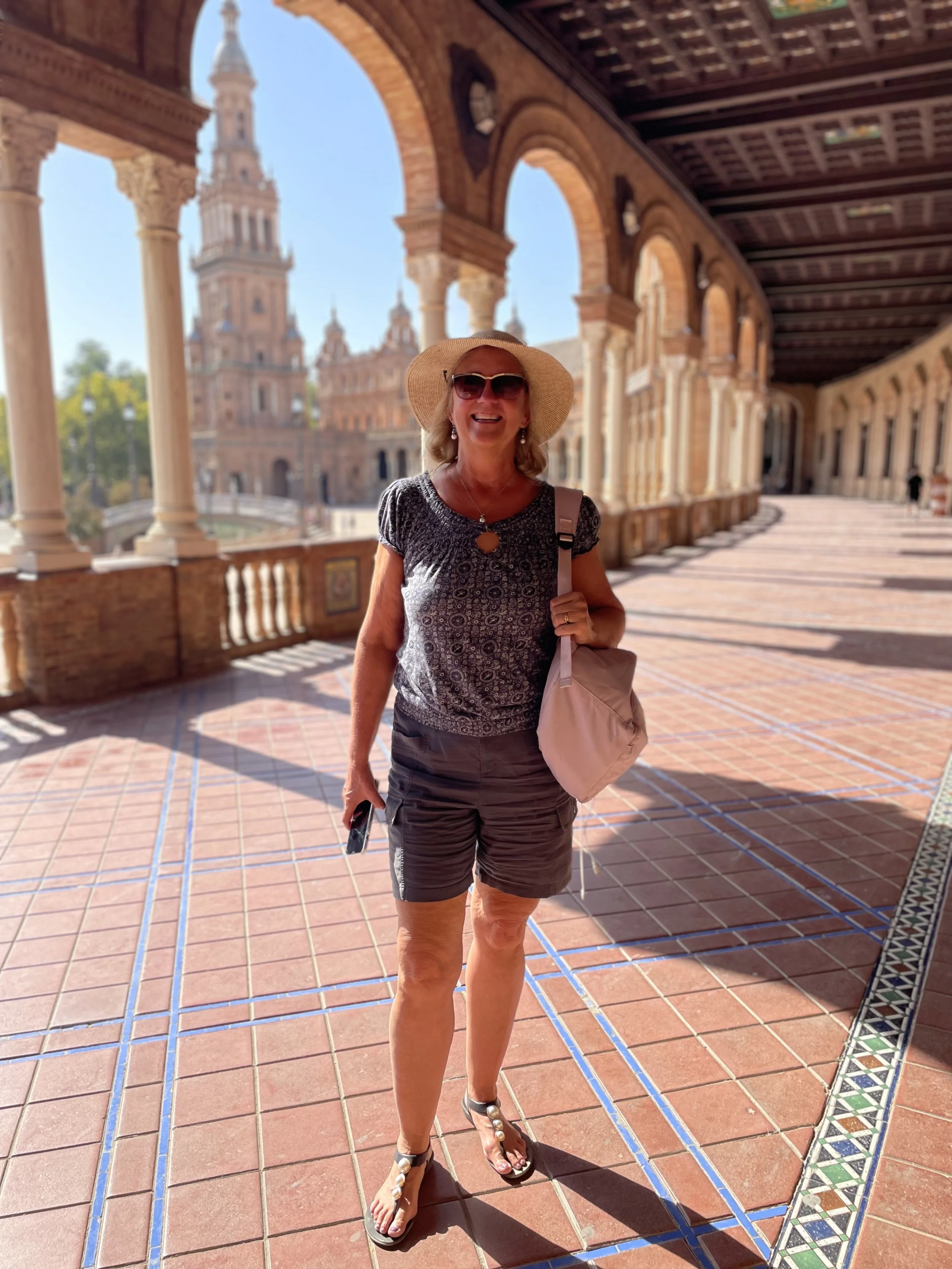
The Plaza de España ("Spain Square") is a plaza in the Parque de María Luisa (Maria Luisa Park) built in 1928 for the Ibero-American Exposition of 1929. It is a landmark example of Regionalism Architecture, mixing elements of the Baroque Revival, Renaissance Revival and Moorish Revival (Neo-Mudéjar) styles of Spanish architecture.
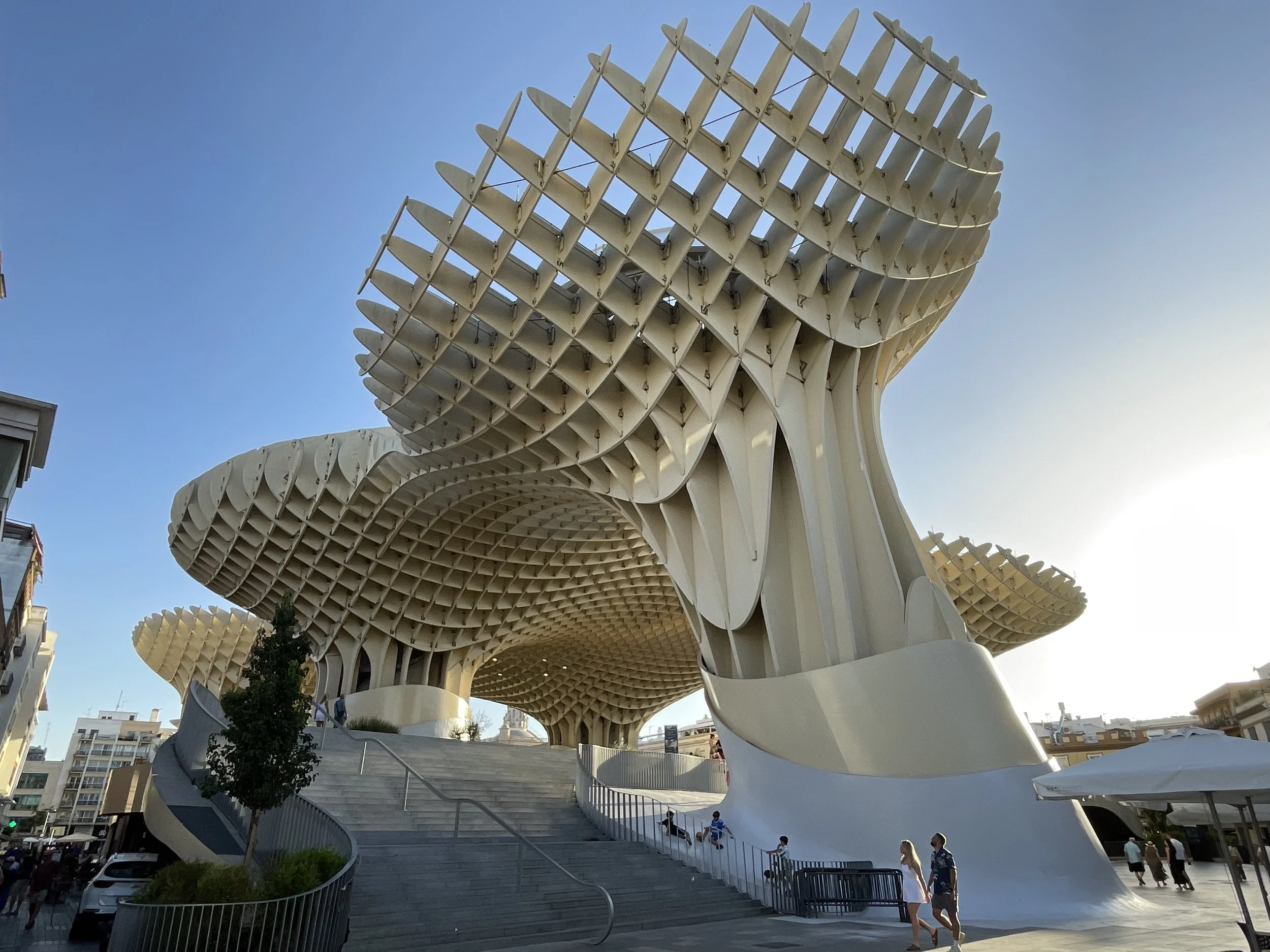
Setas de Sevilla ("Mushrooms of Seville"), initially titled Metropol Parasol, is a large, predominantly wood structure. It accommodates a traditional market, restaurants, a performance square, archaeological museum, and 'rooftop' terrace with a panoramic view of Seville's old city. Completed in April 2011, and constructed of 3,500 cubic meters of micro-laminated Finnish pine, it is marketed as the world's largest wooden structure.
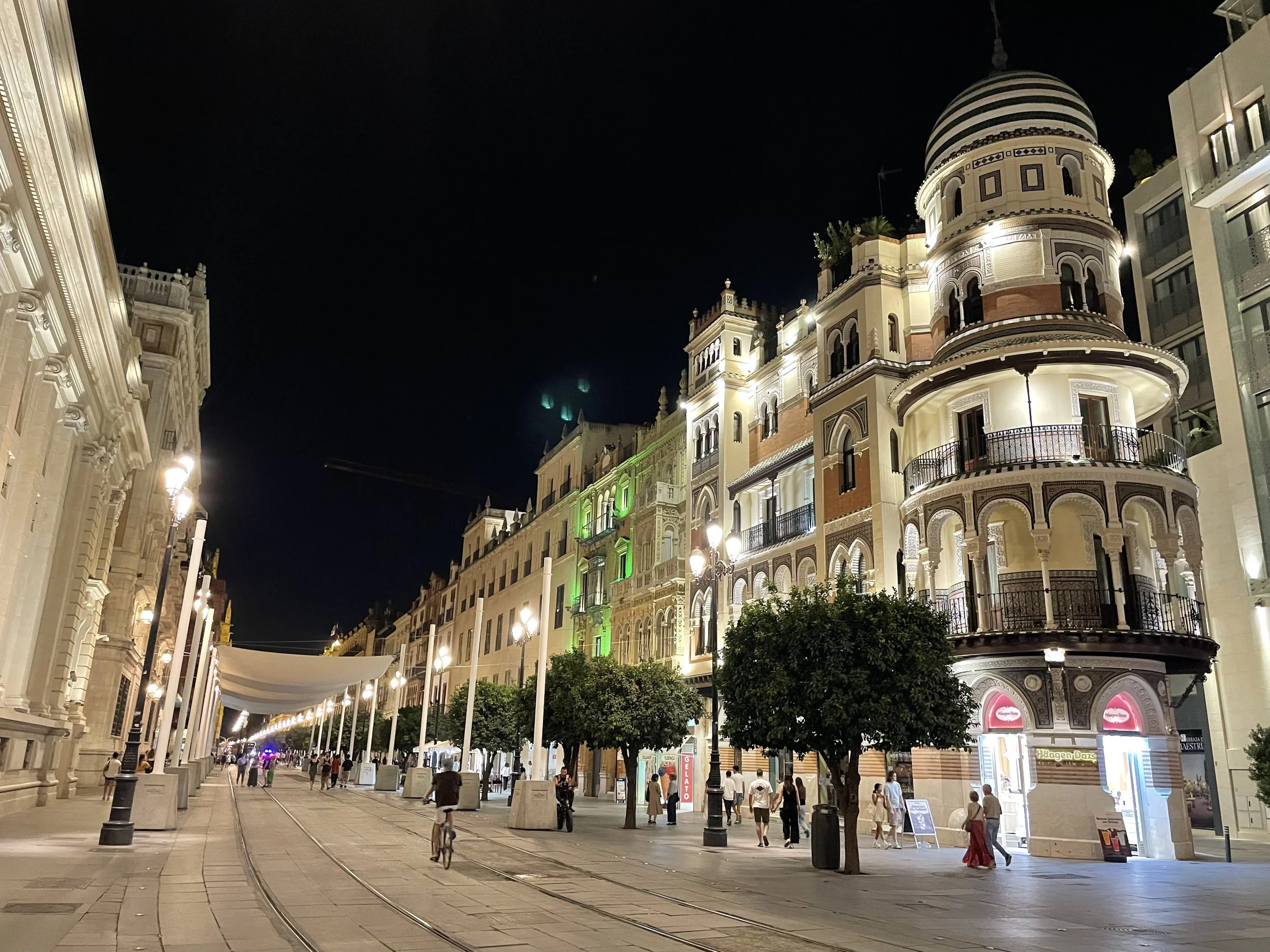
We stayed for hours at Setas de Seville. We didn’t get back to our room until midnight.
DAY 7
Thursday September 18, 2025
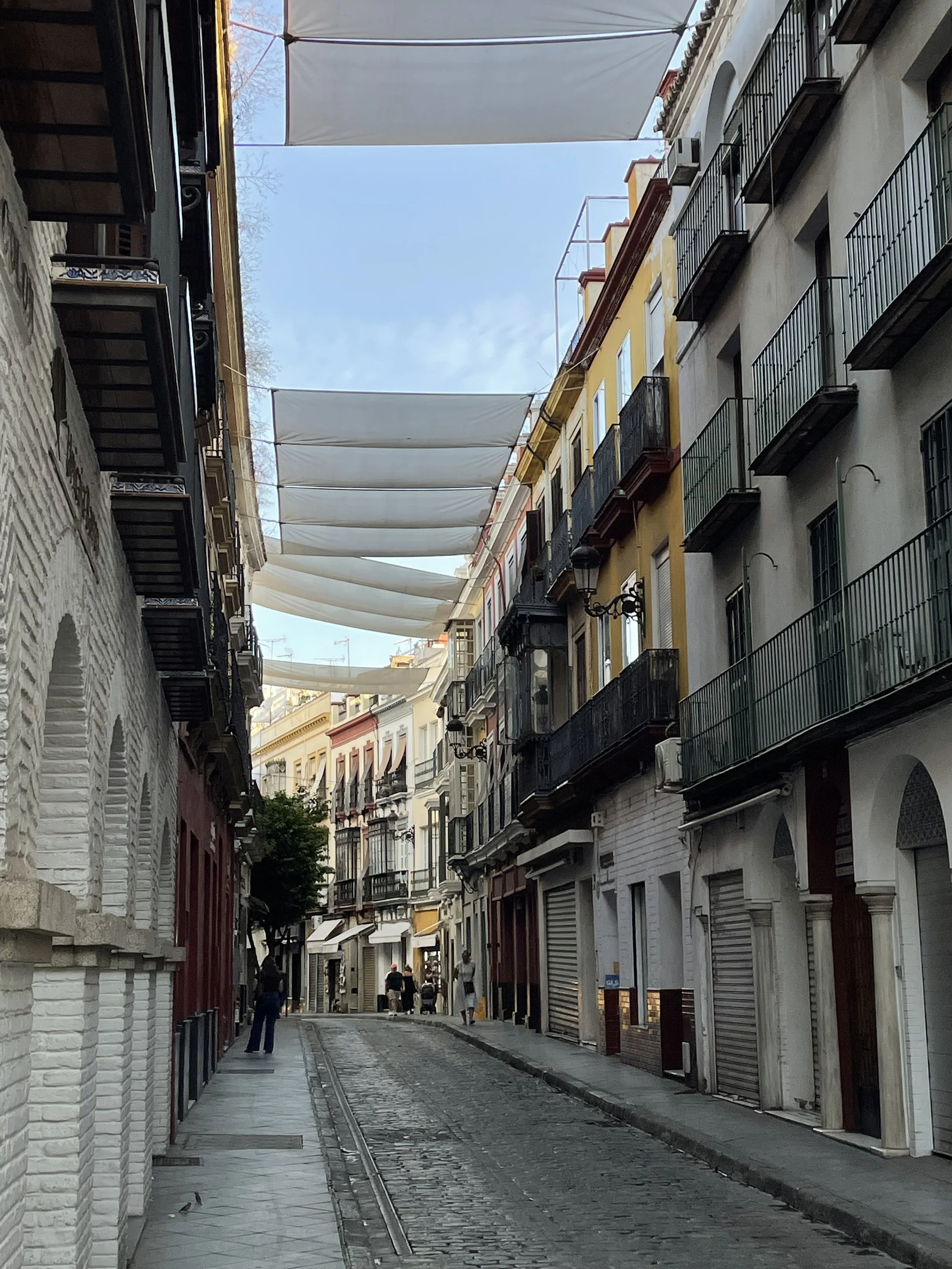
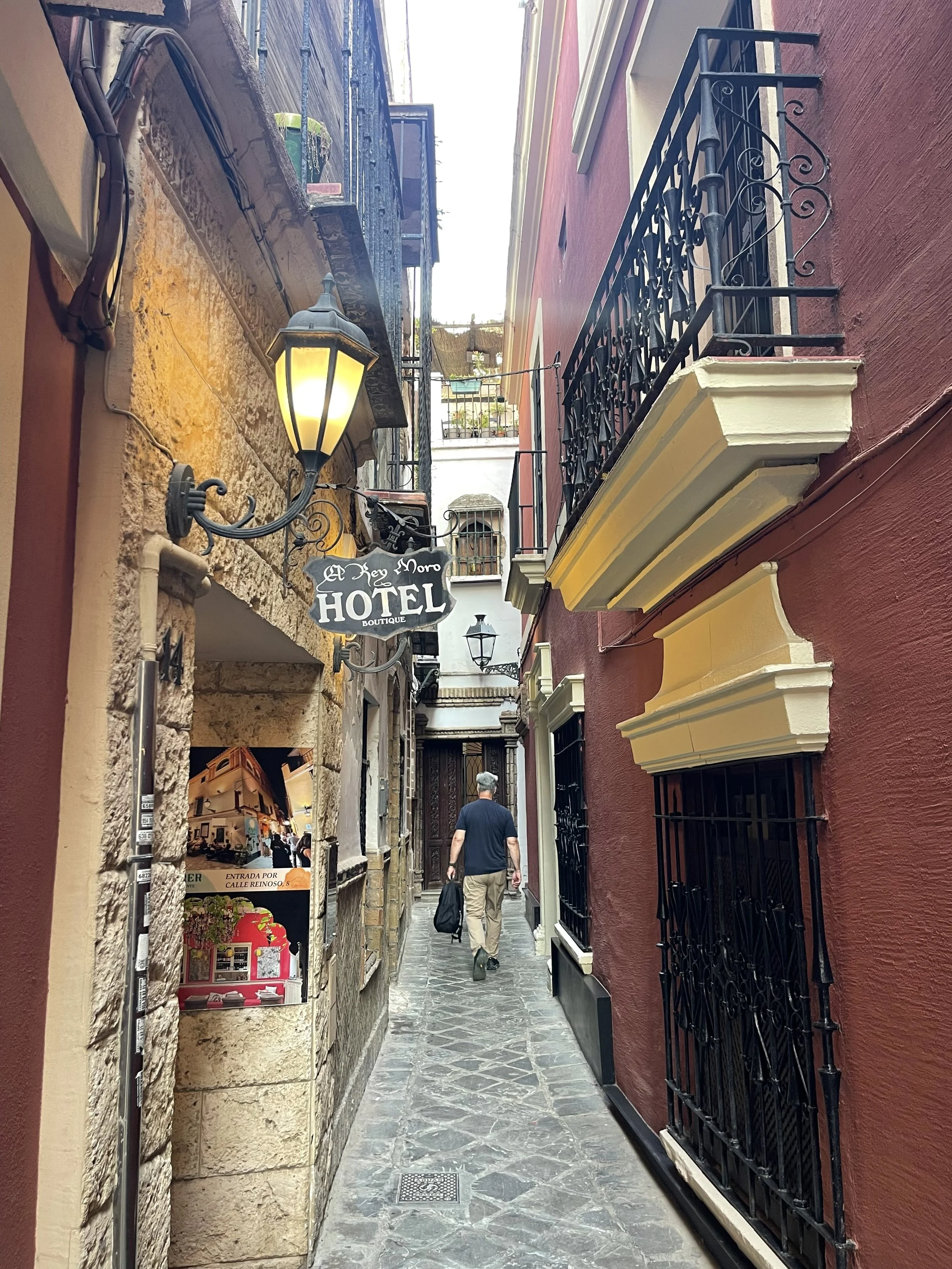
Barrio Santa Cruz - old town, city center & the Jewish quarter of Seville Spain
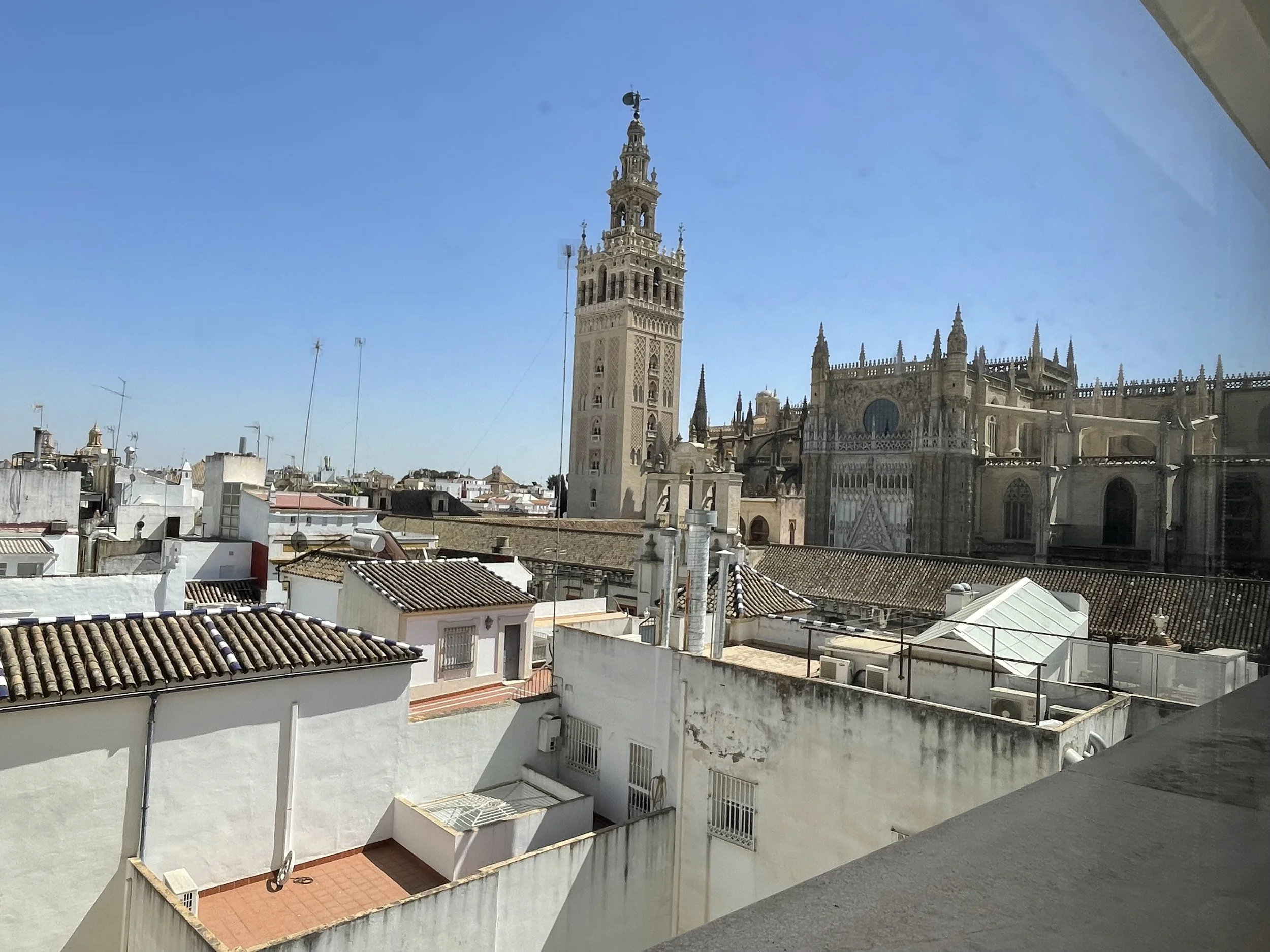
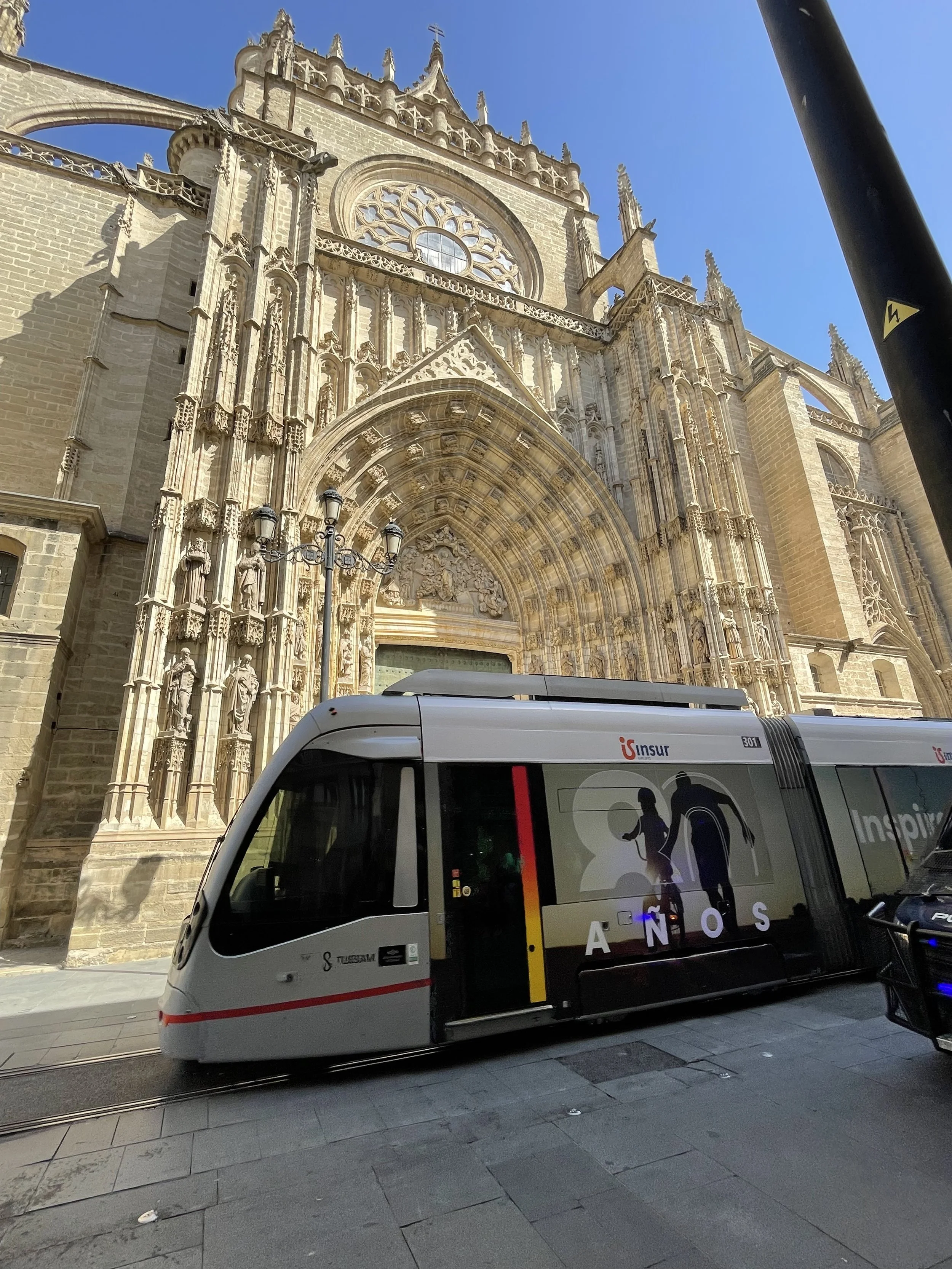
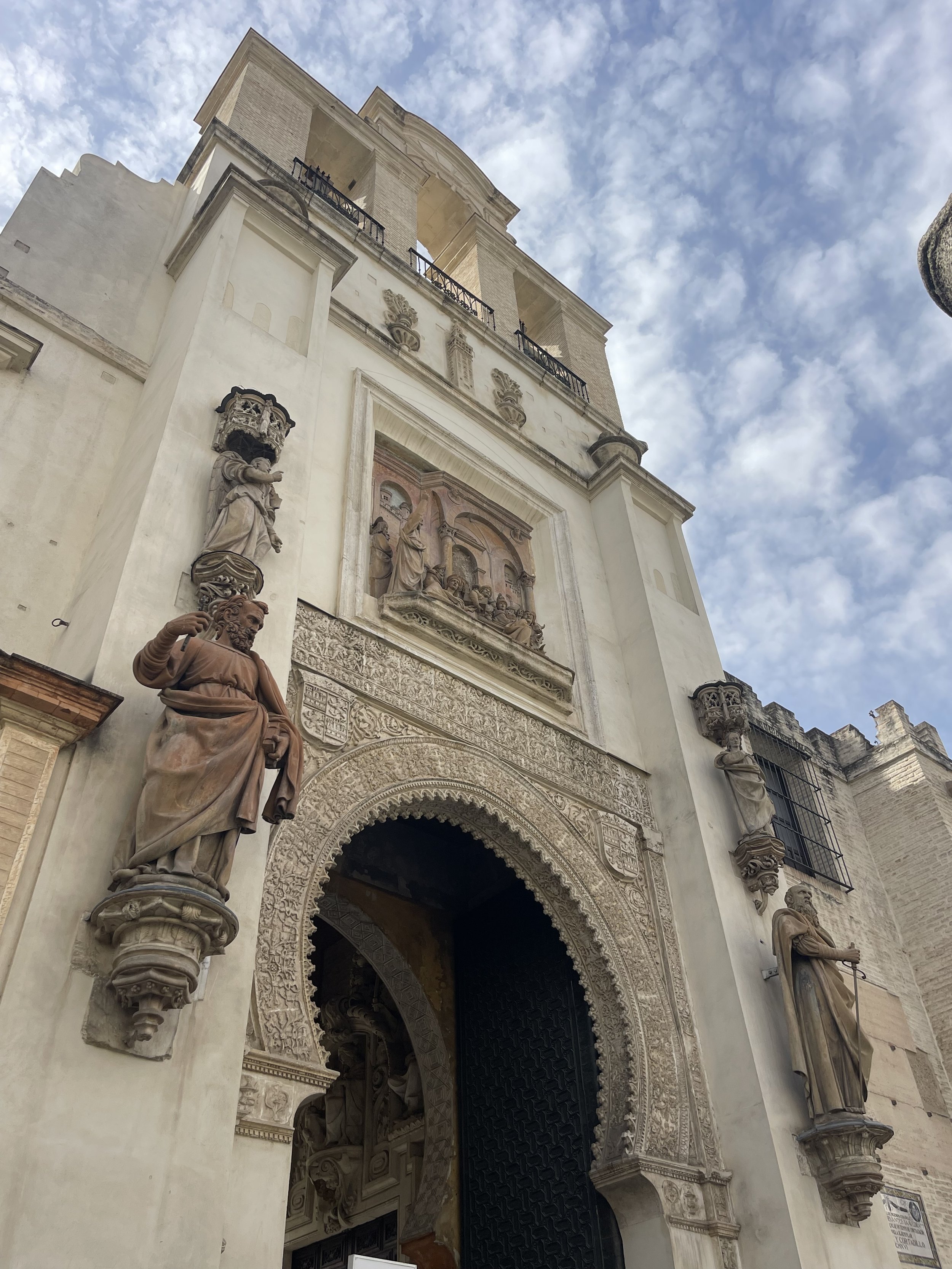
The Giralda is the bell tower of Seville Cathedral in Seville, Spain. It was built as the minaret for the Great Mosque of Seville in al-Andalus, during the reign of the Almohad dynasty, with a Renaissance-style belfry added by the Catholics after the expulsion of the Muslims from the area. The tower is one of the most famous monuments of Moorish architecture in Spain and one of the most refined examples of Almohad architecture. Registered in 1987 as a World Heritage Site by UNESCO.
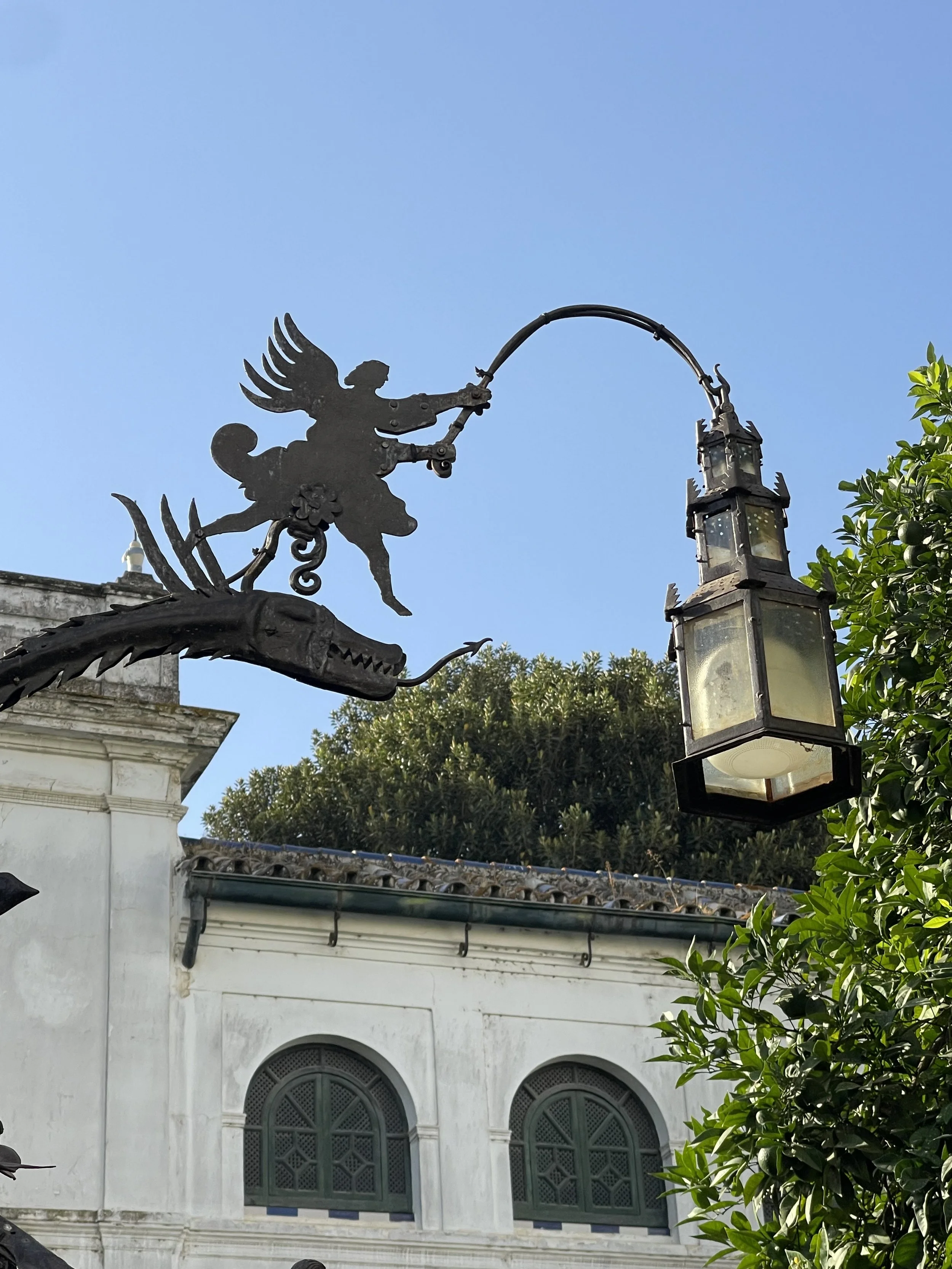
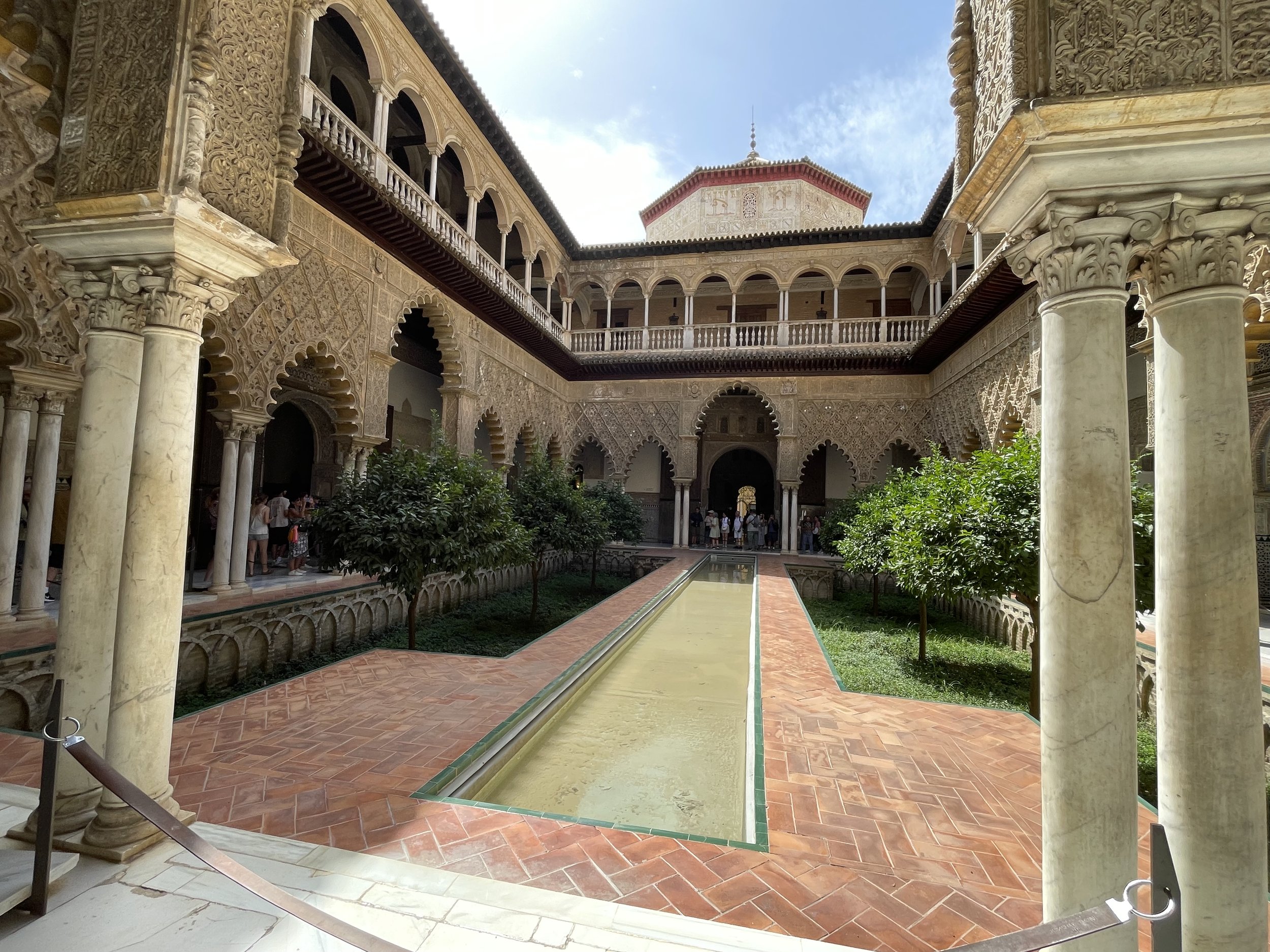
The Royal Alcázar of Seville is a historic royal palace and one of the official residences of the Spanish royal family. It was formerly the site of the Islamic-era citadel of the city, begun in the 10th century under the Umayyads and then developed into a larger palace complex by the Abbadid dynasty (11th century) and the Almohads (12th to early 13th centuries). After the Castilian conquest of the city in 1248, the site was progressively rebuilt and replaced by new palaces and gardens. Among the most important of these is a richly decorated Mudéjar-style palace built by Pedro I during the 1360s. The palace is a preeminent example of Mudéjar style in the Iberian Peninsula and also includes sections with Gothic and Renaissance elements. The upper stories of the Alcázar are still occupied by the royal family when they visit Seville. Registered in 1987 as a World Heritage Site by UNESCO.
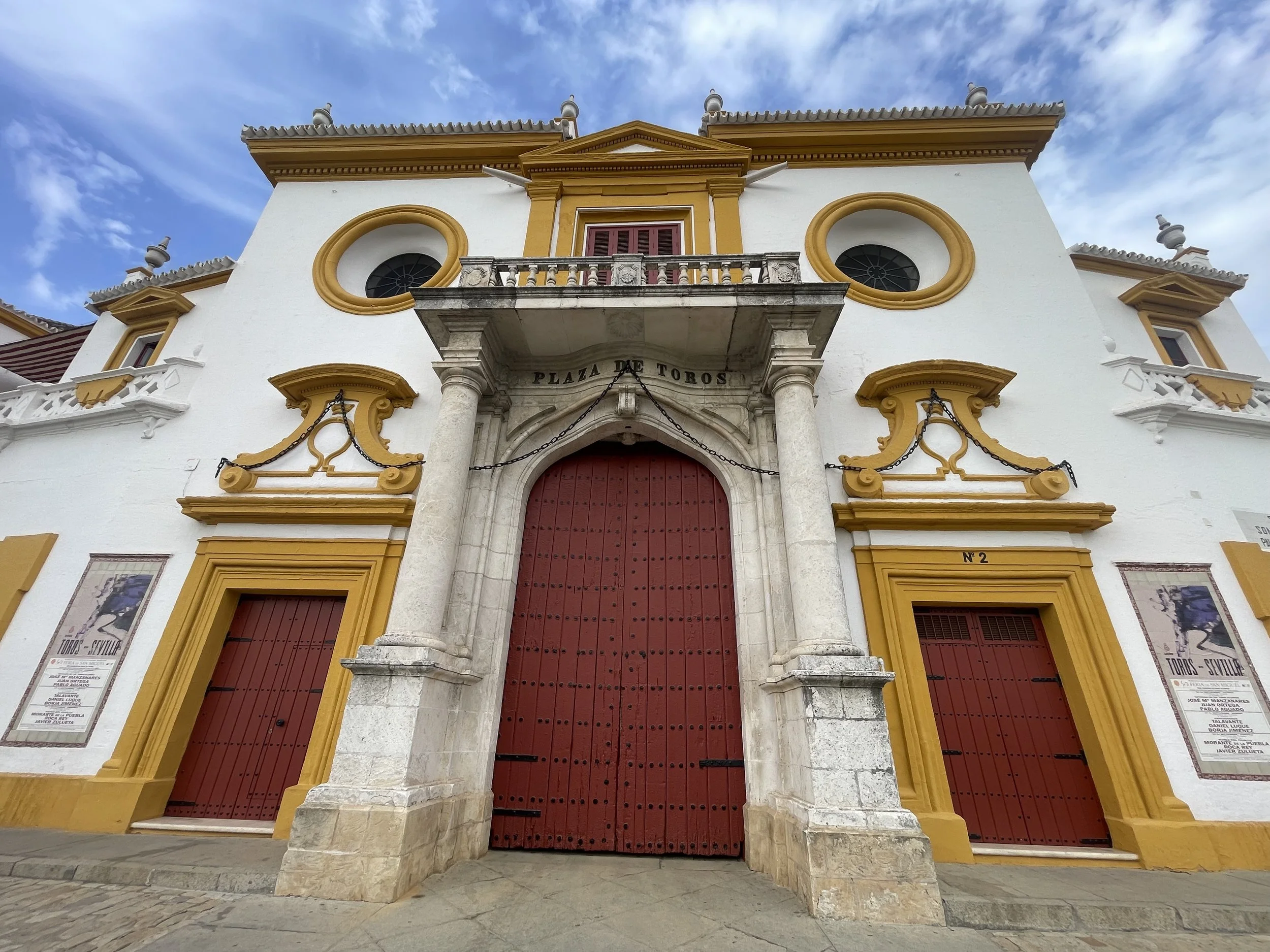
The Plaza de Toros de la Real Maestranza de Caballería de Sevilla is a 12,000-capacity bullring in Seville, Spain. During the annual Seville Fair, it is the site of one of the most well-known bullfighting festivals in the world. It is a part of a noble guild established for traditional cavalry training. Construction began in 1749 of a circular ring on Baratillo Hill to replace the rectangular bullring that was previously located there. In 1761 and was completed in 1765.
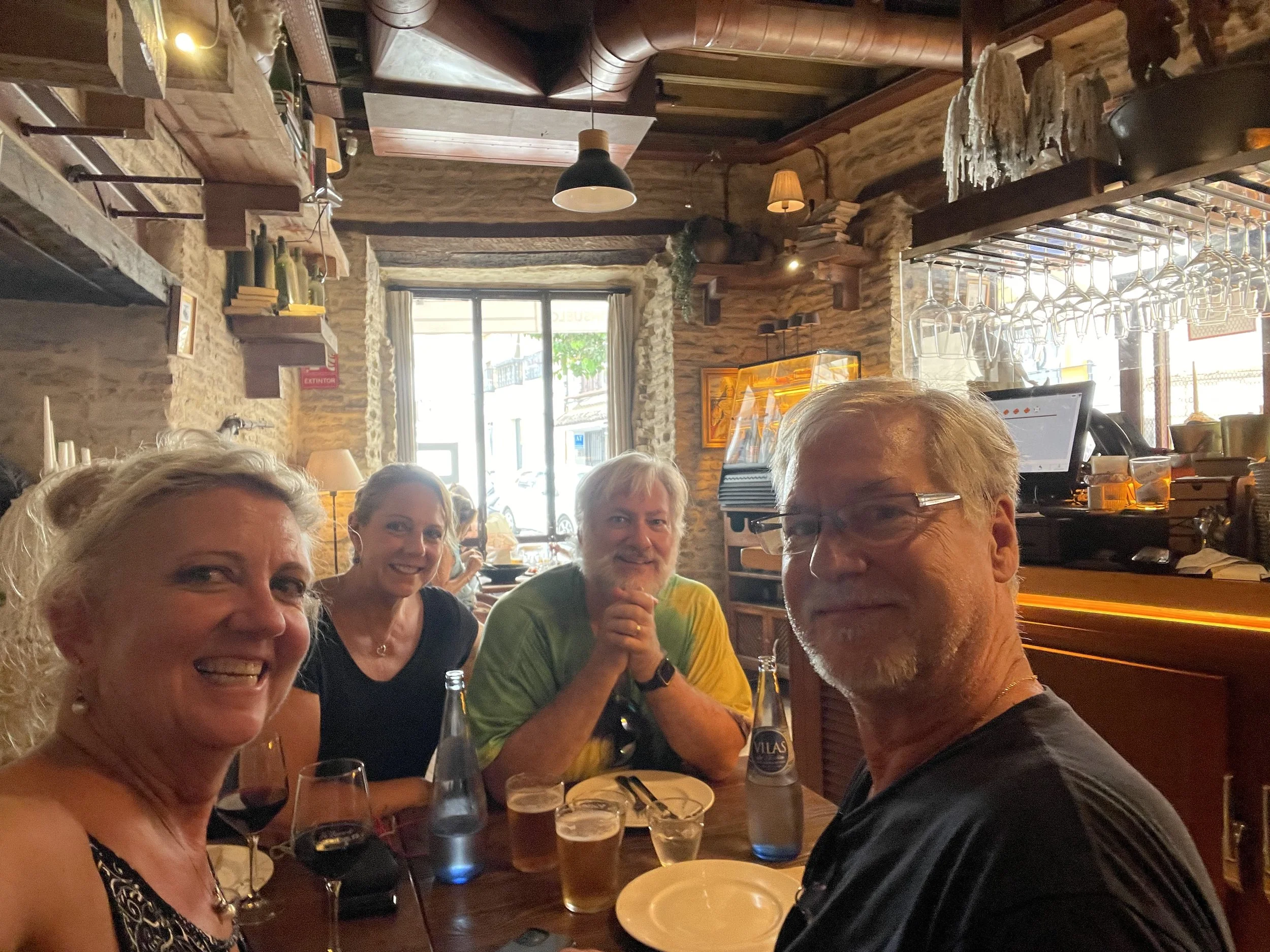
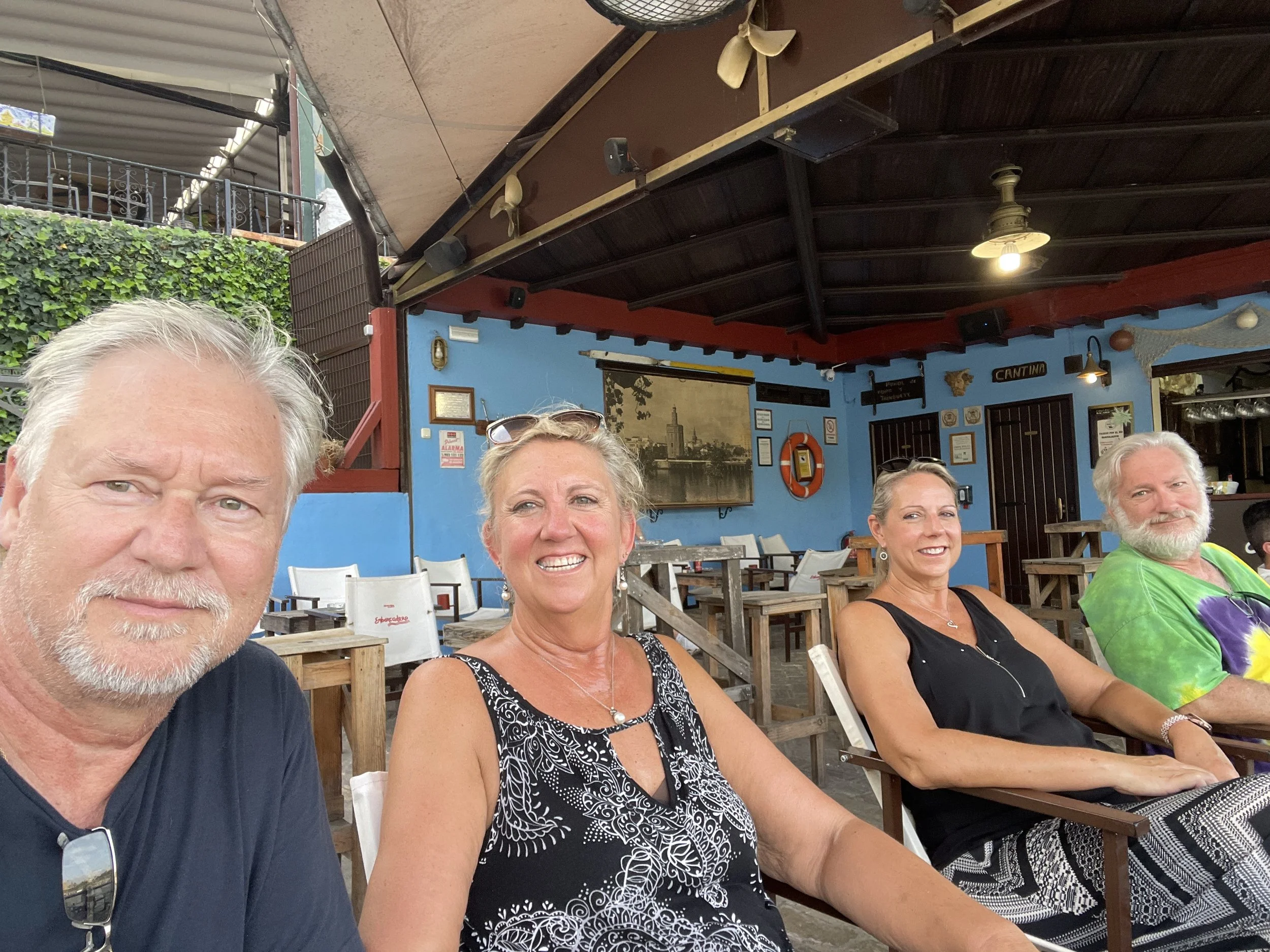
Walked across the river and had drinks at a little bar on the water.

DAY 8
Friday September 19, 2025
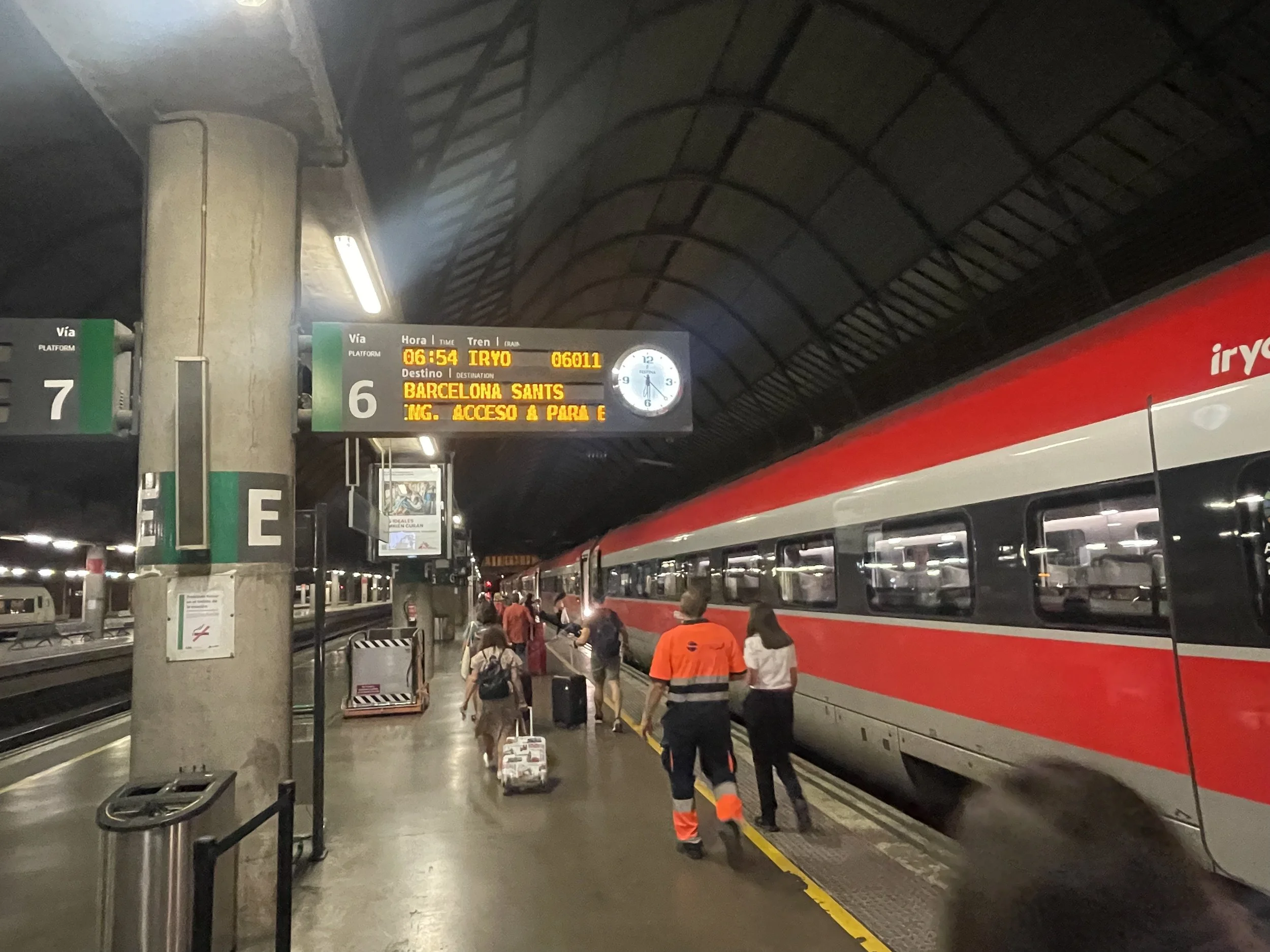
6:45am early train to Madrid. Left the rooms even earlier to get to the train station!
Arrive to Madrid about 10am.
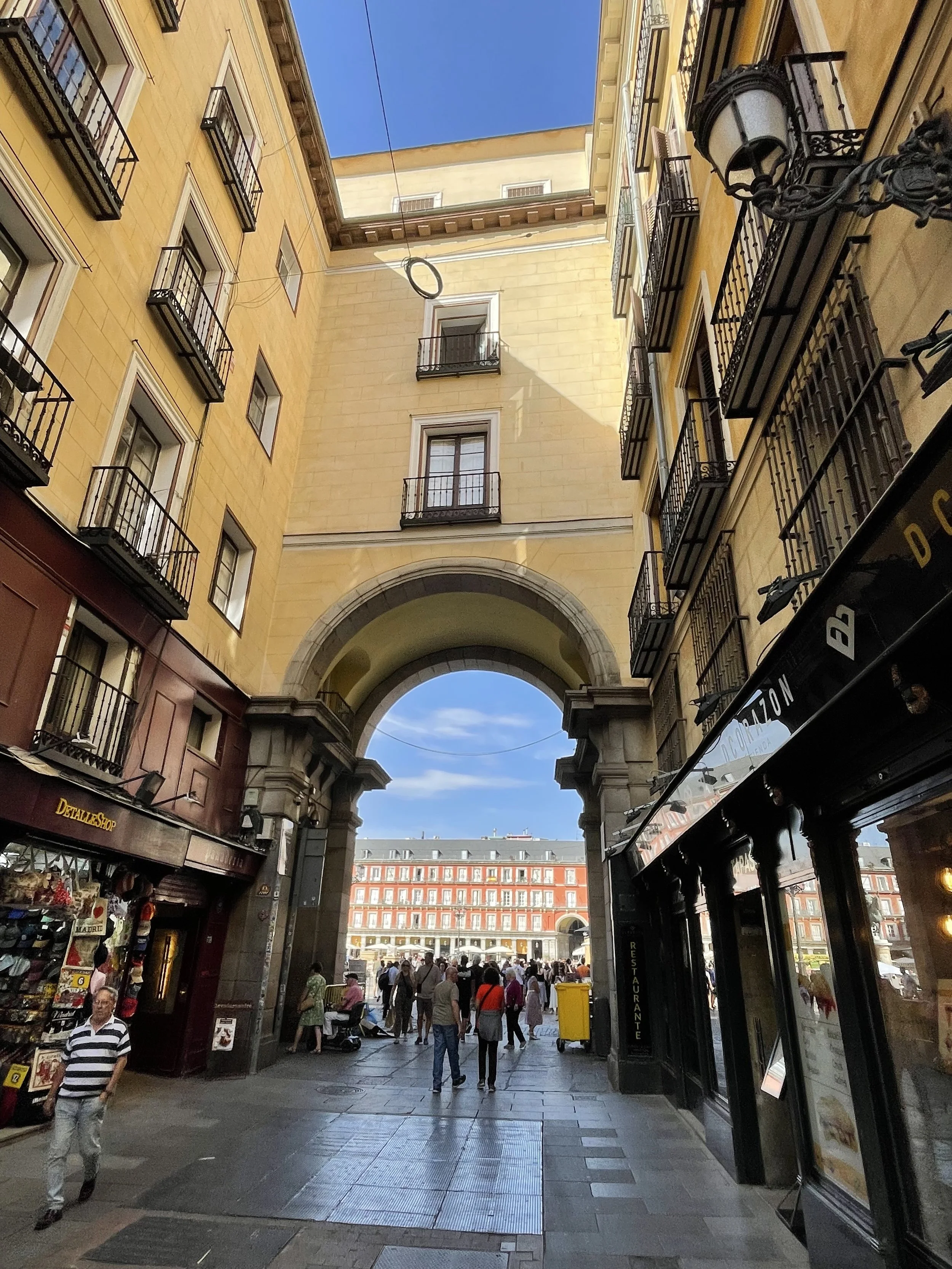
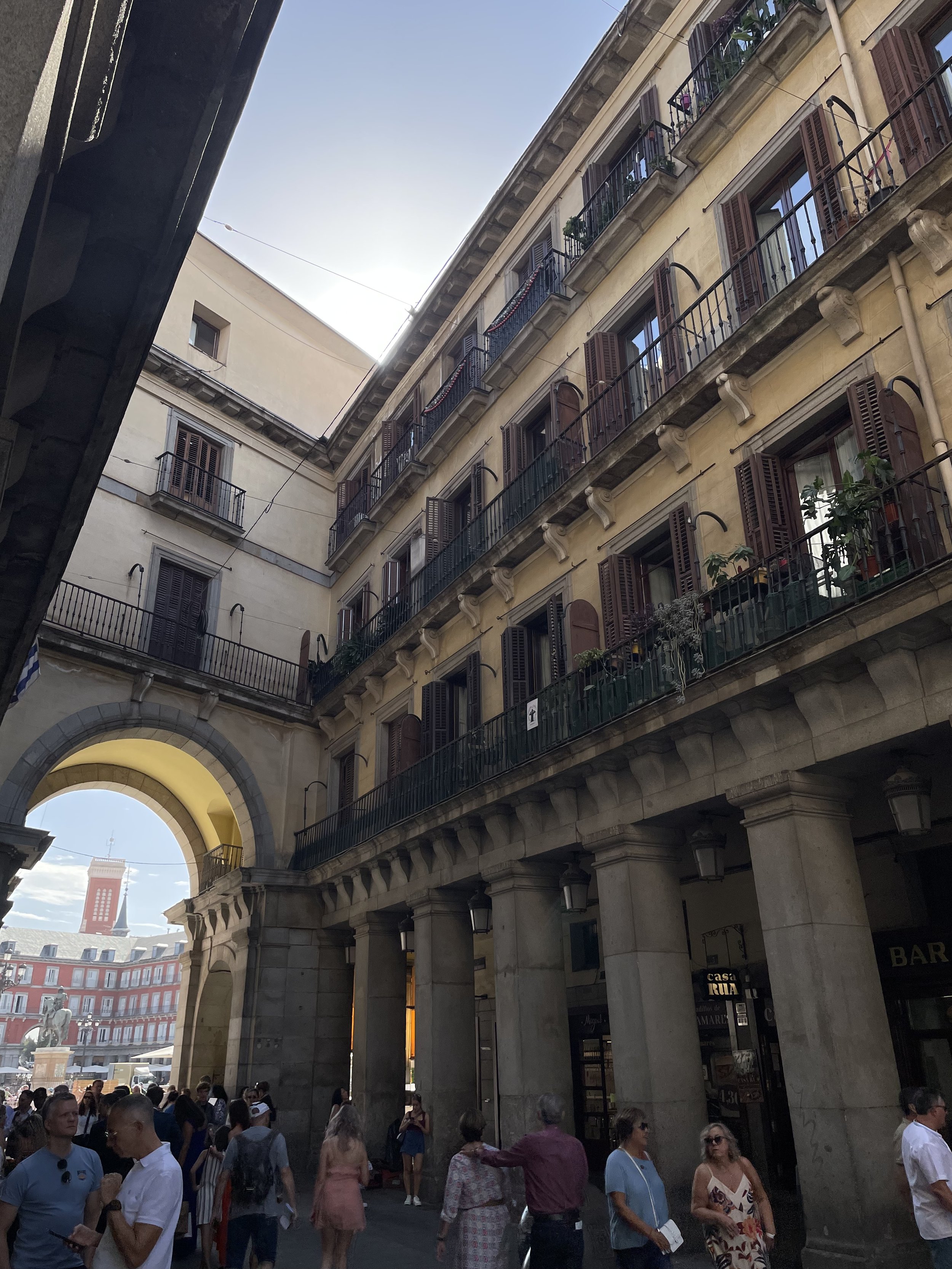
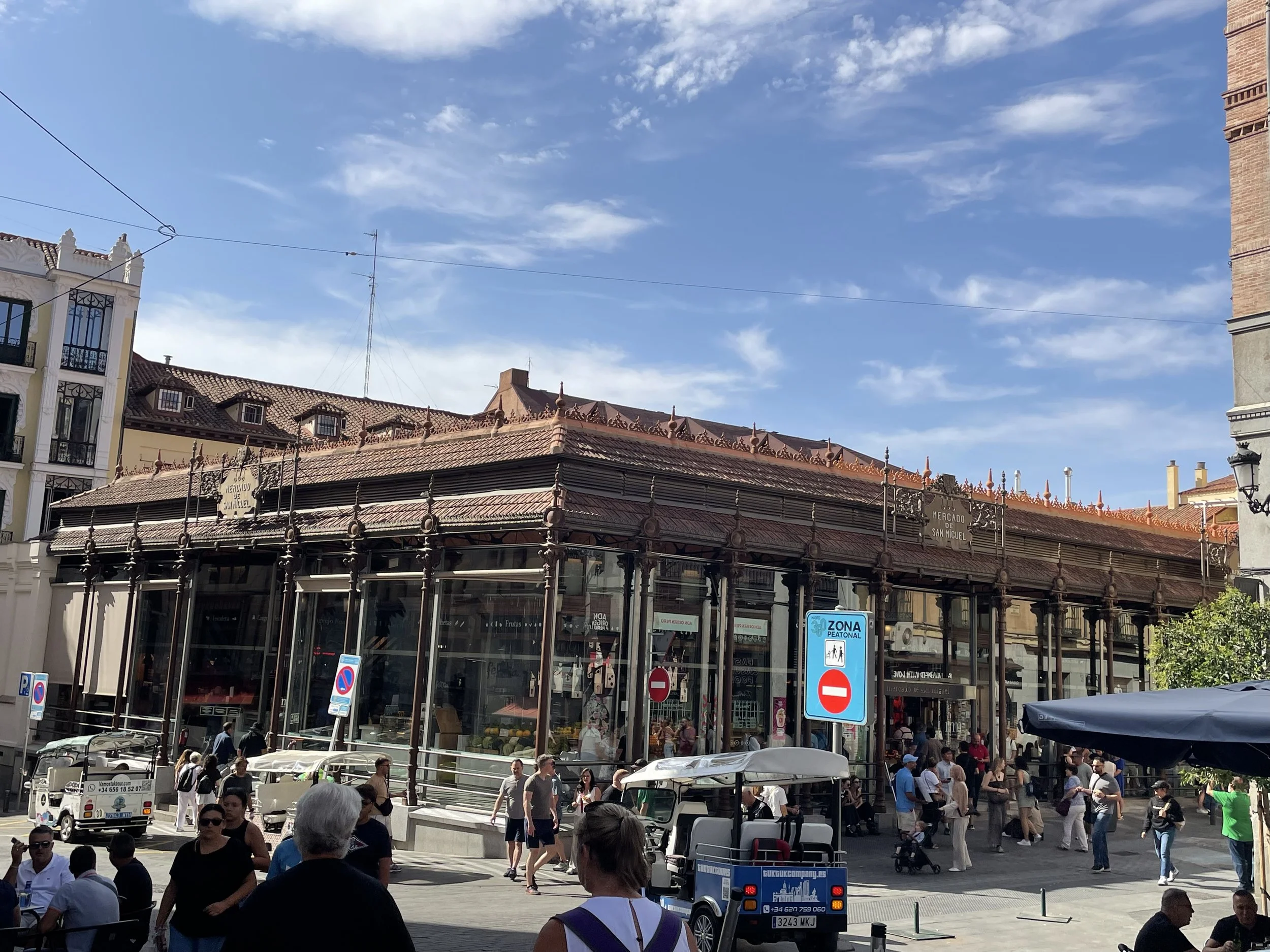
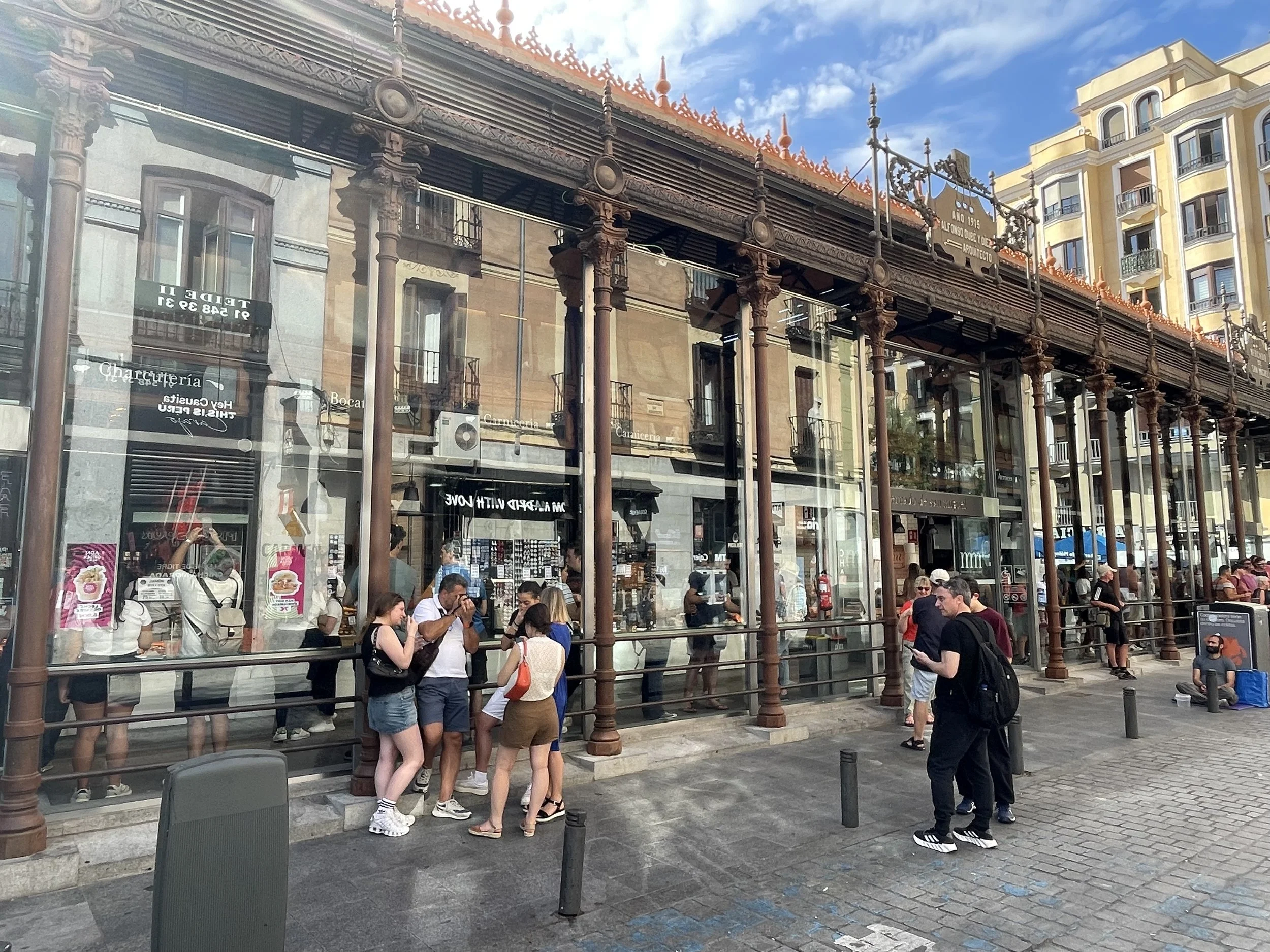
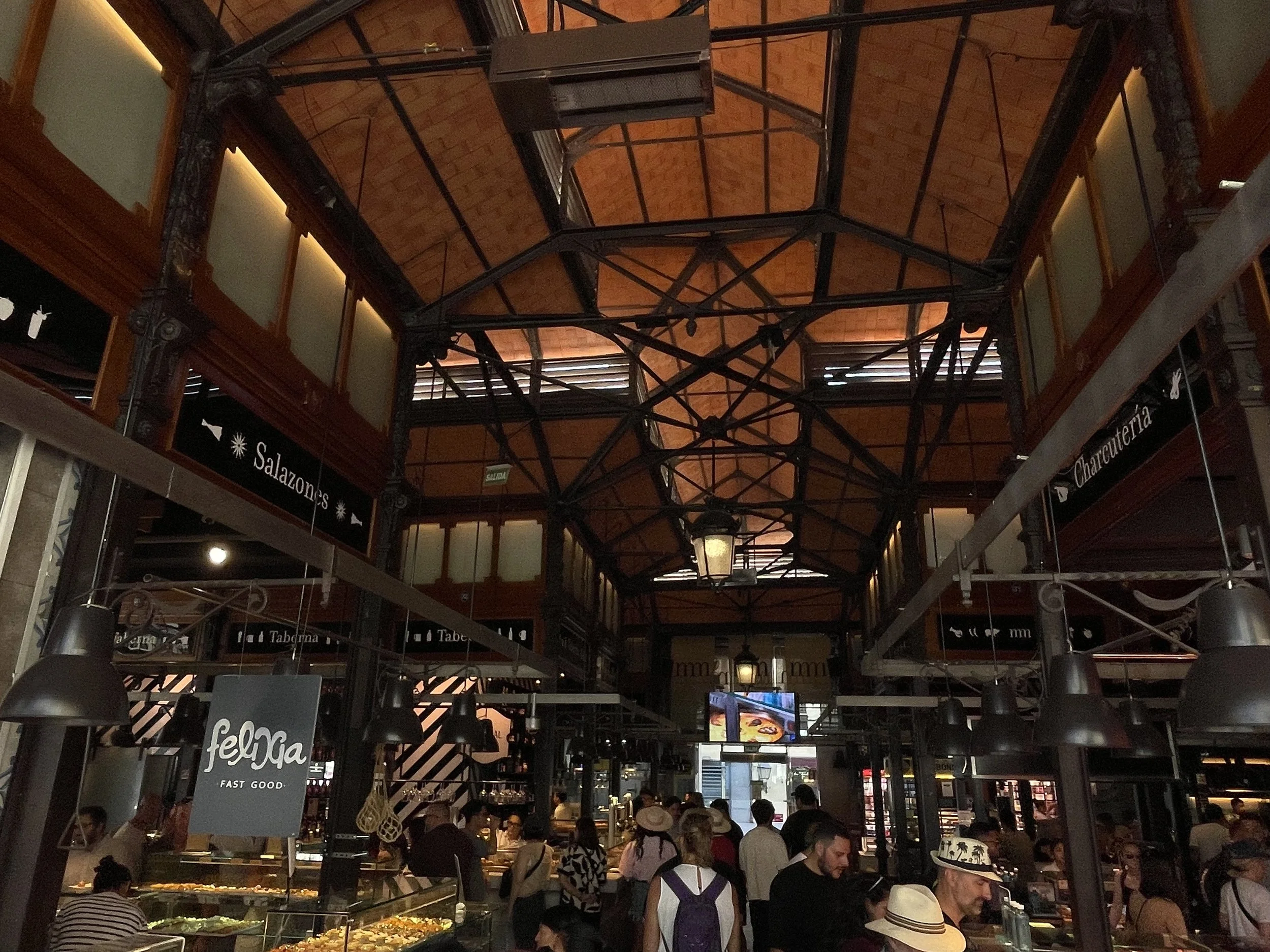
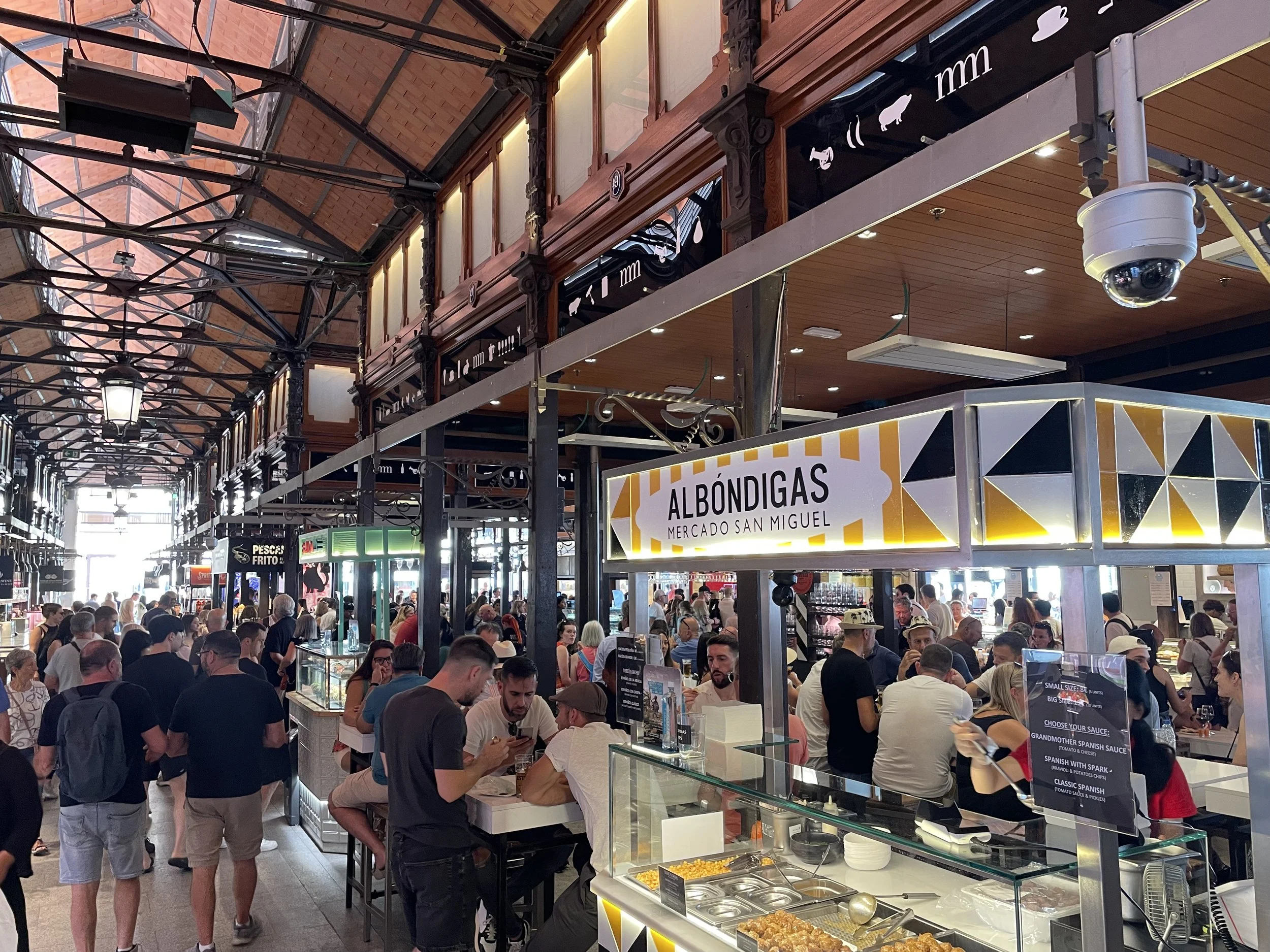
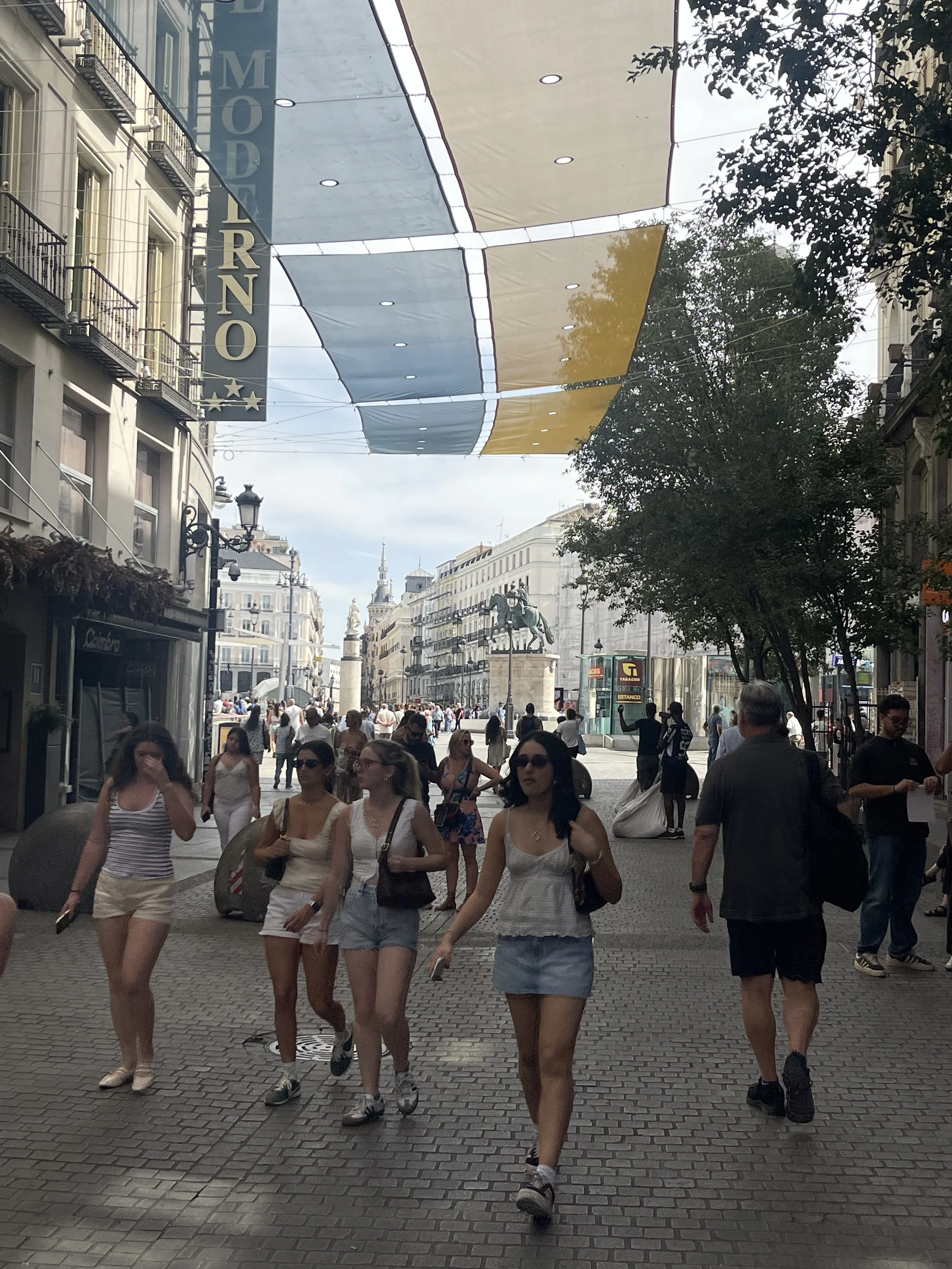
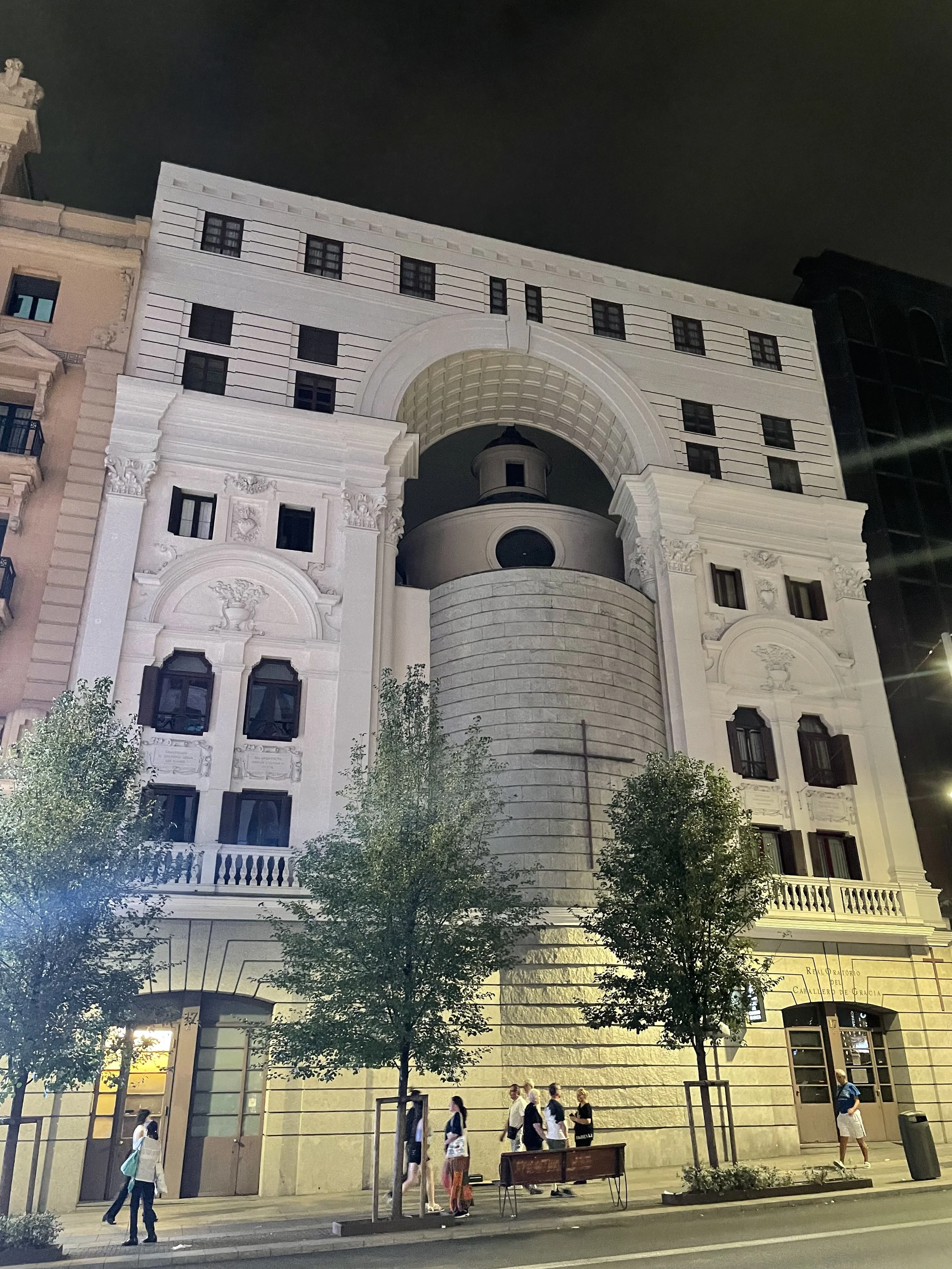
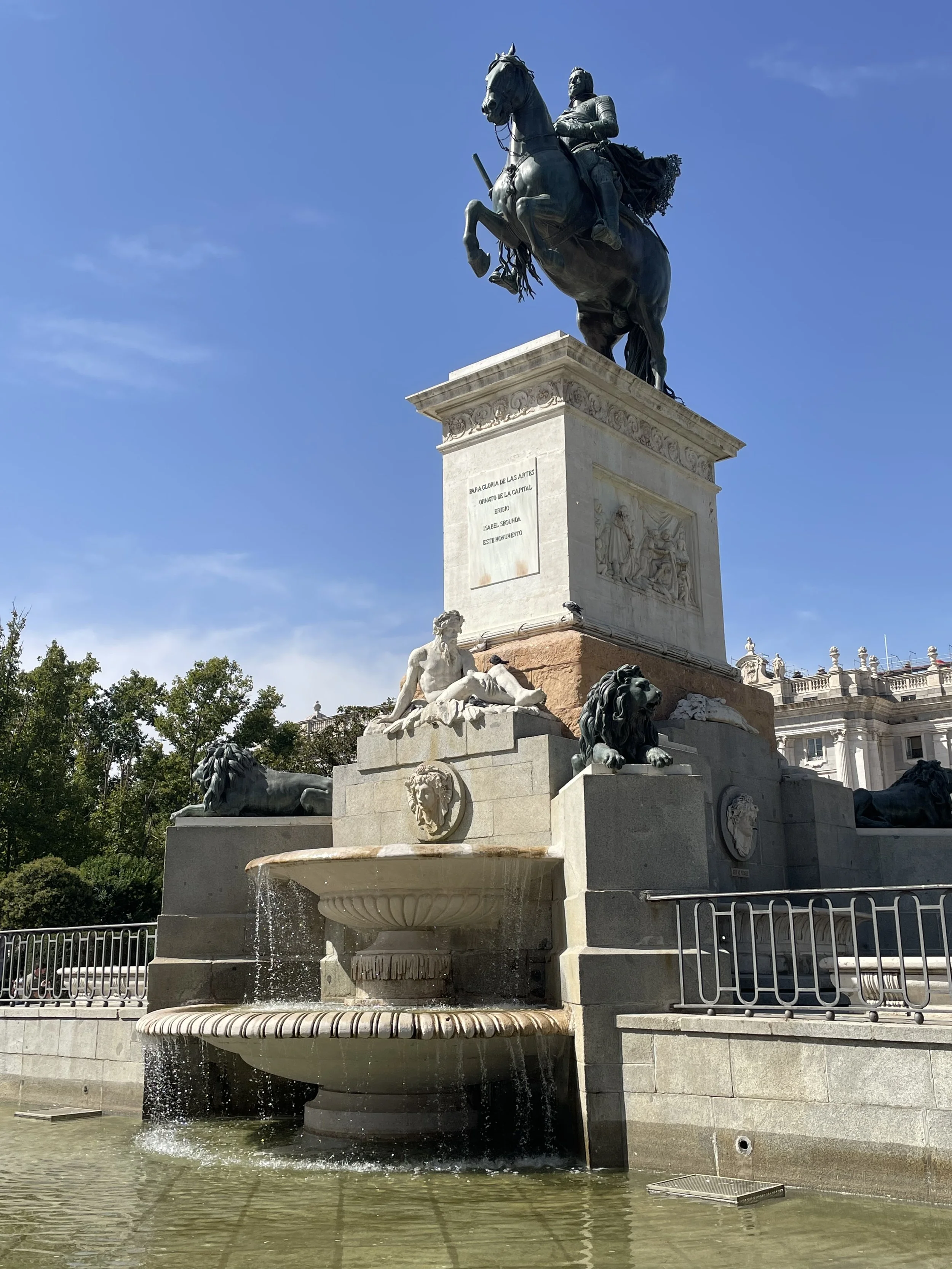
Walk the historic core of town. Much bigger city so we did a lot of steps!
The apartment is interesting and in great location. But the AC doesn’t work.

DAY 9
Saturday September 20, 2025
Out of the room by 8:45am
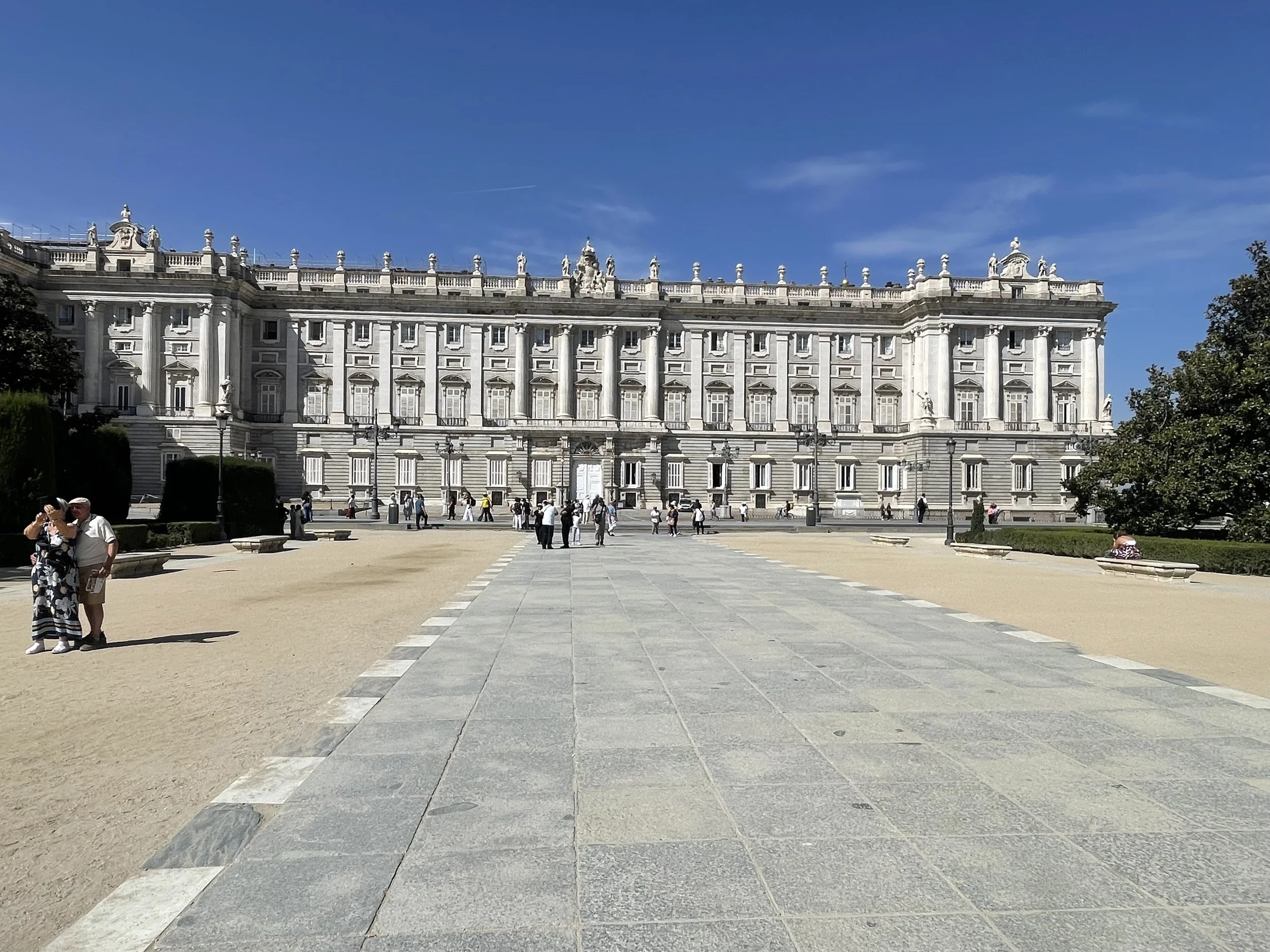
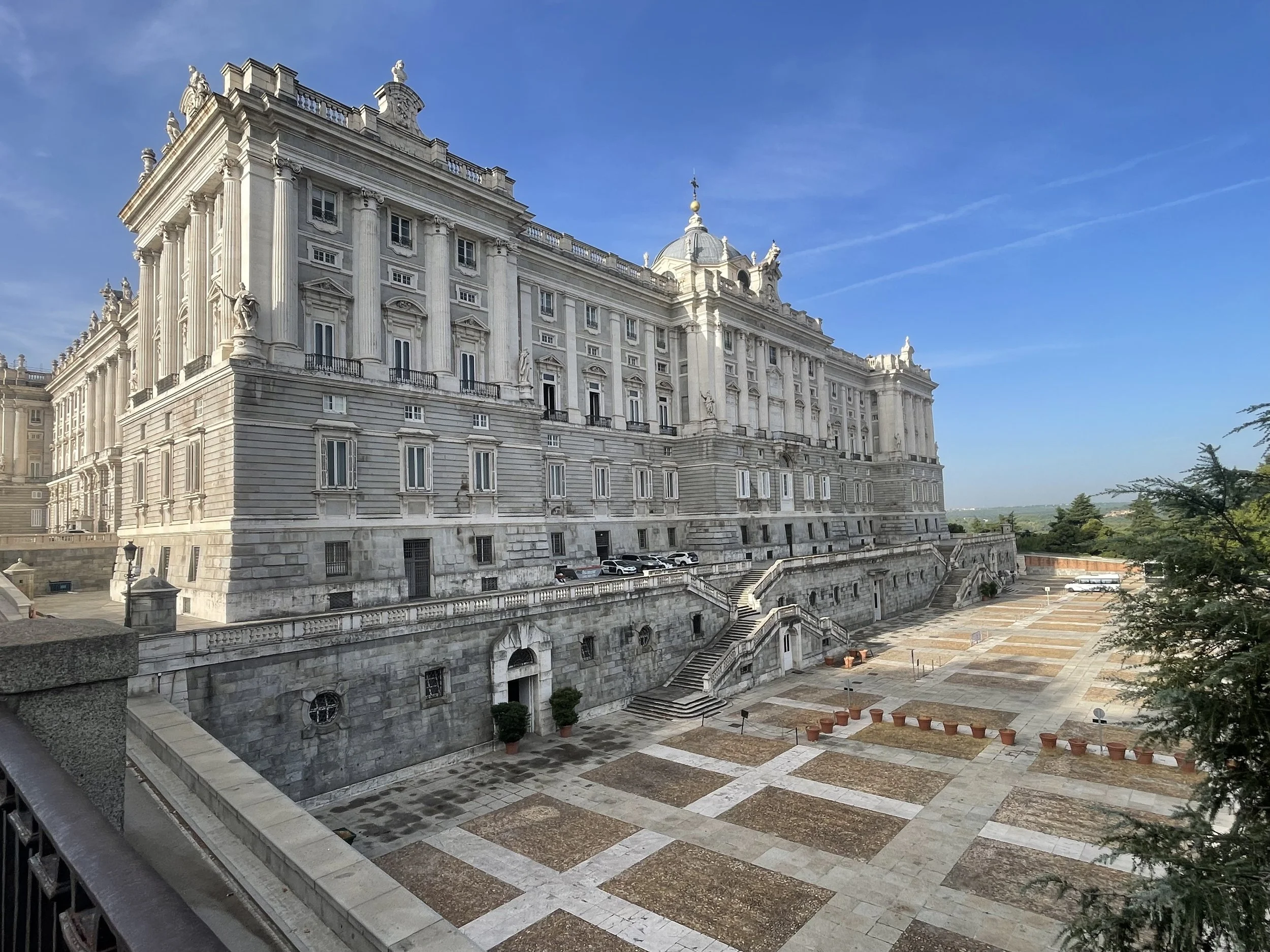
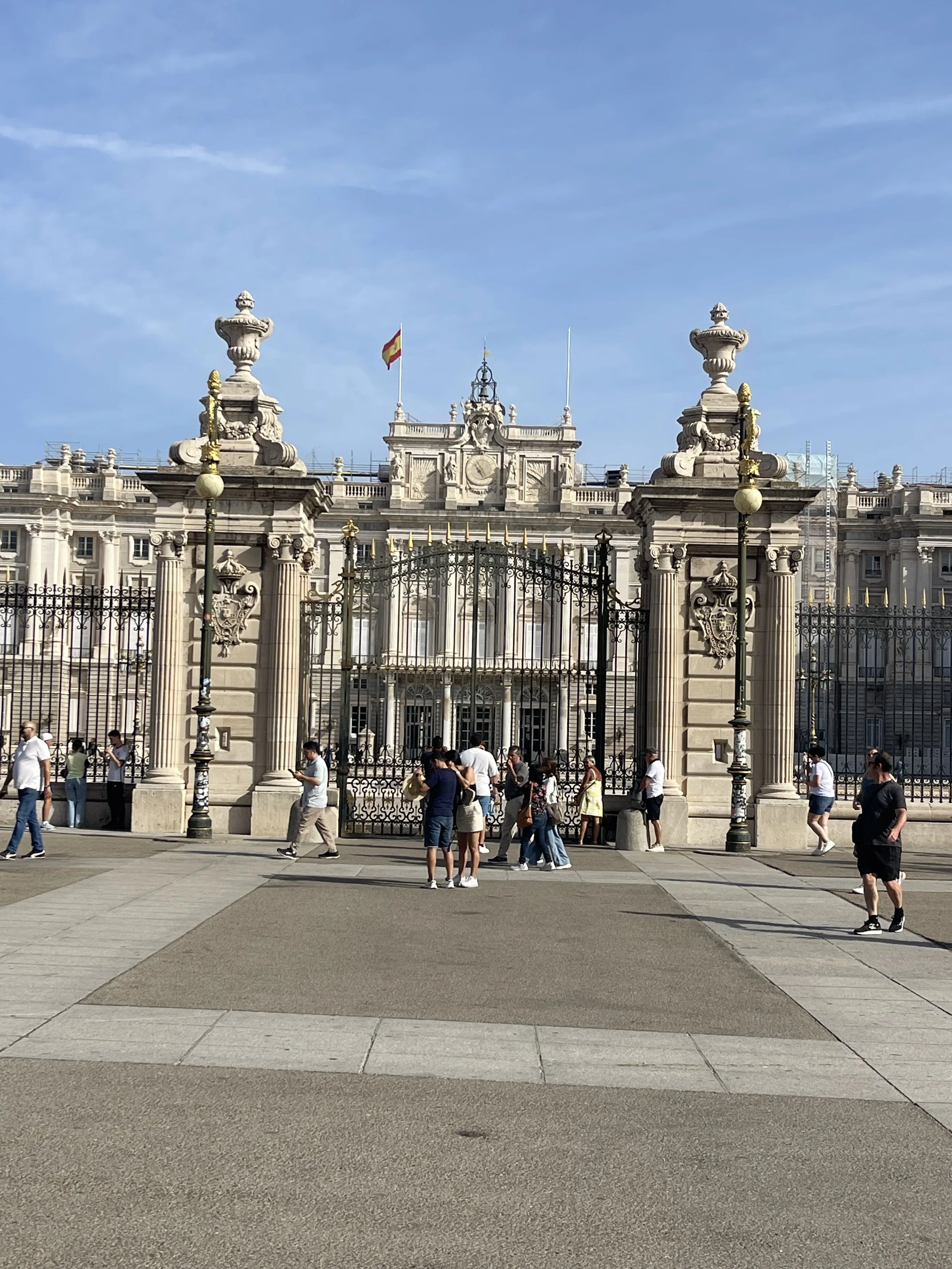
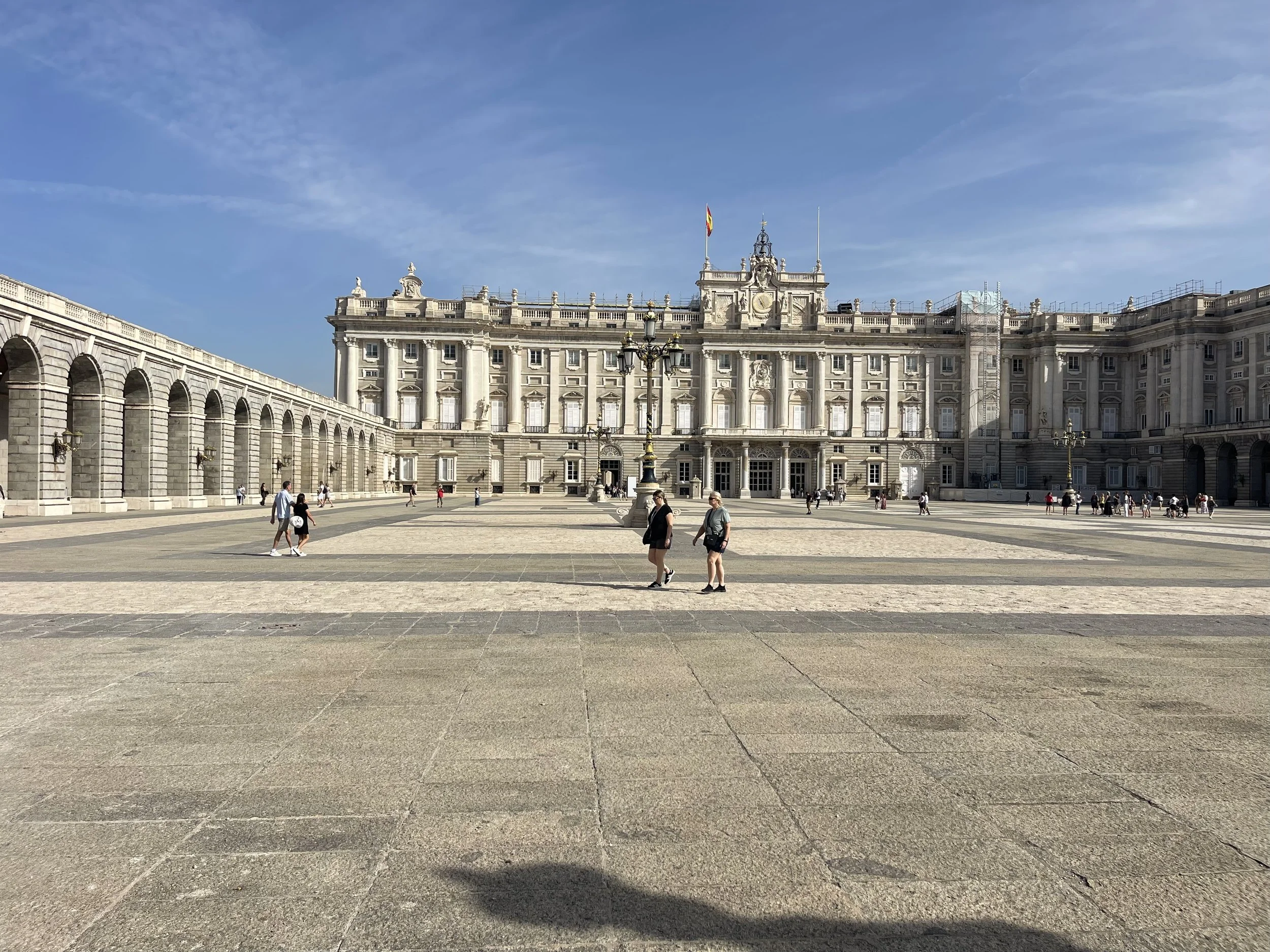
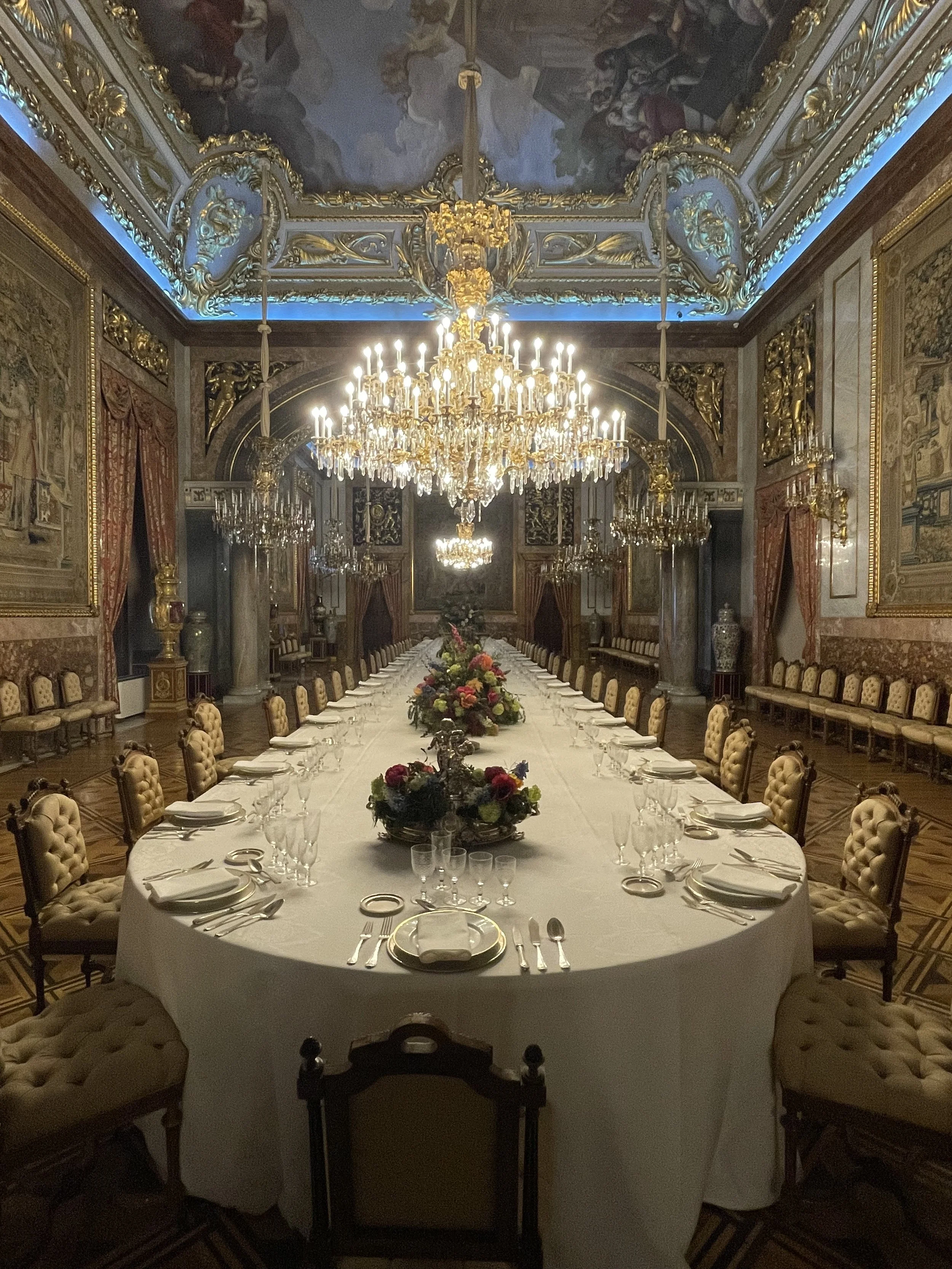
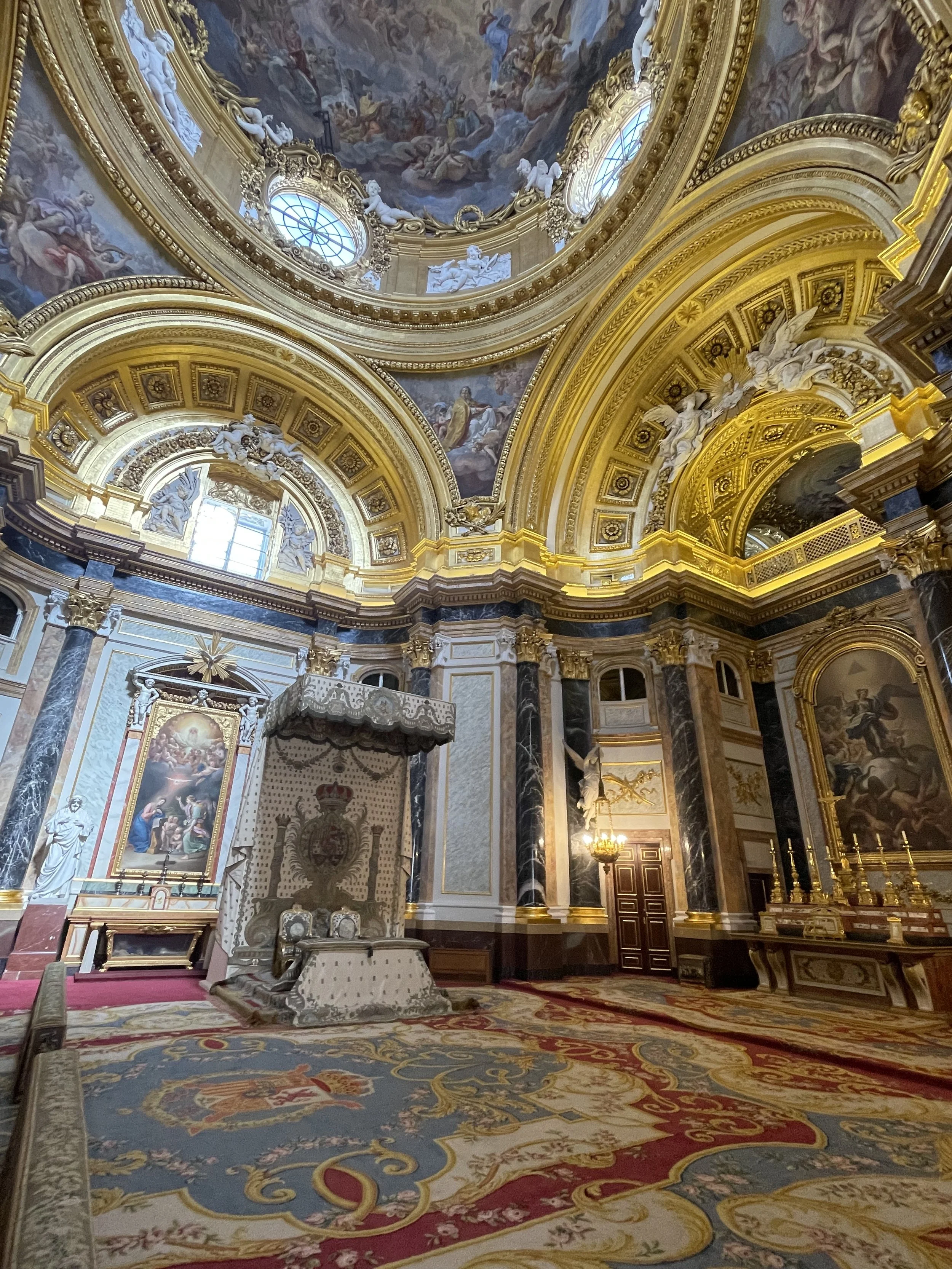
The Royal Palace of Madrid is the official residence of the Spanish royal family and is used primarily for state ceremonies. With over 1,450,000 sq ft and 3,418 rooms, the Royal Palace of Madrid is the largest royal palace in Europe. The palace was initially built by Muhammad I, Umayyad Emir of Cordoba, between 860 and 880. After the Moors were driven out of Toledo in the 11th century, the castle retained its defensive function. During the War of the Castilian Succession (1476) the building suffered severe damage. The only drawing of the castle from the Middle Ages is one from 1534 by Jan Cornelisz Vermeyen. Emperor Charles V, with the architects Alonso de Covarrubias and Luis de Vega, extended and renovated the castle in 1537. Philip II made Madrid his capital in 1561 and continued the renovations, with new additions. Philip III and Philip IV added a long southern façade between 1610 and 1636. Philip V of Bourbon renovated the royal apartments in 1700.
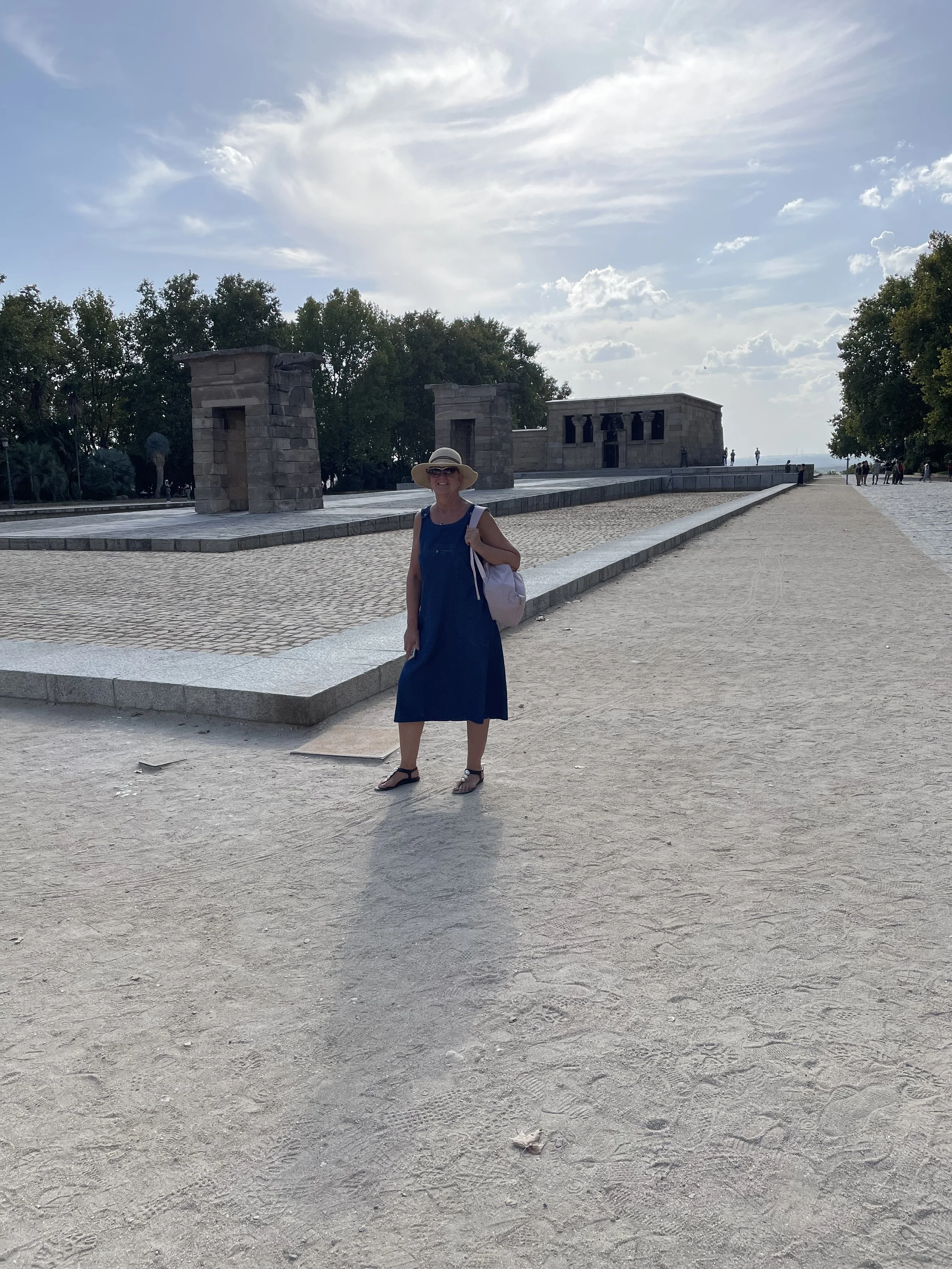
The Temple of Debod (origins ca. 190 B.C.) was donated to Spain in 1968 and began its reconstruction in Madrid in 1970 opening to the public in July 1972. From its earliest days as a temple or chapel for the King of Meroe, in present-day Sudan, the subsequent modifications over 2,000+ years involves both Egyptian, Greek, and Roman influences. Today it sits atop a high hill overlooking the city of Madrid. An Egyptian relic rebuilt in the middle of Madrid, Spain?... but why? The Aswan High Dam is one of the world's largest embankment dams and was built between 1960 and 1970 across the Nile River in Aswan, Egypt. The resulting reservoir threatened to submerge Lower Nubia, its villages and monuments. UNESCO collaborated with countries that came to the rescue of these priceless relics from the threat of water.
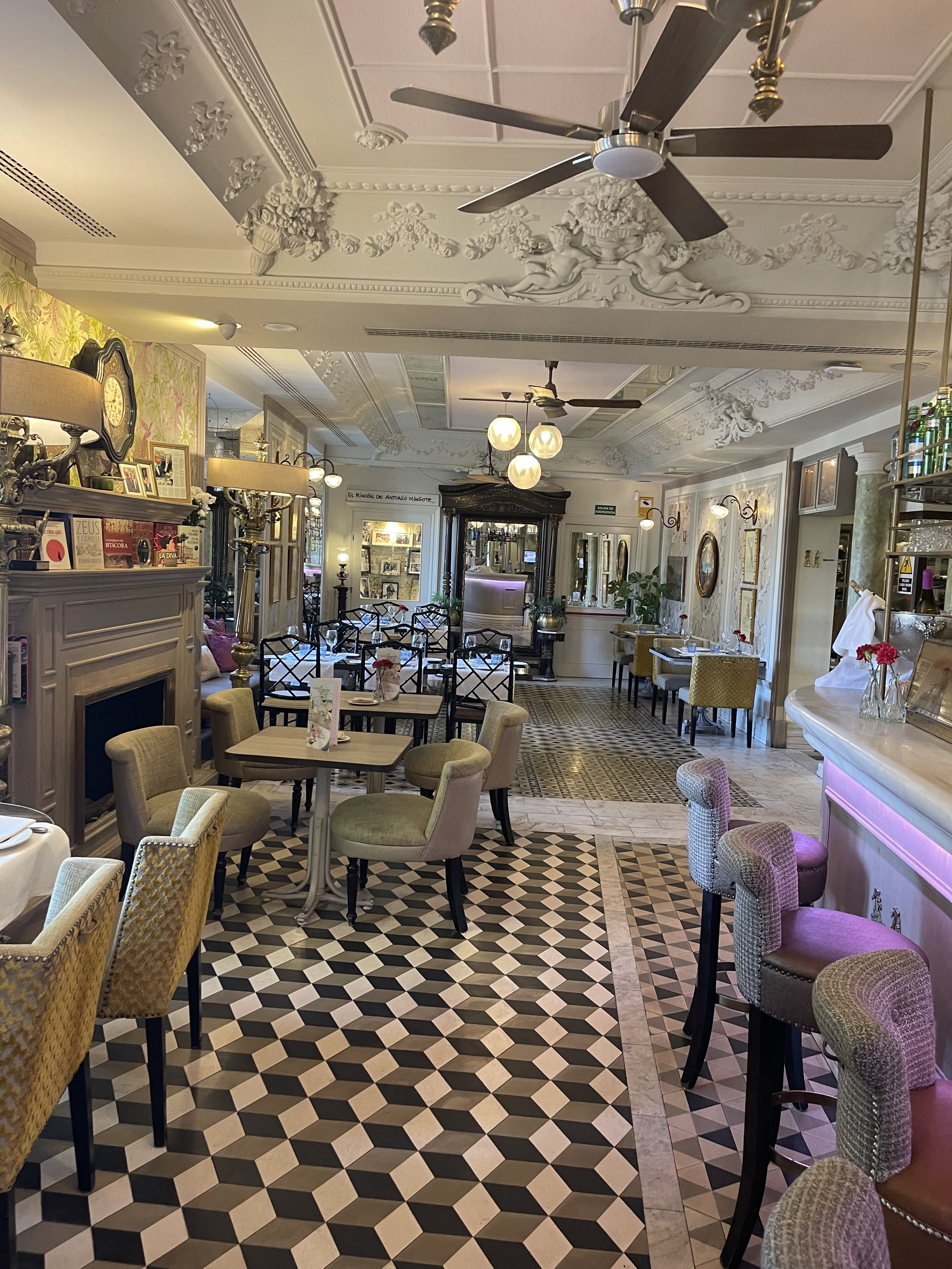
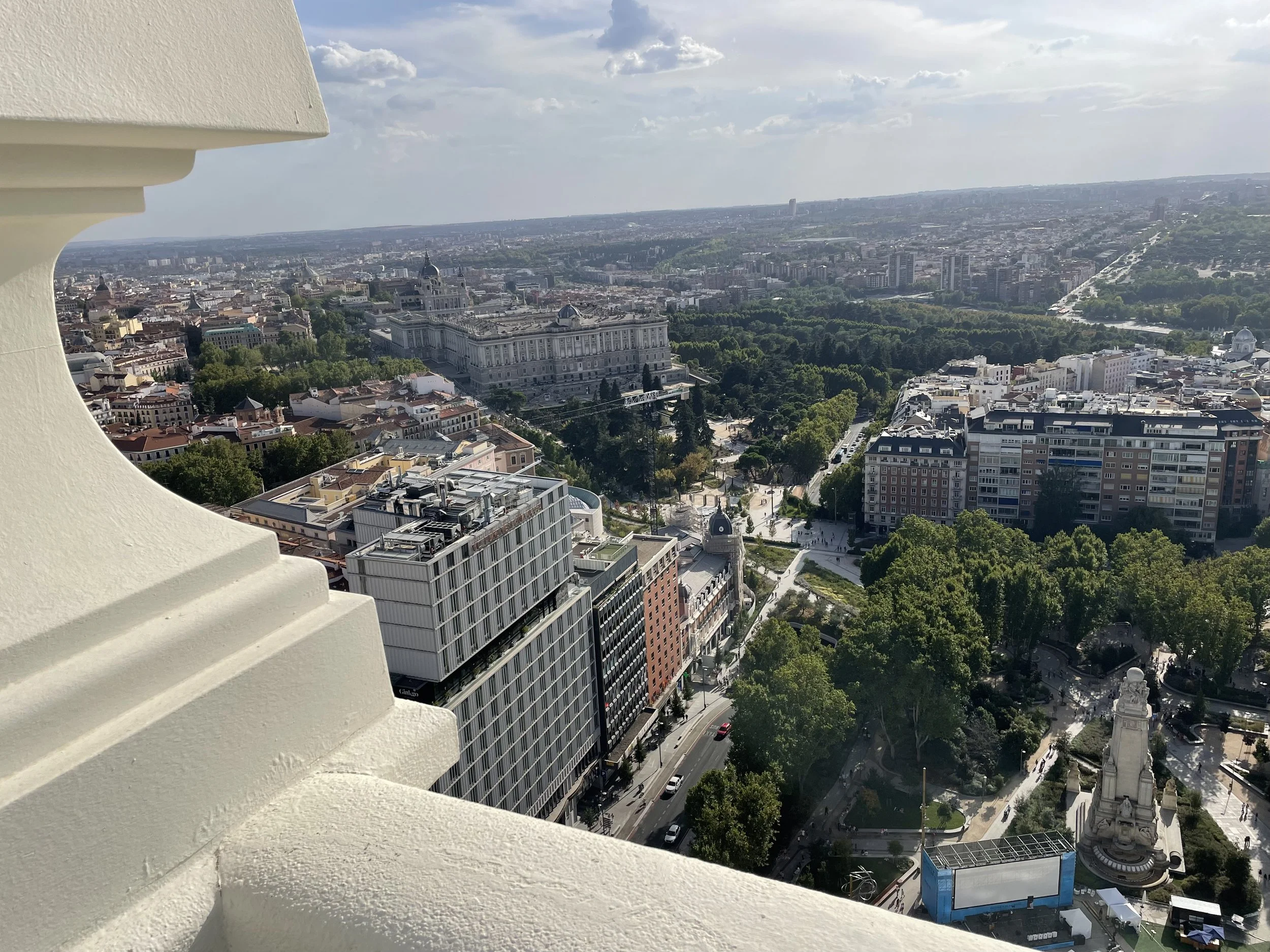
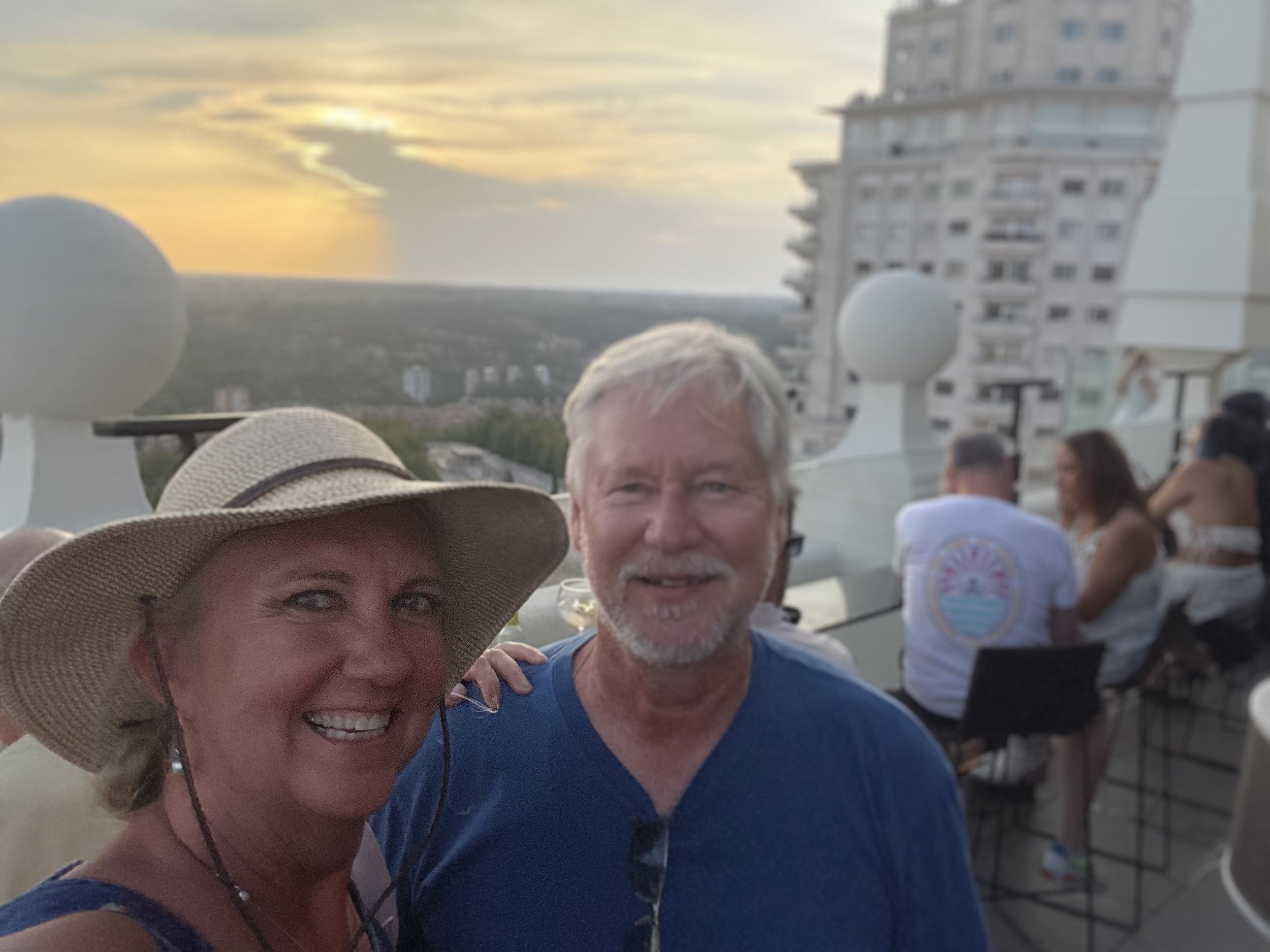
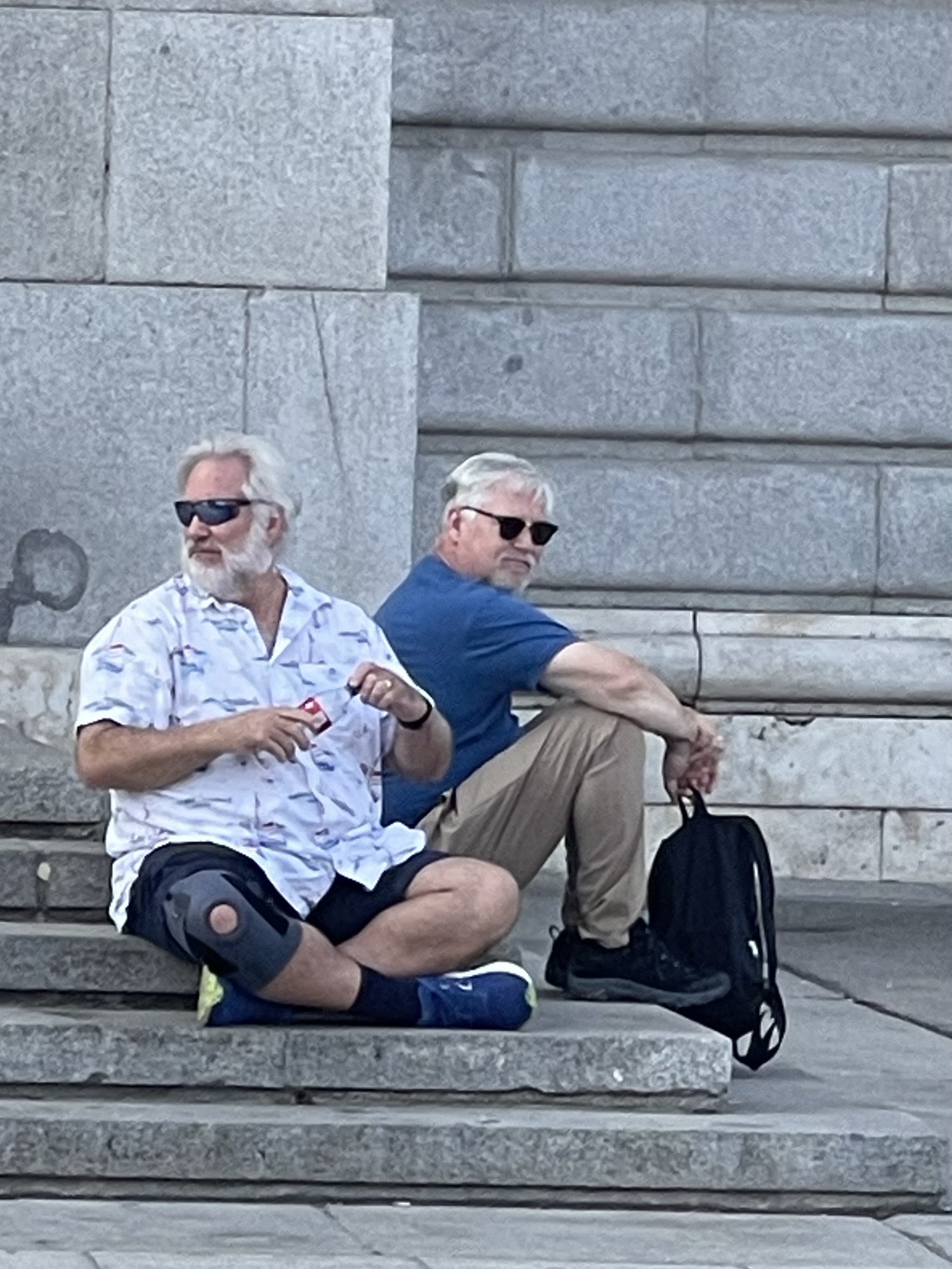
Evening drinks at a bar up on a high-rise rooftop overlooking the city.
DAY 10
Sunday September 21, 2025
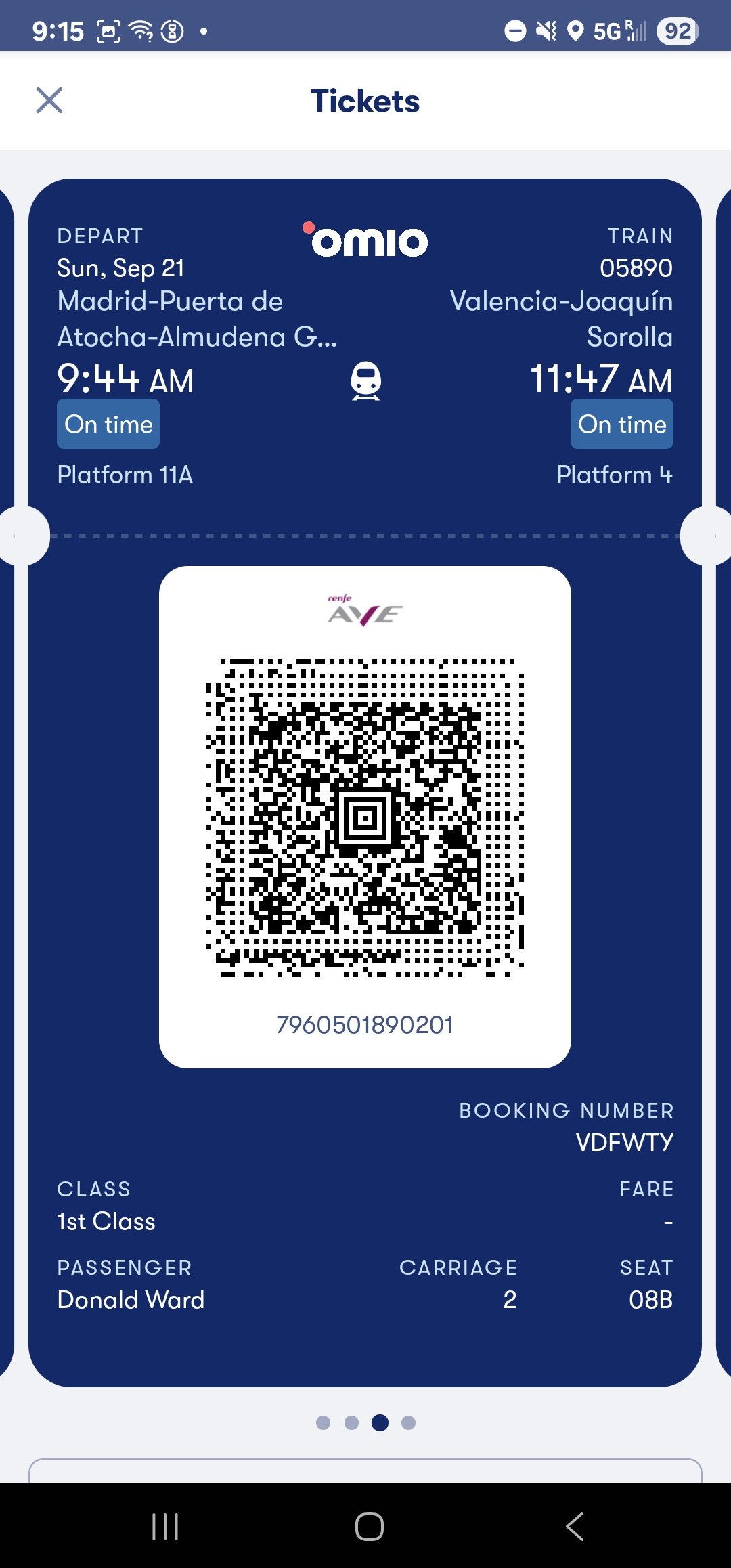
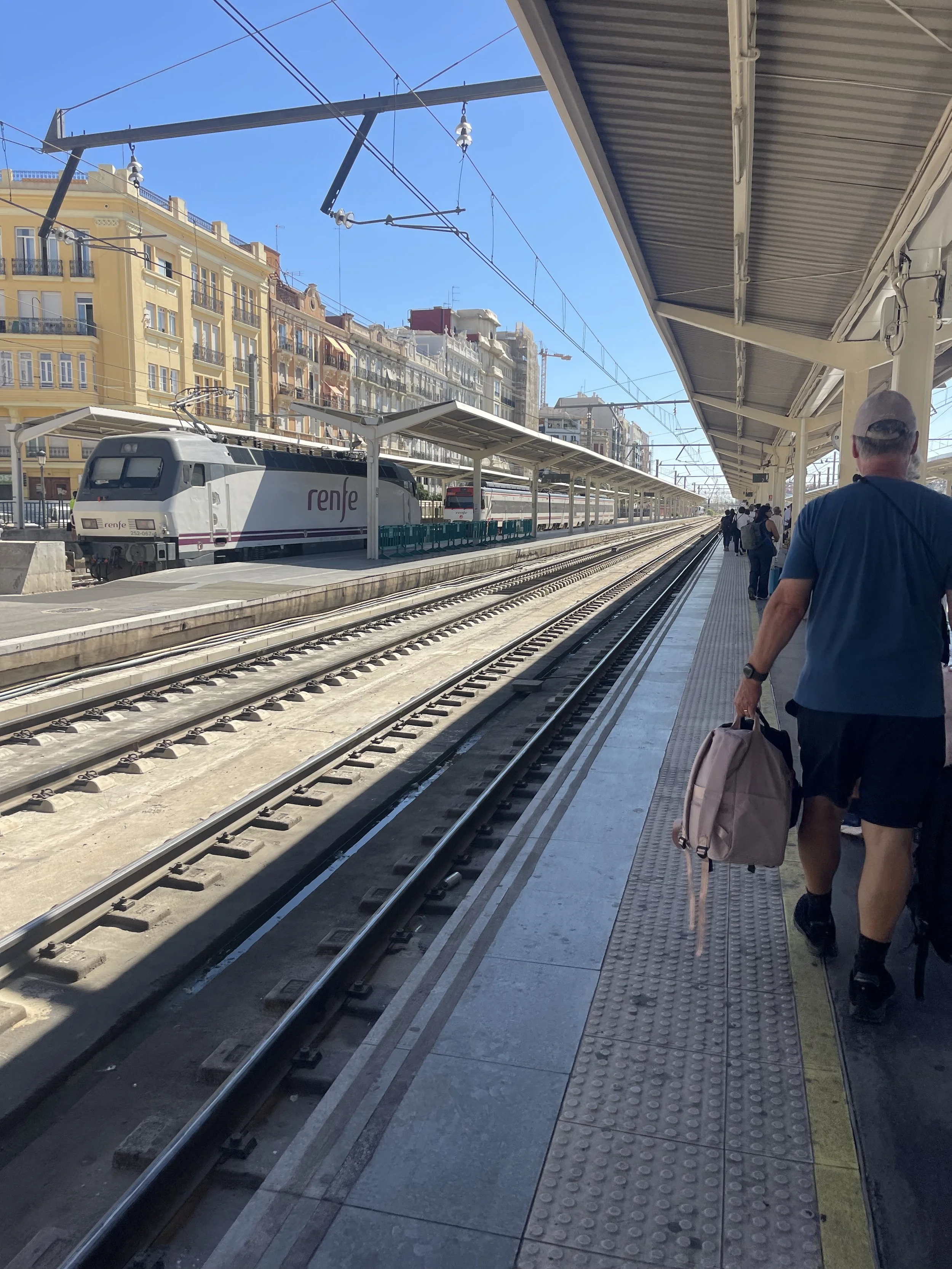
9:45am train to Valencia
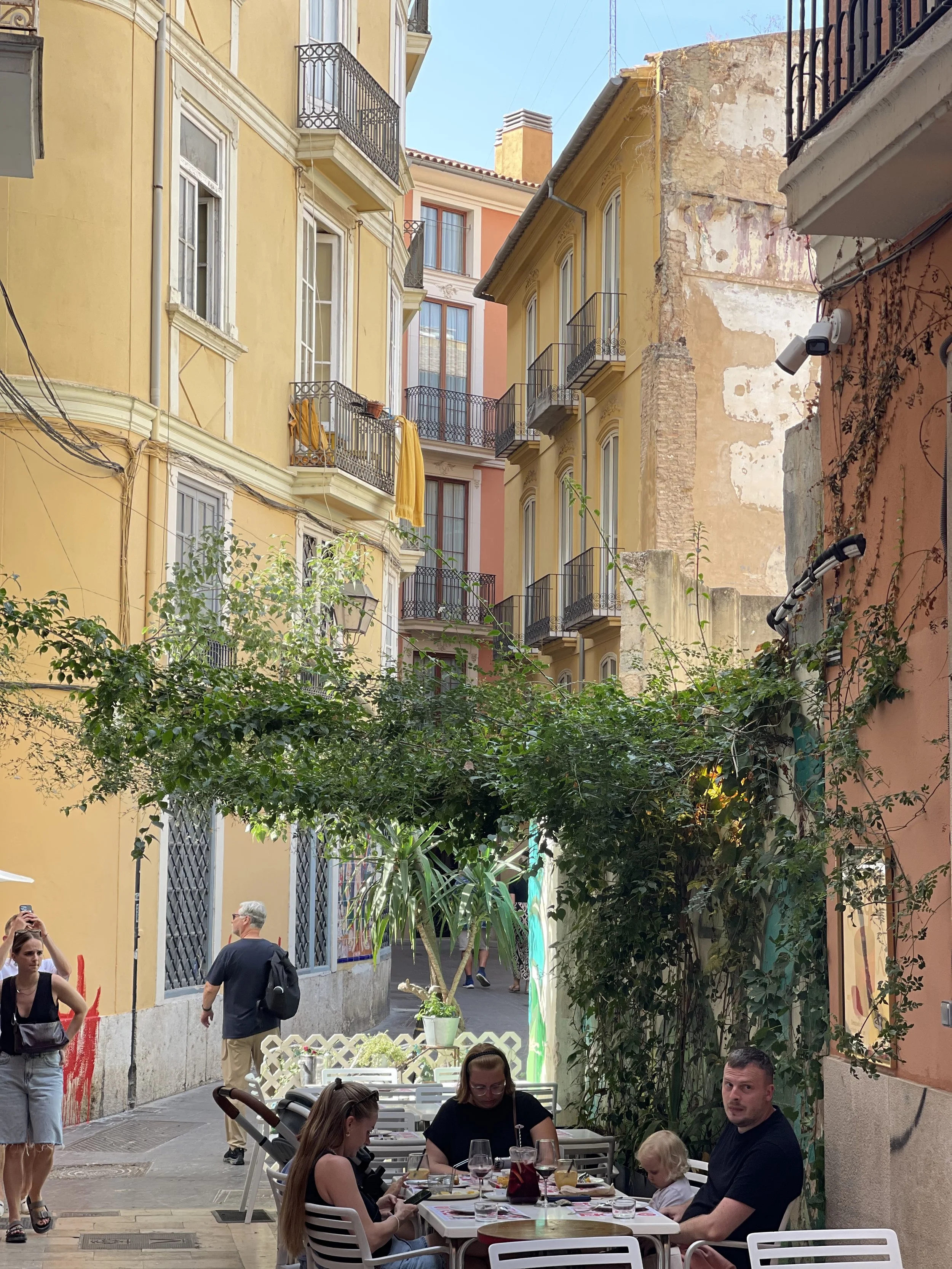
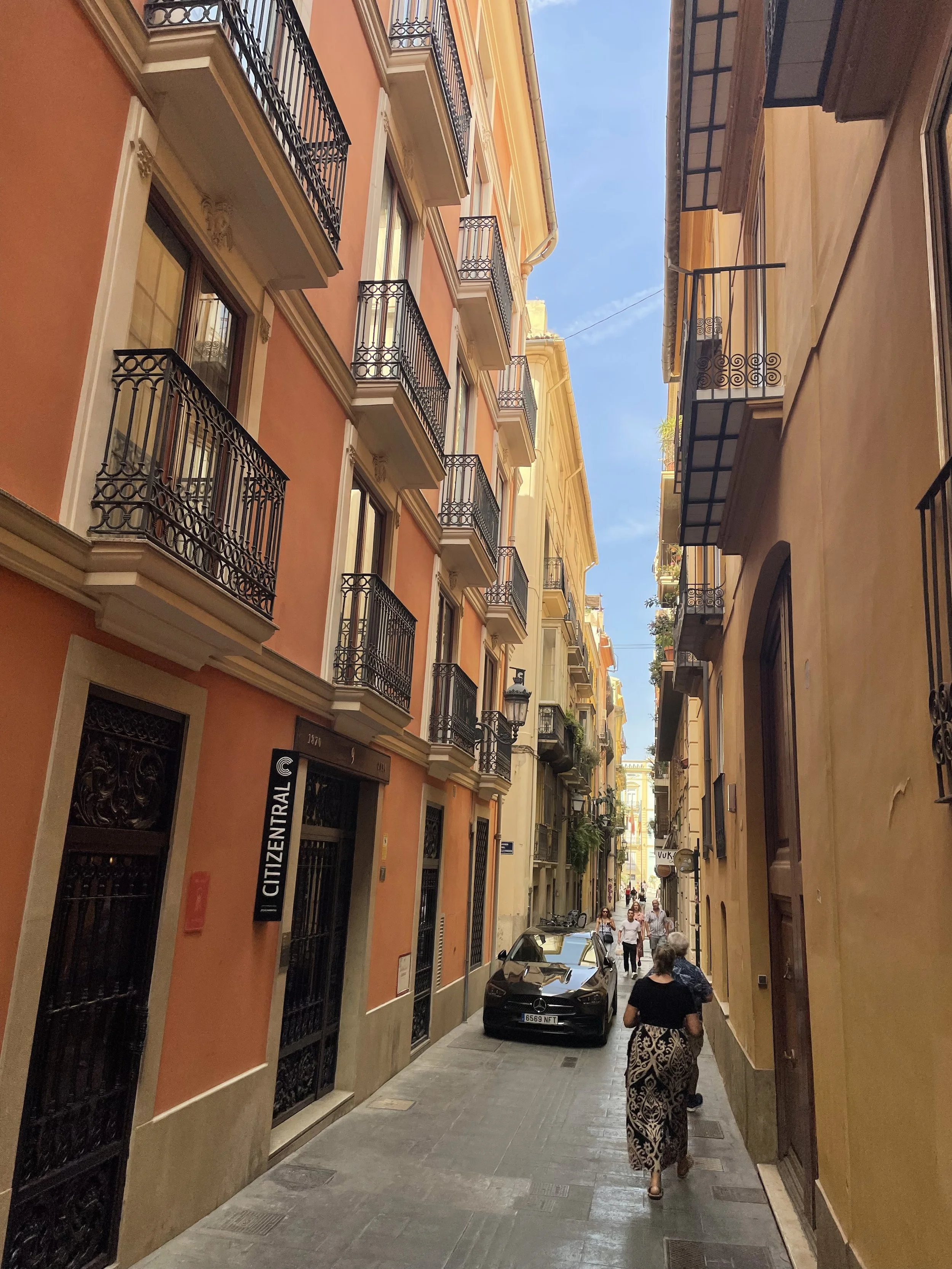
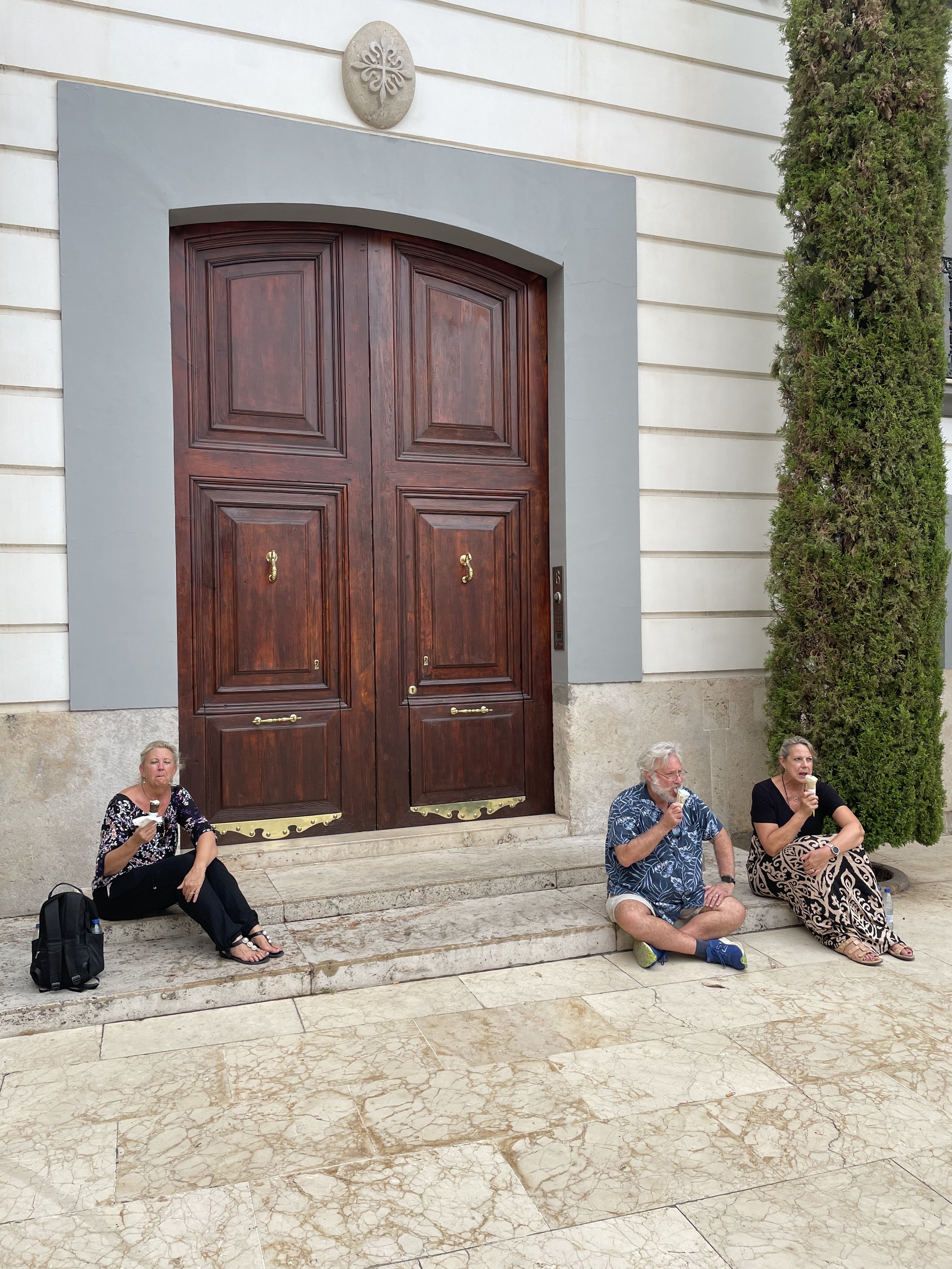
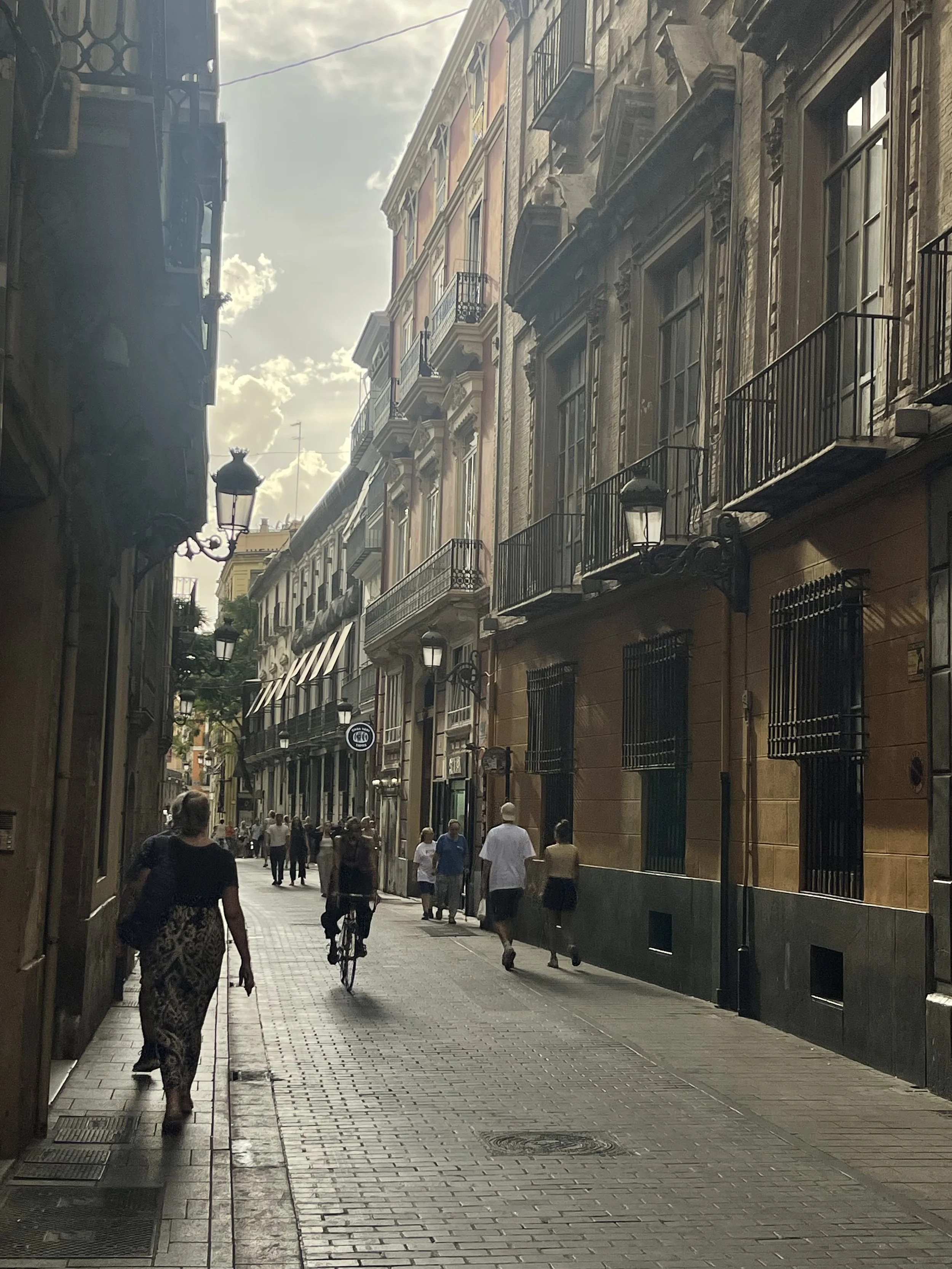
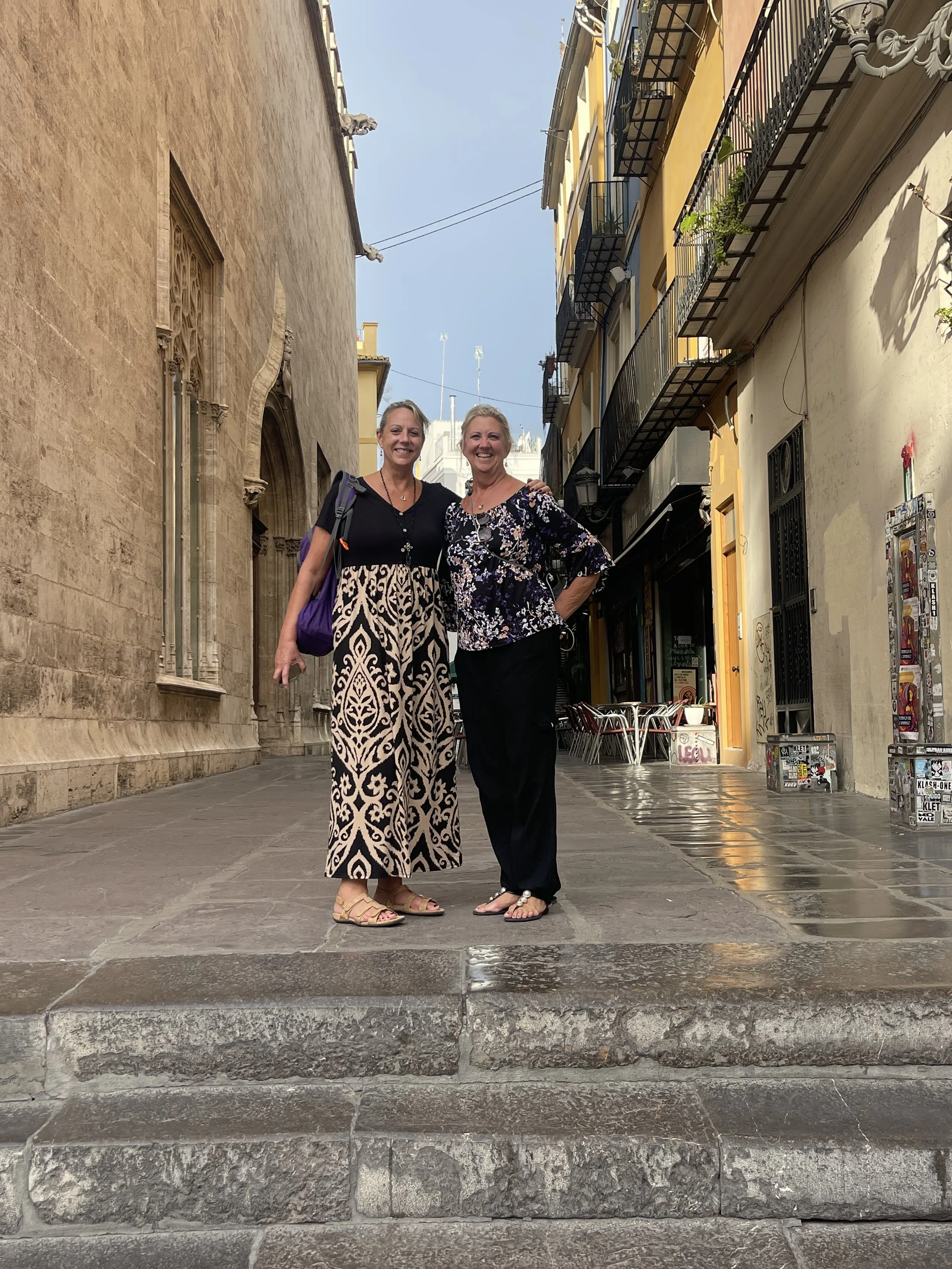
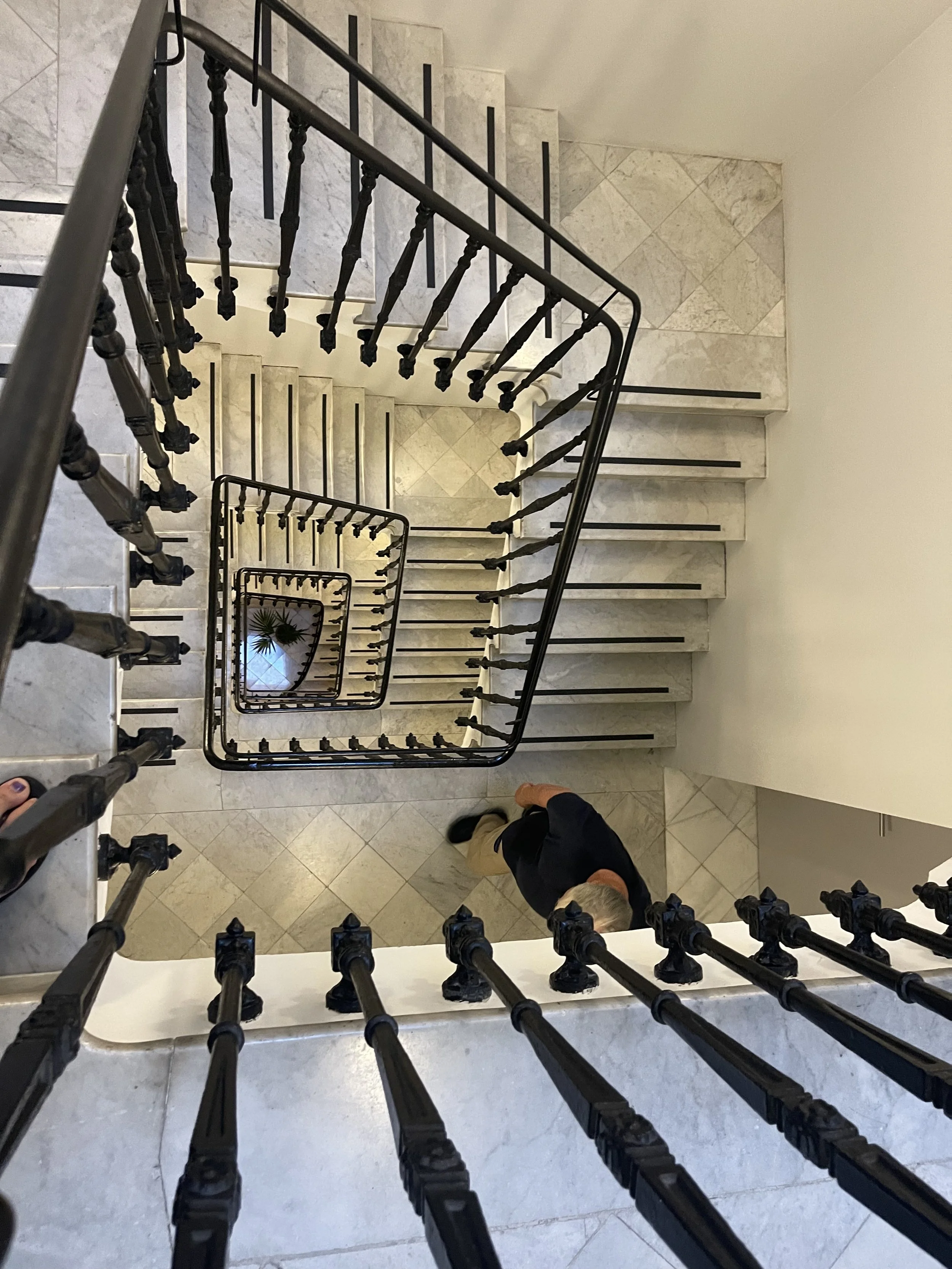
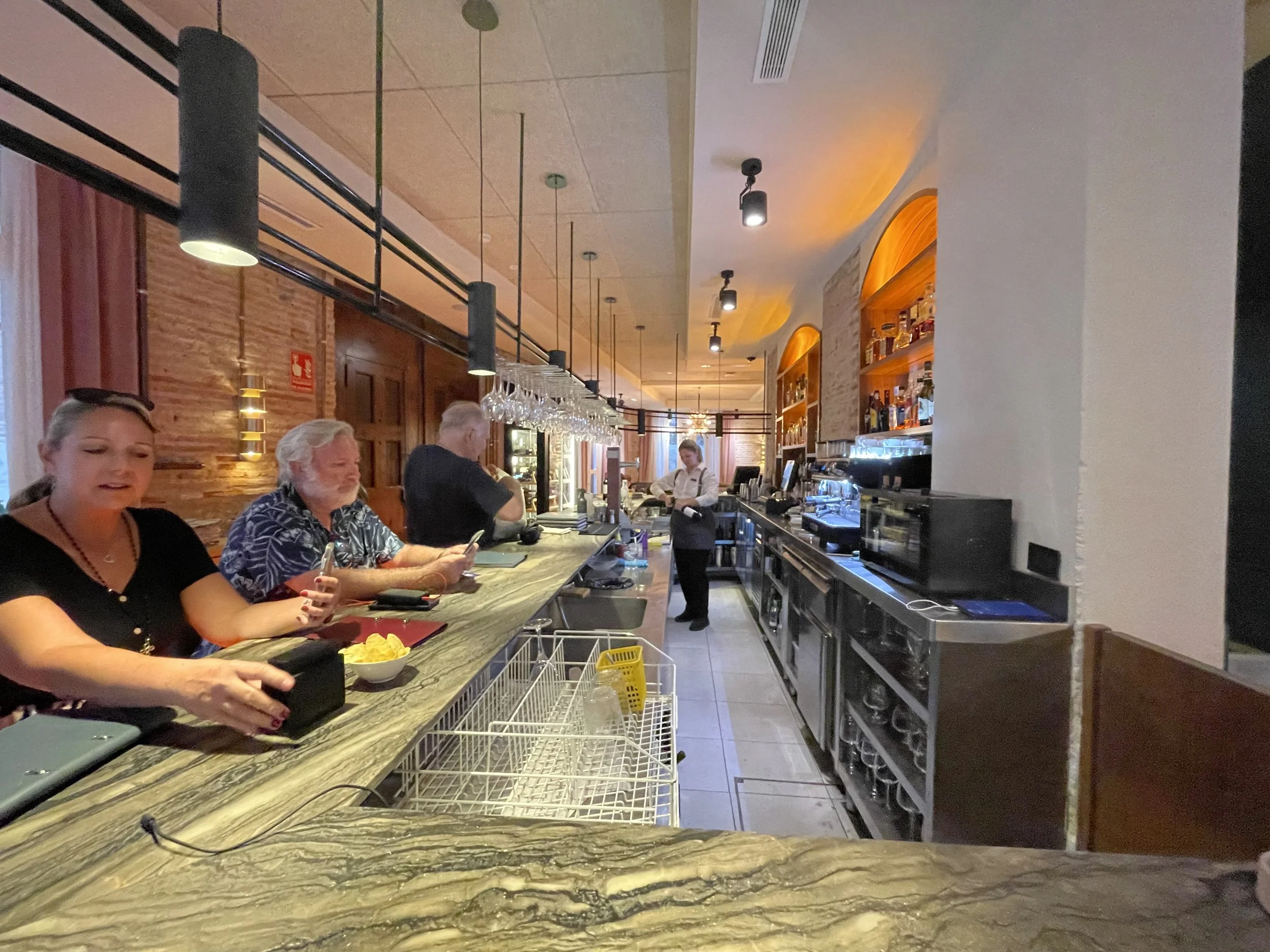
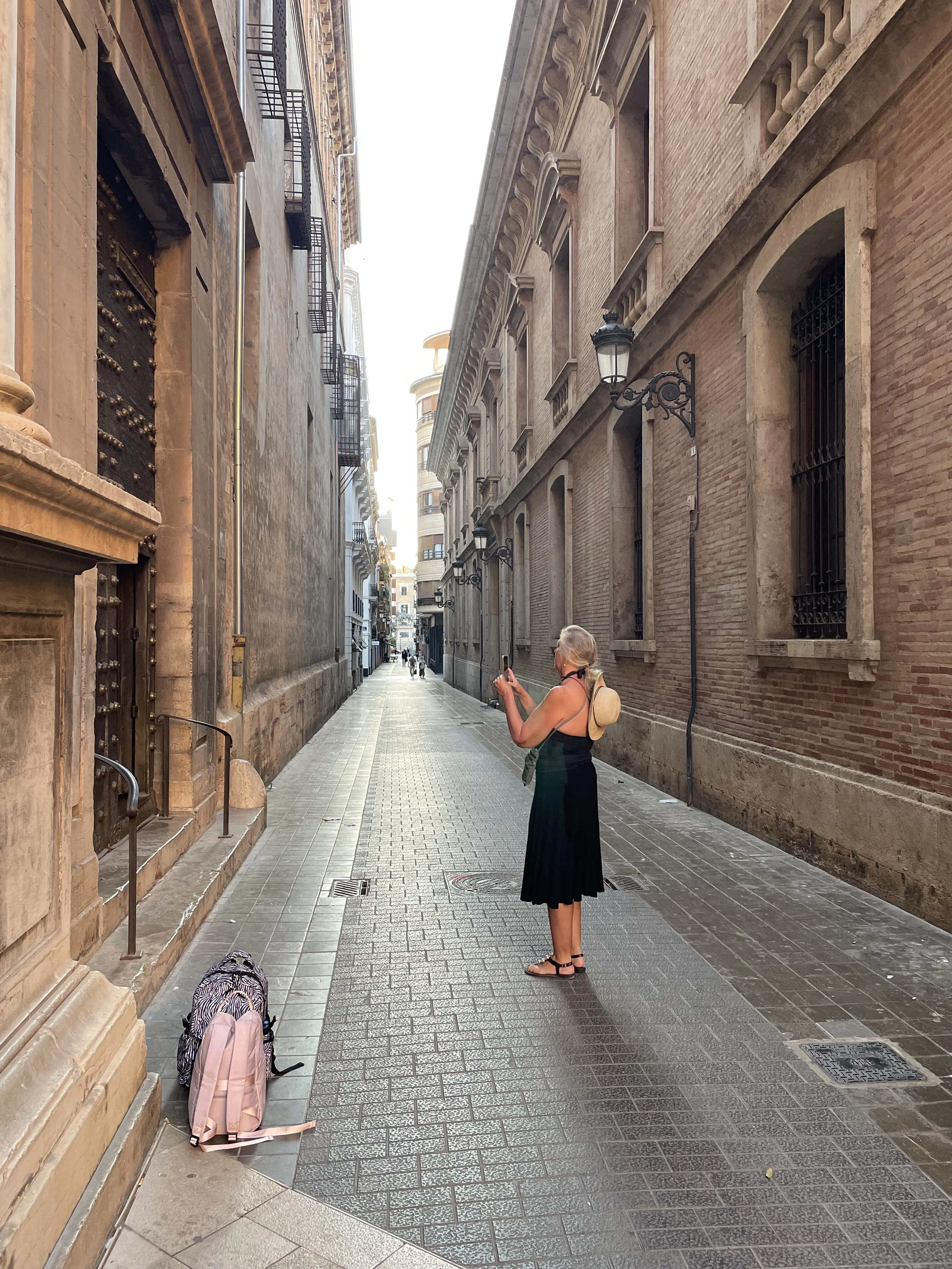
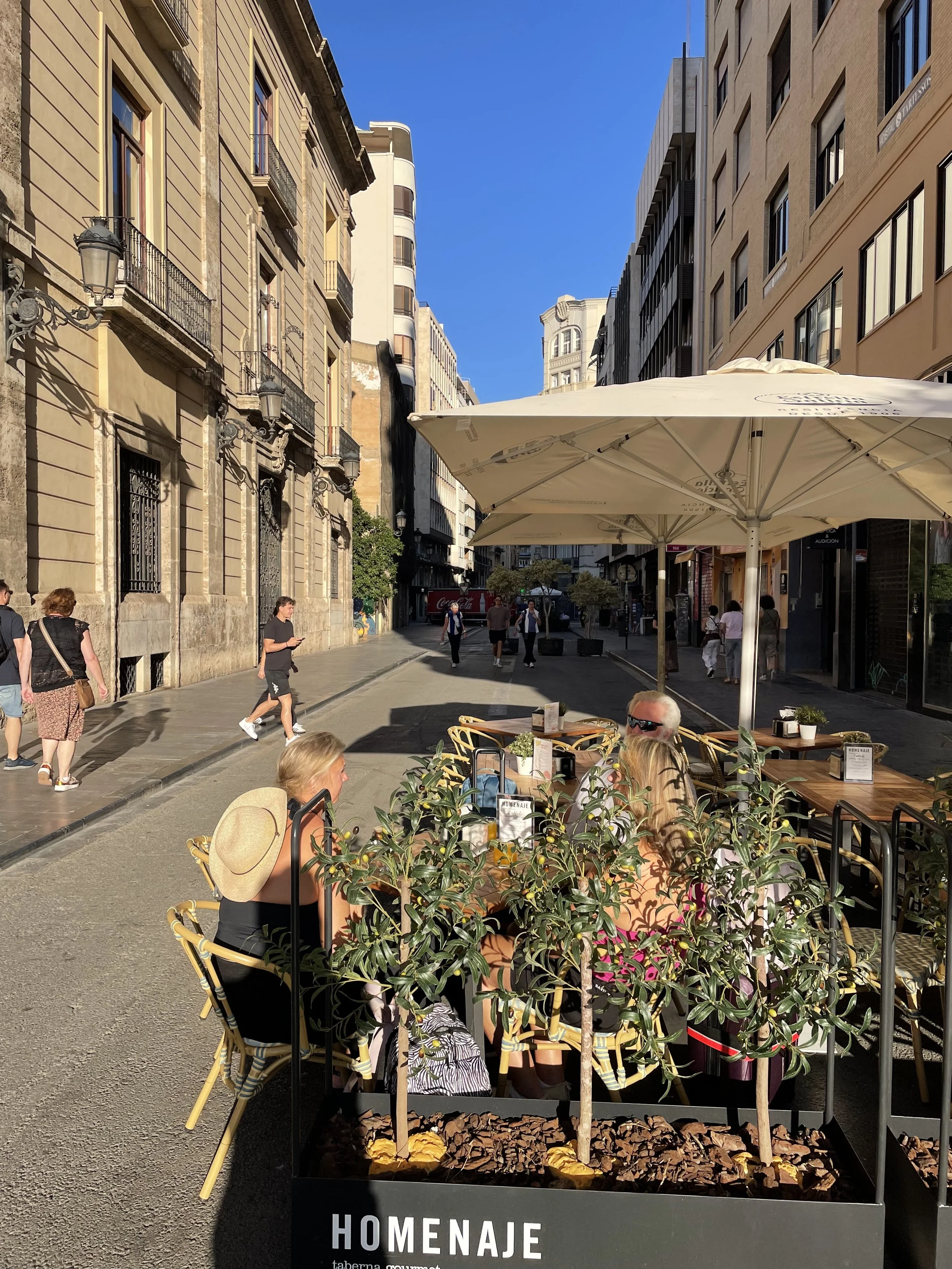
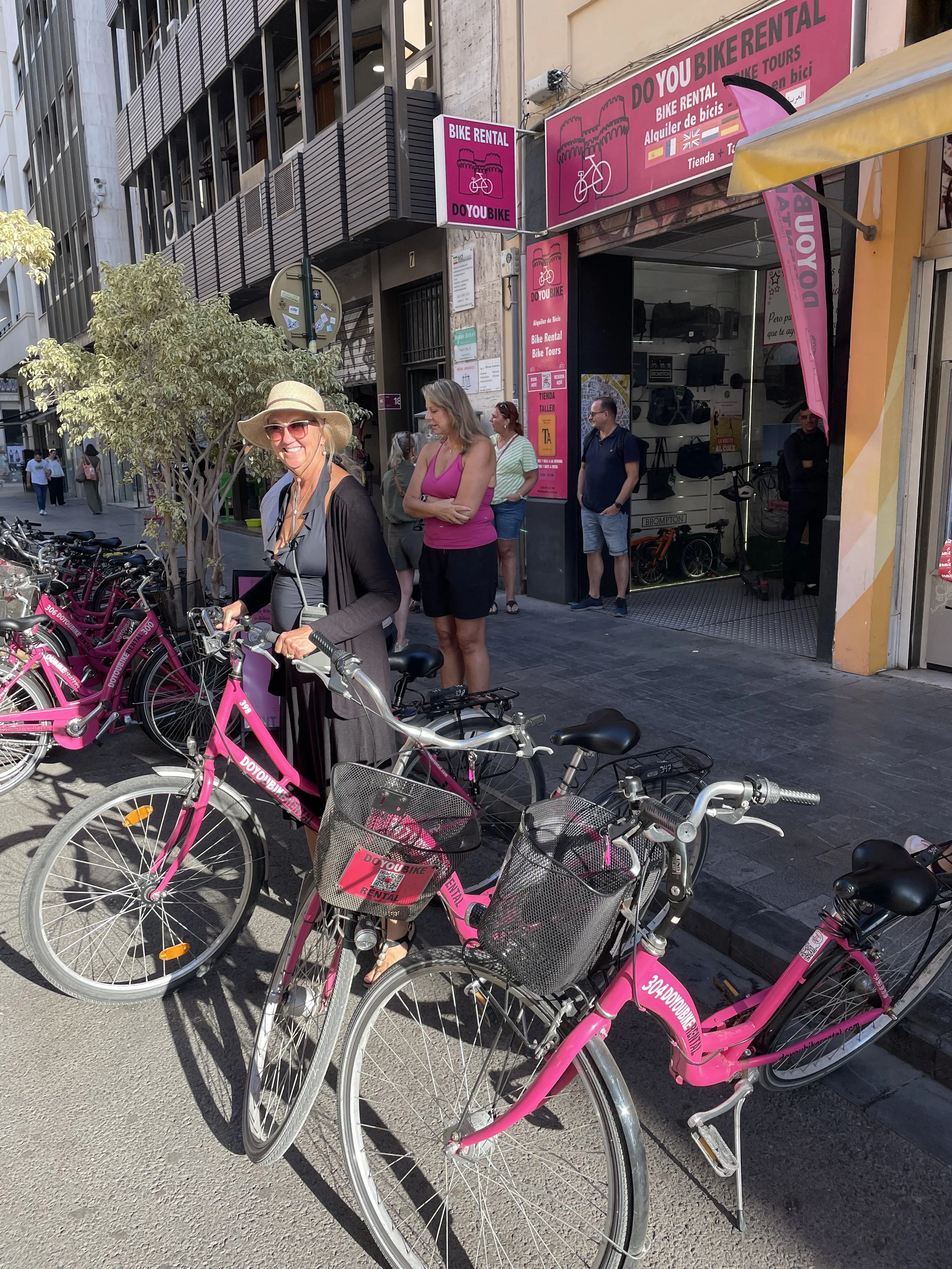
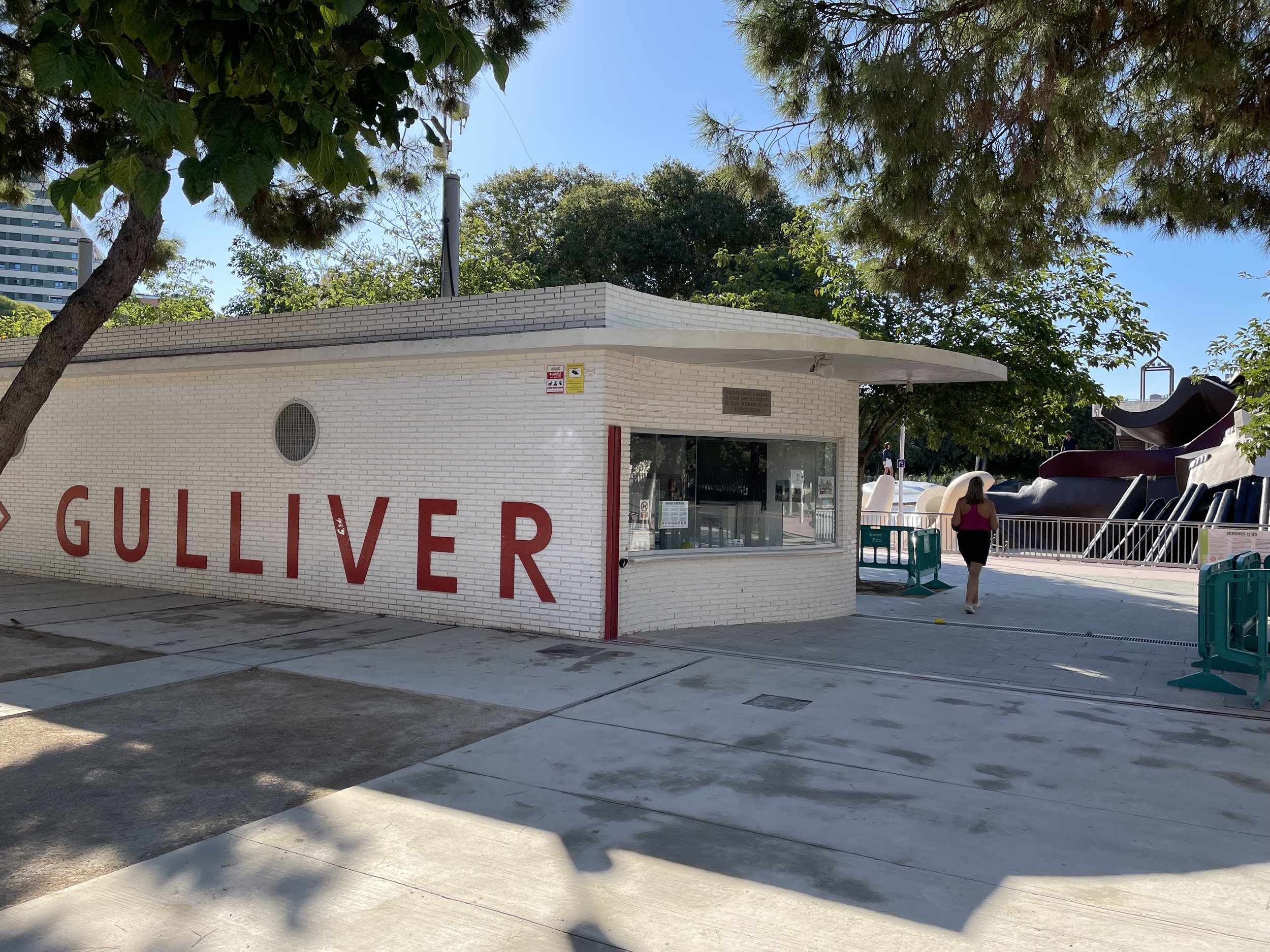
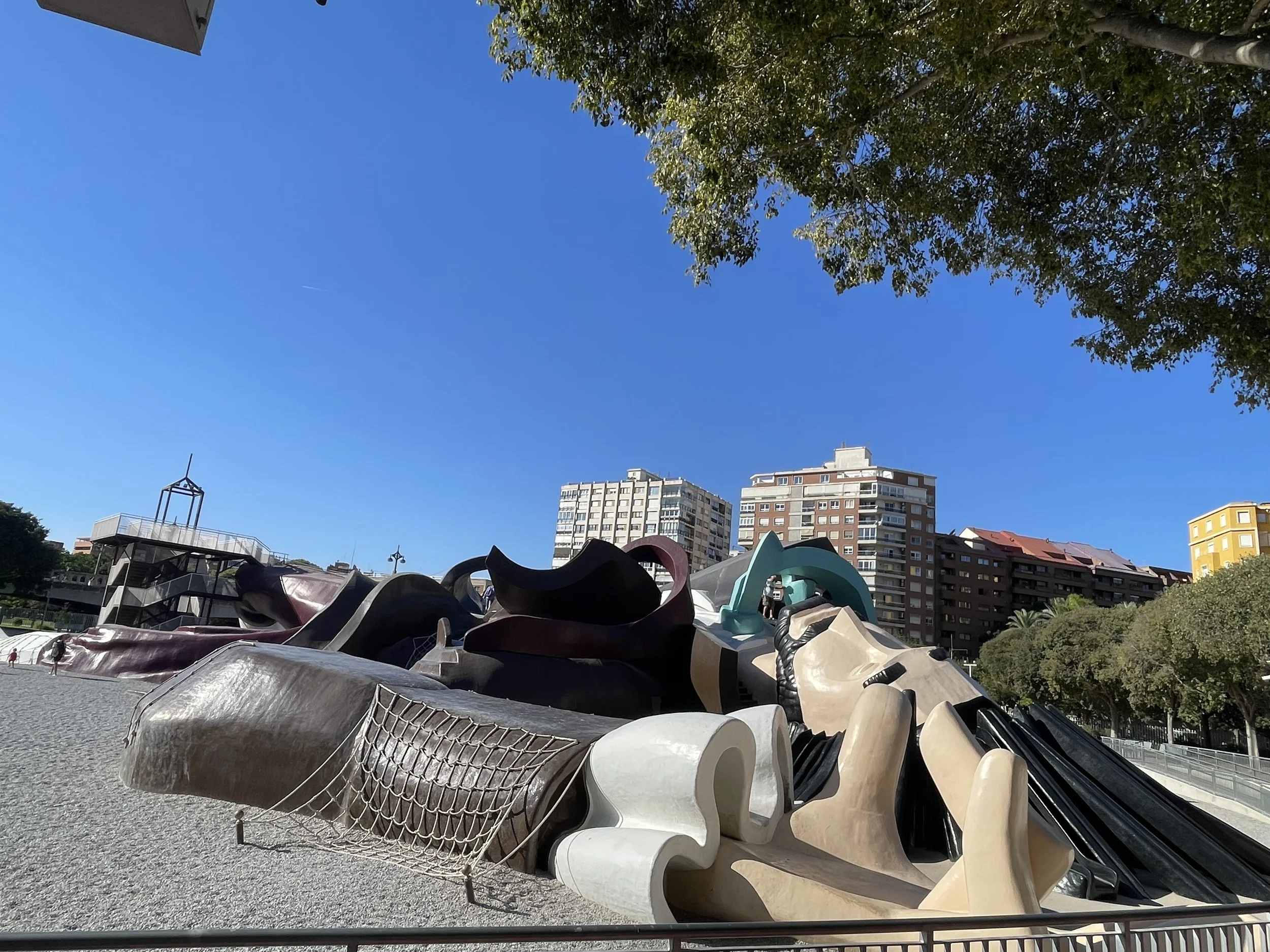
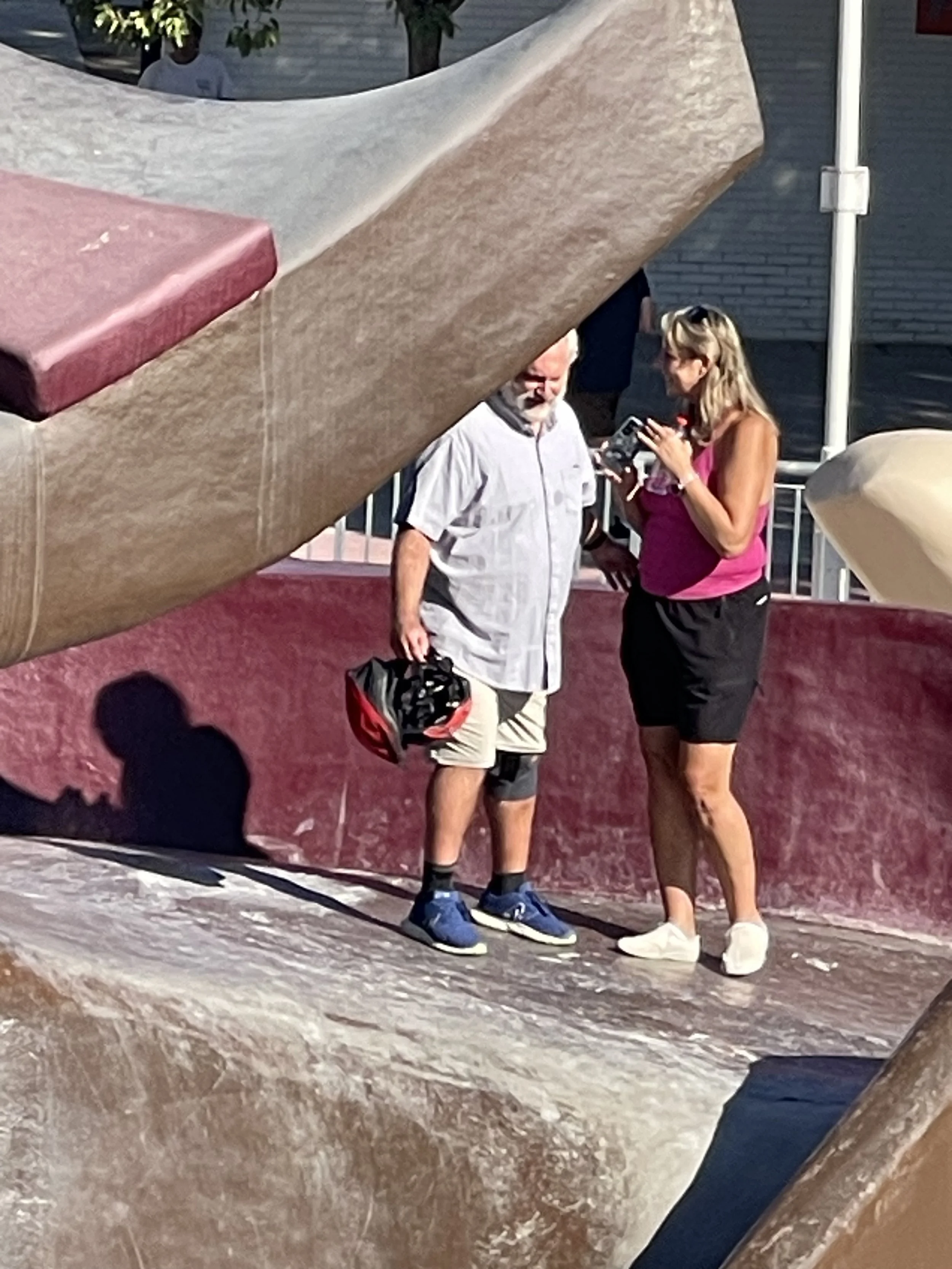
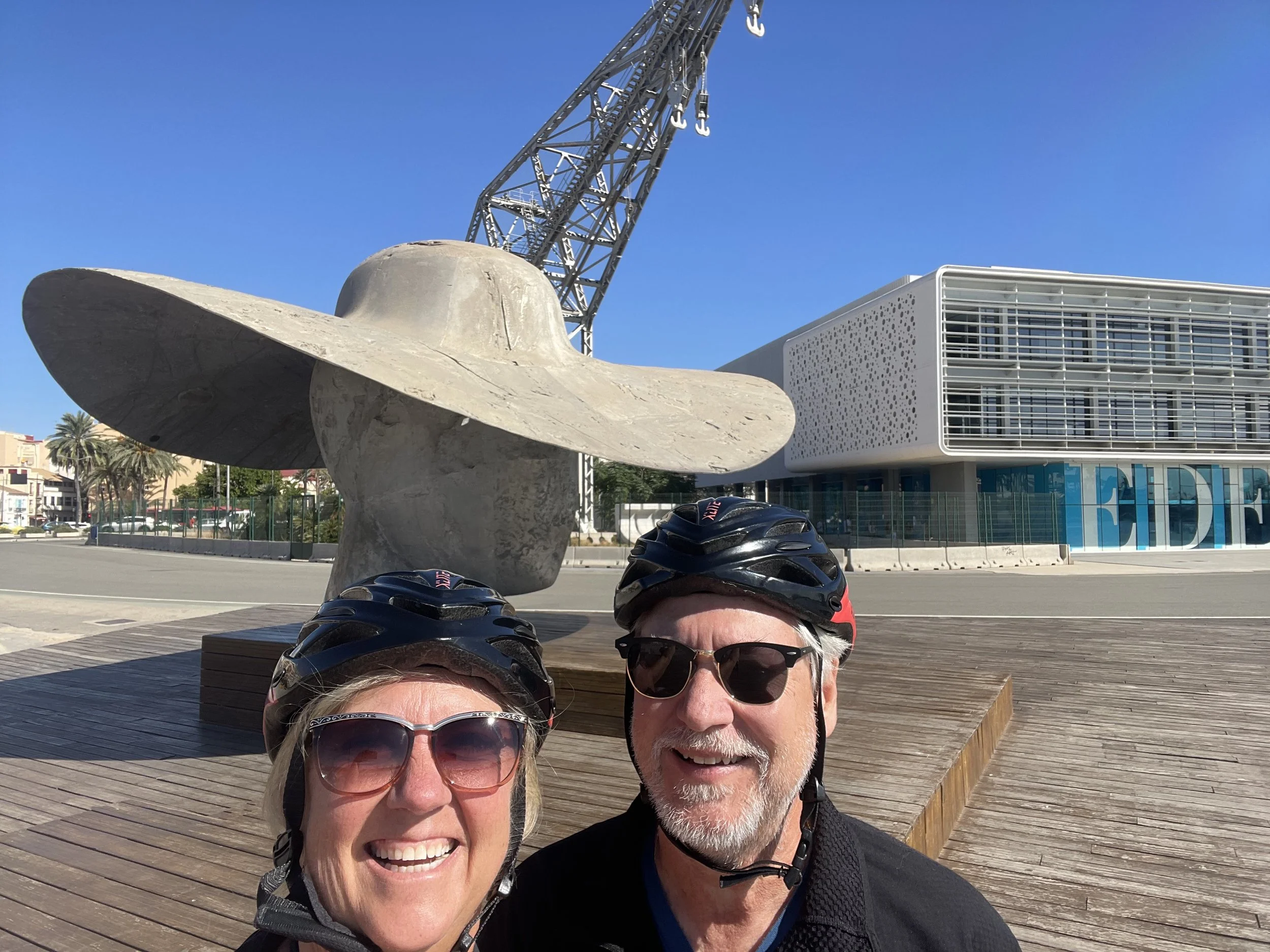
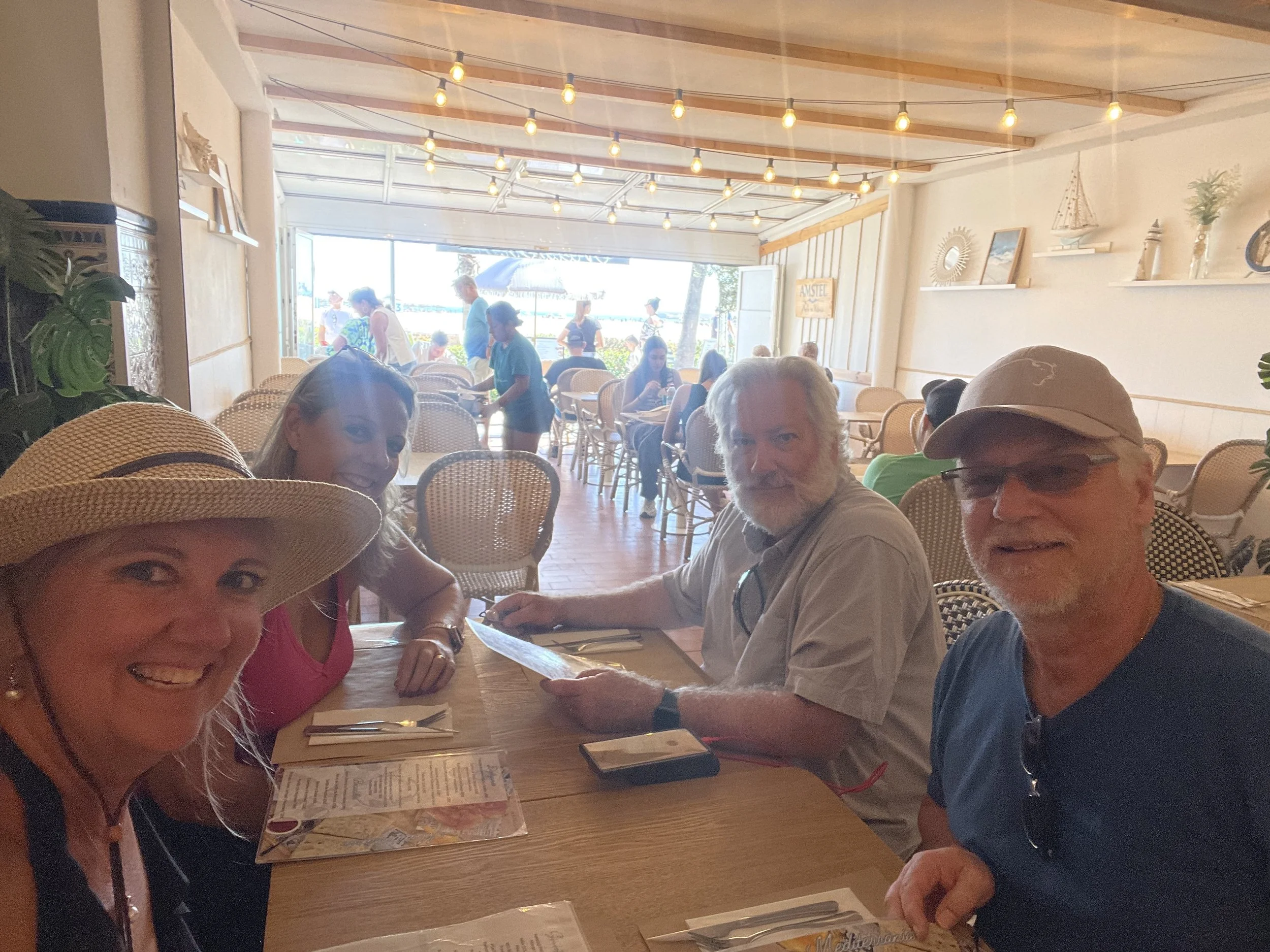
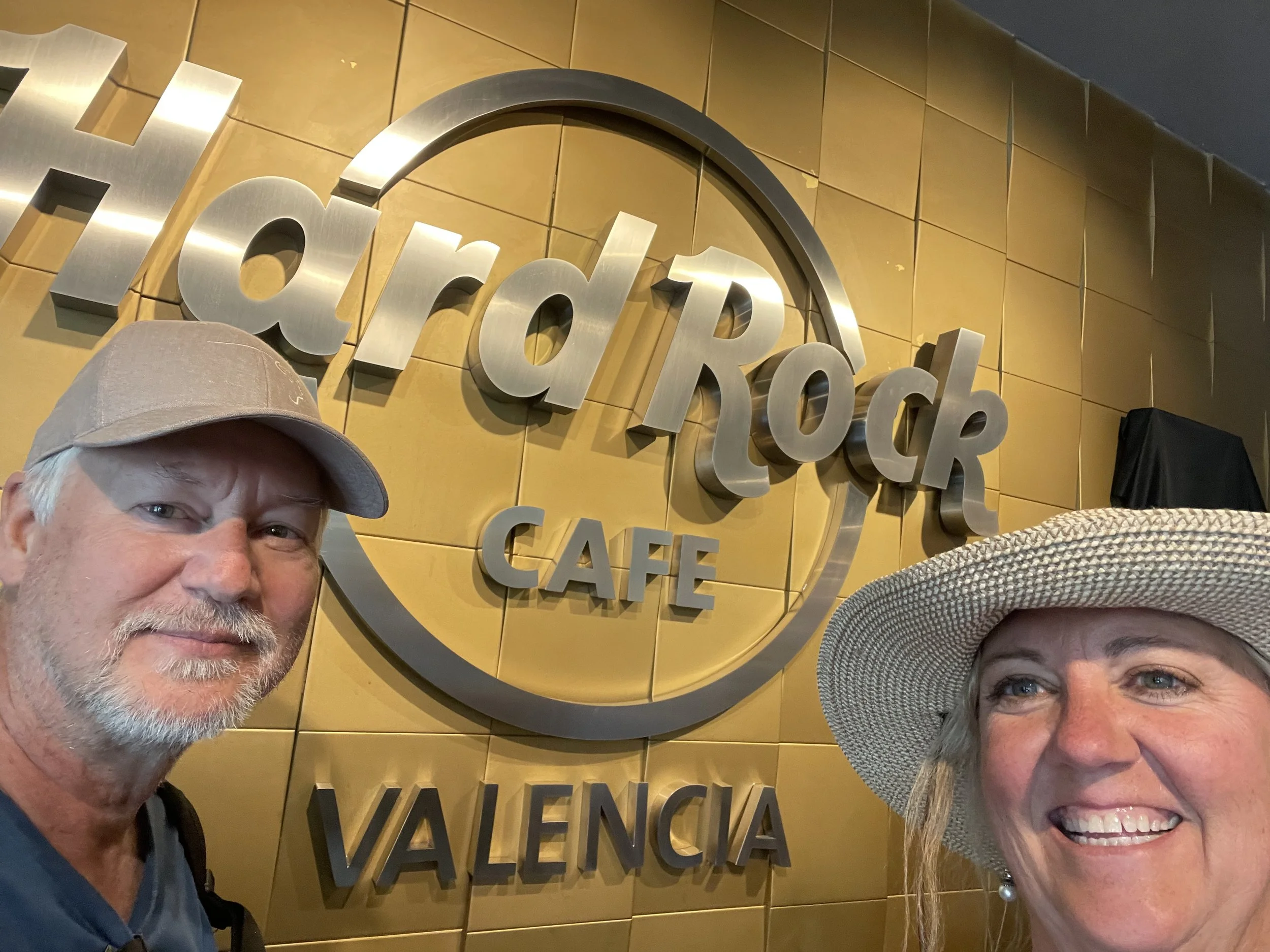
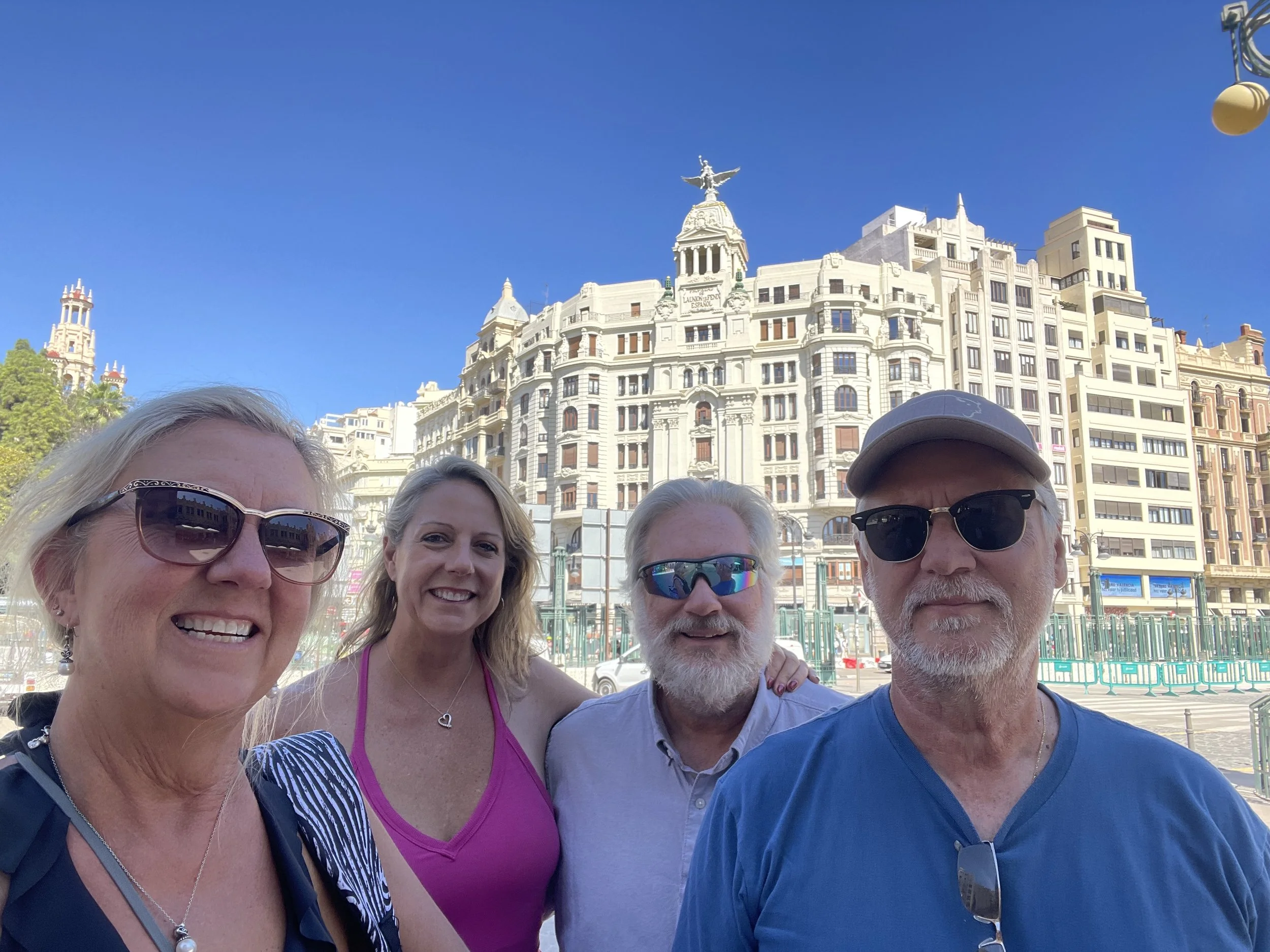
Arrive to Valencia noon. We bicycled all over the place!
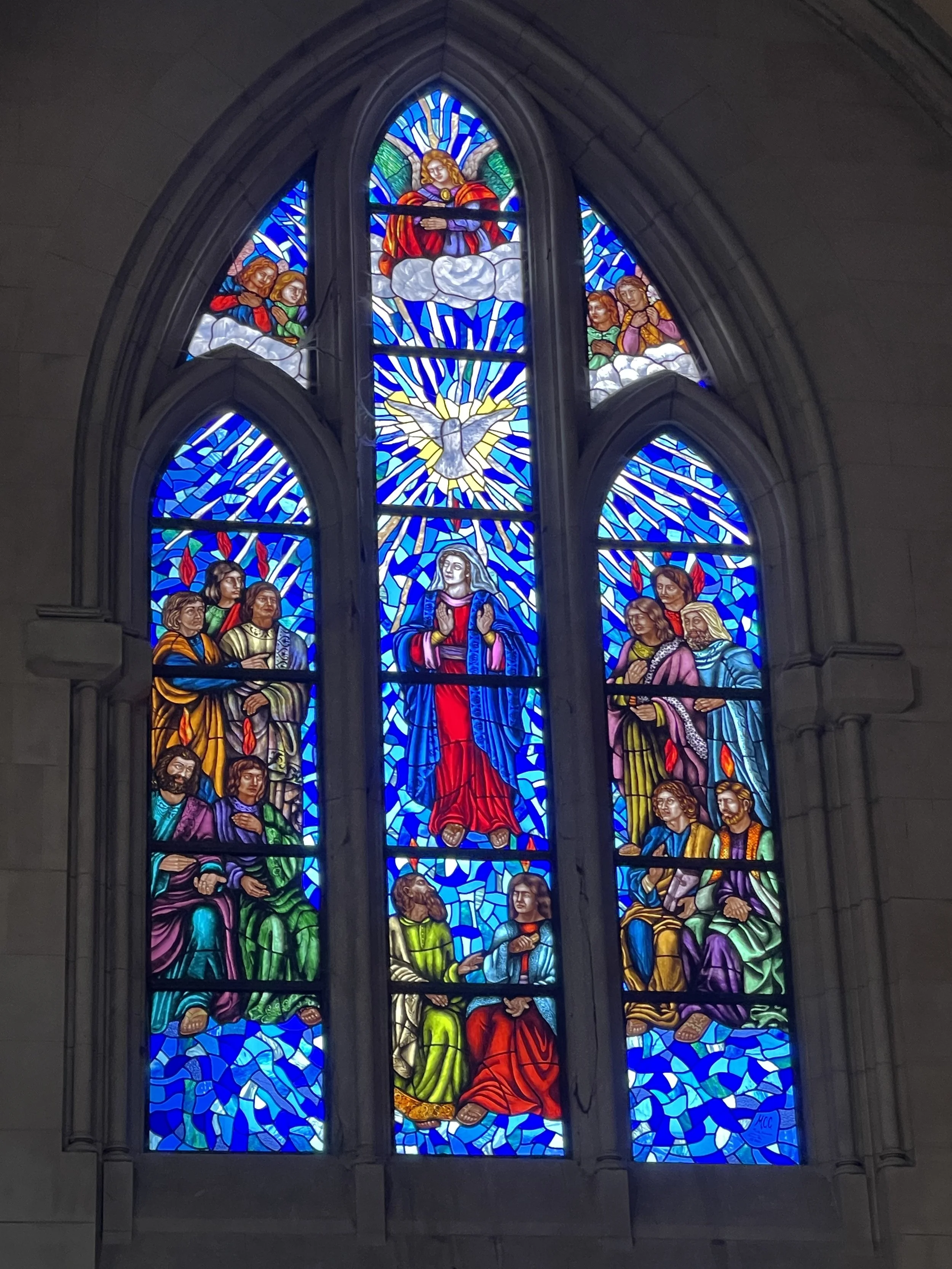
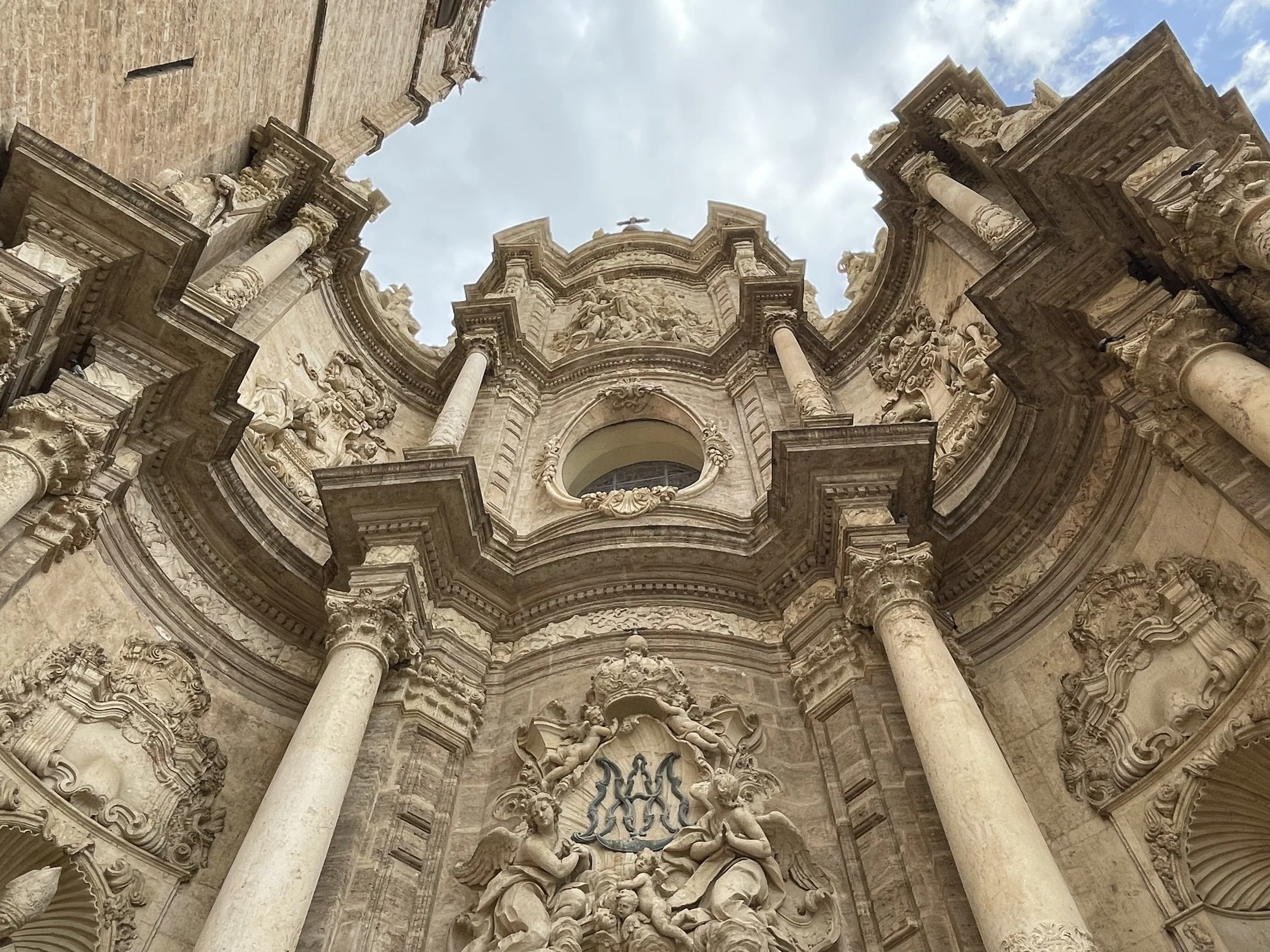
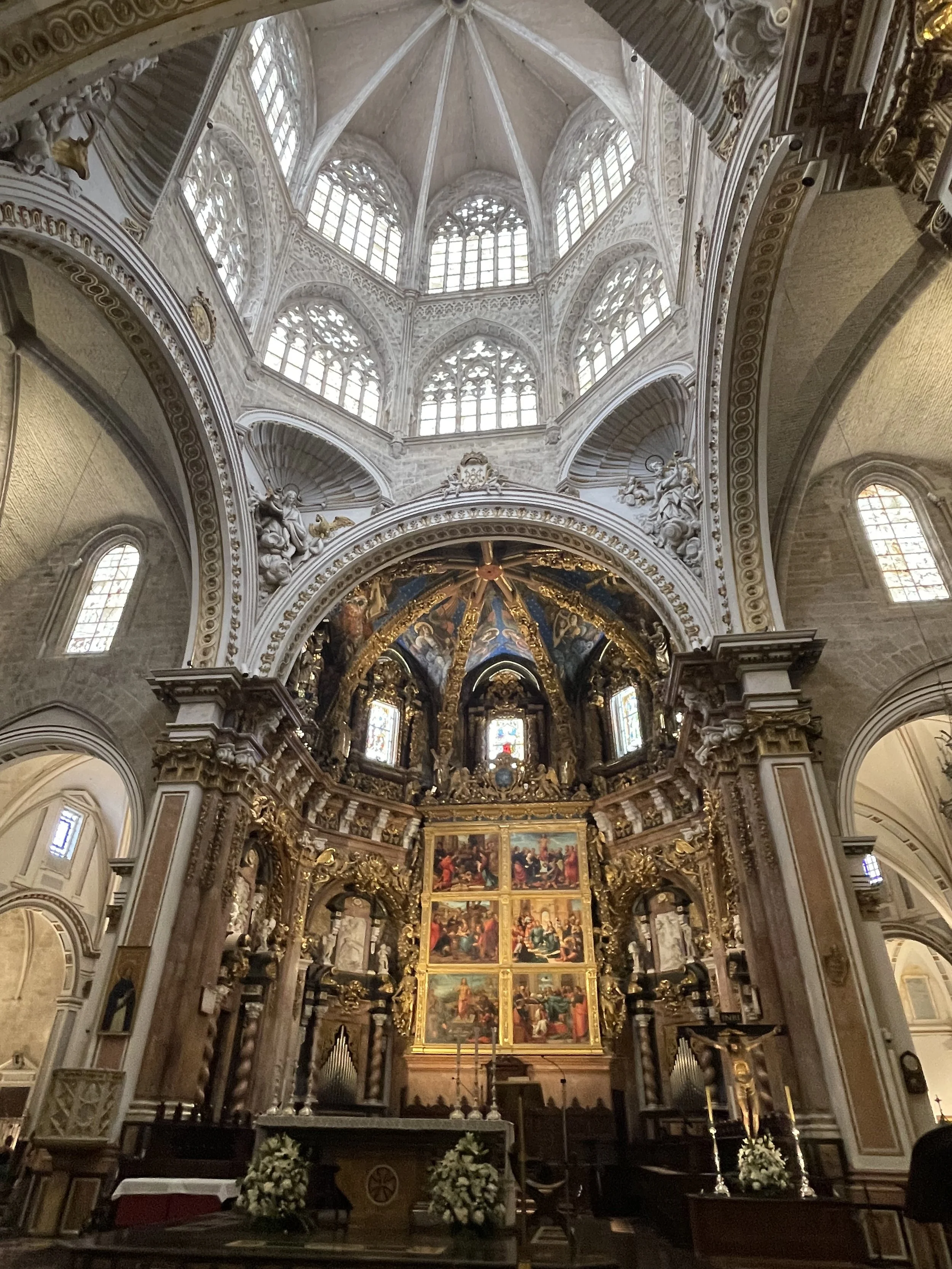
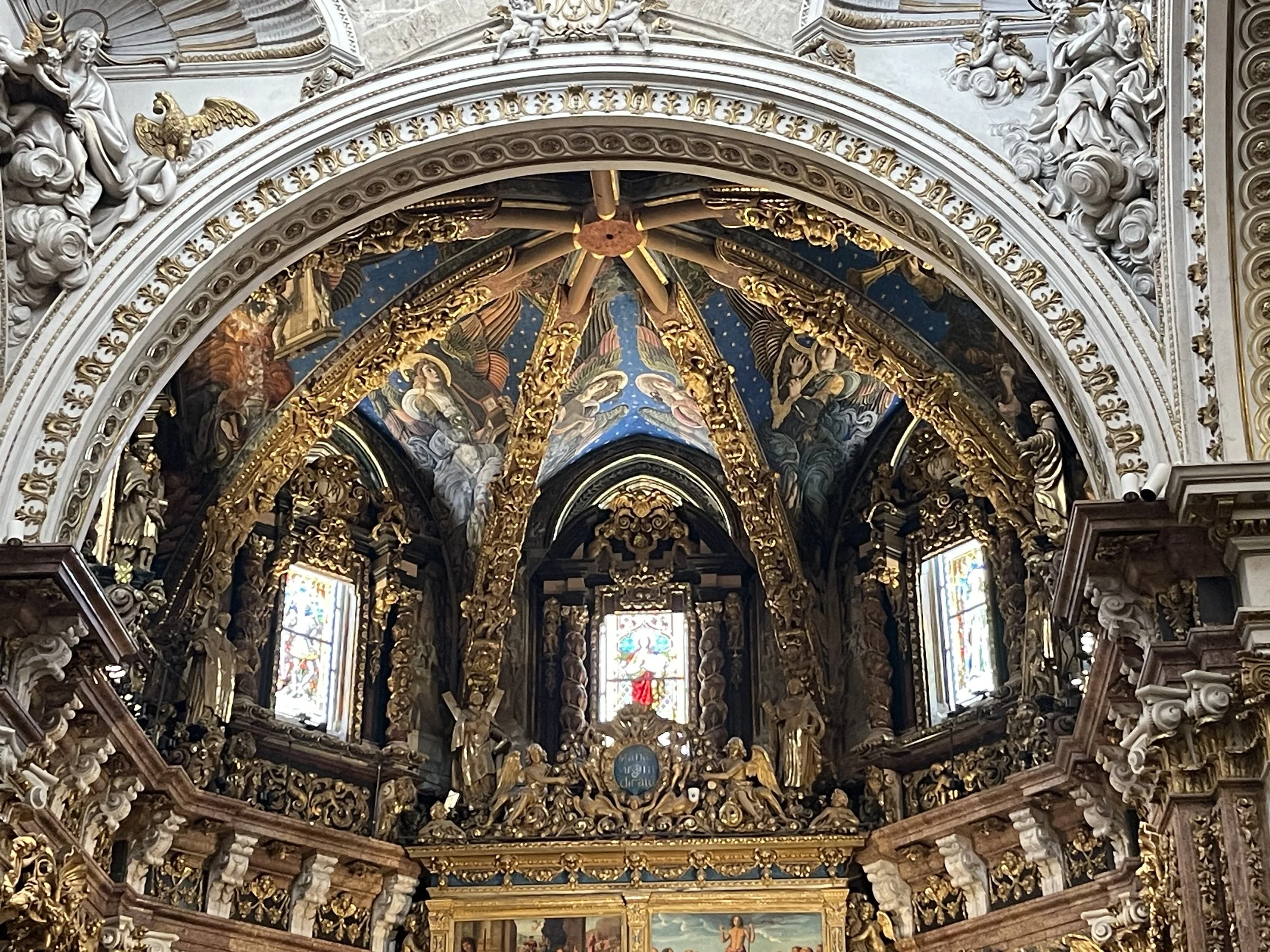
Valencia Cathedral, at greater length the Metropolitan Cathedral–Basilica of the Assumption of Our Lady of Valencia, also known as St Mary's Cathedral, is a Catholic church in Valencia, Spain. The cathedral was consecrated in 1238. It was built over the site of the former Visigothic cathedral, which under the Moors had been turned into a mosque. Valencian Gothic is the predominant architectural style of the cathedral, although it also contains Romanesque, French Gothic, Renaissance, Baroque and Neoclassical elements. The cathedral contains numerous 15th-century paintings. A purported Holy Chalice, believed by many to be the true Holy Grail, is kept in one of the cathedral's chapels.
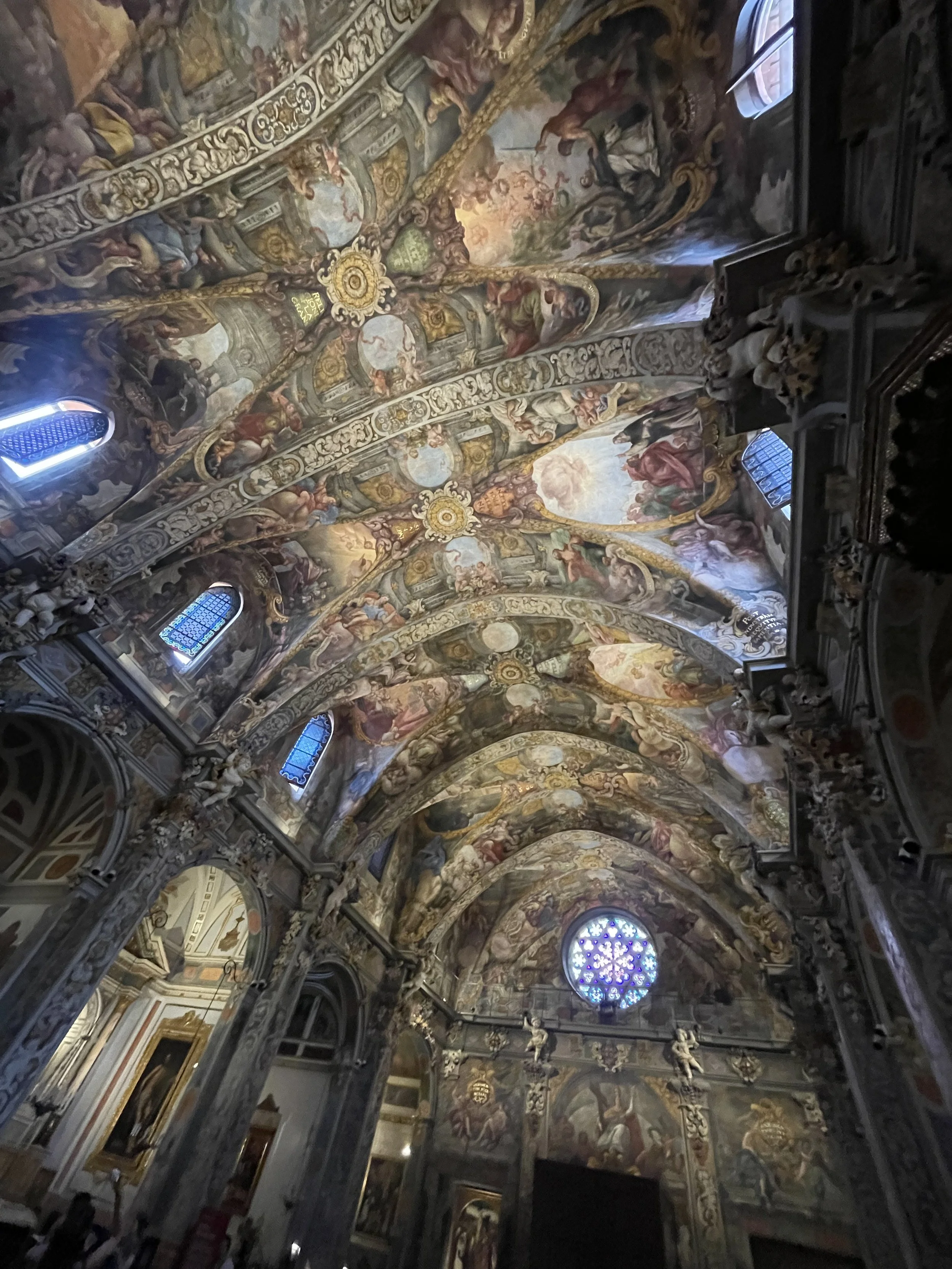
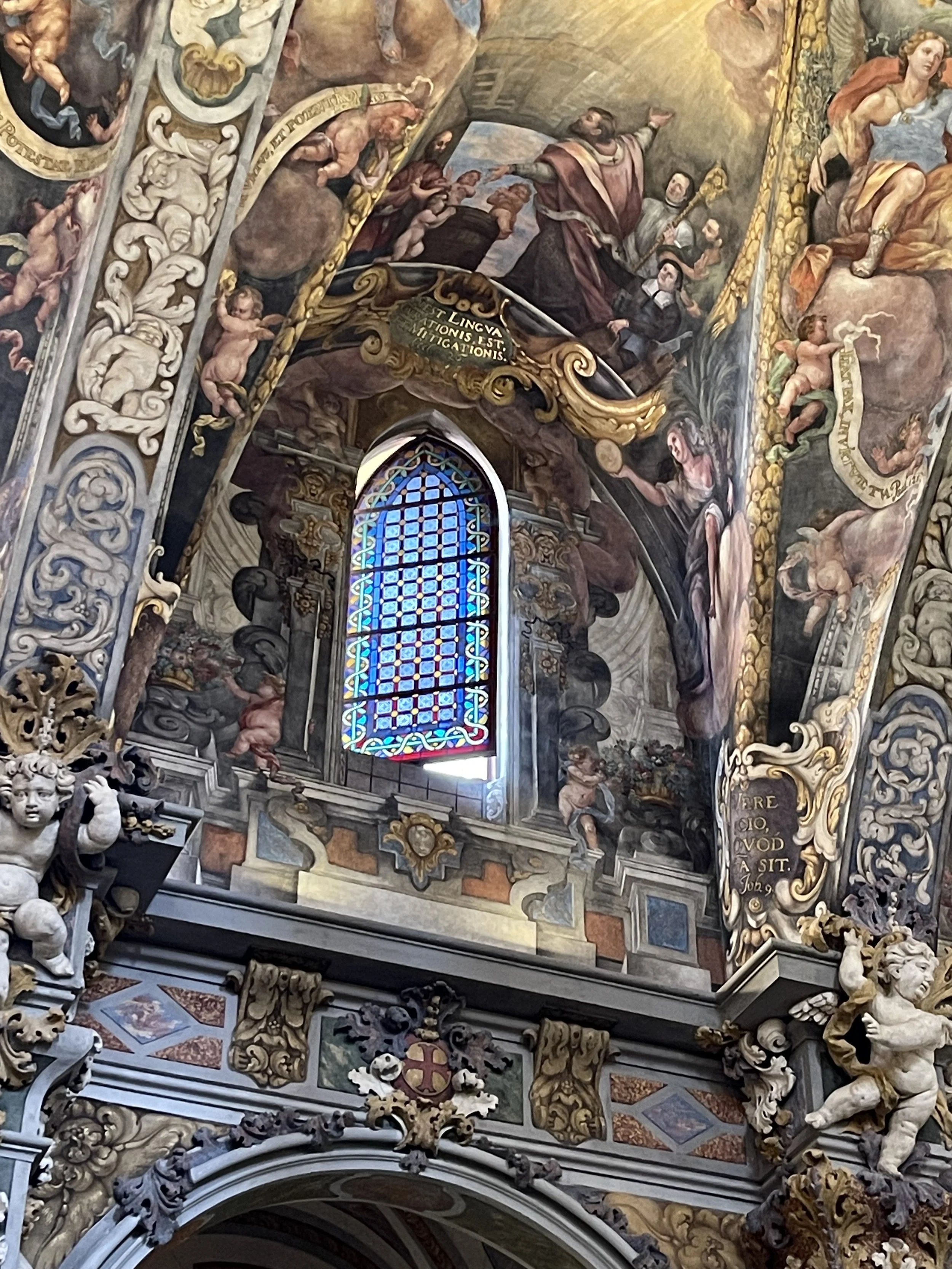
the "Sistine Chapel of Valencia", in the heart of Valencia, San Nicolas de Bari is one of the city's oldest churches and its gothic facade is matched only by the baroque interior, covered with incredible artworks. The church was founded in the 13th century, with a layout that includes a single-nave with six chapels between the buttresses and polygonal apse. The church was refurbished in Gothic style in the 15th century, with a rose window alluding to a miracle of Saint Nicholas. The interior of the church was completed between 1690 and 1693, decorated by Juan Pérez Castiel in Baroque fashion with amazing painted frescos on walls and ceilings.
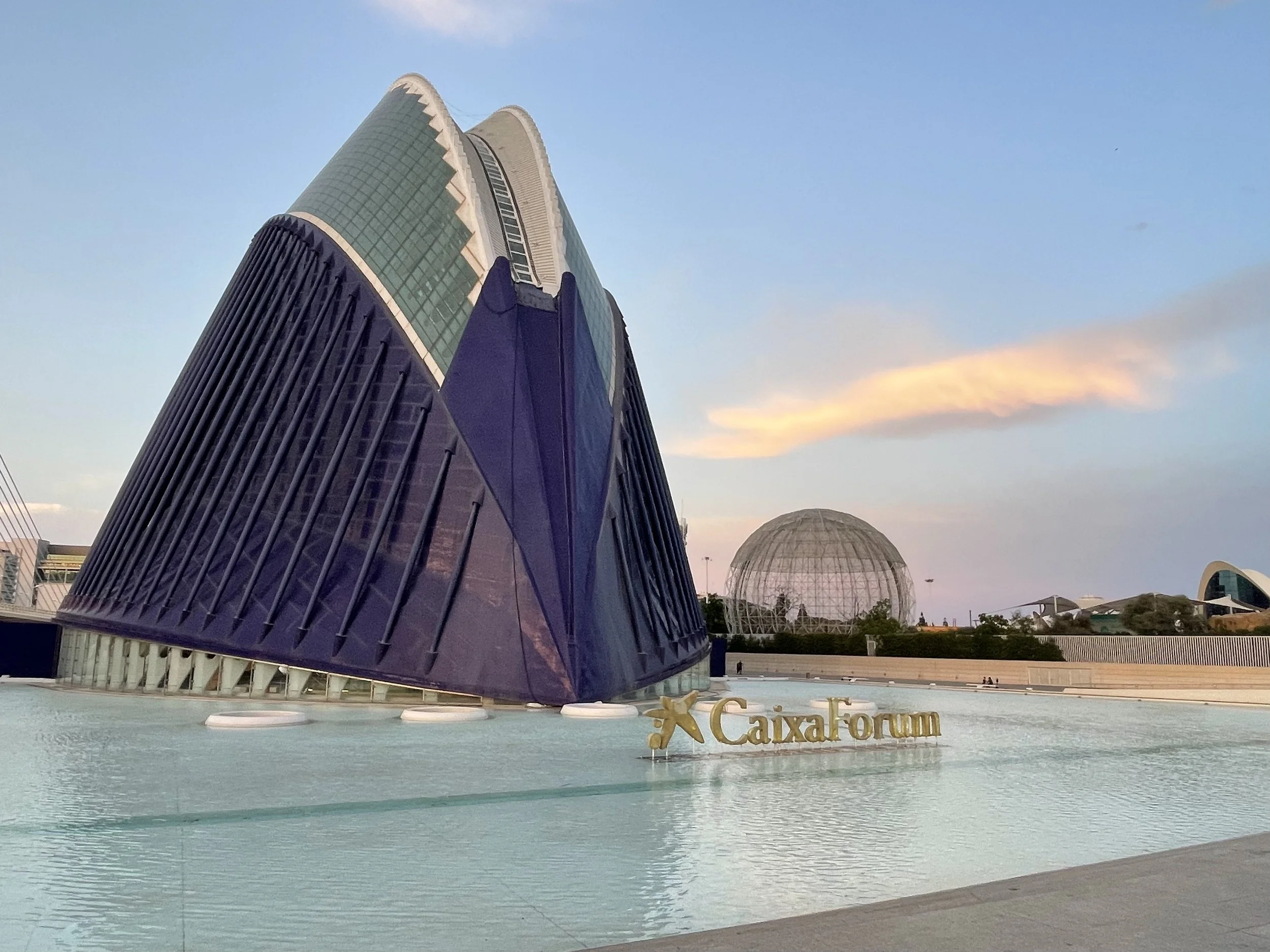
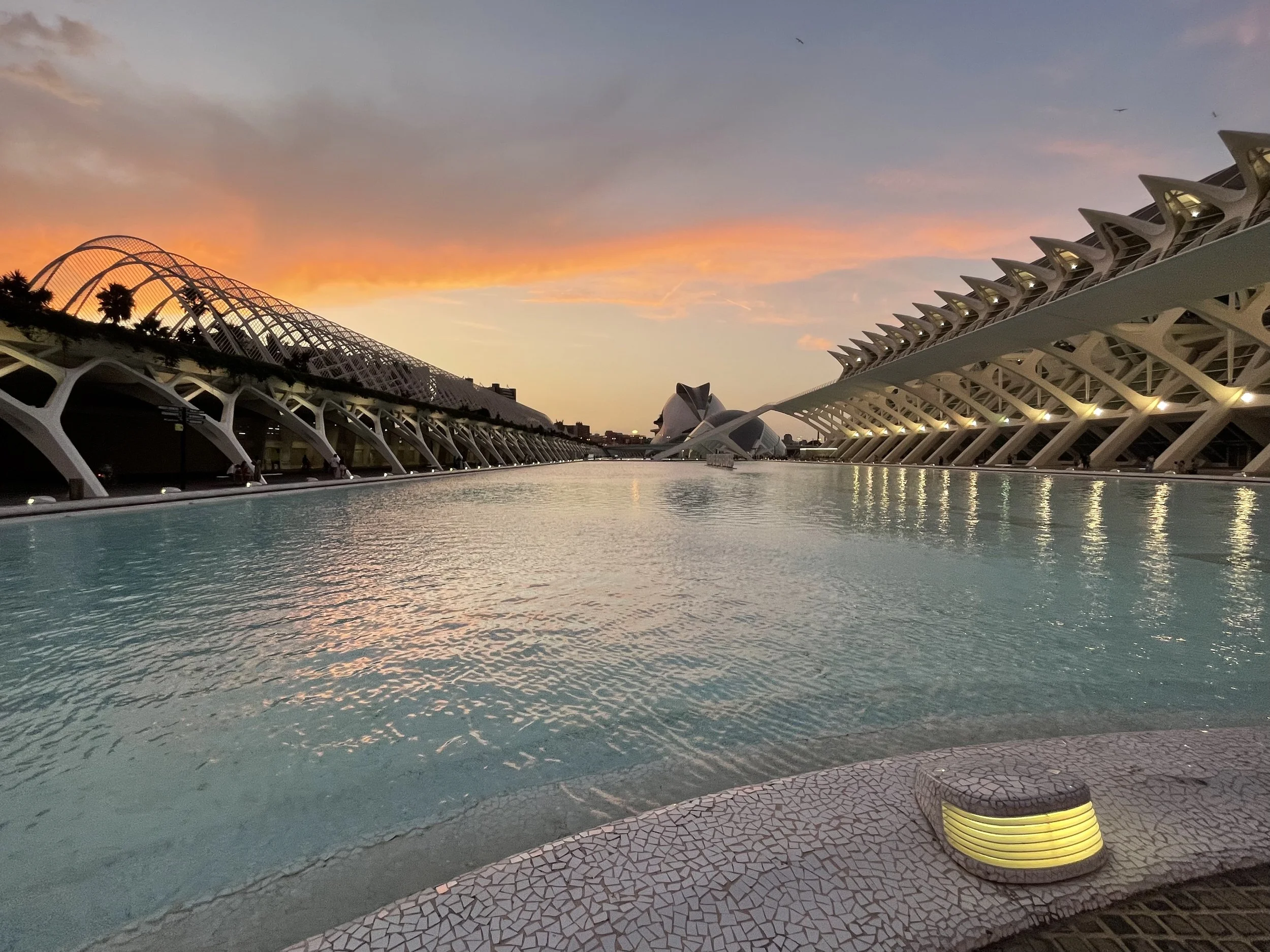
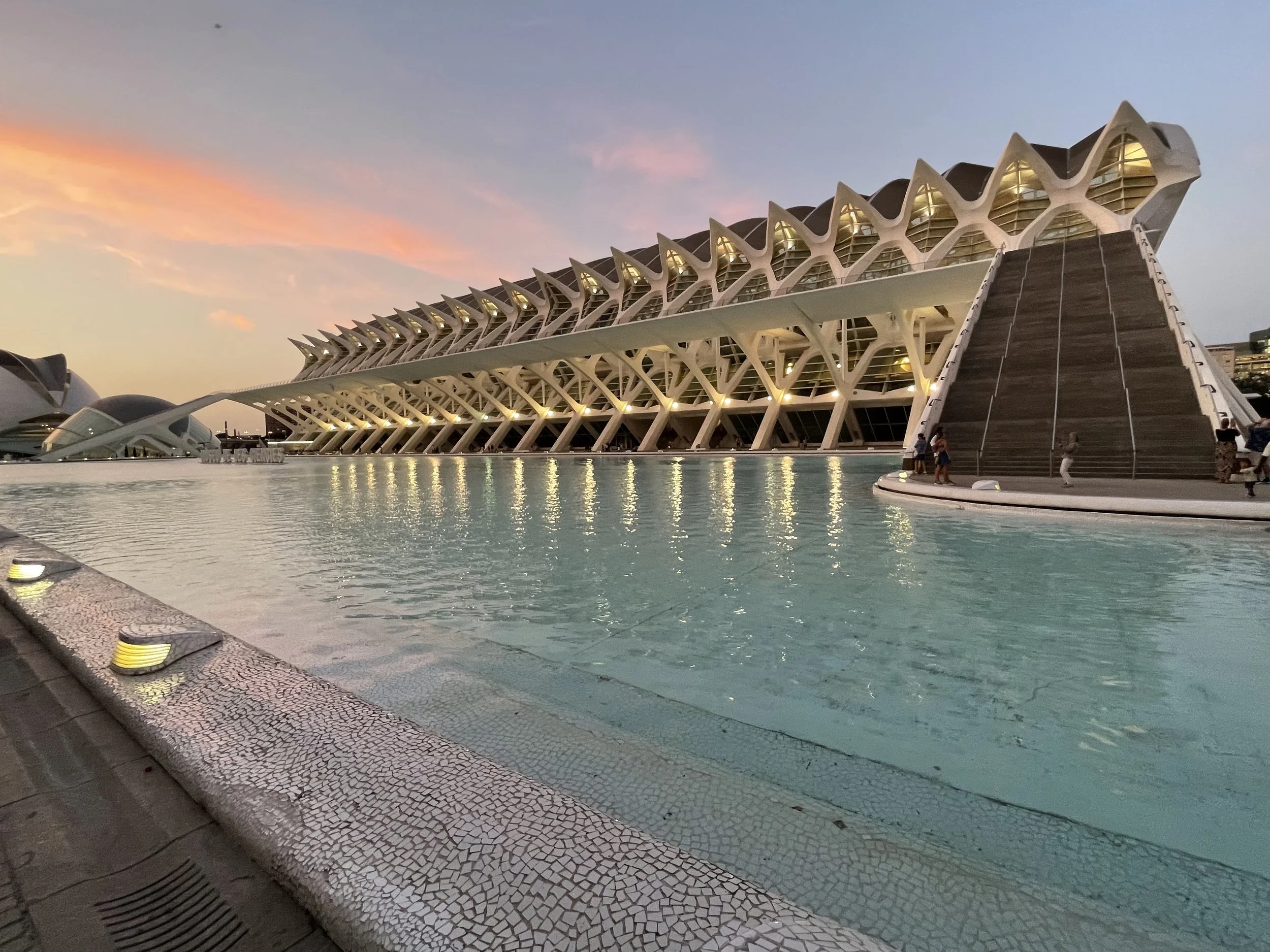
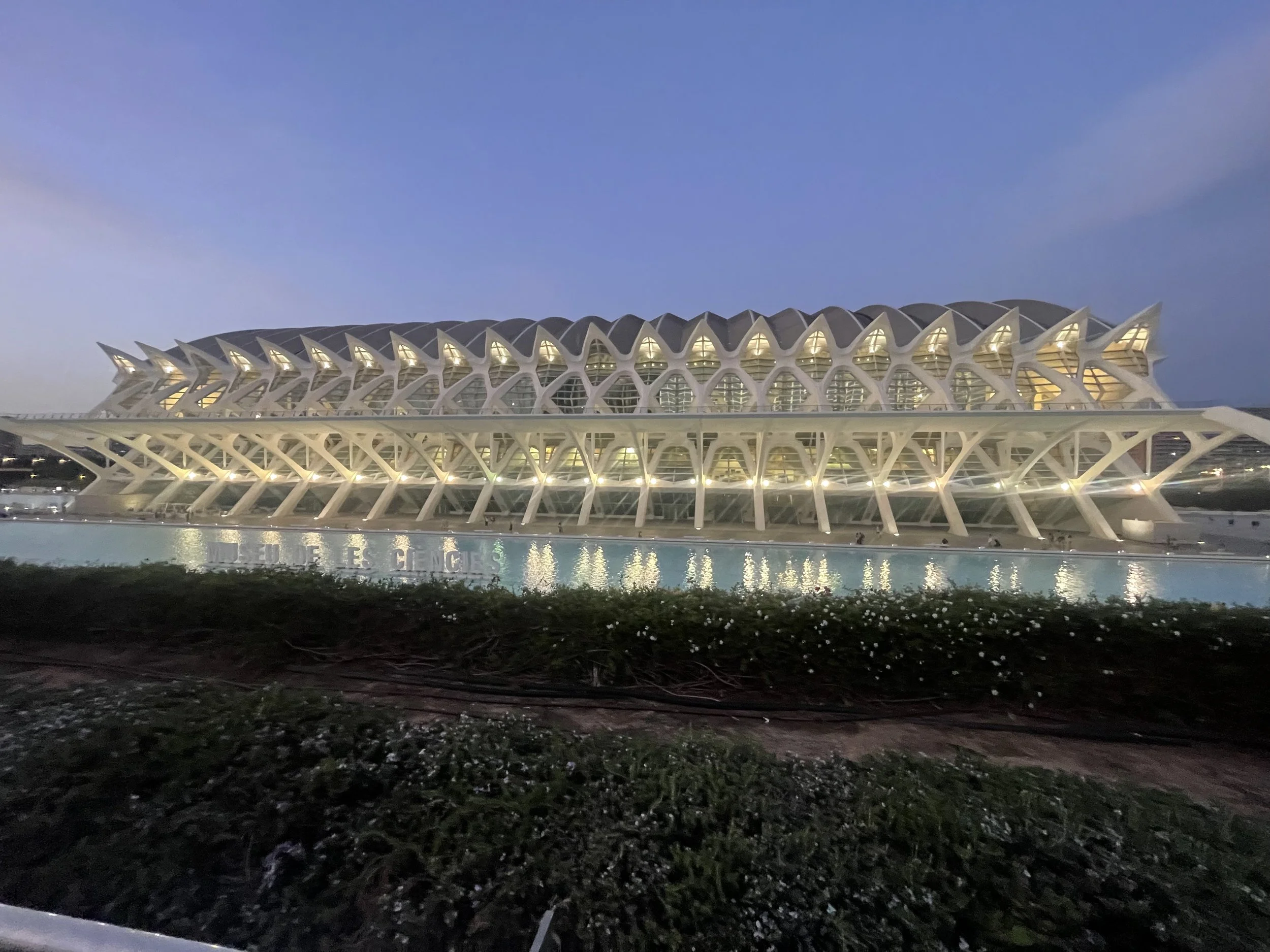
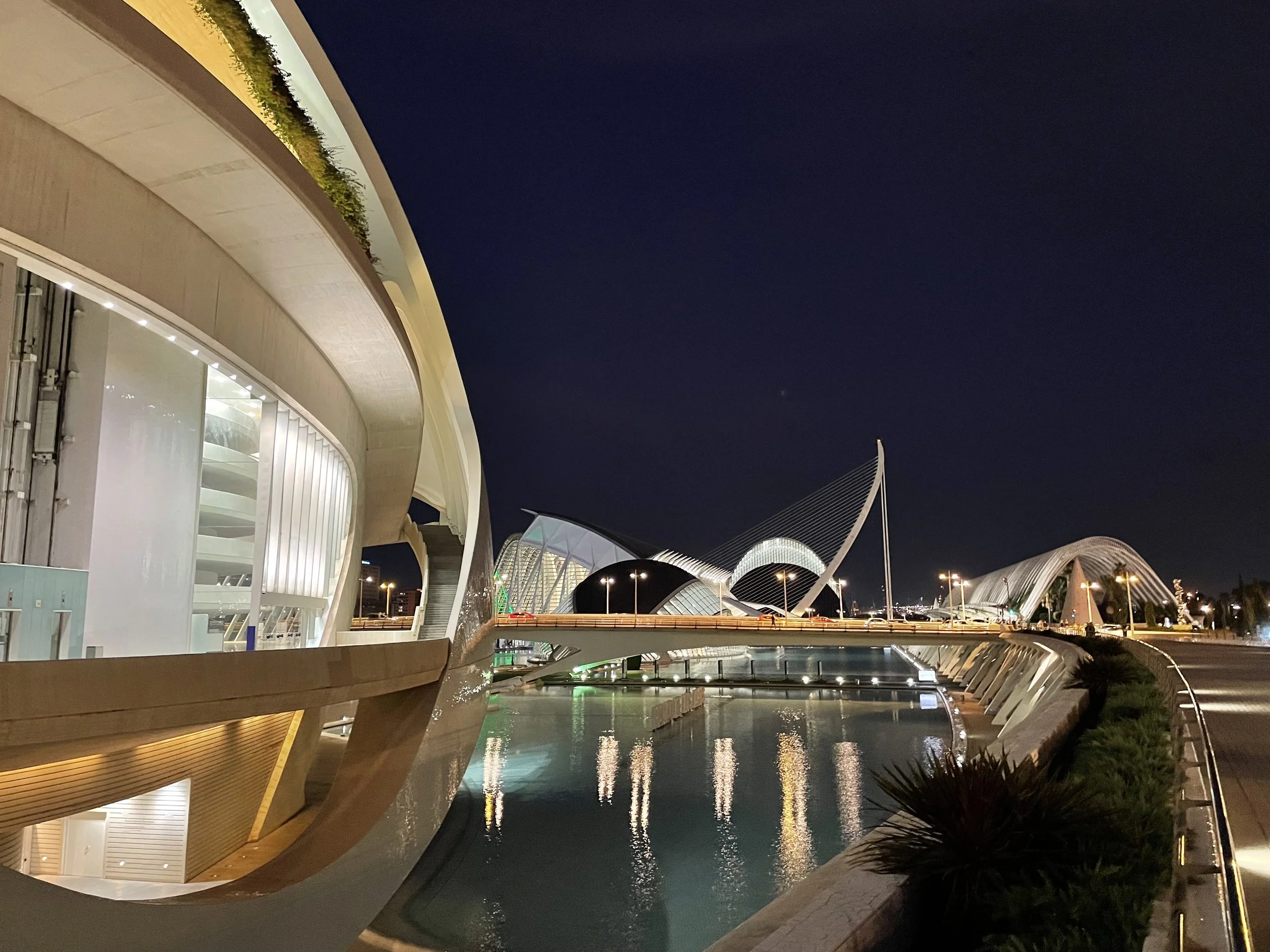
The City of Arts and Sciences is situated at the southeast end of the former riverbed of the river Turia, which was drained and rerouted after a catastrophic flood in 1957. The old riverbed was turned into a picturesque sunken park. Designed by Santiago Calatrava and Félix Candela, the project began the first stages of construction in 1996, and was inaugurated in 1998 with L'Hemisfèric, an IMAX Cinema, planetarium and laserium. Museu de les Ciències Príncipe Felipe (2000) – an interactive museum of science that resembles the skeleton of a whale. L'Umbracle (2001) – an open structure enveloping a landscaped walk with plant species indigenous to Valencia (such as rockrose, lentisca, rosemary, lavender, honeysuckle, bougainvillea and palm trees). L'Oceanogràfic (2003) – an open-air oceanographic park. Palau de les Arts Reina Sofía (2005) – an opera house and performing arts center dedicated to music and the performing arts.
DAY 11
Monday September 22, 2025
Early breakfast near the bike shop
Grab bikes and ride city tour with a guide
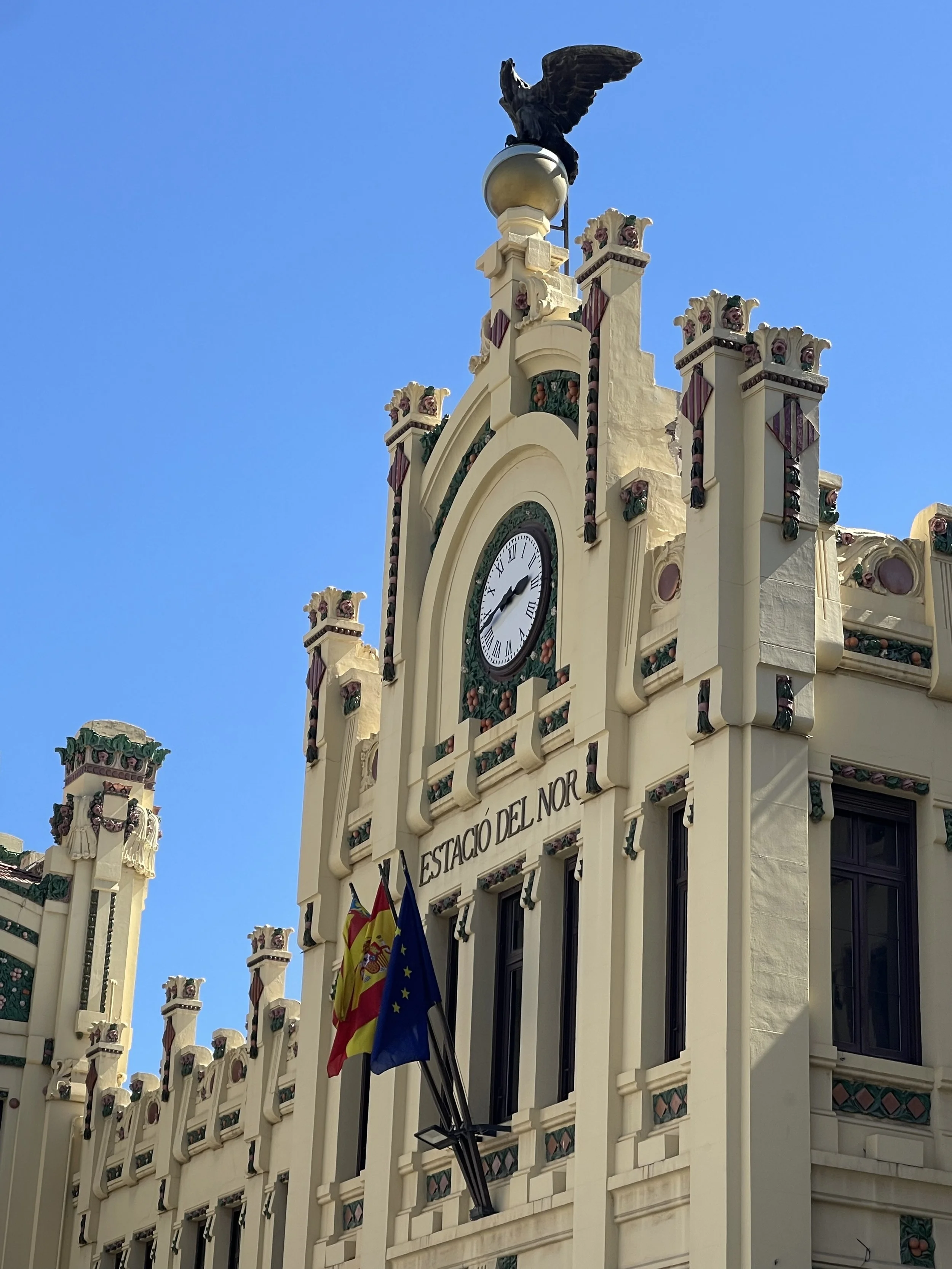
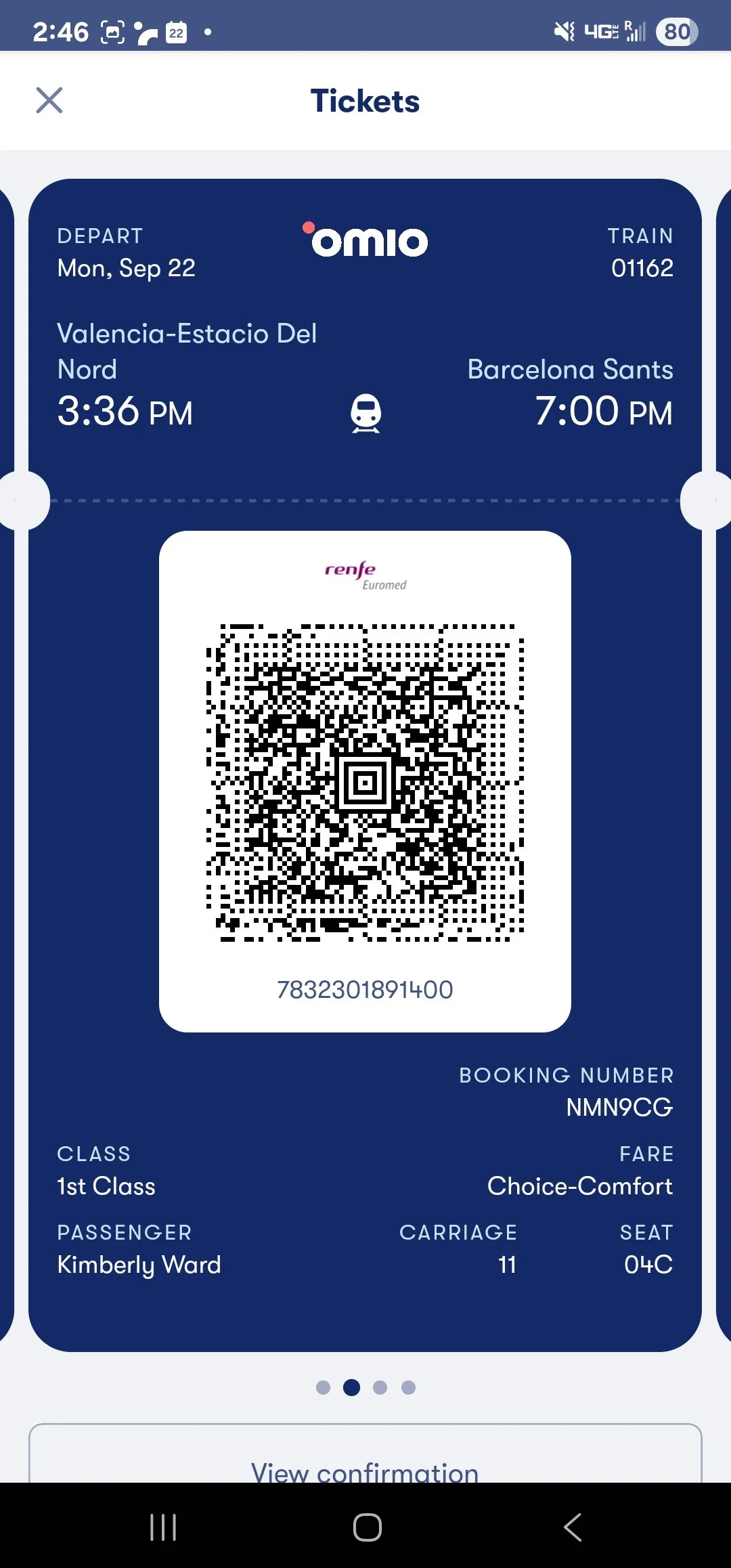
Valencia train back to Barcelona 3:30-7pm
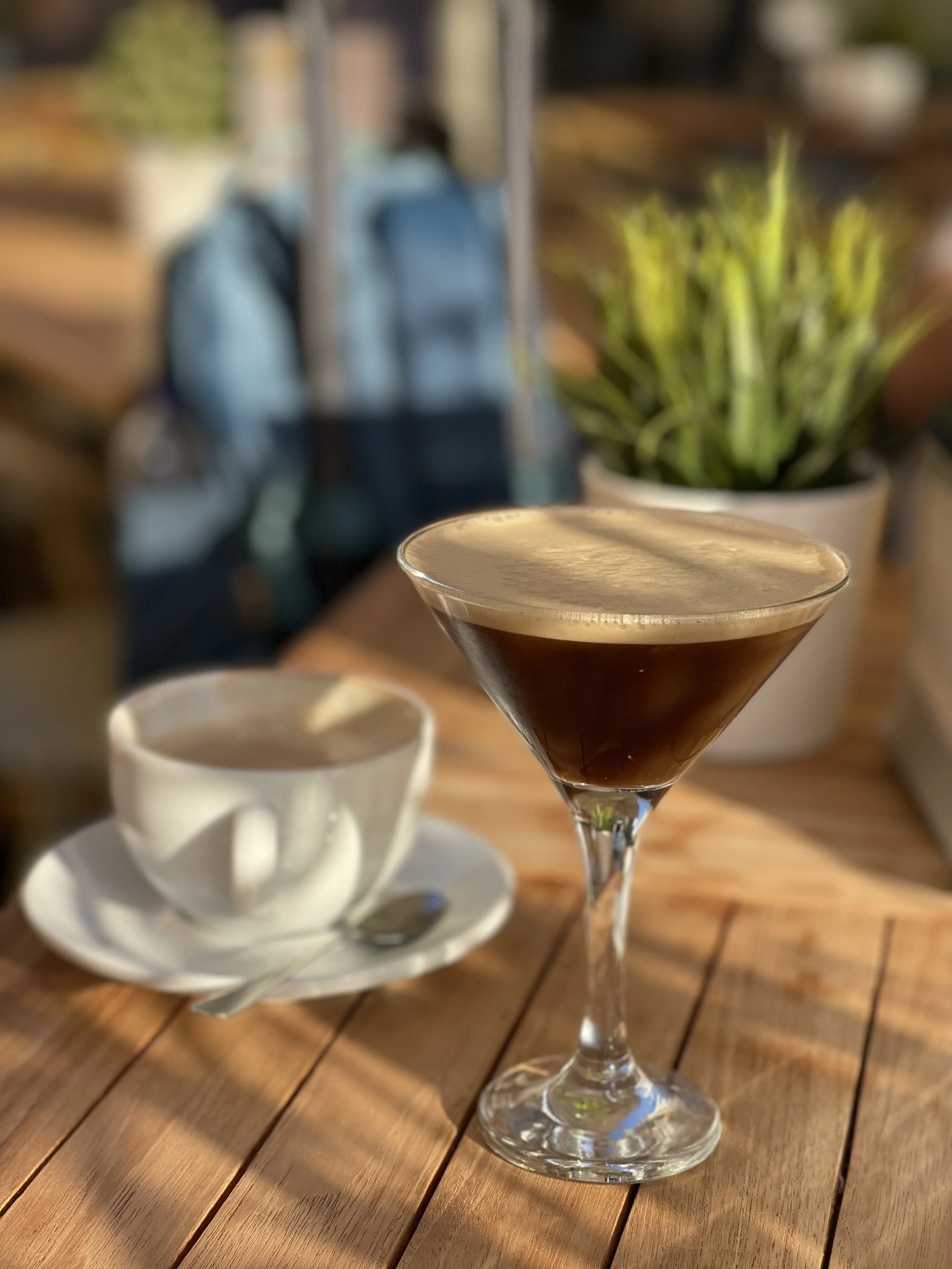
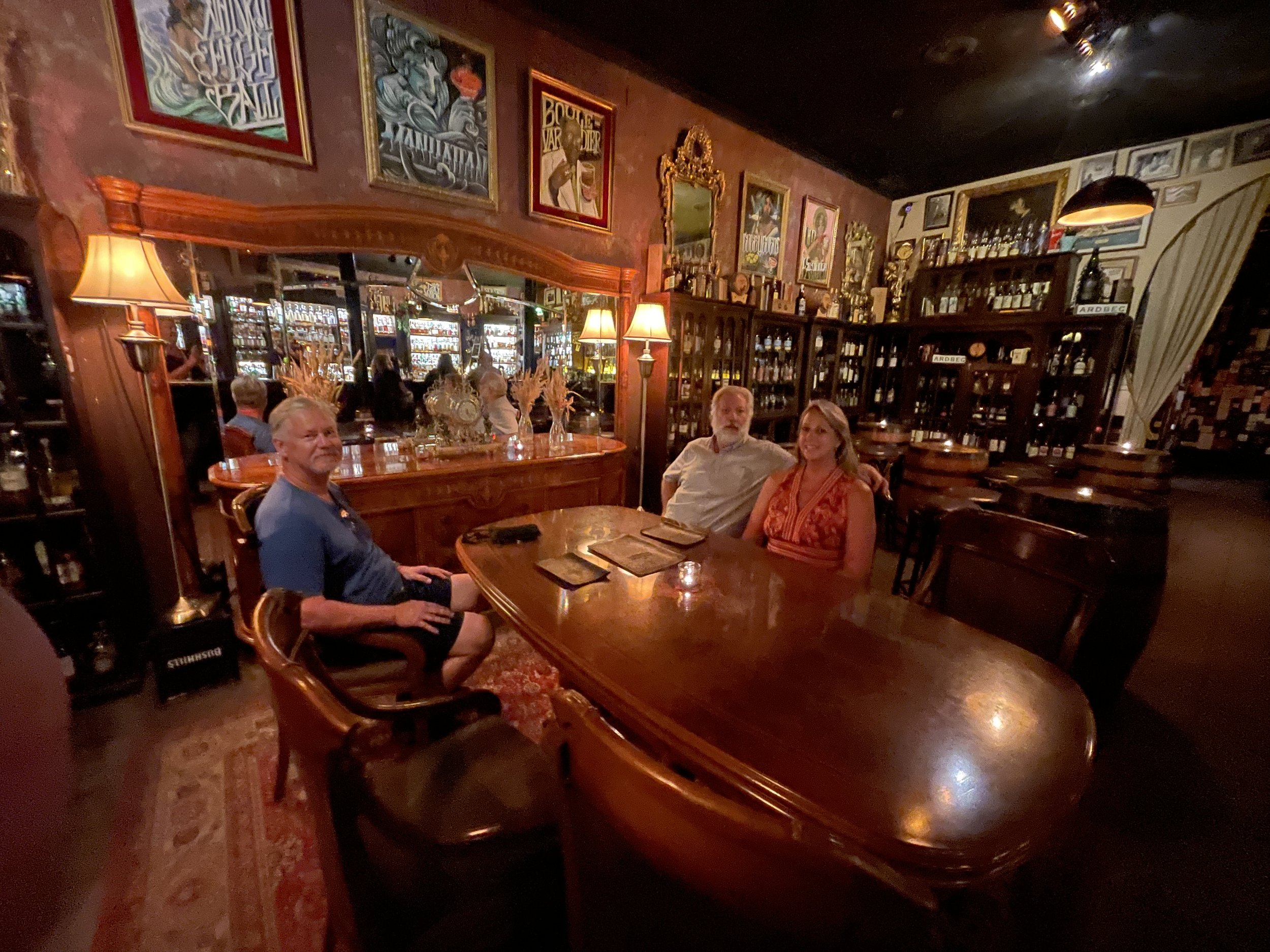
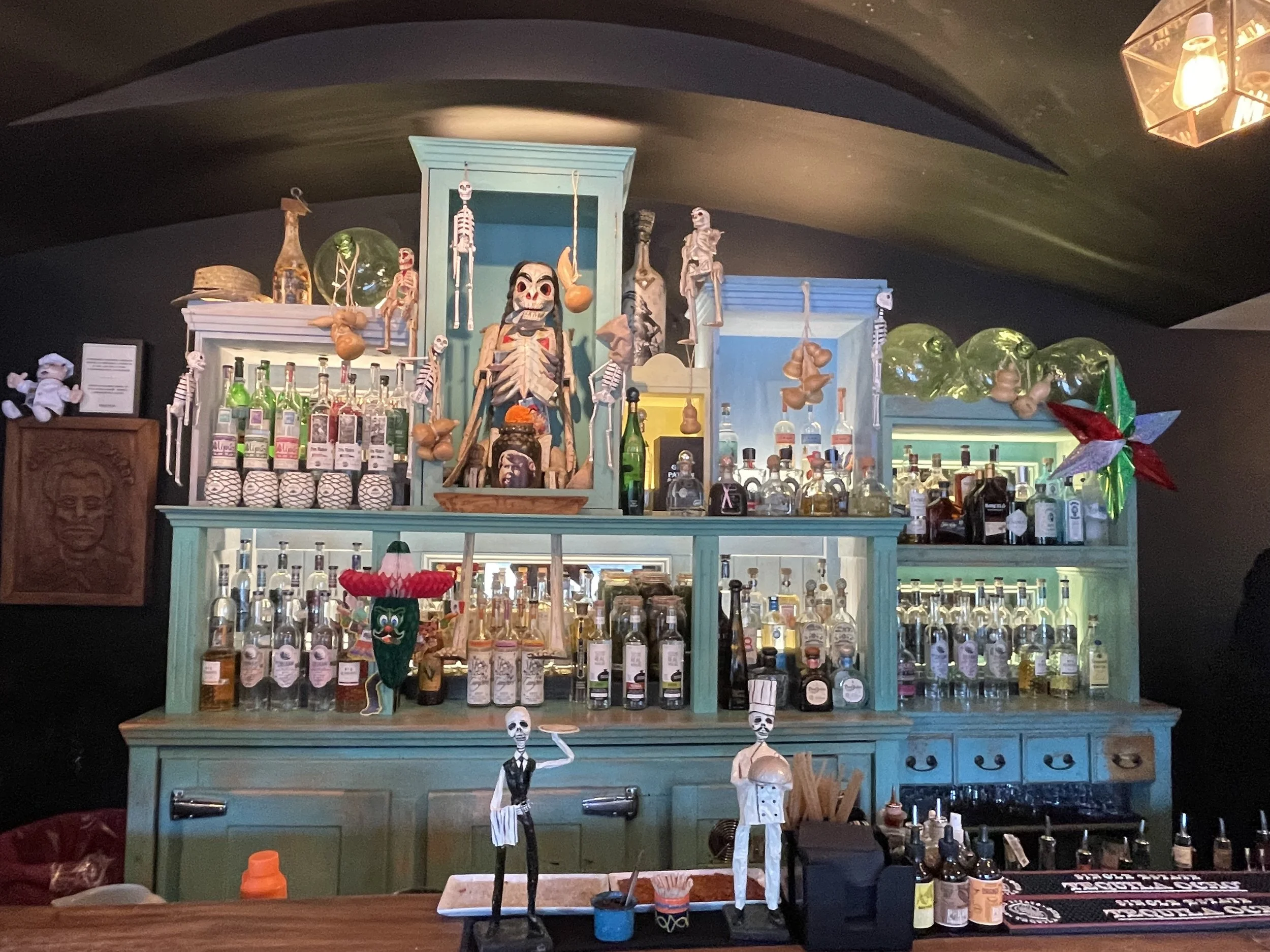
Found a cool whiskey bar with bottles from all over the world
To bed about midnight
DAY 12
Tuesday September 23, 2025
Up and dressed by 9am… which is probably the latest for the entire trip!
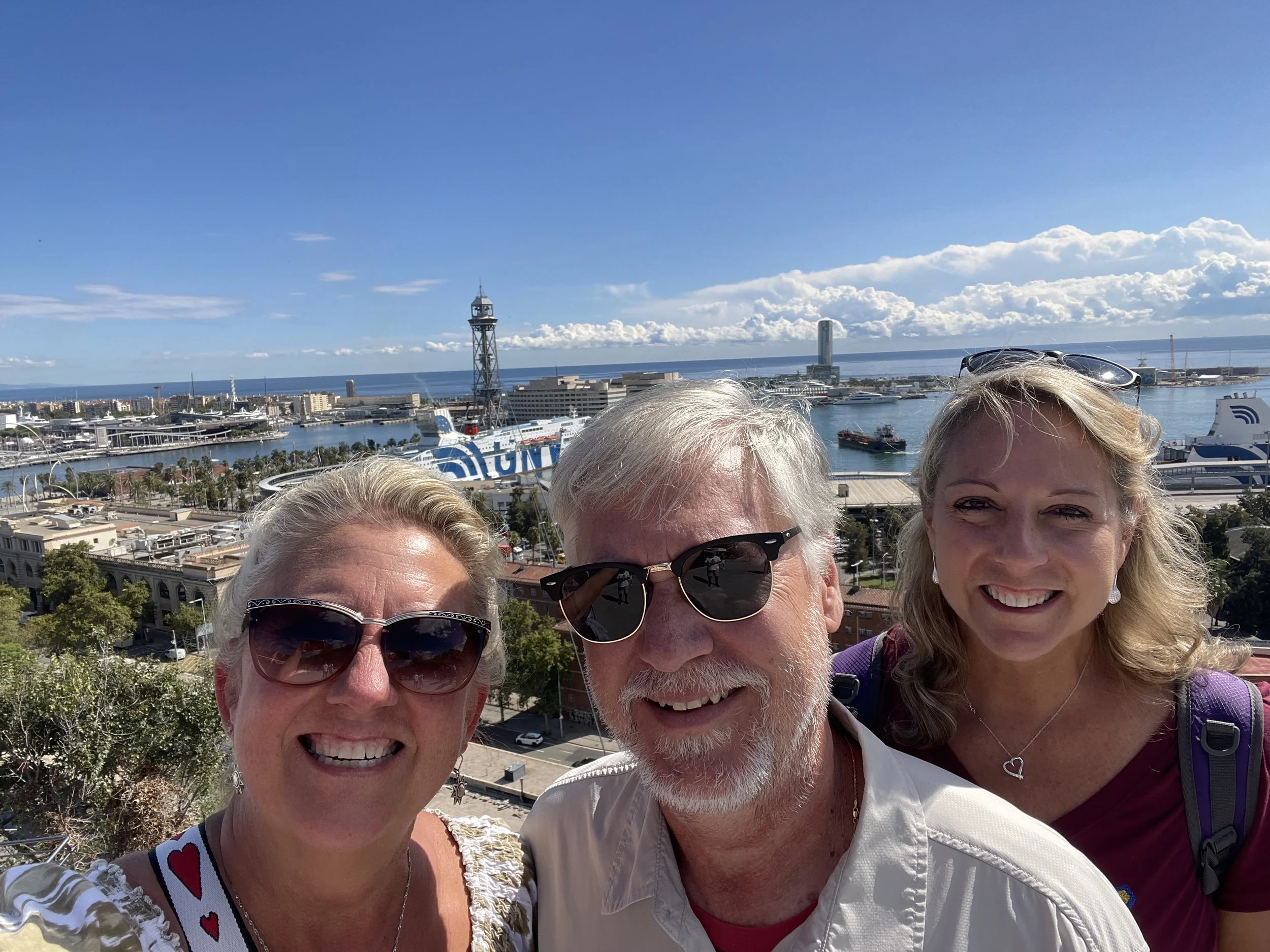
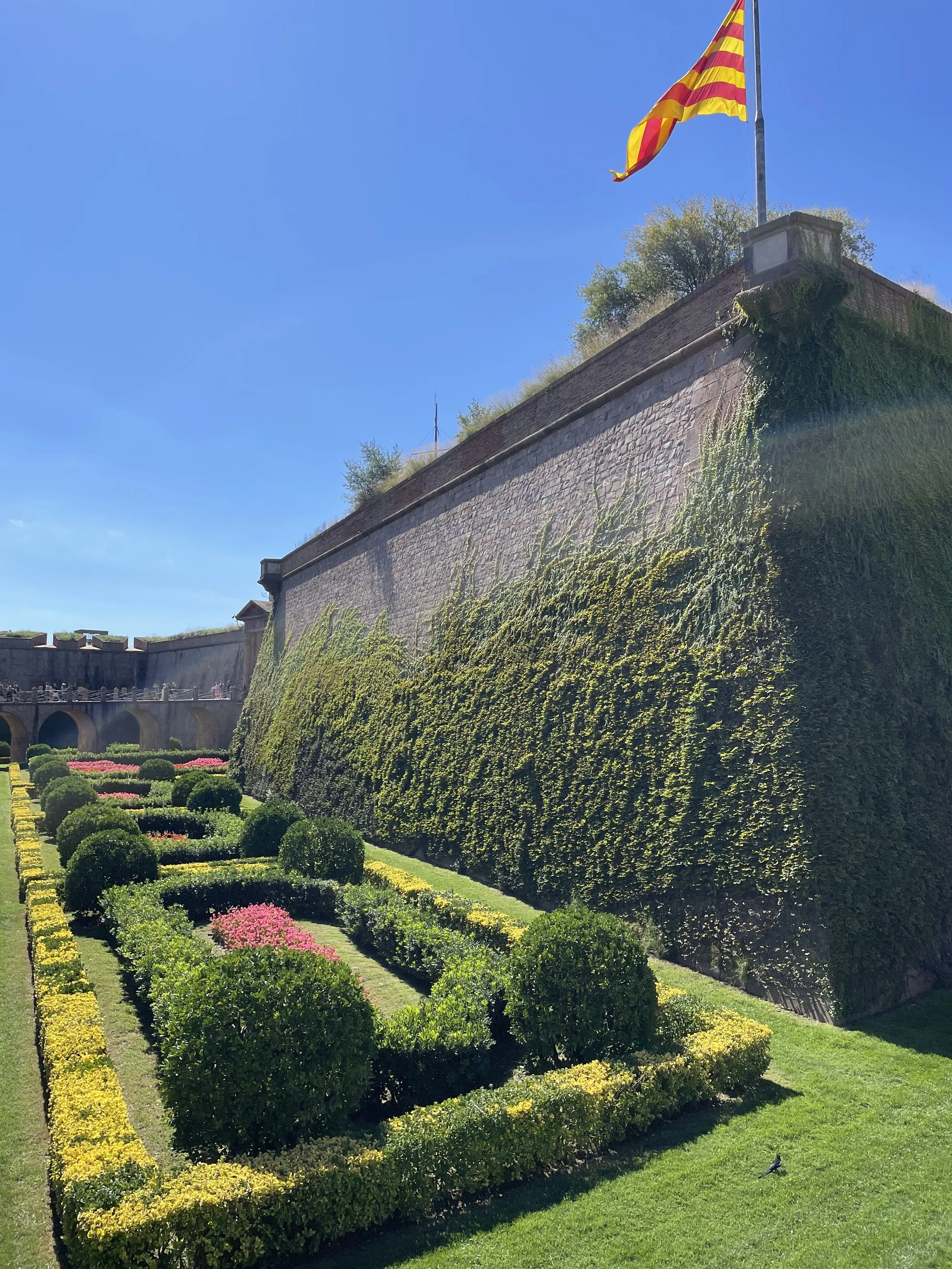
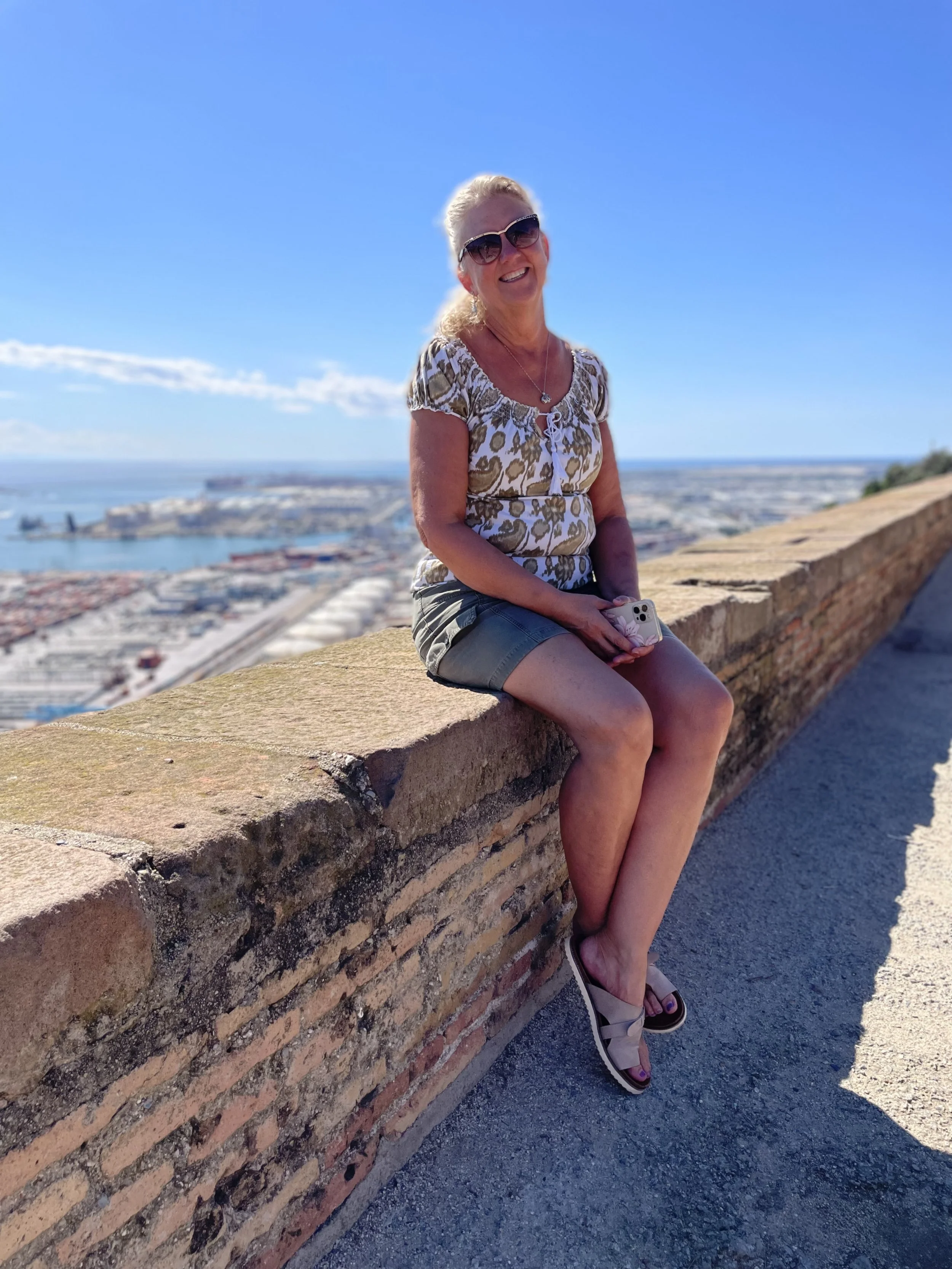
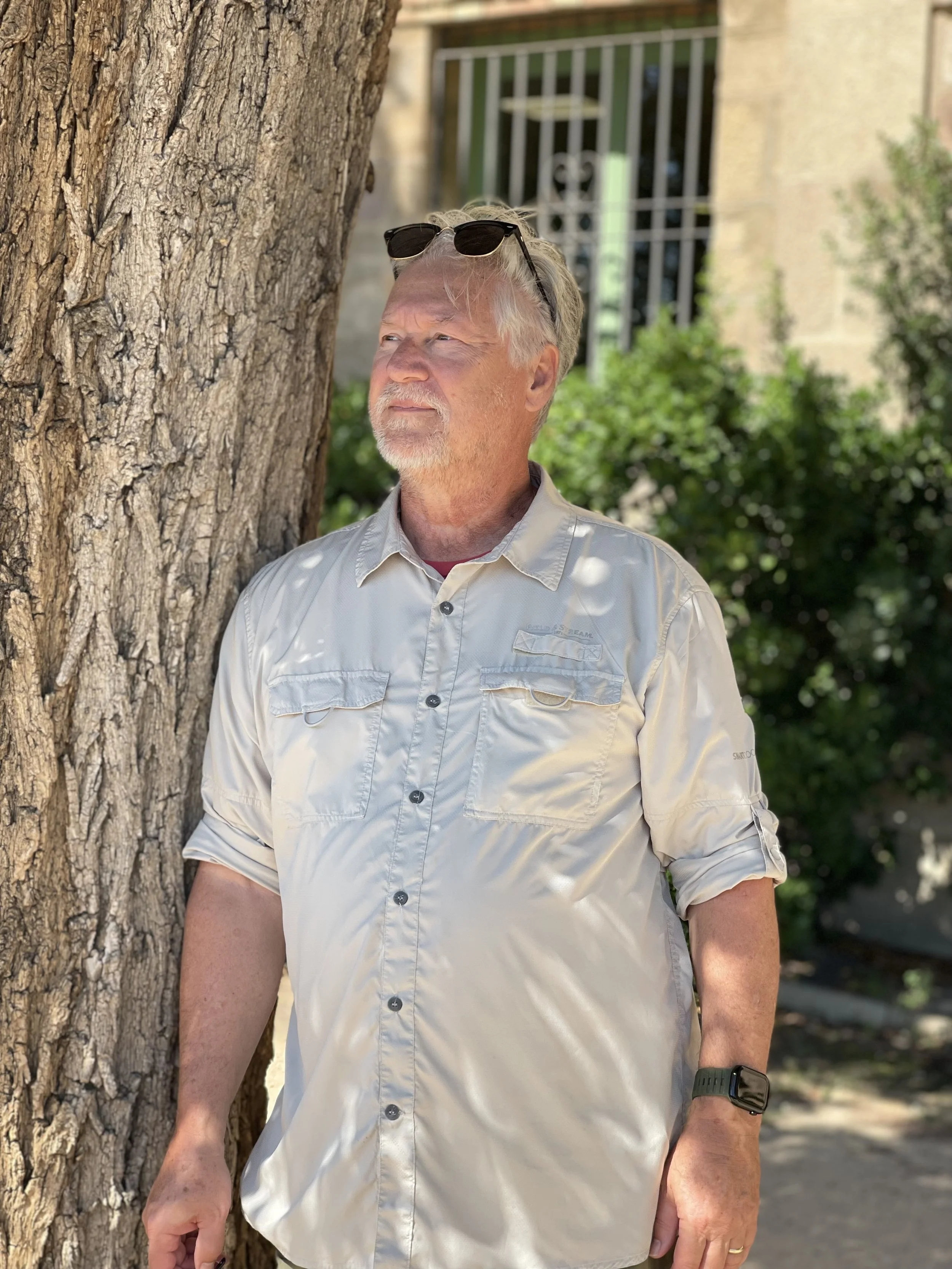
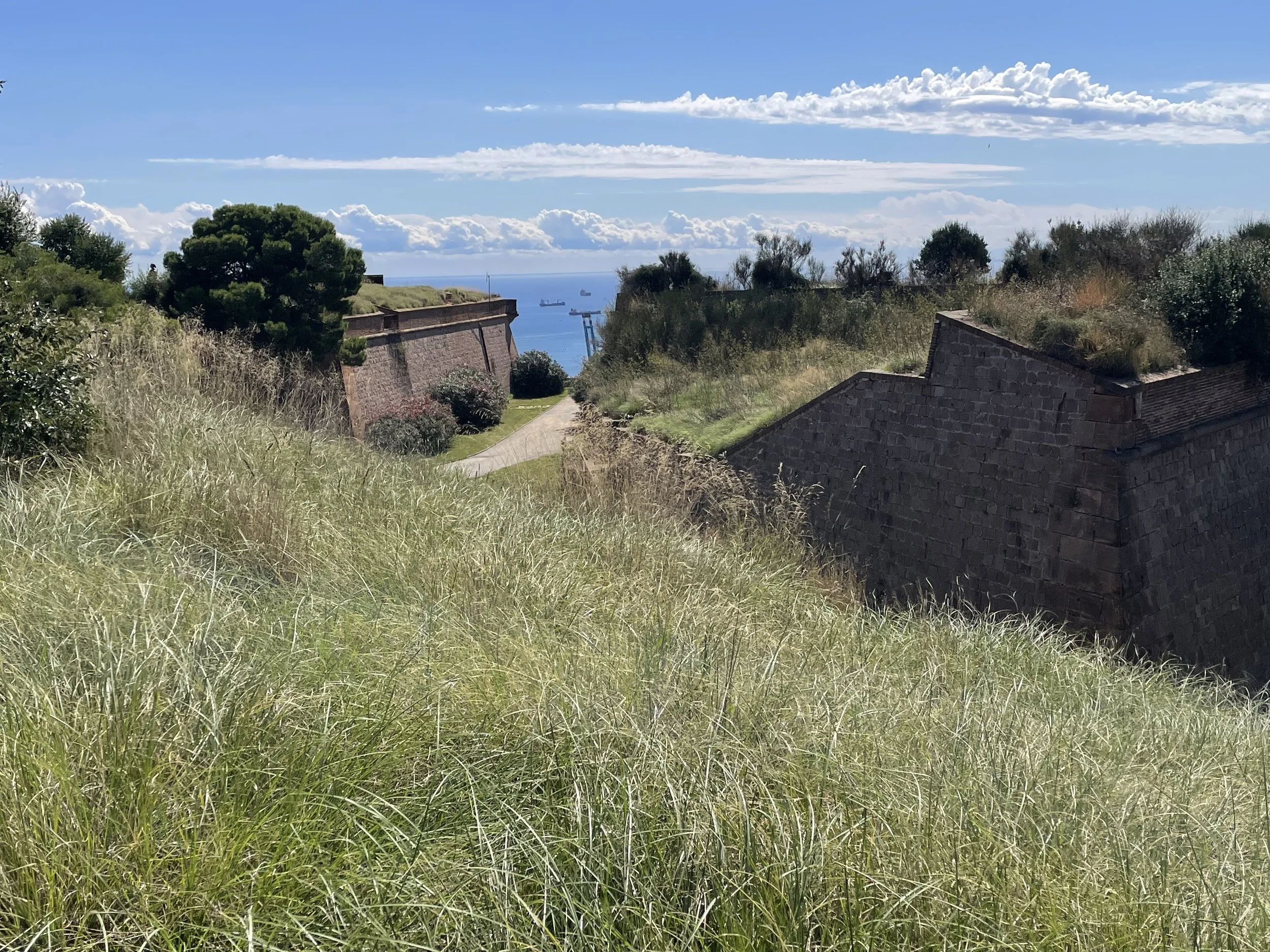
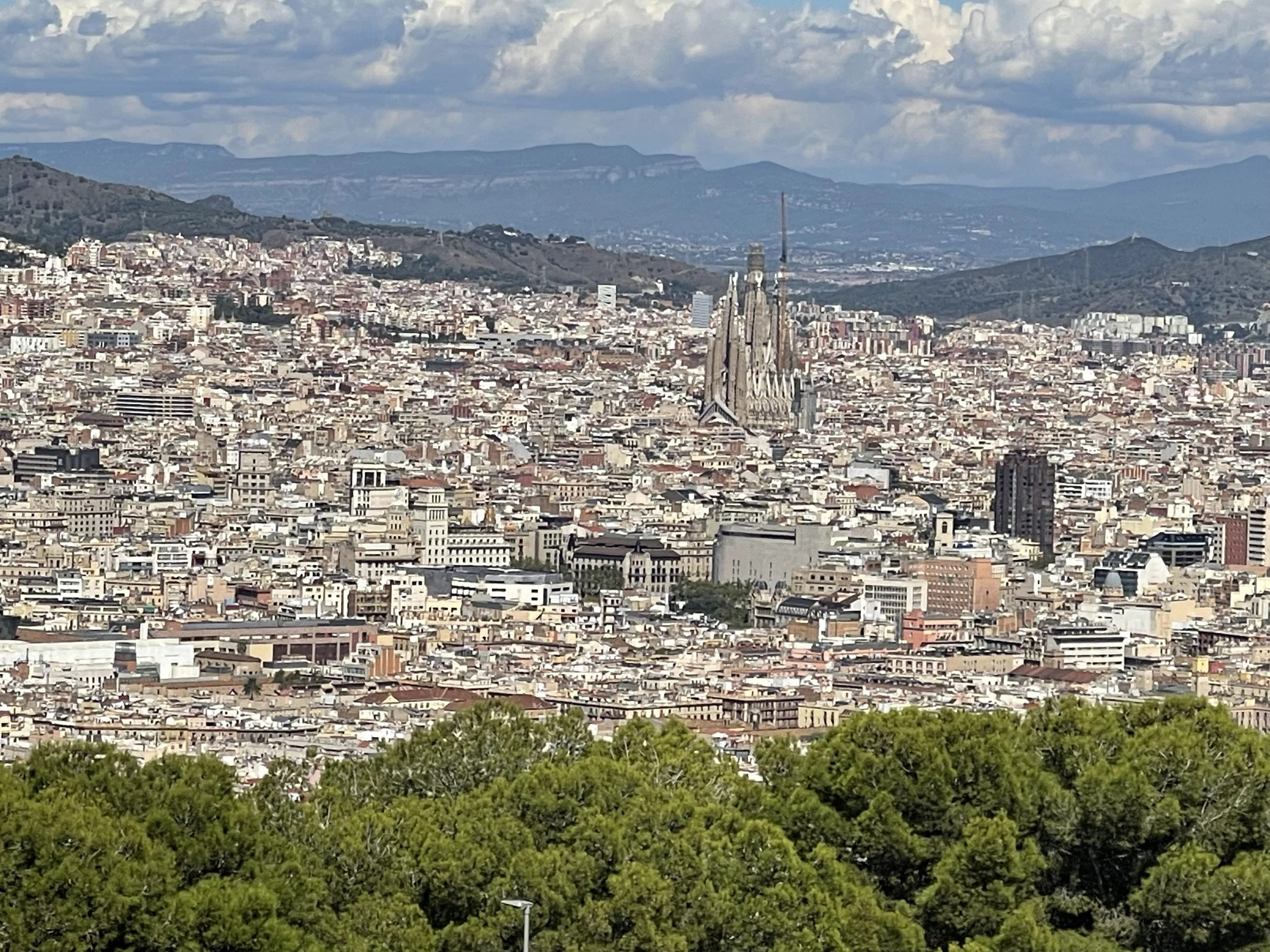
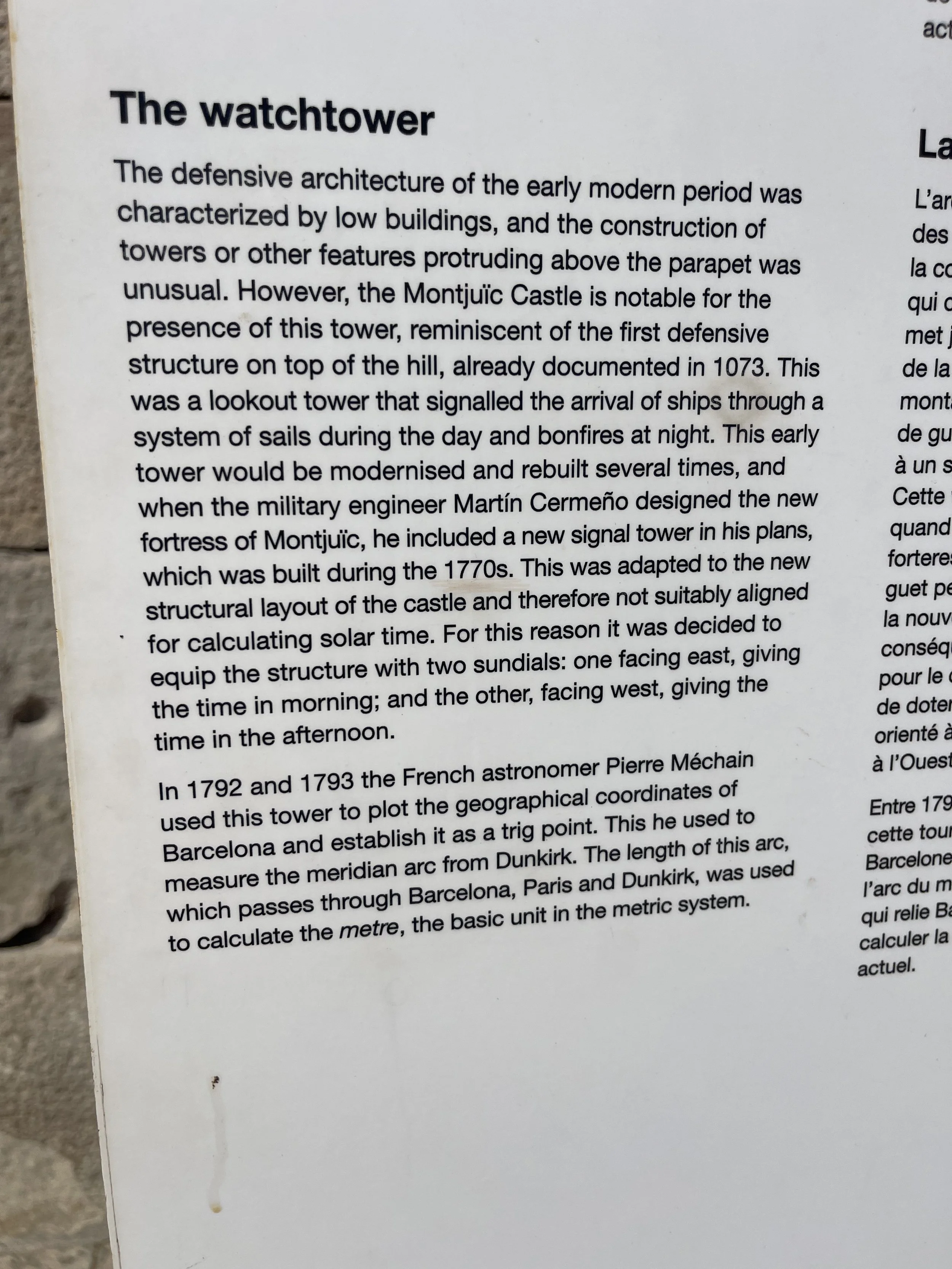
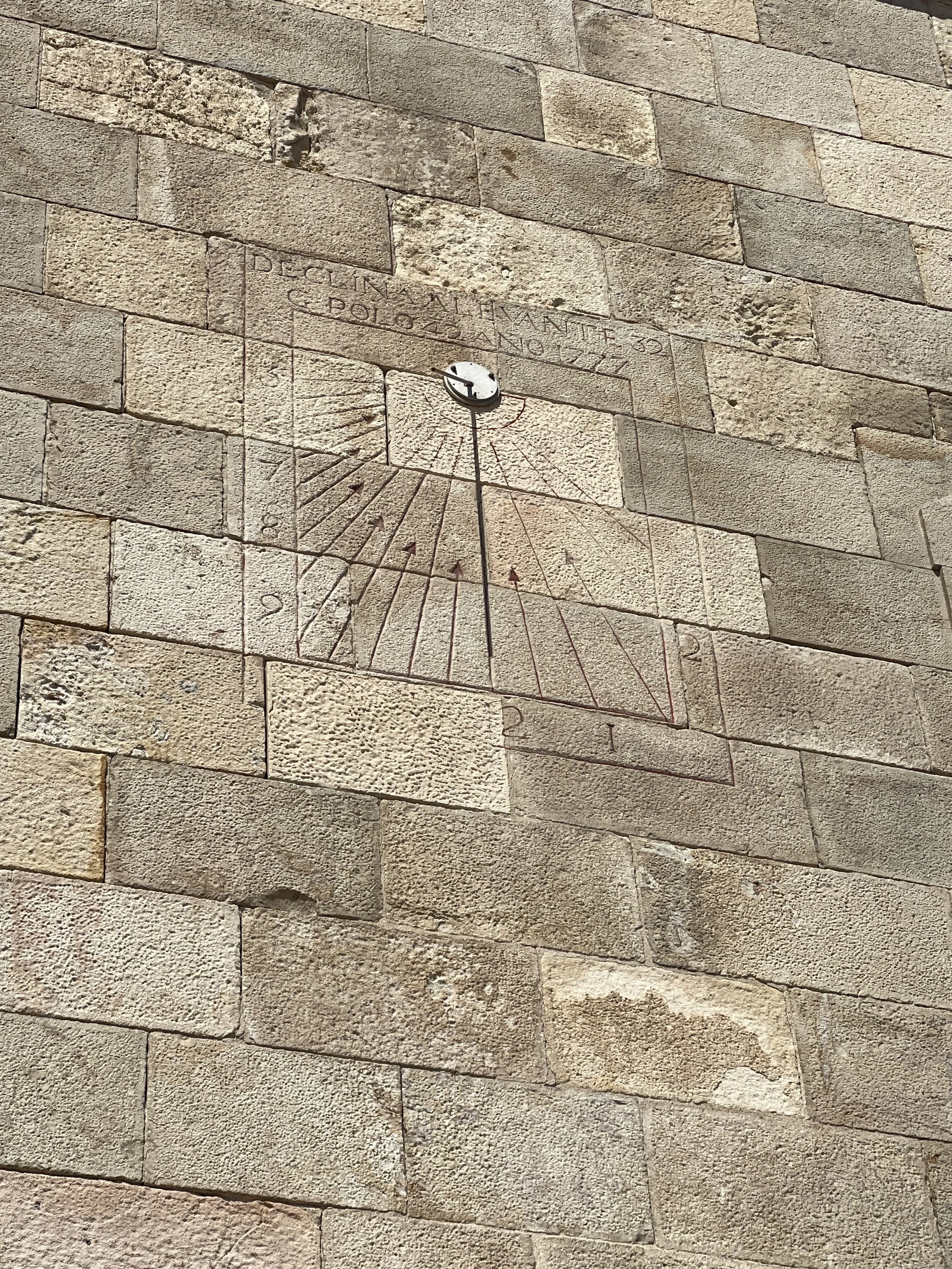
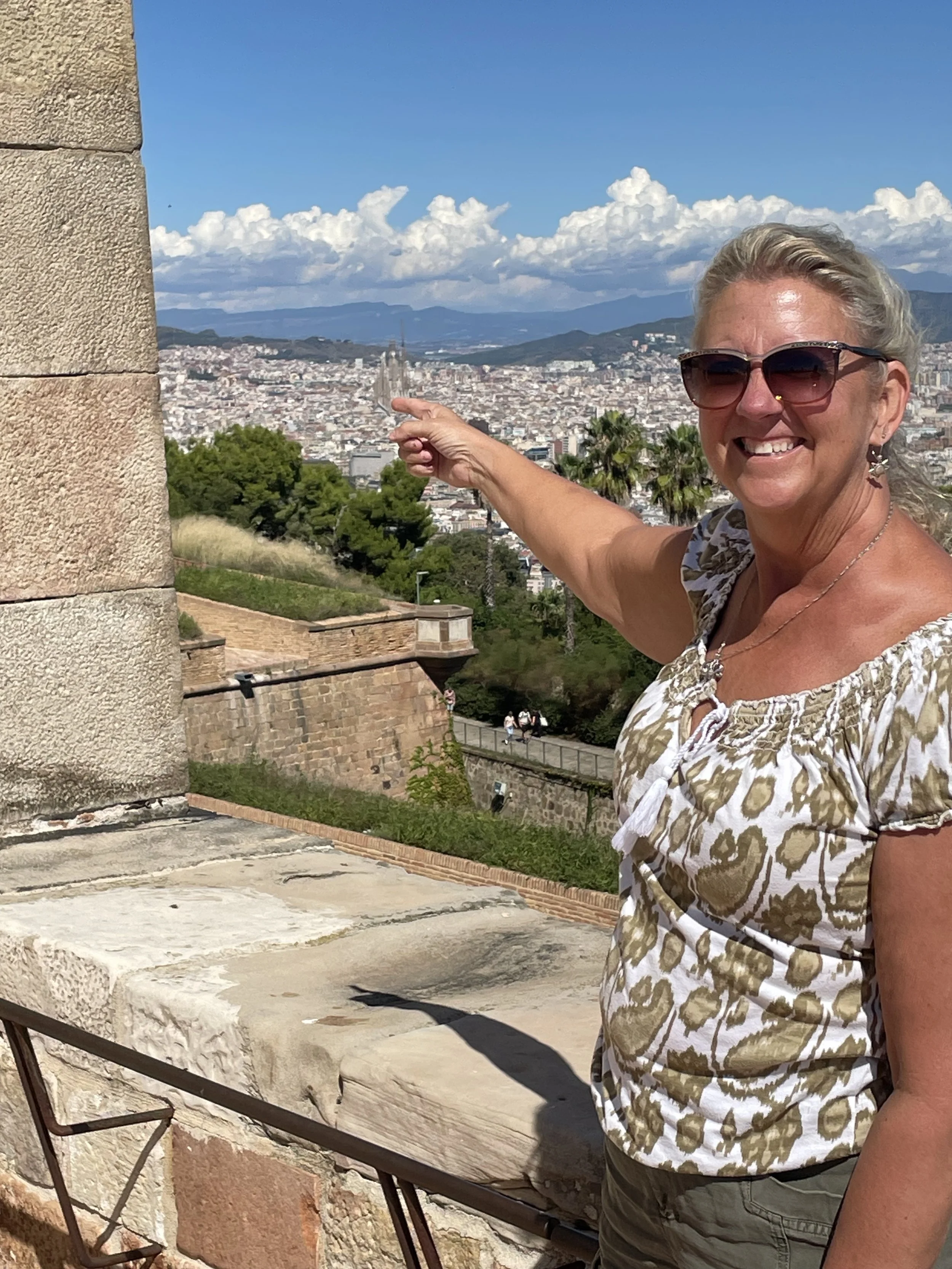
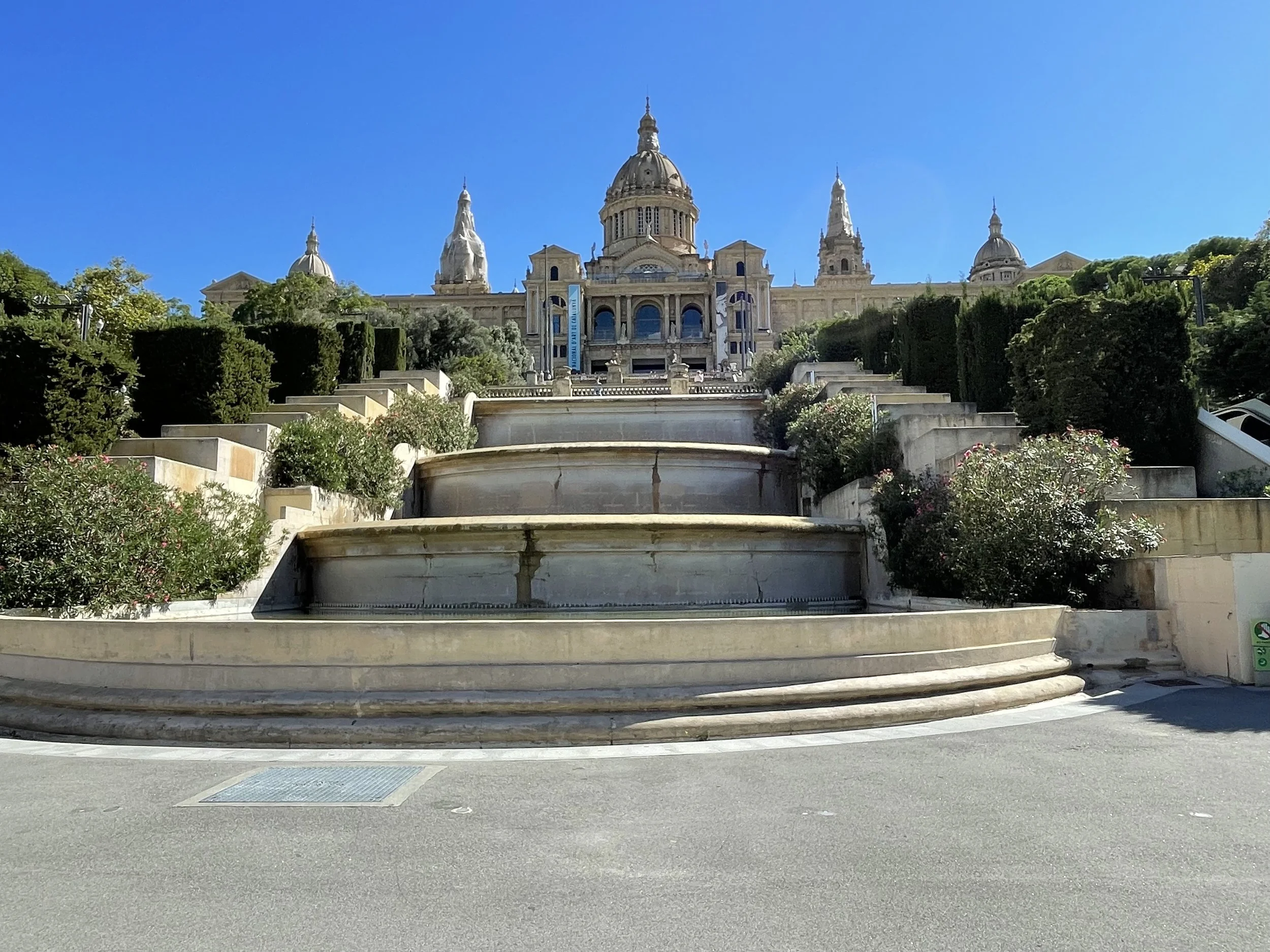
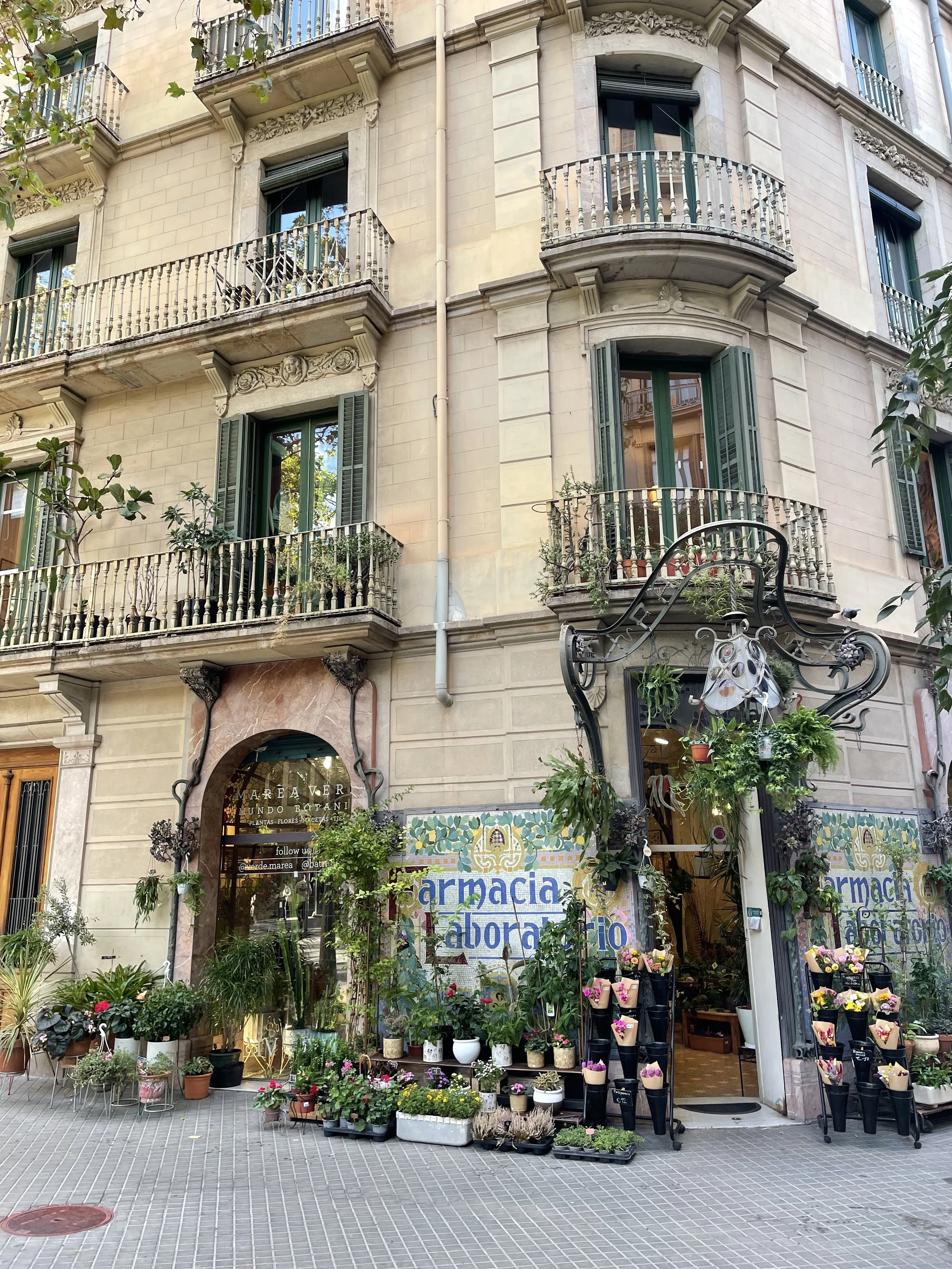
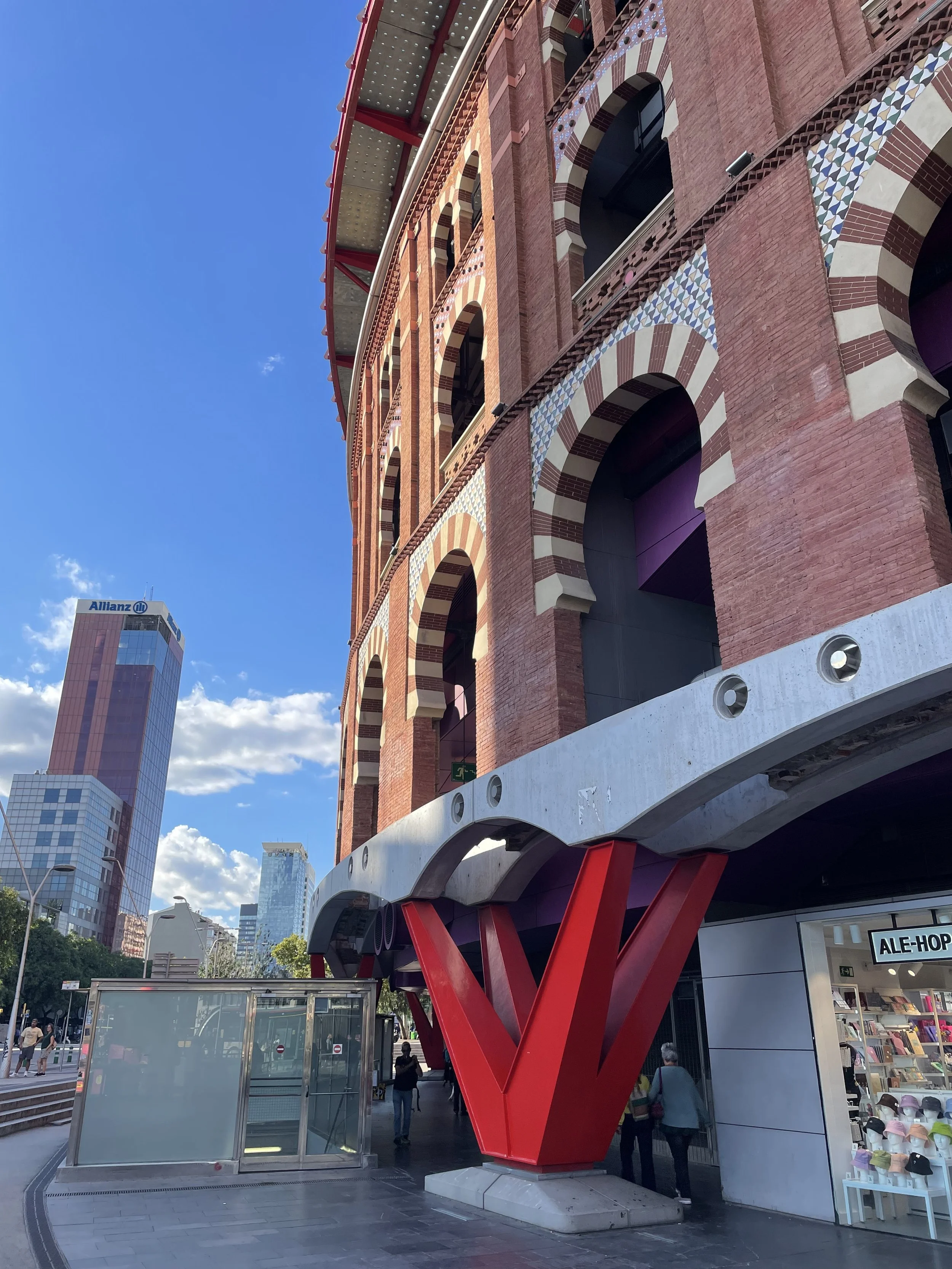
Toured and walked a lot primarily the Montjuic hilltop area of Barcelona
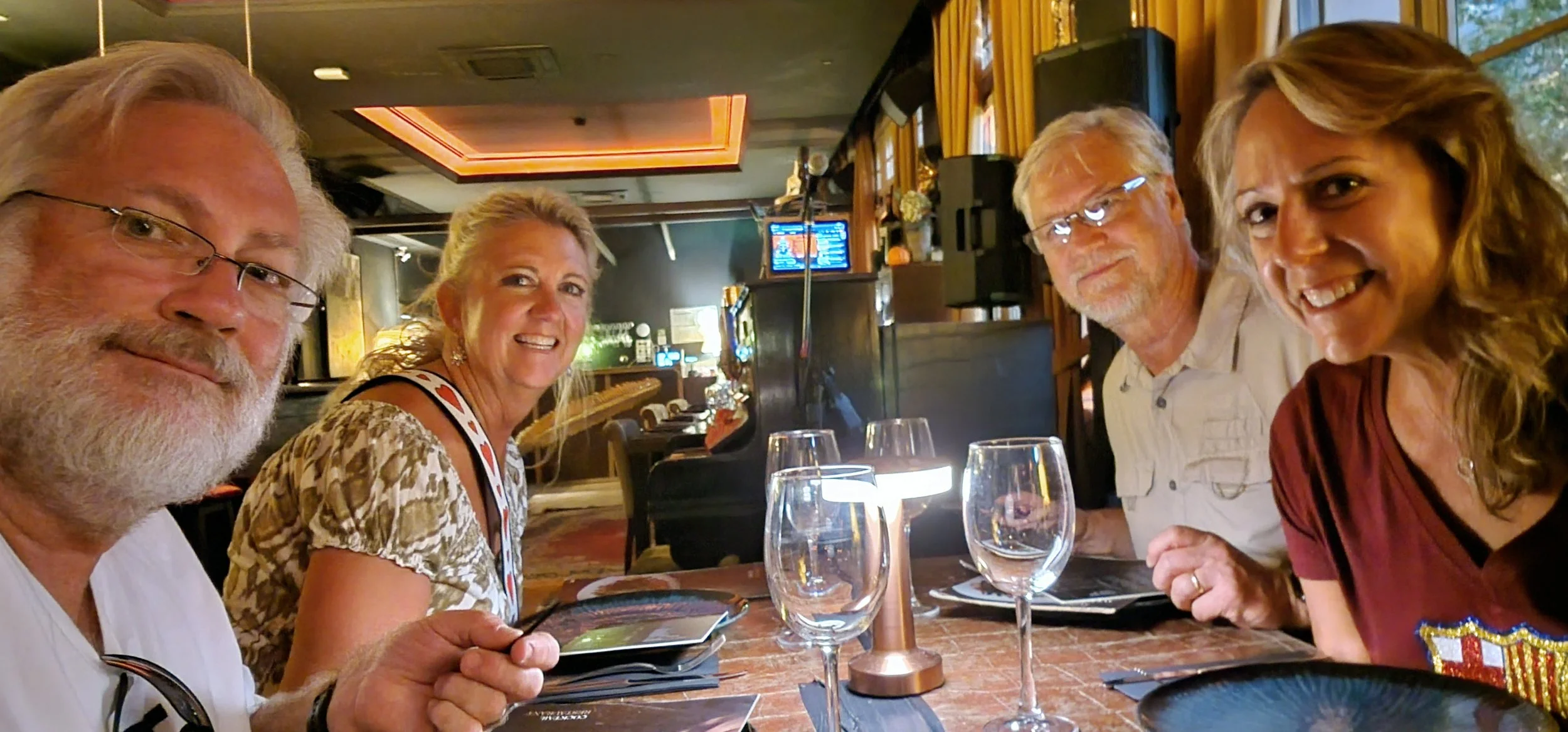
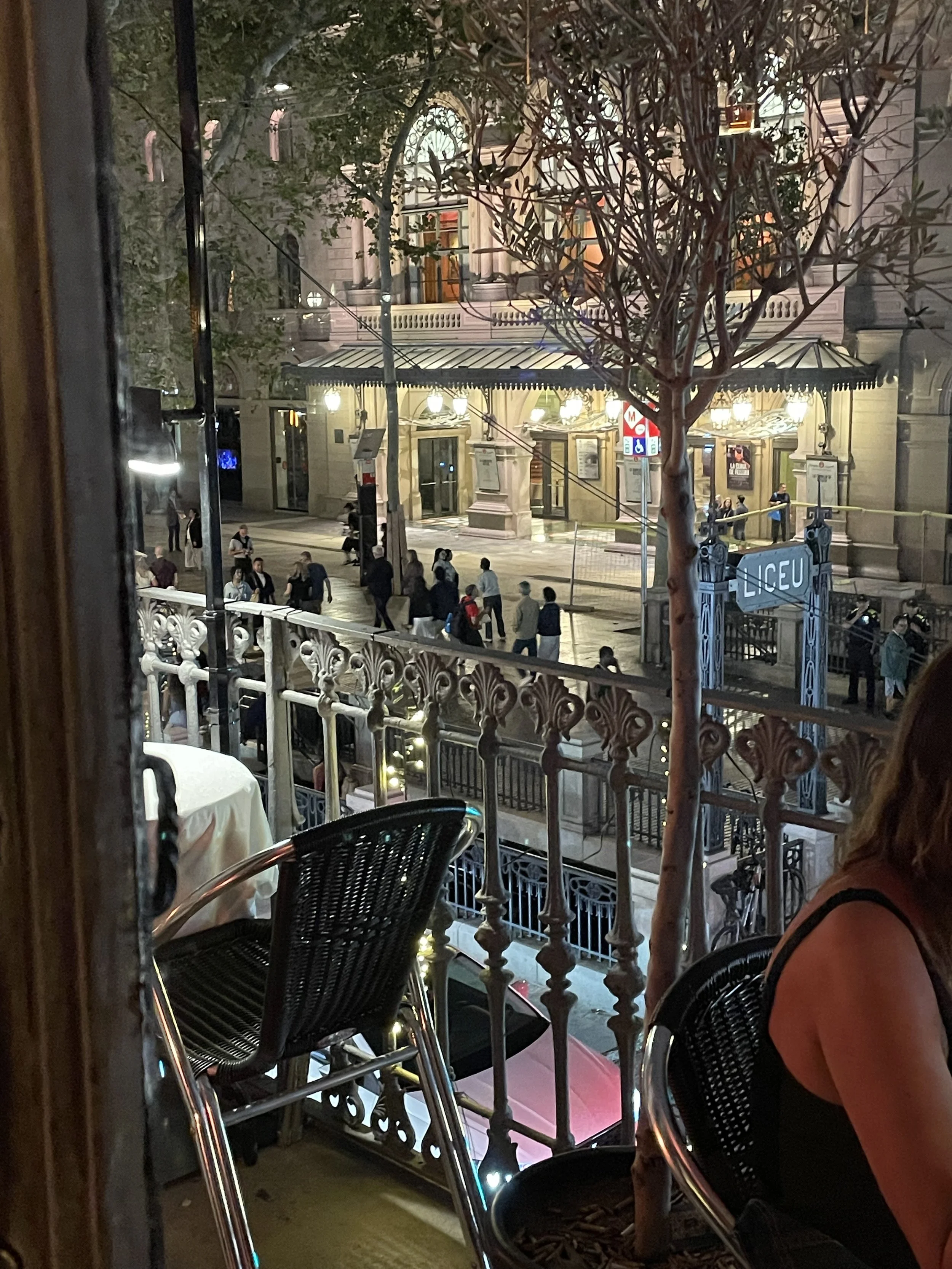
Dinner at an upper floor small restaurant and bar overlooking busy Barcelona street below.
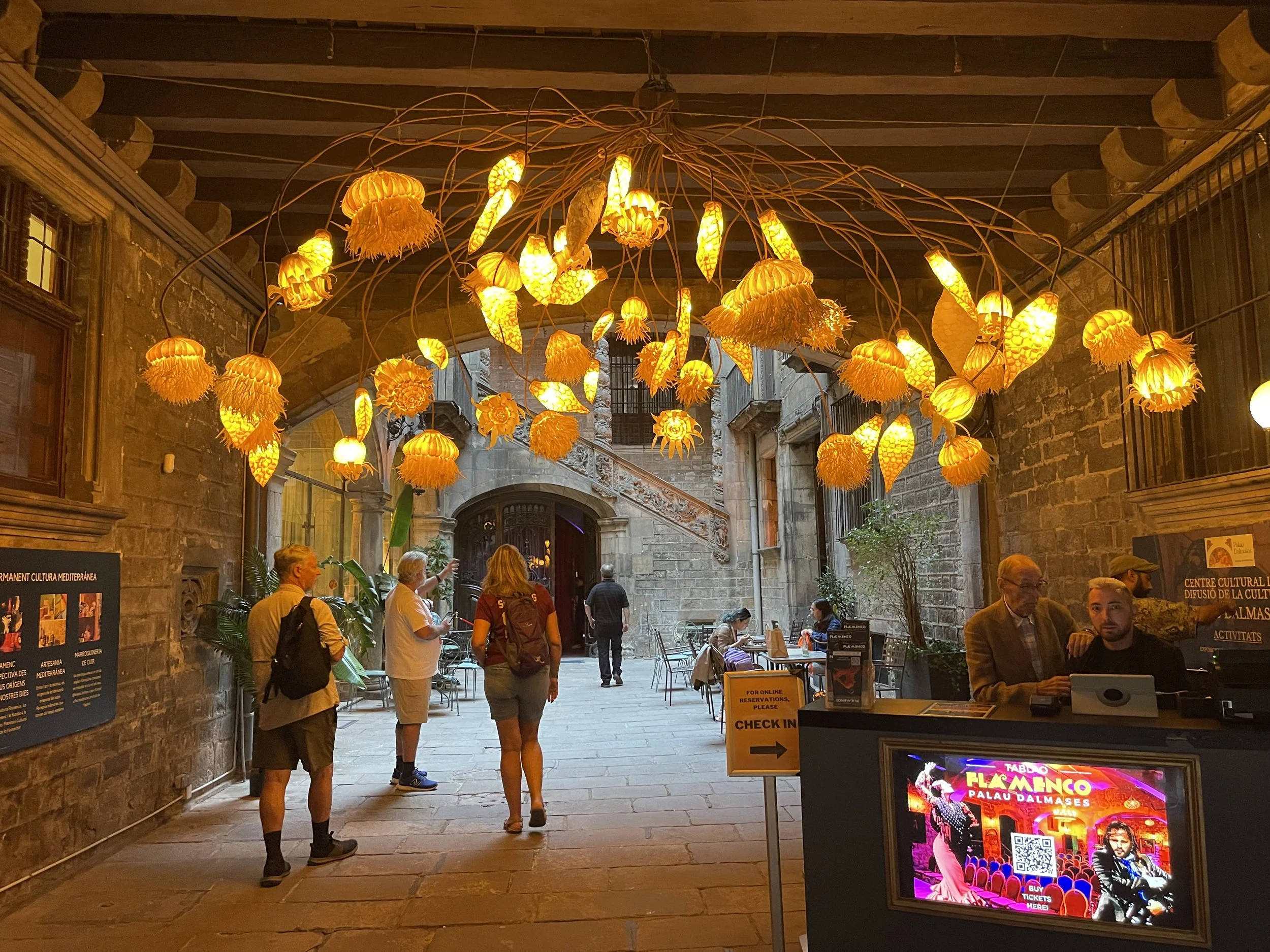
DAY 13
Wednesday September 24, 2025
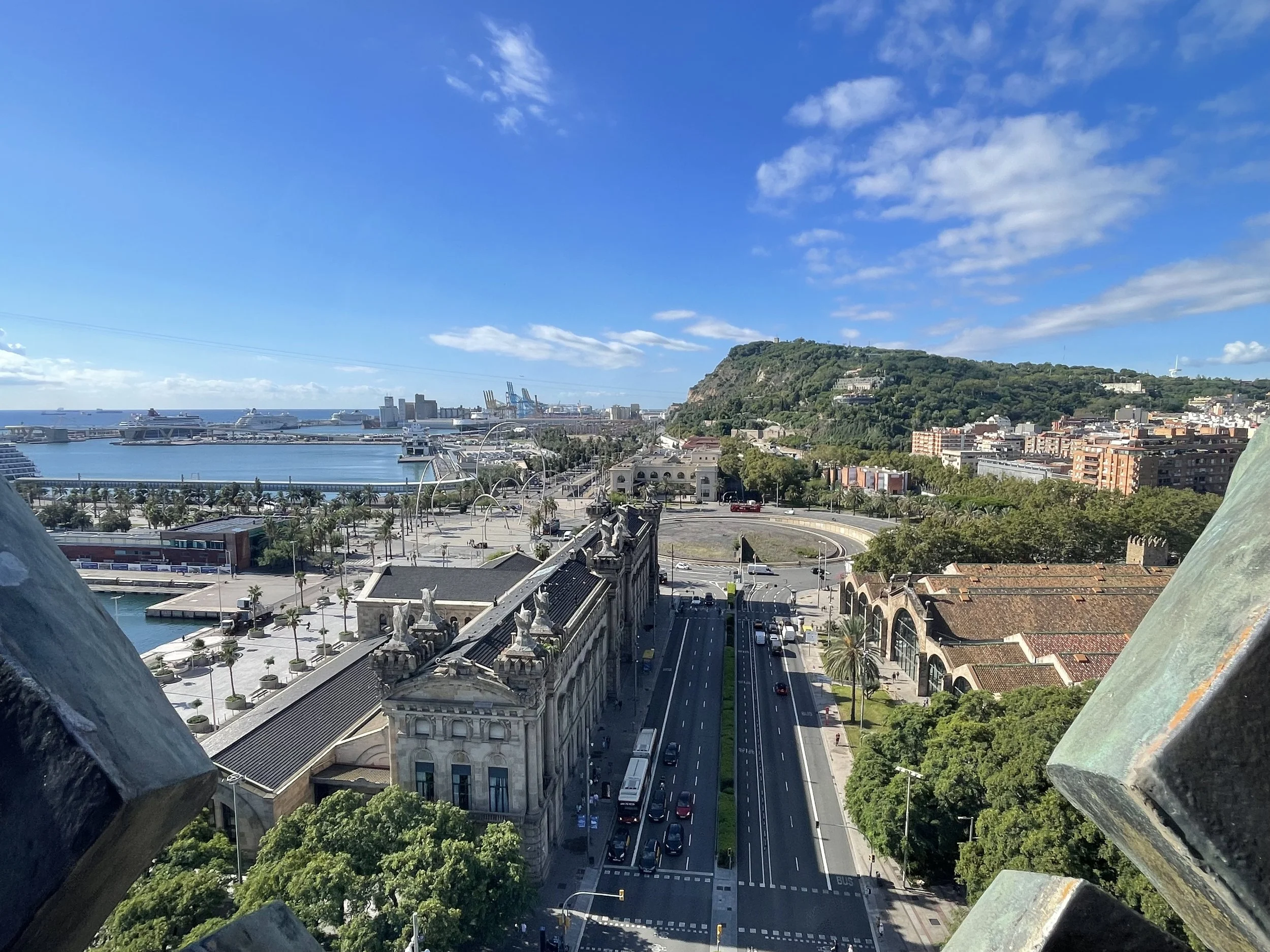
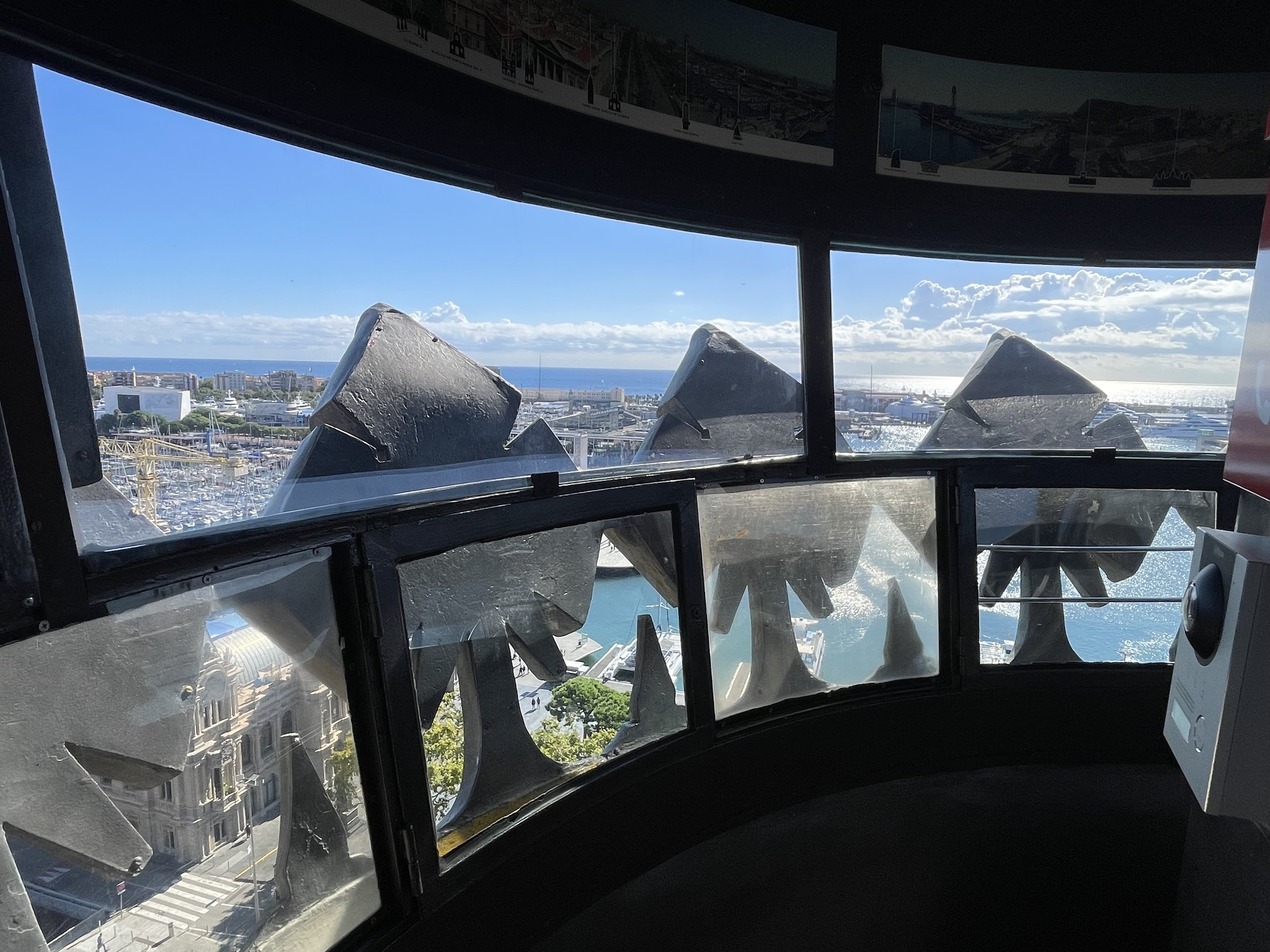
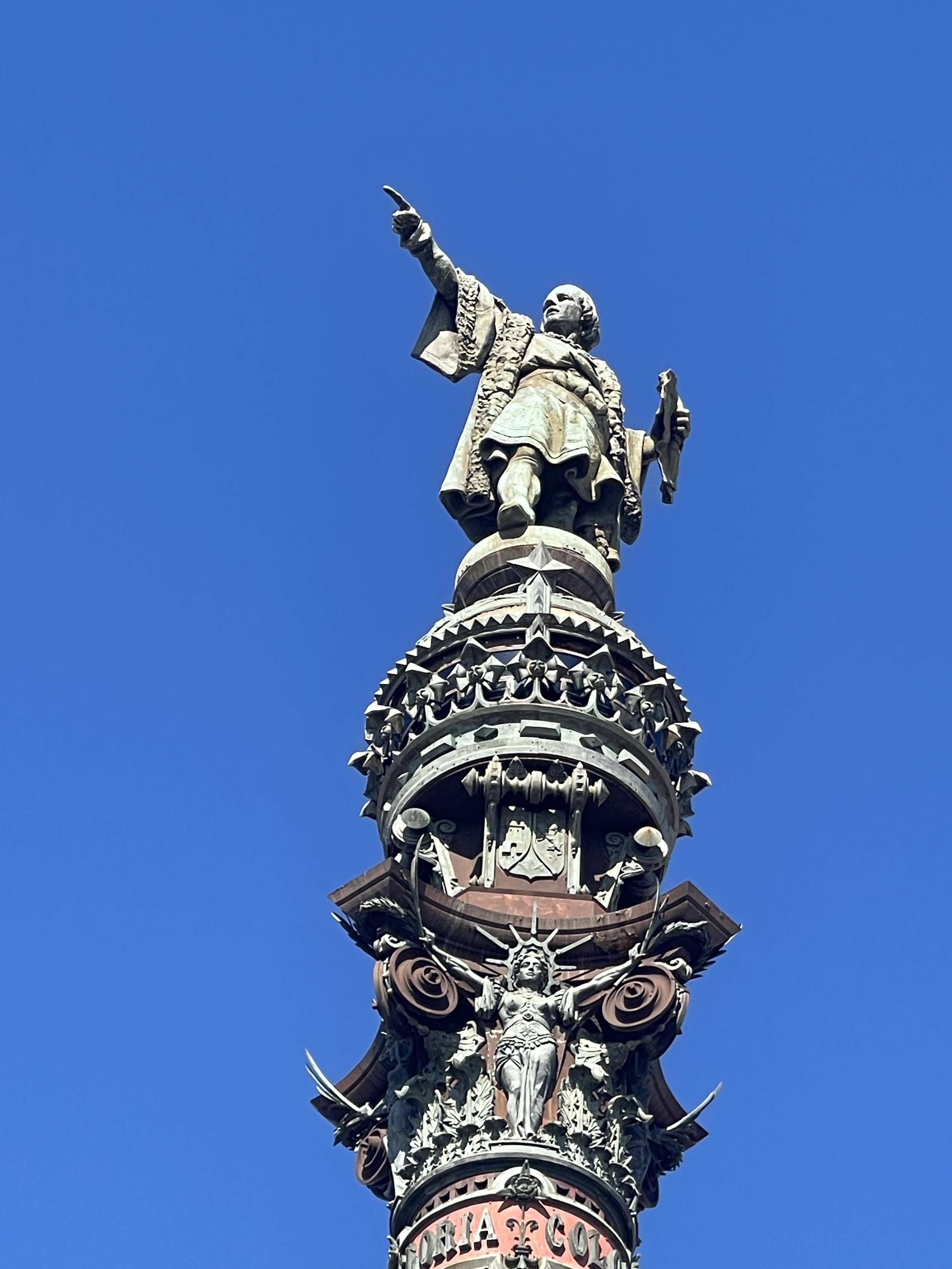
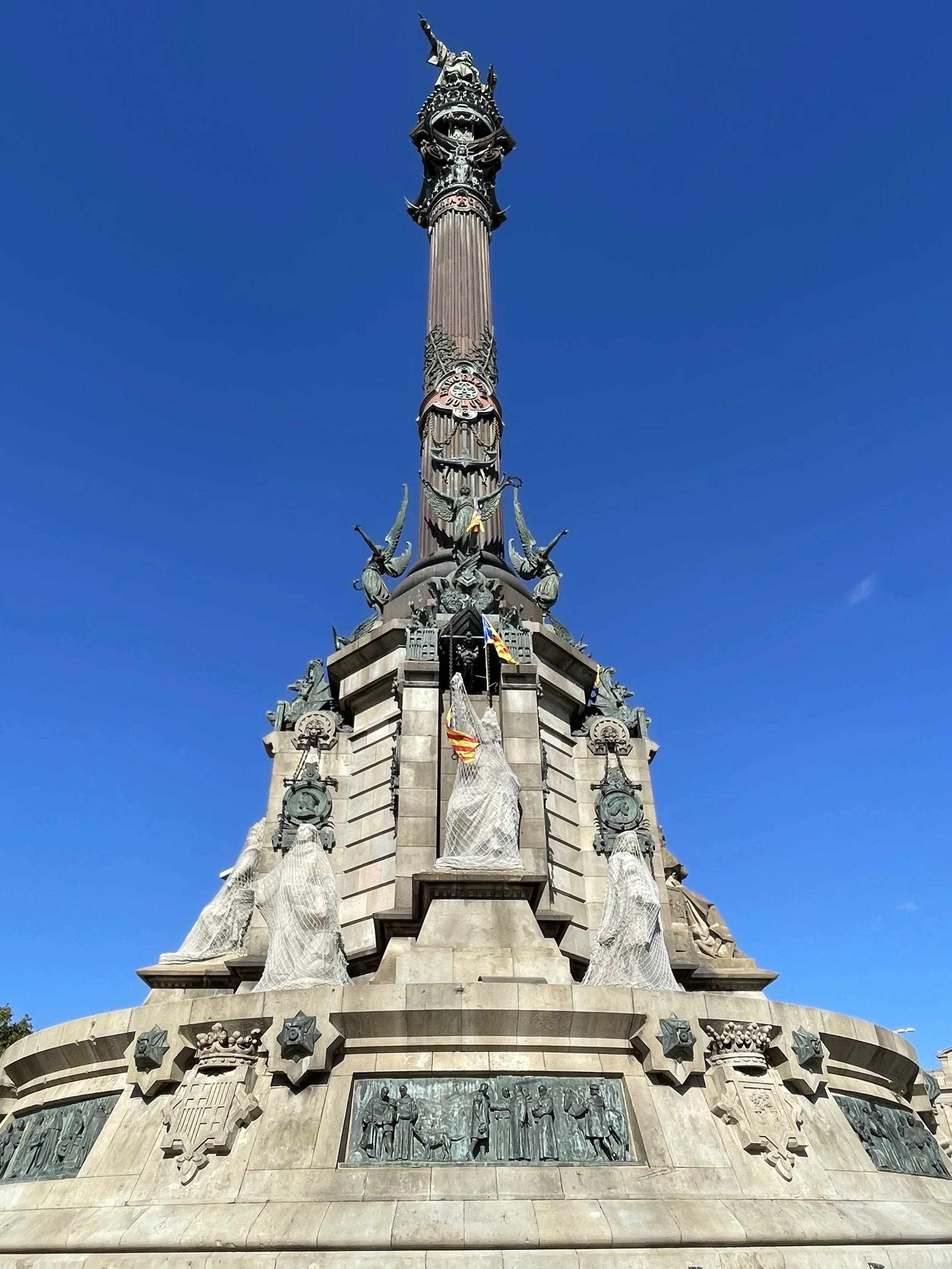
The Columbus Monument is a 60 m (197 ft) tall monument to Christopher Columbus at the lower end of La Rambla, Barcelona, Catalonia, Spain. It was constructed for the Exposición Universal de Barcelona (1888) in honor of Columbus' first voyage to the Americas. The monument serves as a reminder that Christopher Columbus reported to Queen Isabella I and King Ferdinand V in Barcelona after his first trip to the new continent. At the very top of the monument stands a 7.2 m (24 ft) tall bronze statue atop a 40 m (131 ft) tall Corinthian column. The statue was sculpted by Rafael Atché and is said to depict Columbus pointing towards the New World with his right hand, while holding a scroll in the left. Inside, a lift raises visitors to the viewing gallery. If you look north, you'll be able to make out the Gothic Quarter, the Cathedral, Santa Maria del Mar and the bustling Rambla. If you look towards the sea, to the east, following the coastline, you will be able to see the Olympic Marina and the modern Forum. To the south, stands Montjuïc Hill, with its castle at the top and, finally, if you look west, you'll see Collserola Natural Park, the vast green lung surrounding the city of Barcelona.
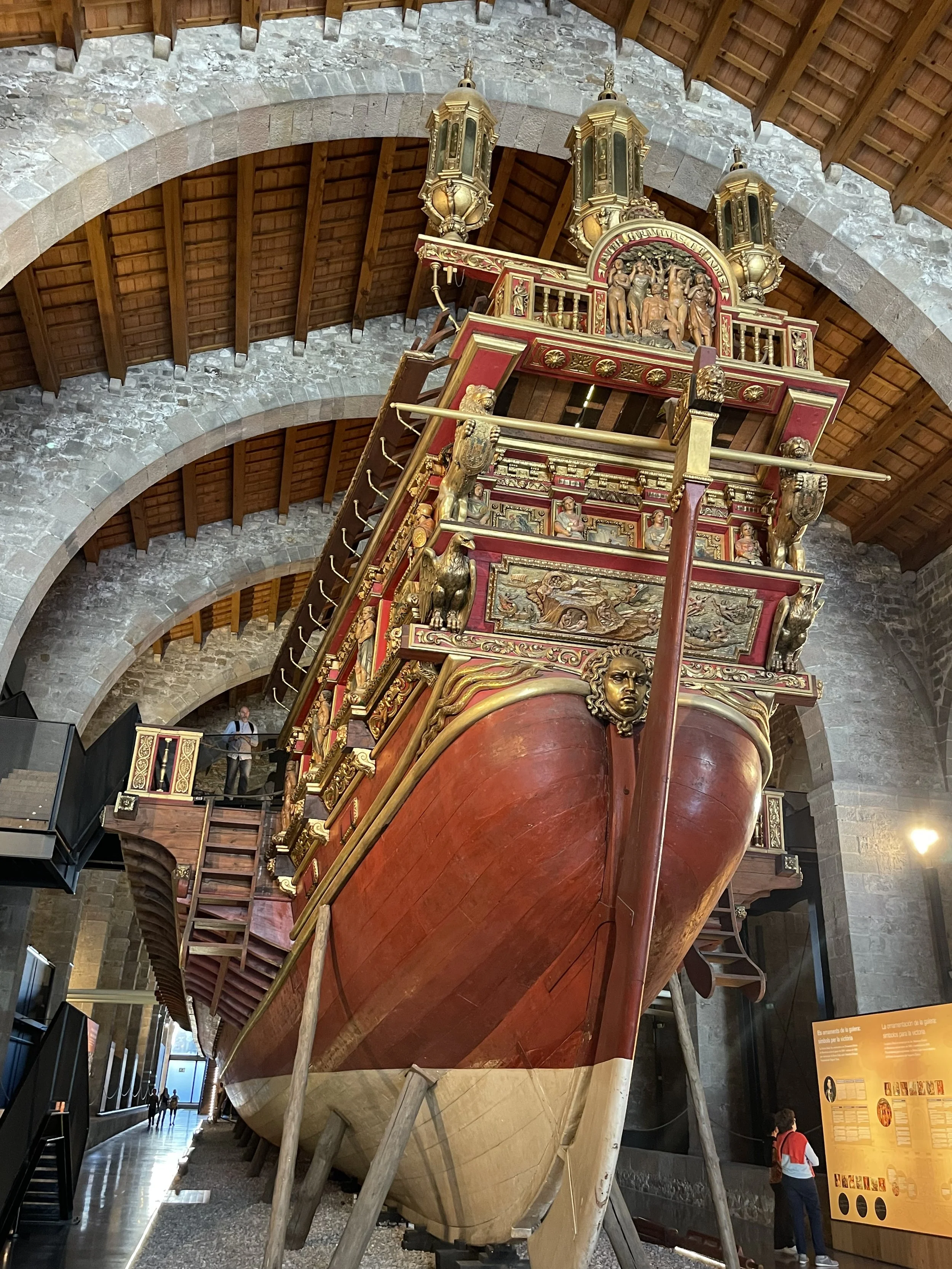
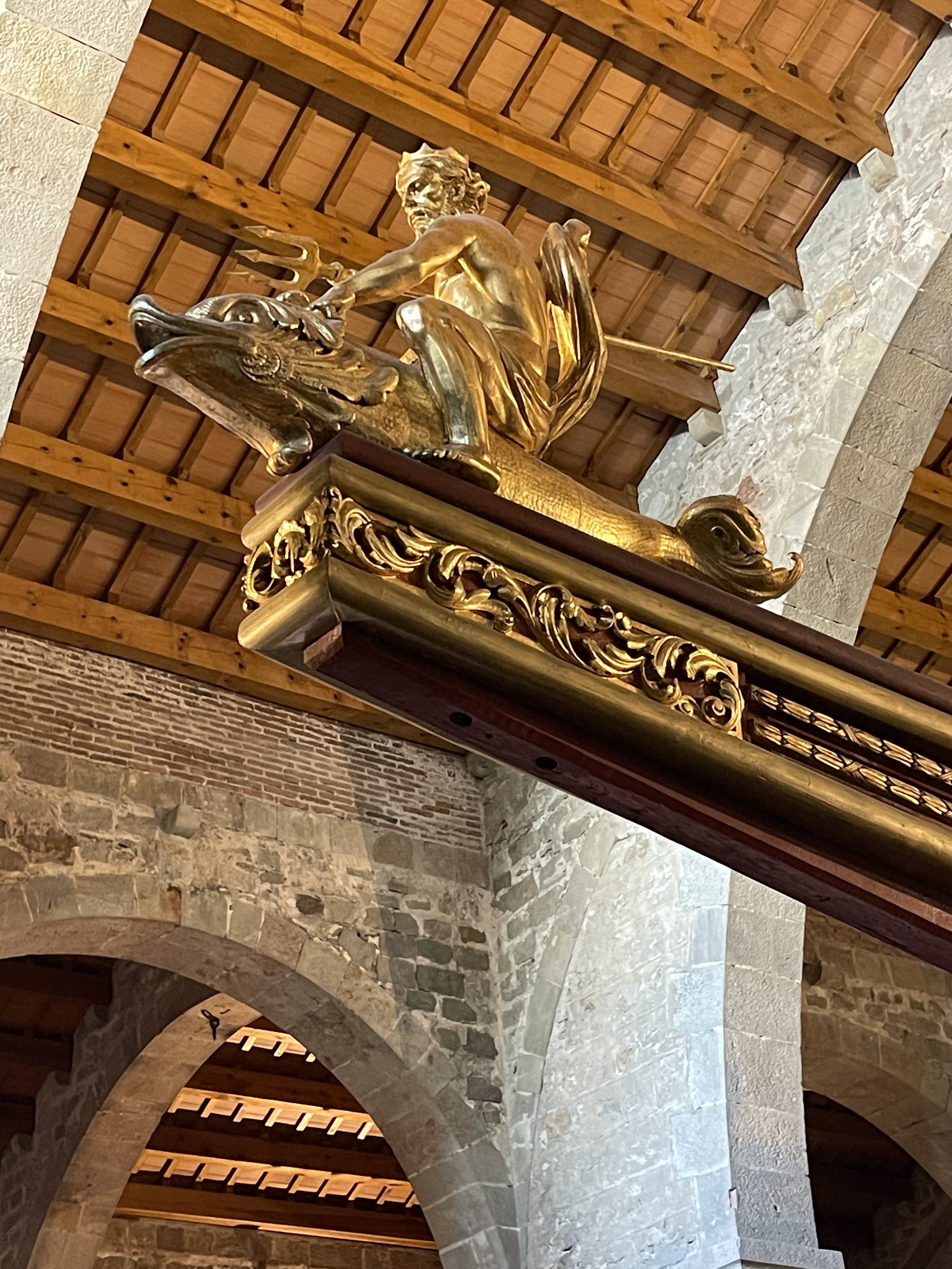
The Maritime Museum of Barcelona is located in the royal arsenal of Barcelona, dedicated to shipbuilding between the thirteenth century and eighteenth century. The first mention of these arsenals date from 1243 in a document indicating the boundaries of the city of Barcelona where it mentions its shipyard. It is located inside a shipyard and former military building of Gothic architecture located in the Port Vell area of the Port of Barcelona. Construction started during the 13th century under the rule of Peter III of Aragon. The building’s construction was carried out in a first stage between 1283 / 1328 and the second between 1328 / 1390. During excavations in 2012 it was discovered that in the late 16th century a new building was constructed on top of the old medieval dockyard, giving the building its current structure. These excavations also uncovered a Roman graveyard. The shipyard's restoration was finished in early 2013 and the Museum was reopened in 2014.
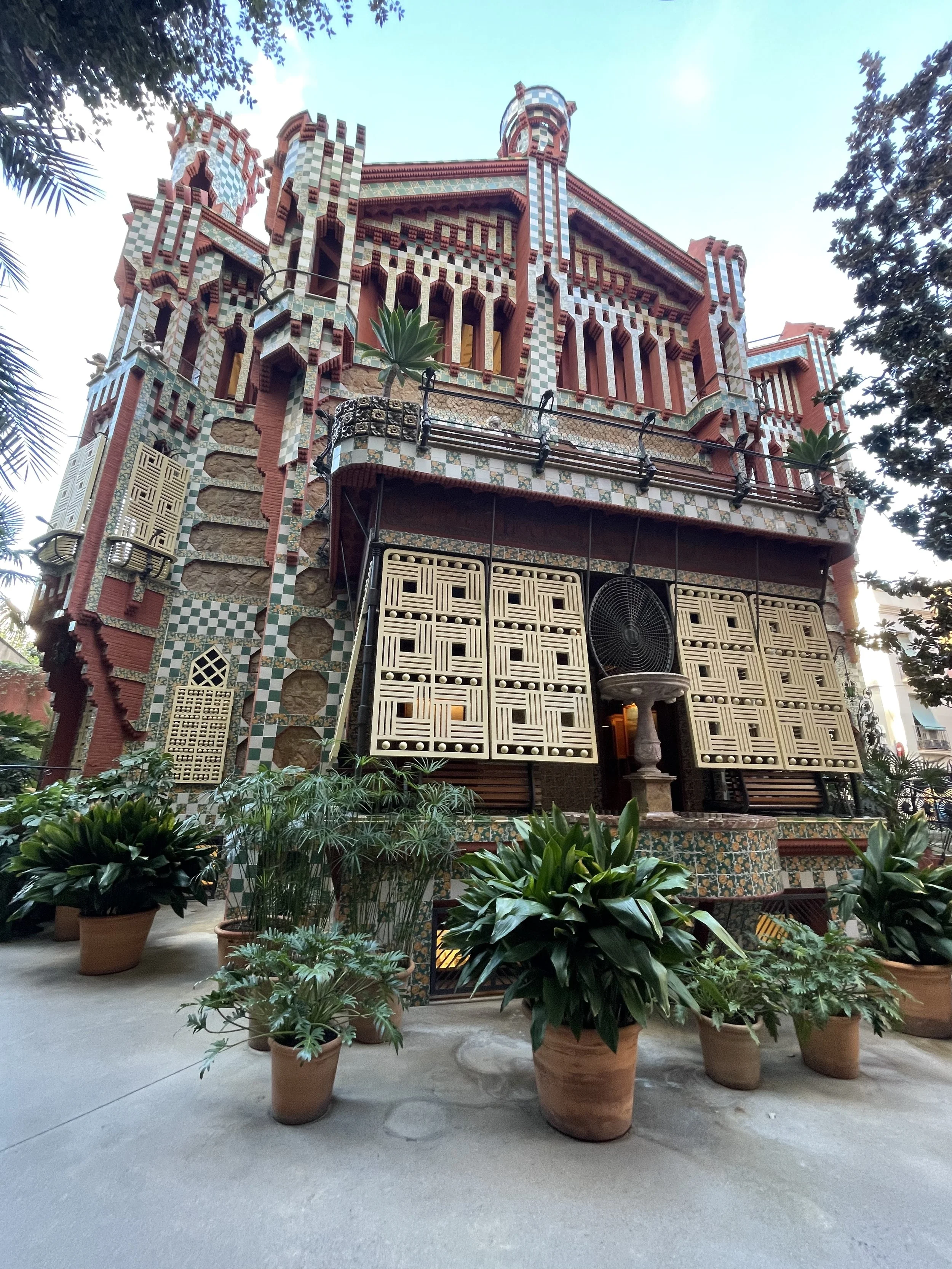
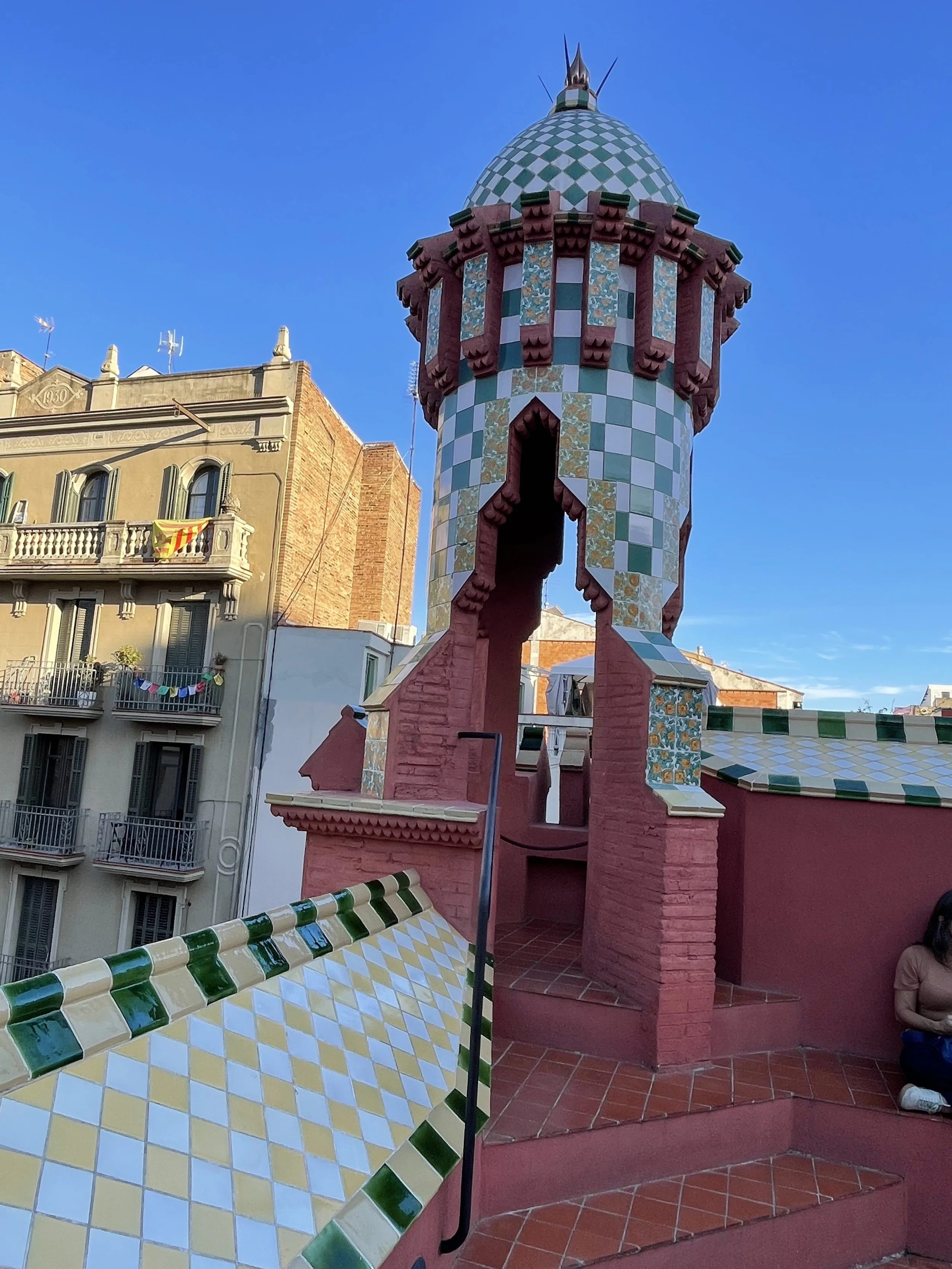
Casa Vicens is a modernist building situated in the Gràcia neighborhood of Barcelona. It is the work of architect Antoni Gaudí and is considered to be his first major project. It was built between 1883 and 1885, although Gaudí drew up the initial plans between 1878 and 1880. The work belongs to the orientalist style, similar to Neo-Mudéjar architecture, although interpreted in Gaudí’s own personal way, with a uniqueness that only he knew how to add to his projects. In this work, and for the first time, Gaudí outlined some of his constructive resources that would become regular features of Modernisme.
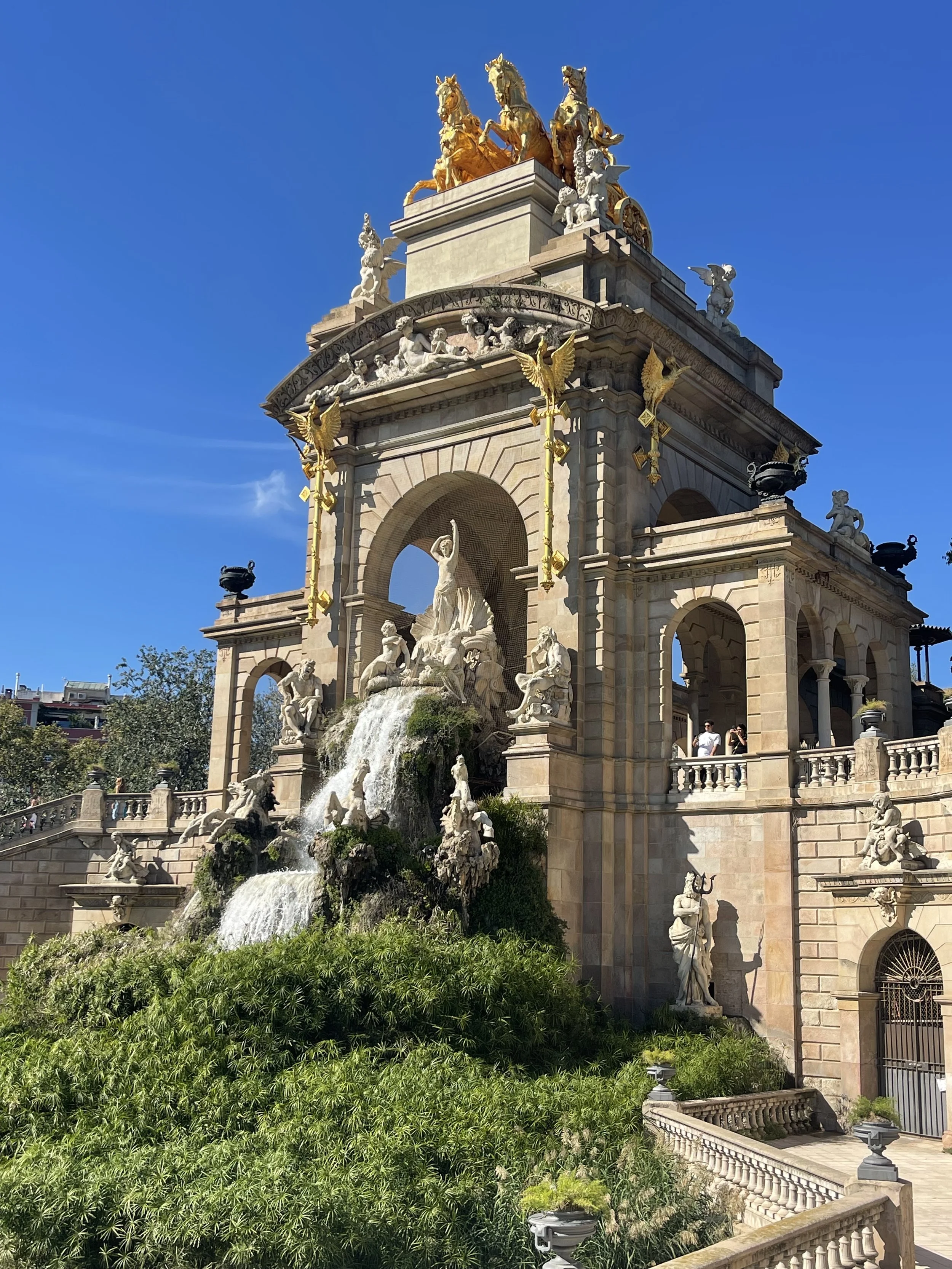
The Parc de la Ciutadella 'Citadel Park' is a park on the northeastern edge of Ciutat Vella, Barcelona, Catalonia, Spain. For decades following its creation in the mid-19th century, this park was the city's only green space. The 31-hectare (77 acres) grounds include the city zoo , the Palau del Parlament de Catalunya, a small lake, museums, and a large fountain designed by Josep Fontserè (with possible contributions by the young Antoni Gaudí).
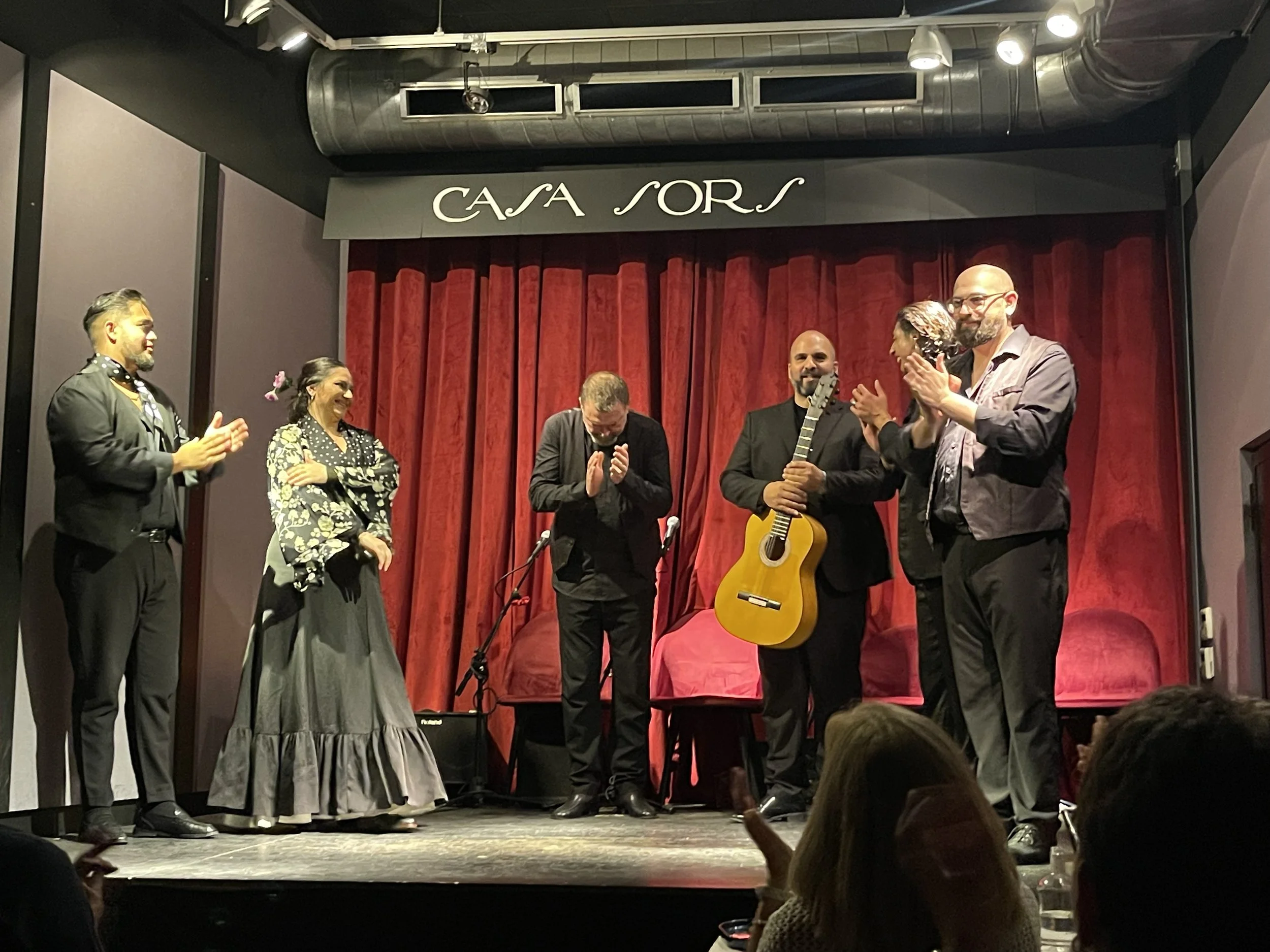
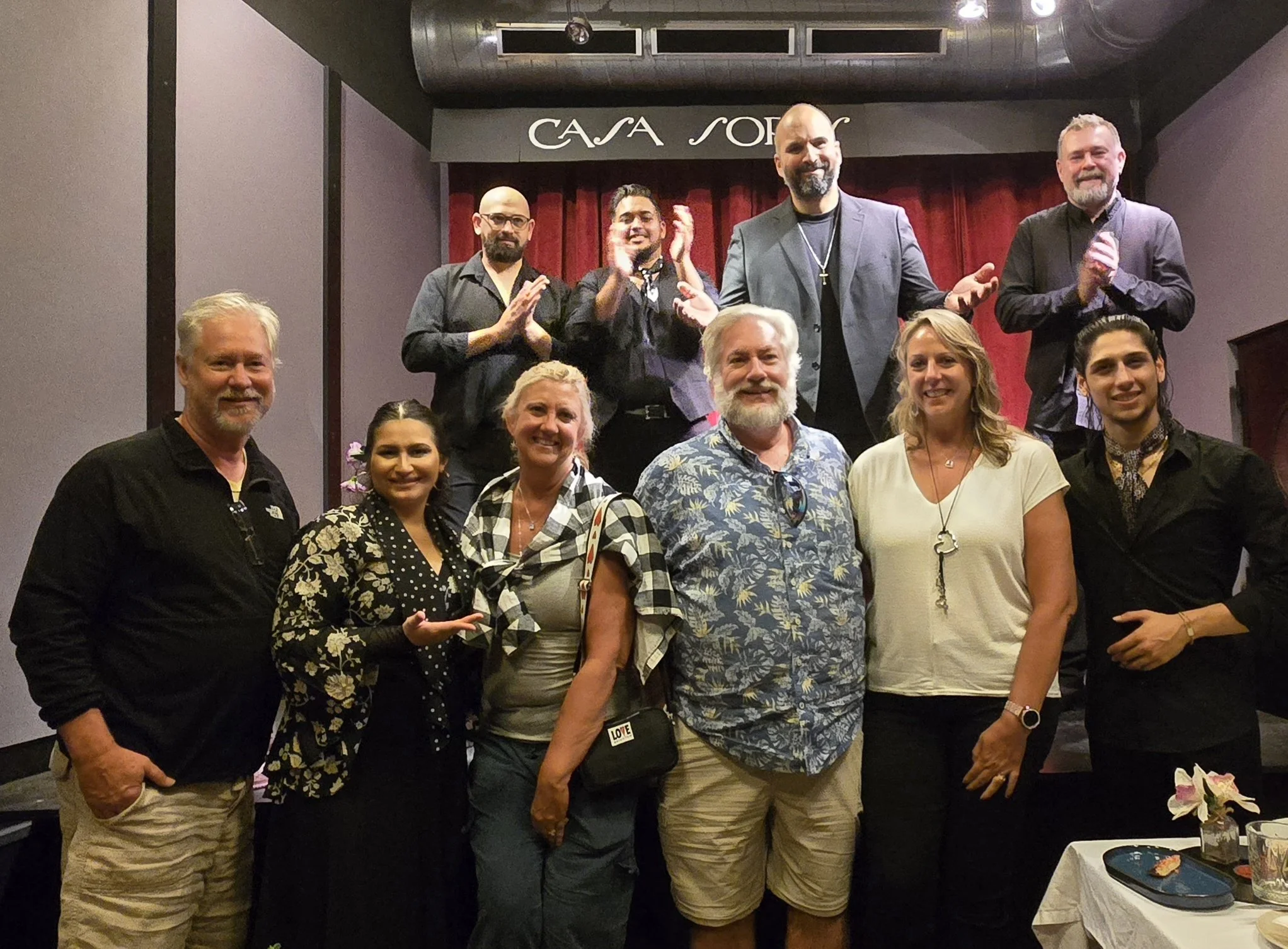
Flamenco show 8pm
DAY 14
Thursday September 25, 2025
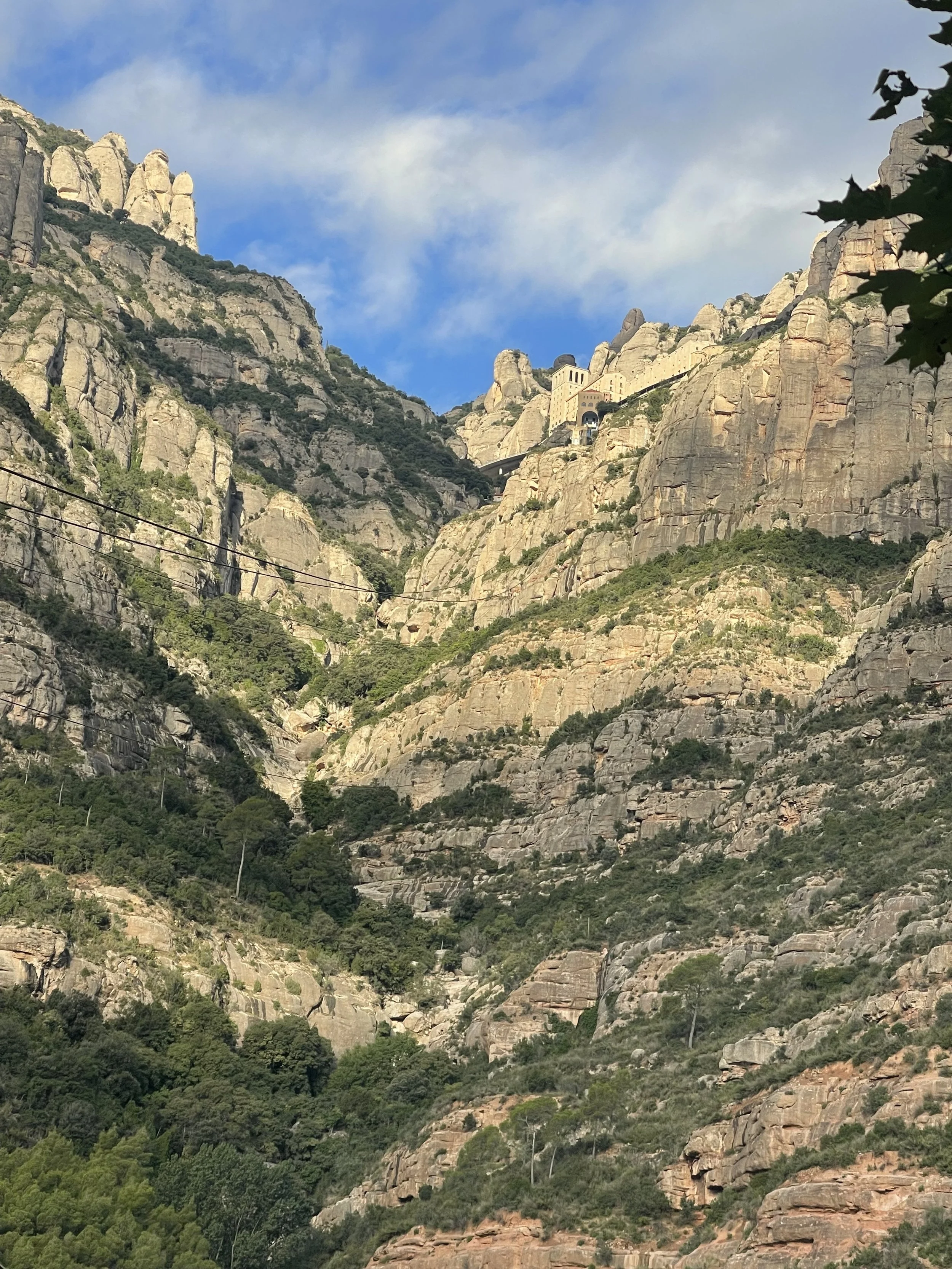
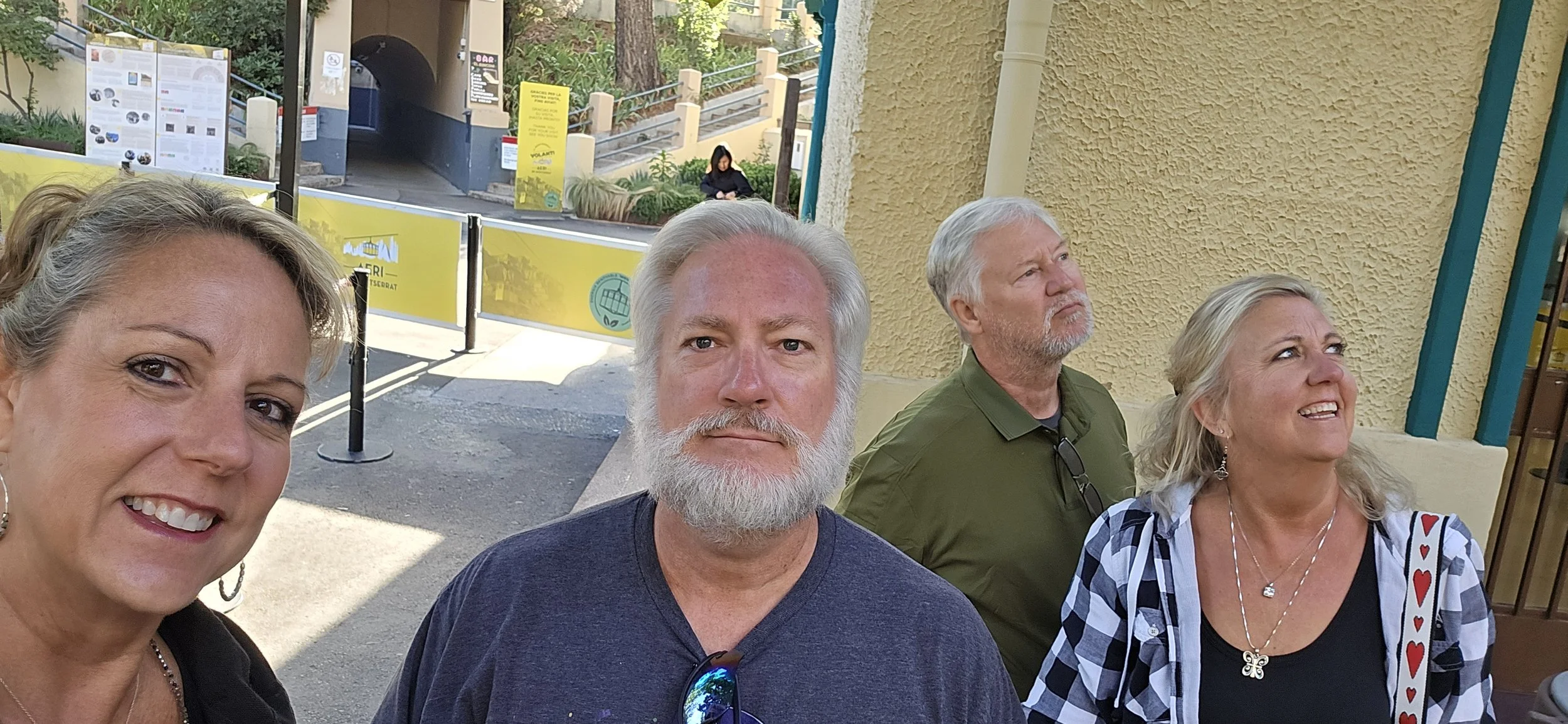
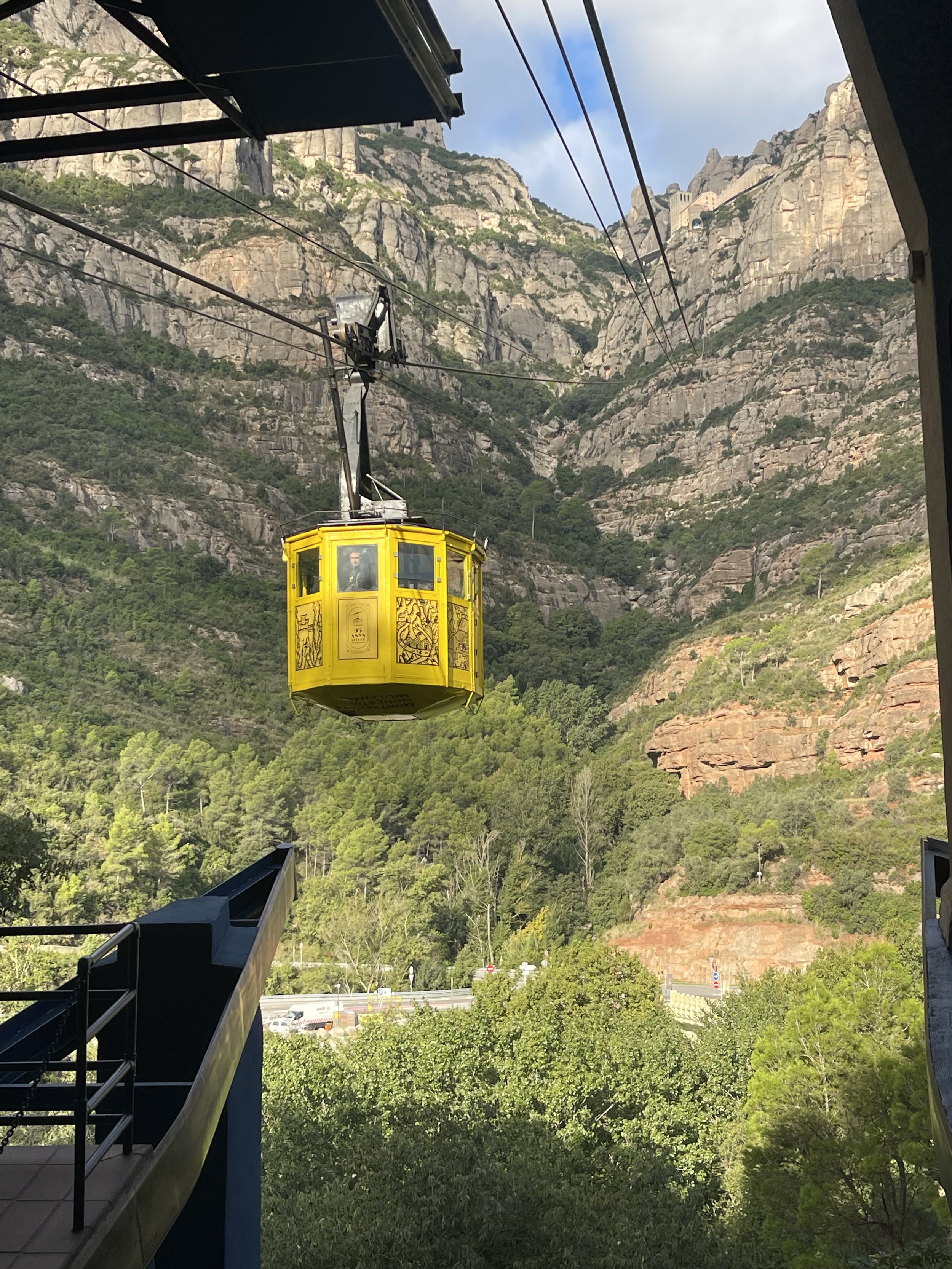
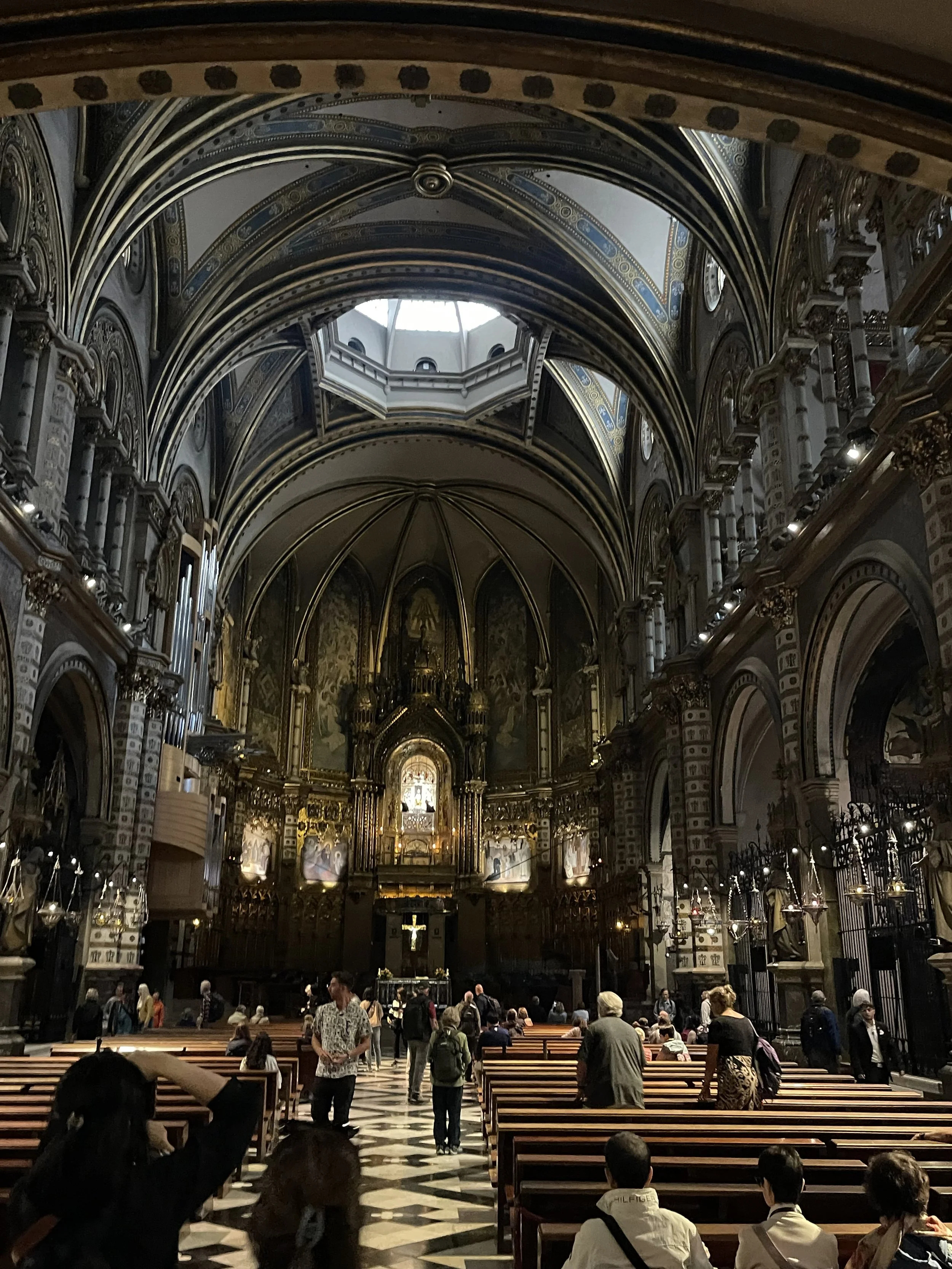
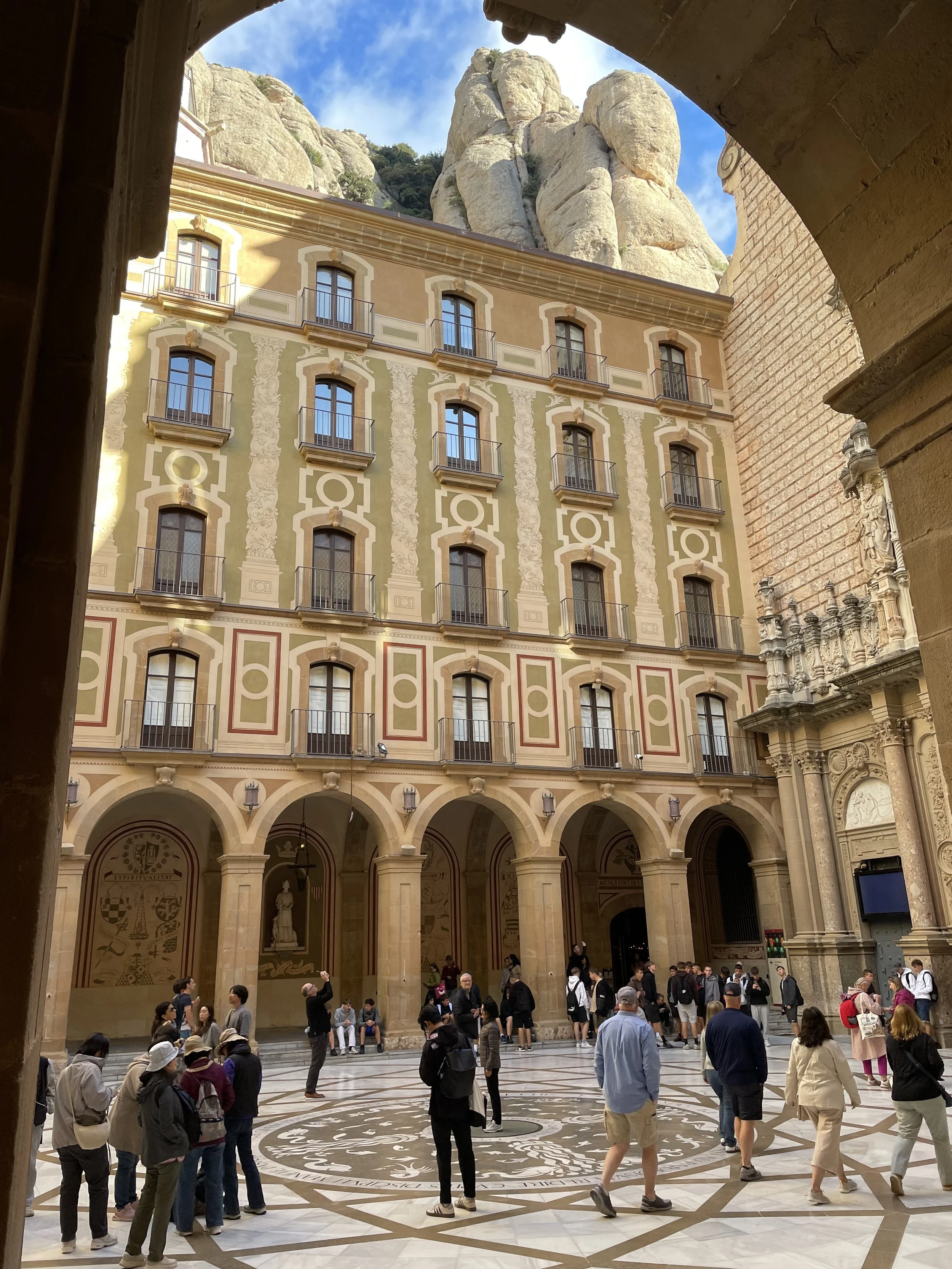
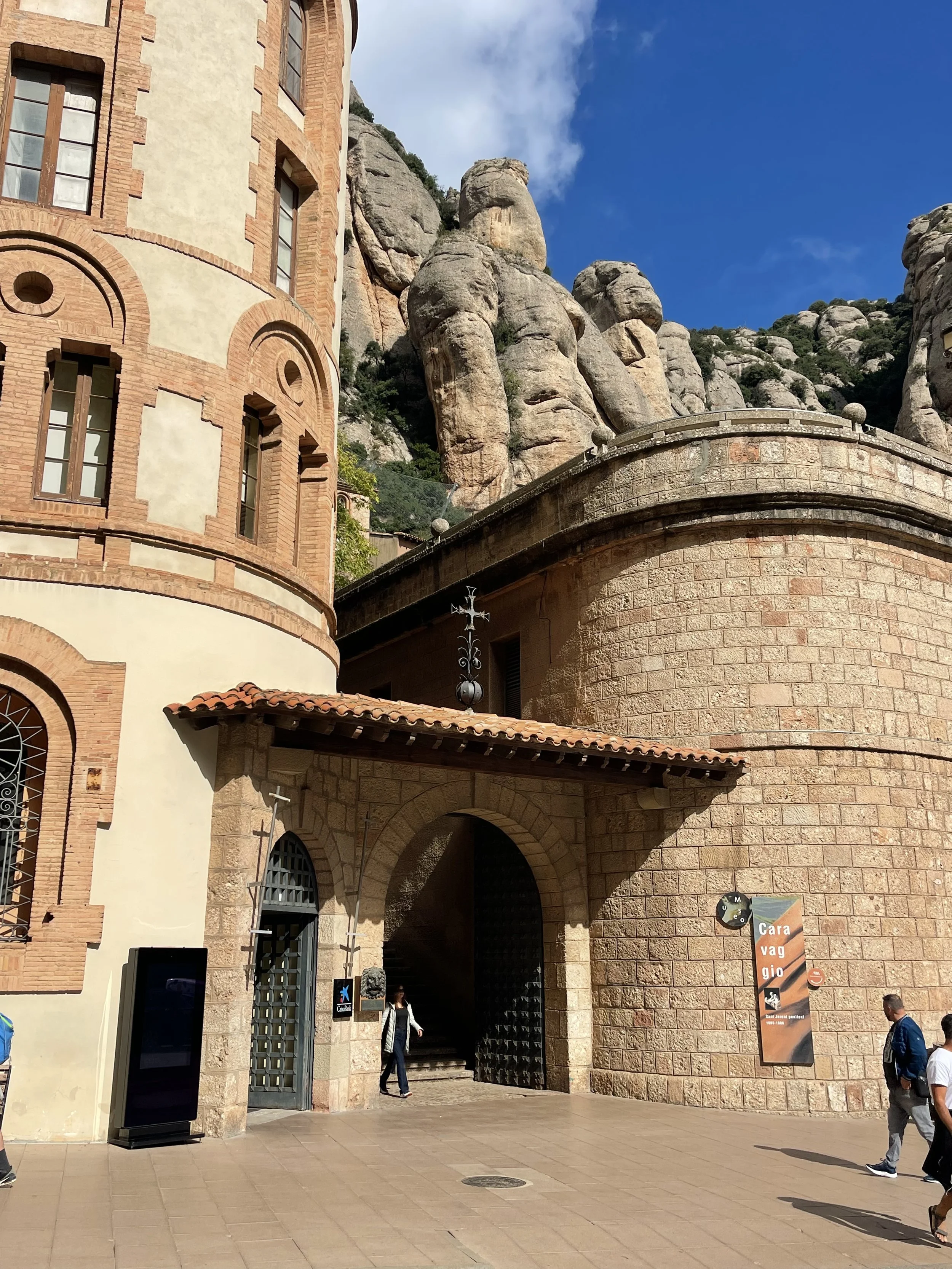
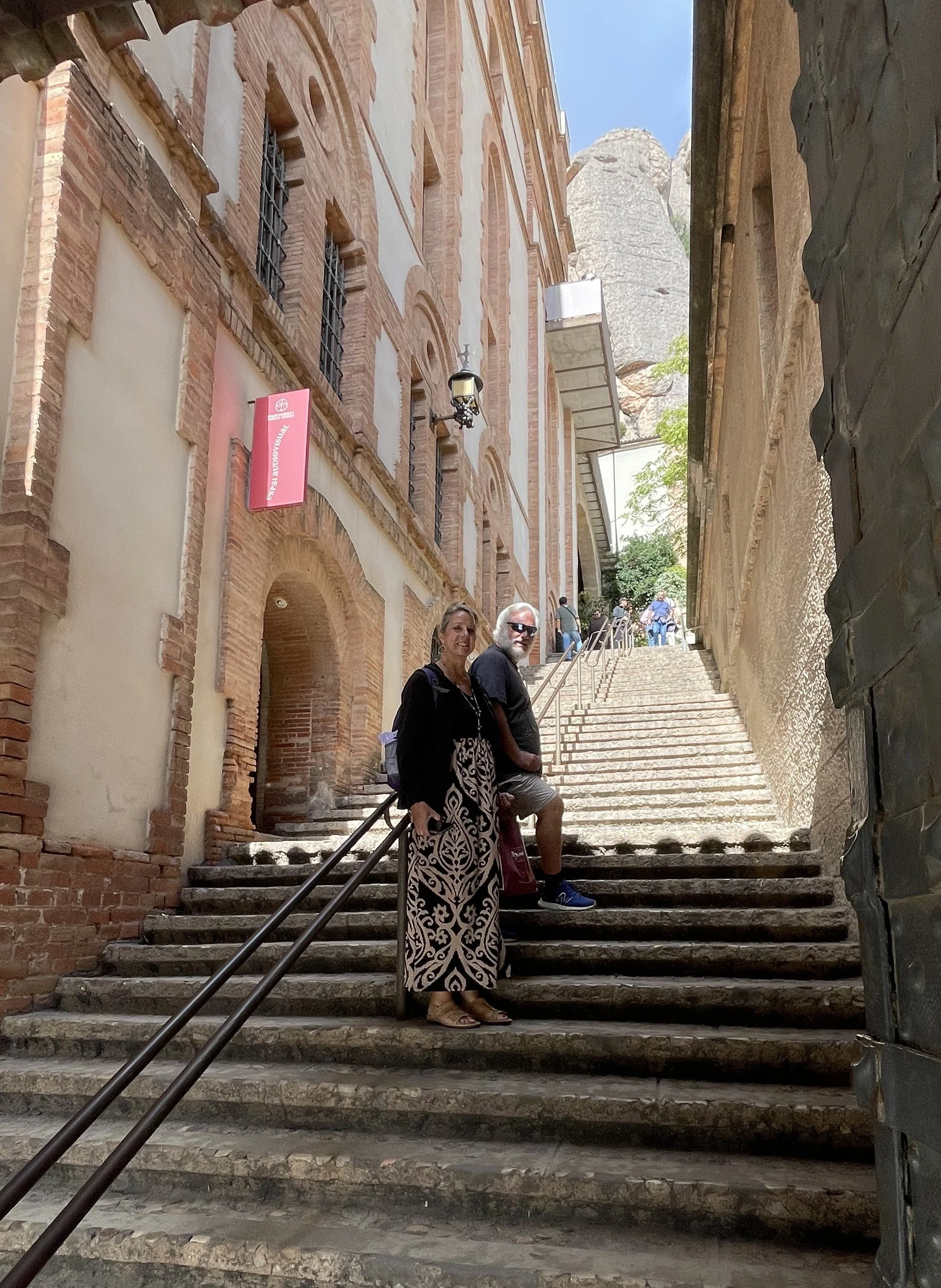
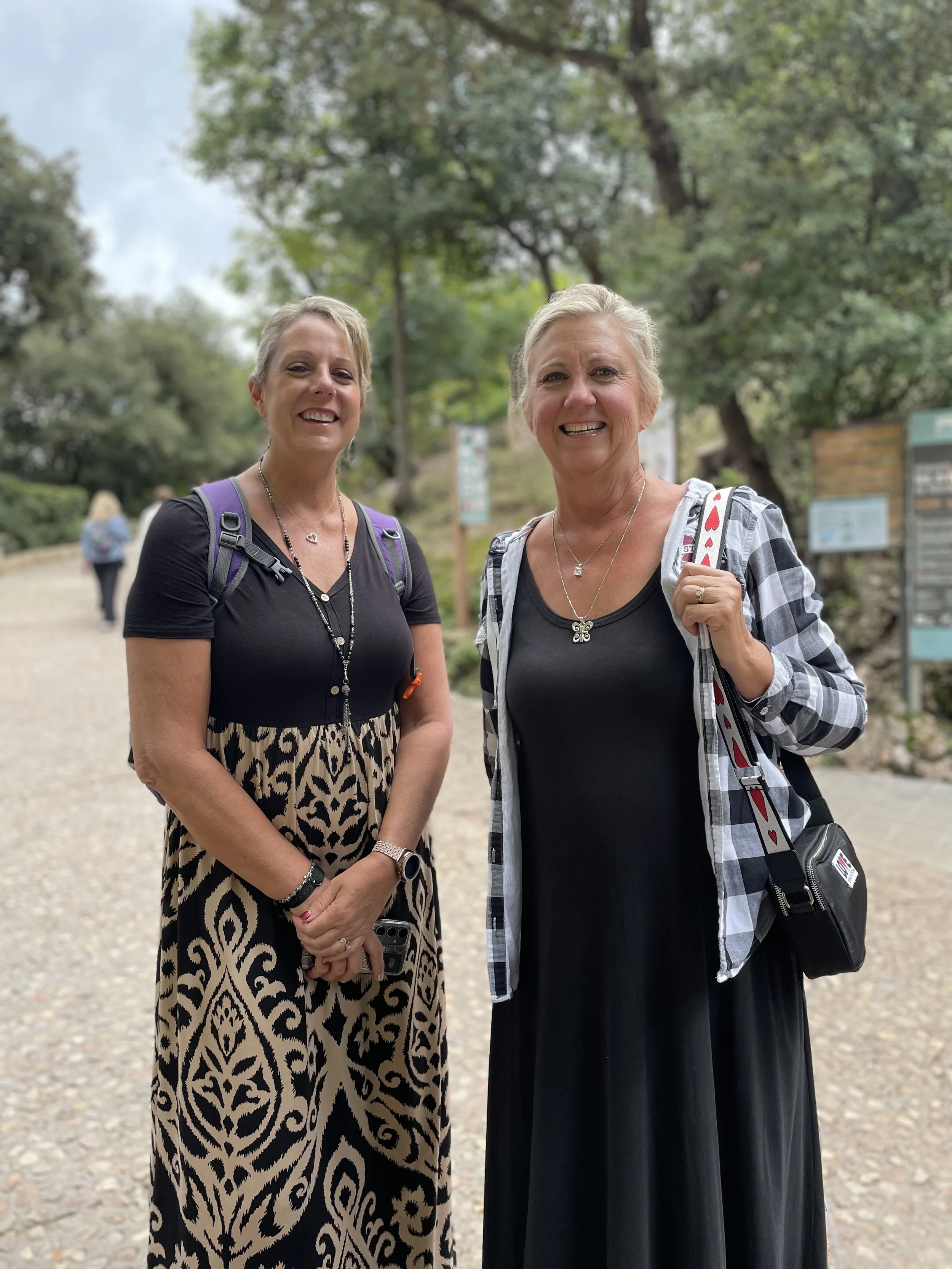
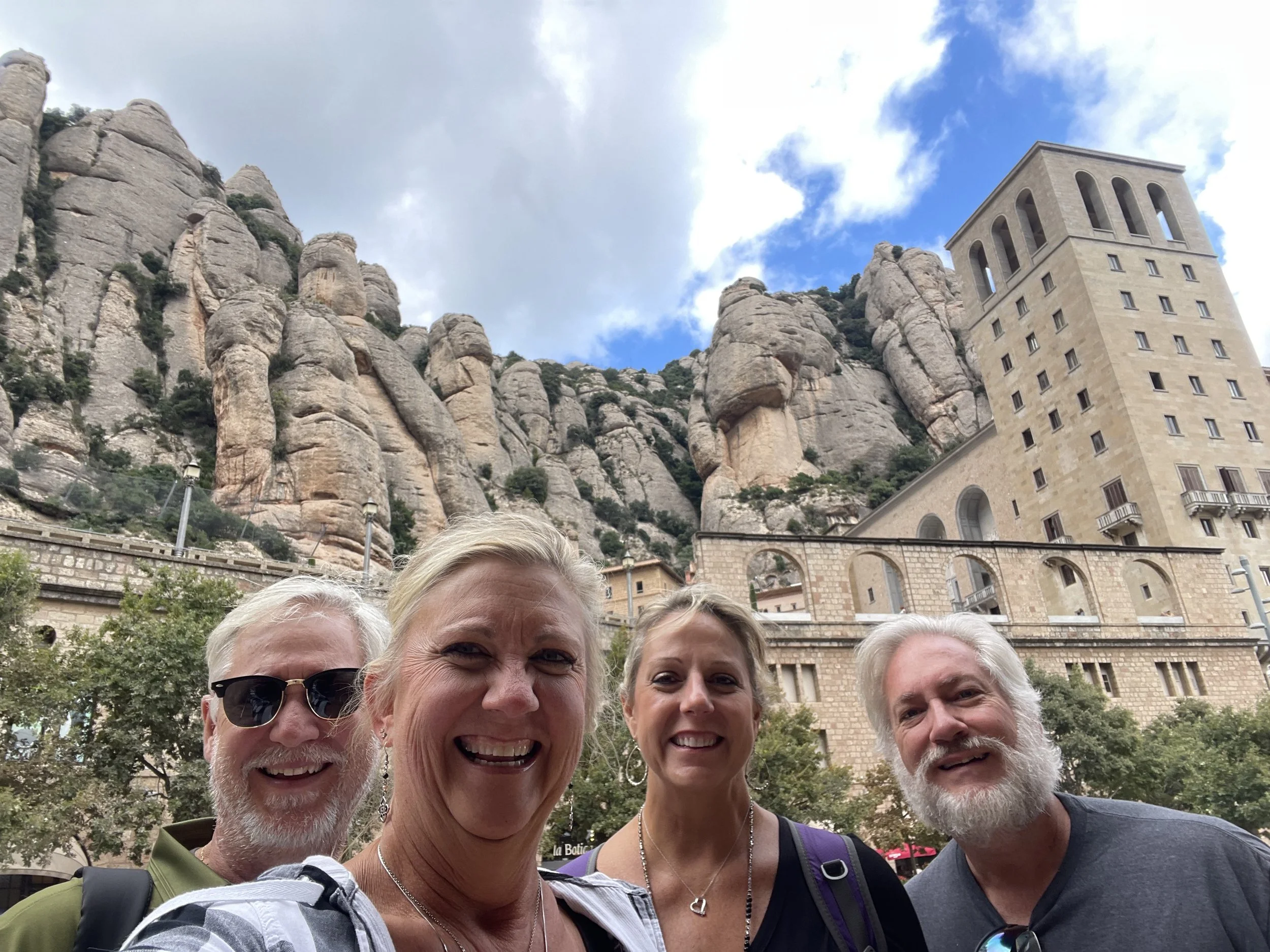
Early effort to get to train station takes us to Montserrat
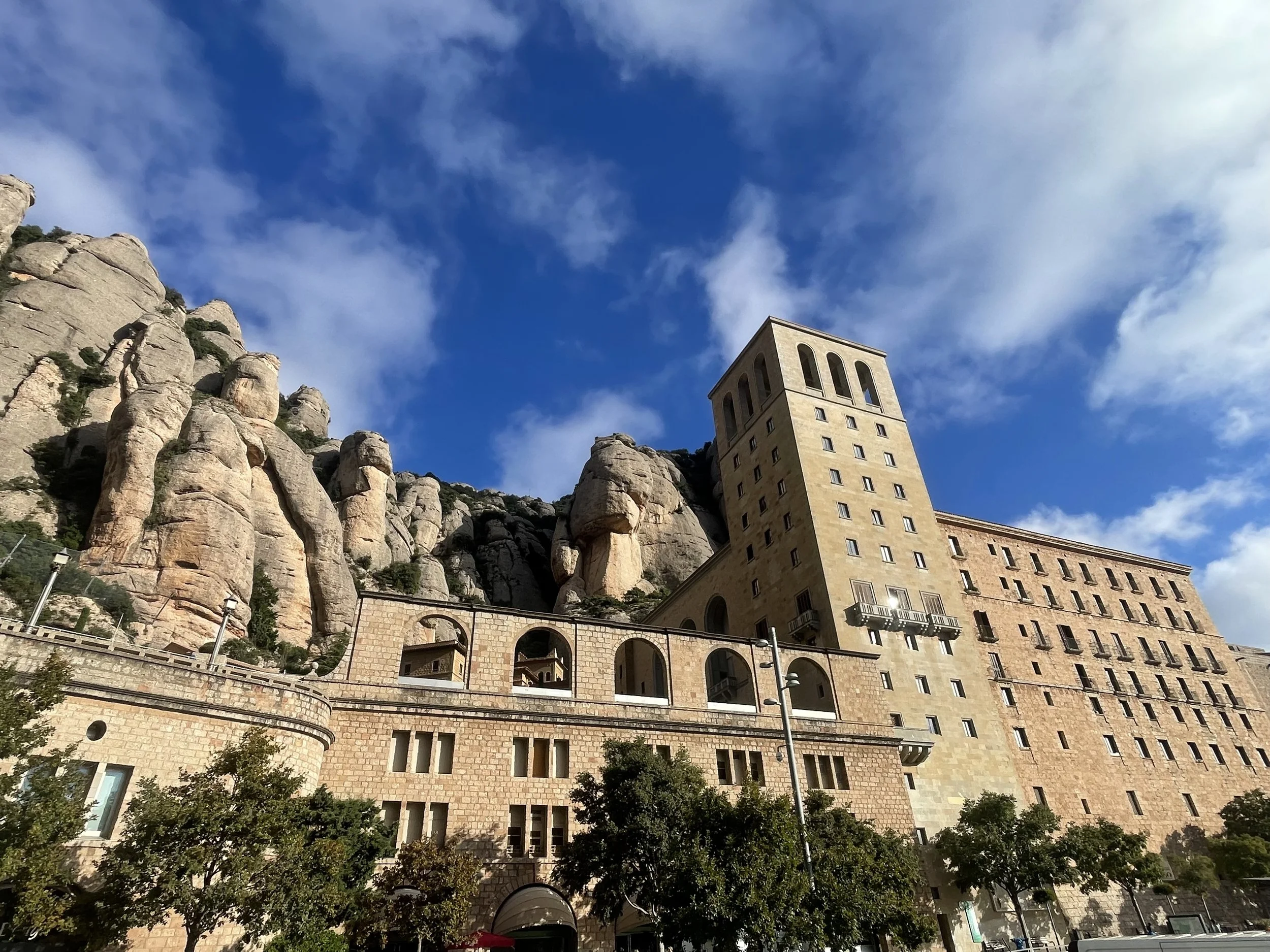
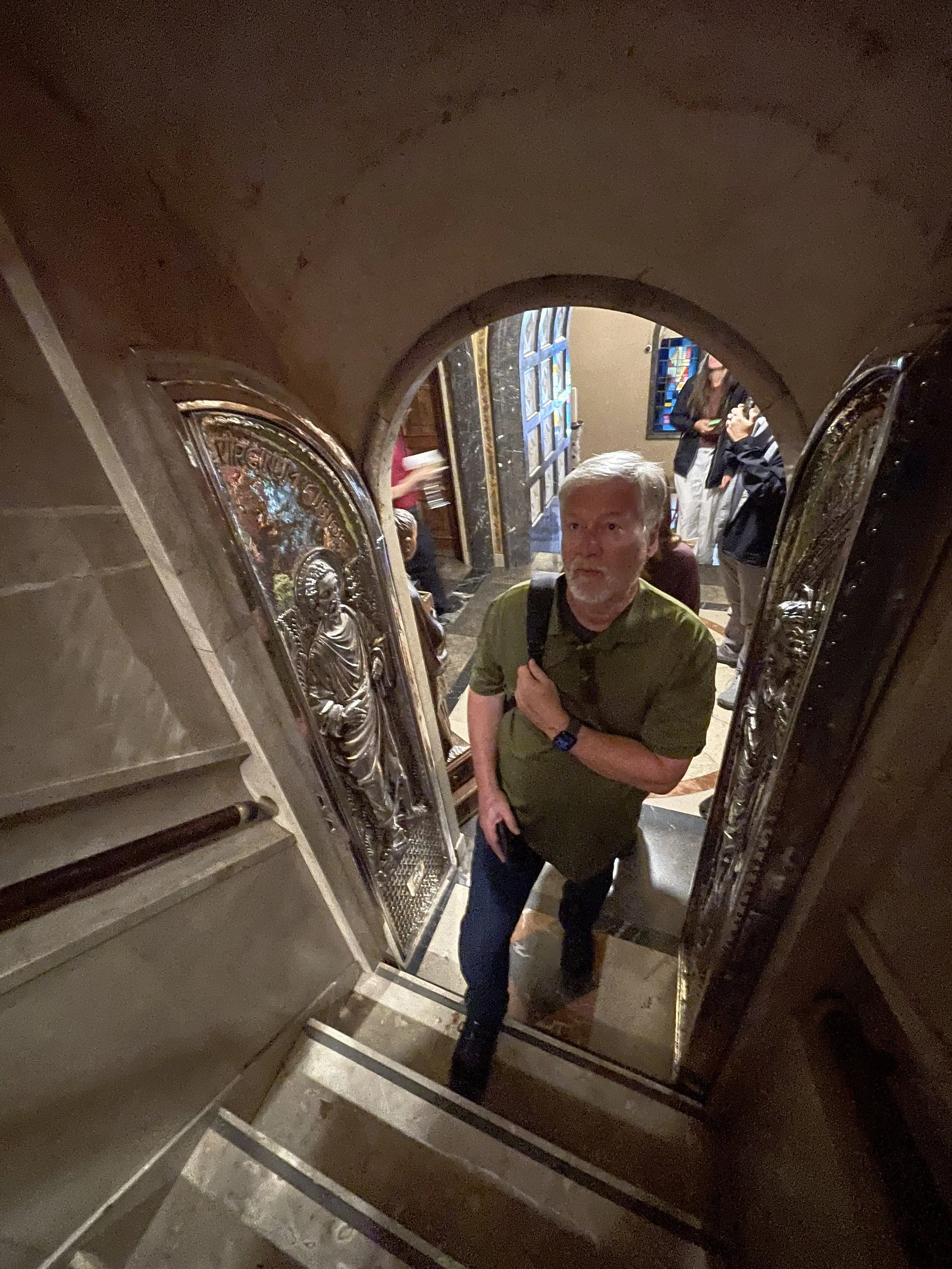
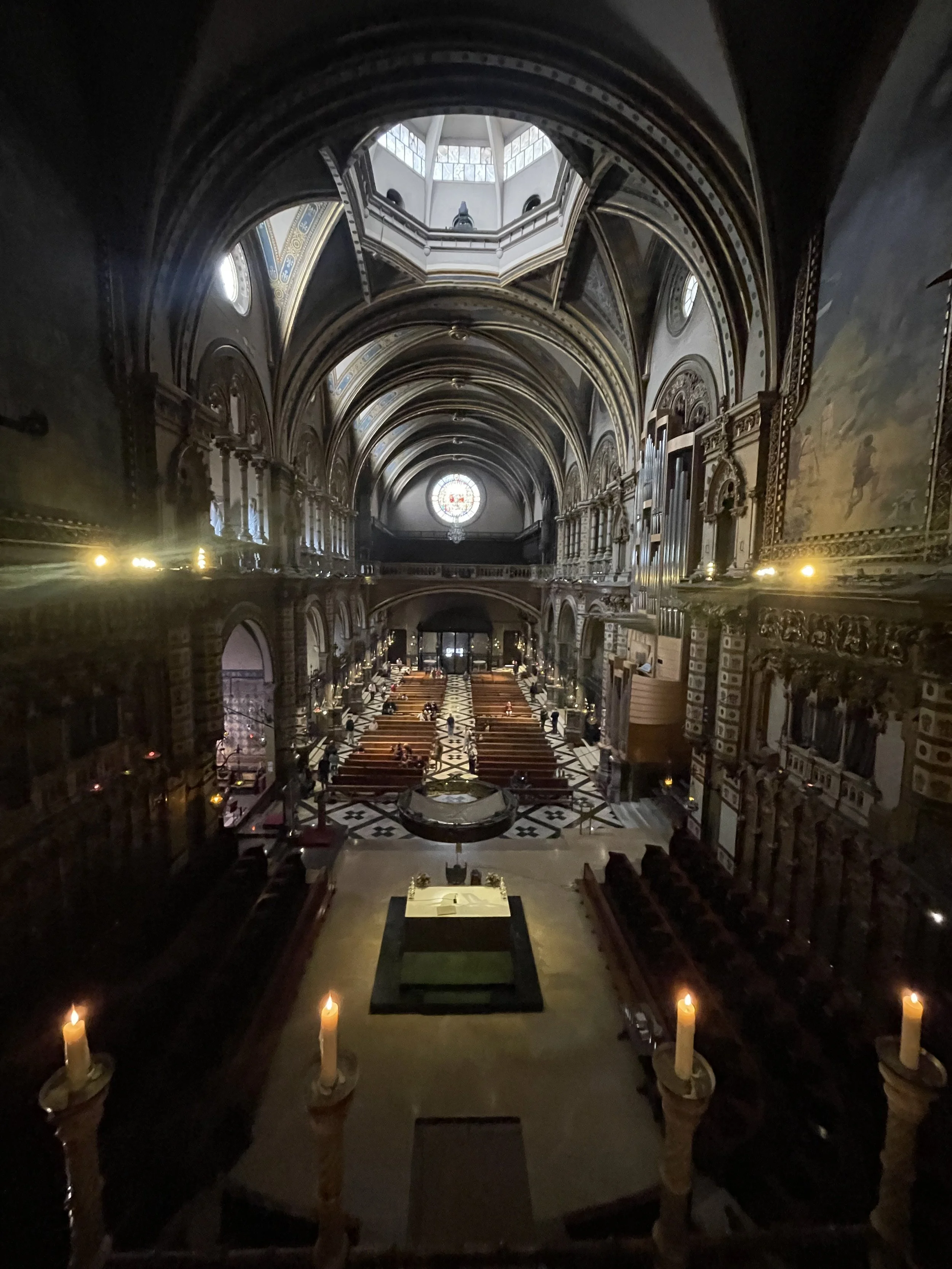
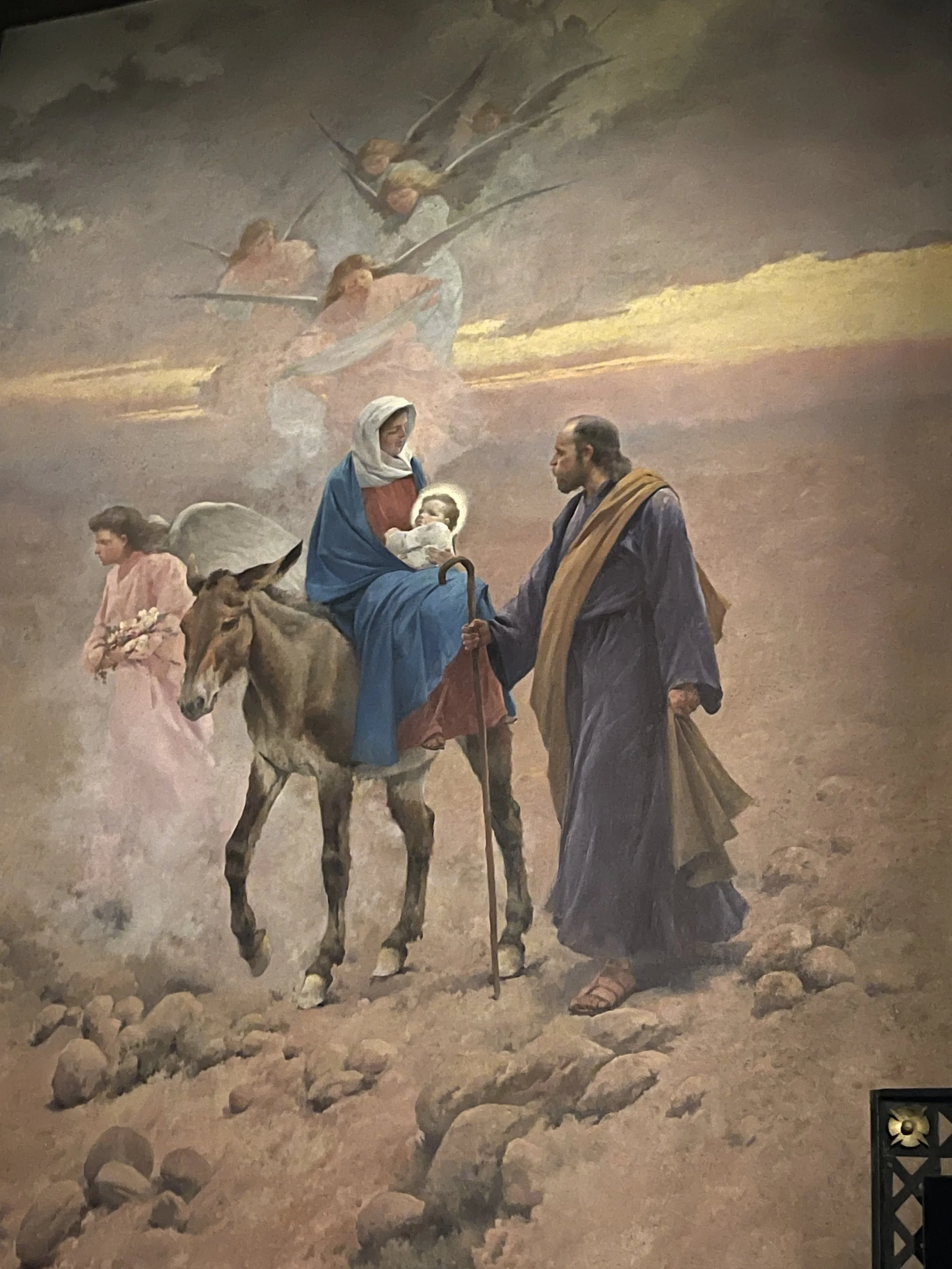
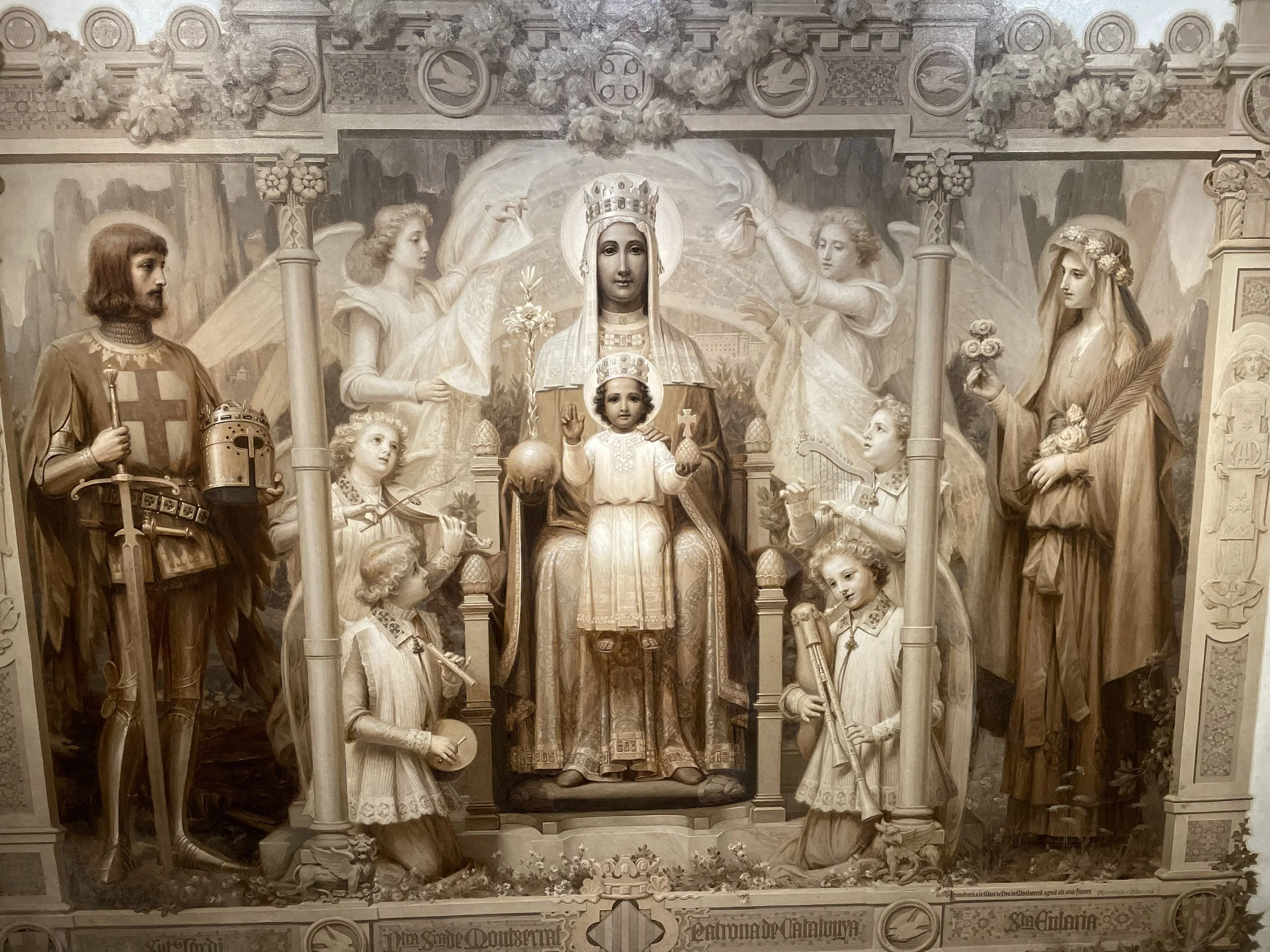
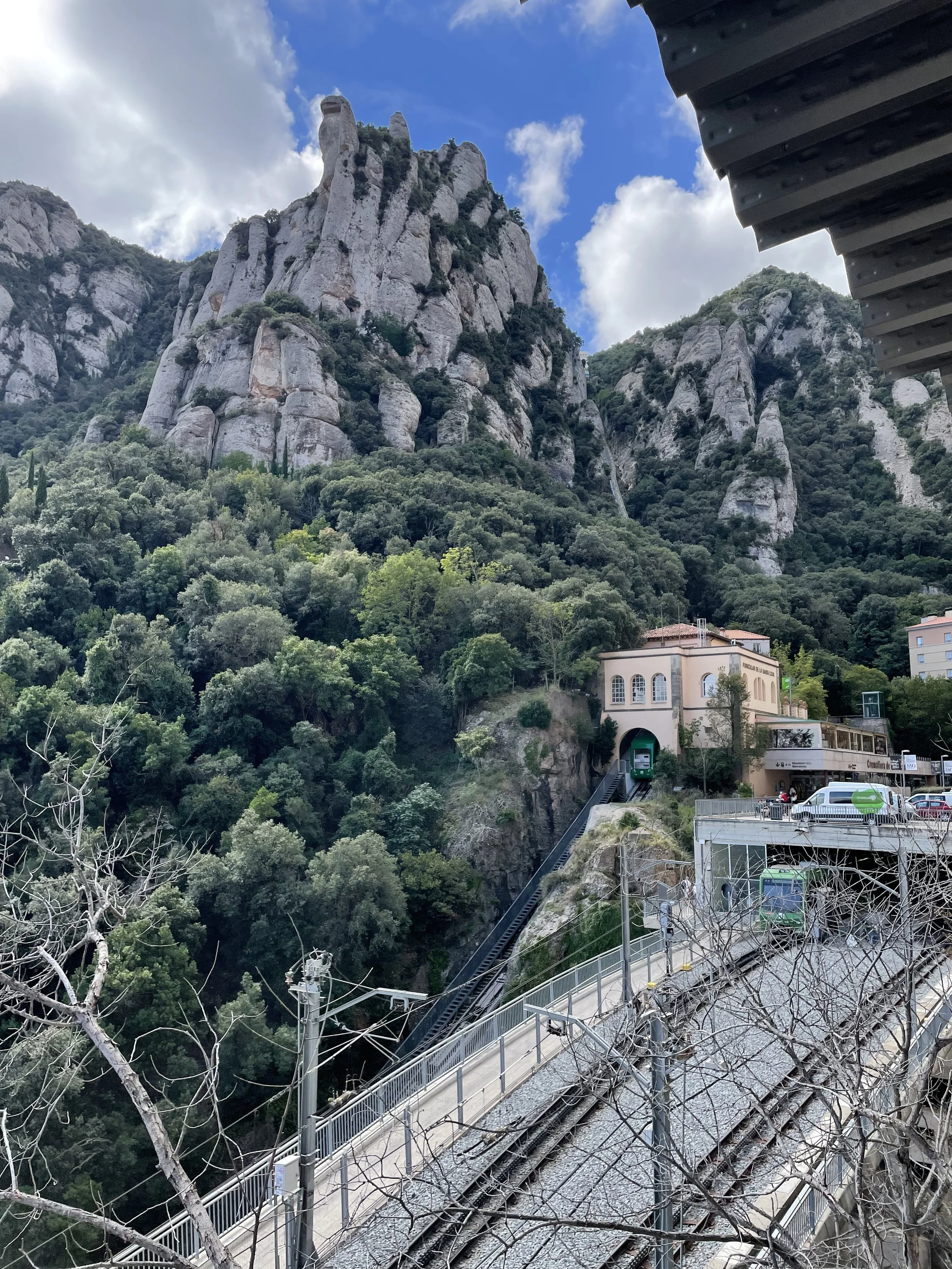
Montserrat refers to the stunning, multi-peaked mountain range near Barcelona. We went straight to the Benedictine monastery perched on its summit, and its unique geological rock formations. . . reached by mountain train and then by up via cable car. "Montserrat" literally means "serrated mountain" in Catalan. Santa Maria de Montserrat is an abbey of the Order of Saint Benedict located on the mountain of Montserrat. It is notable for enshrining the image of the Virgin of Montserrat. The monastery was founded in 1025 and rebuilt between the 19th and 20th centuries. With a community of around 70 monks, the abbey is still in use to this day.
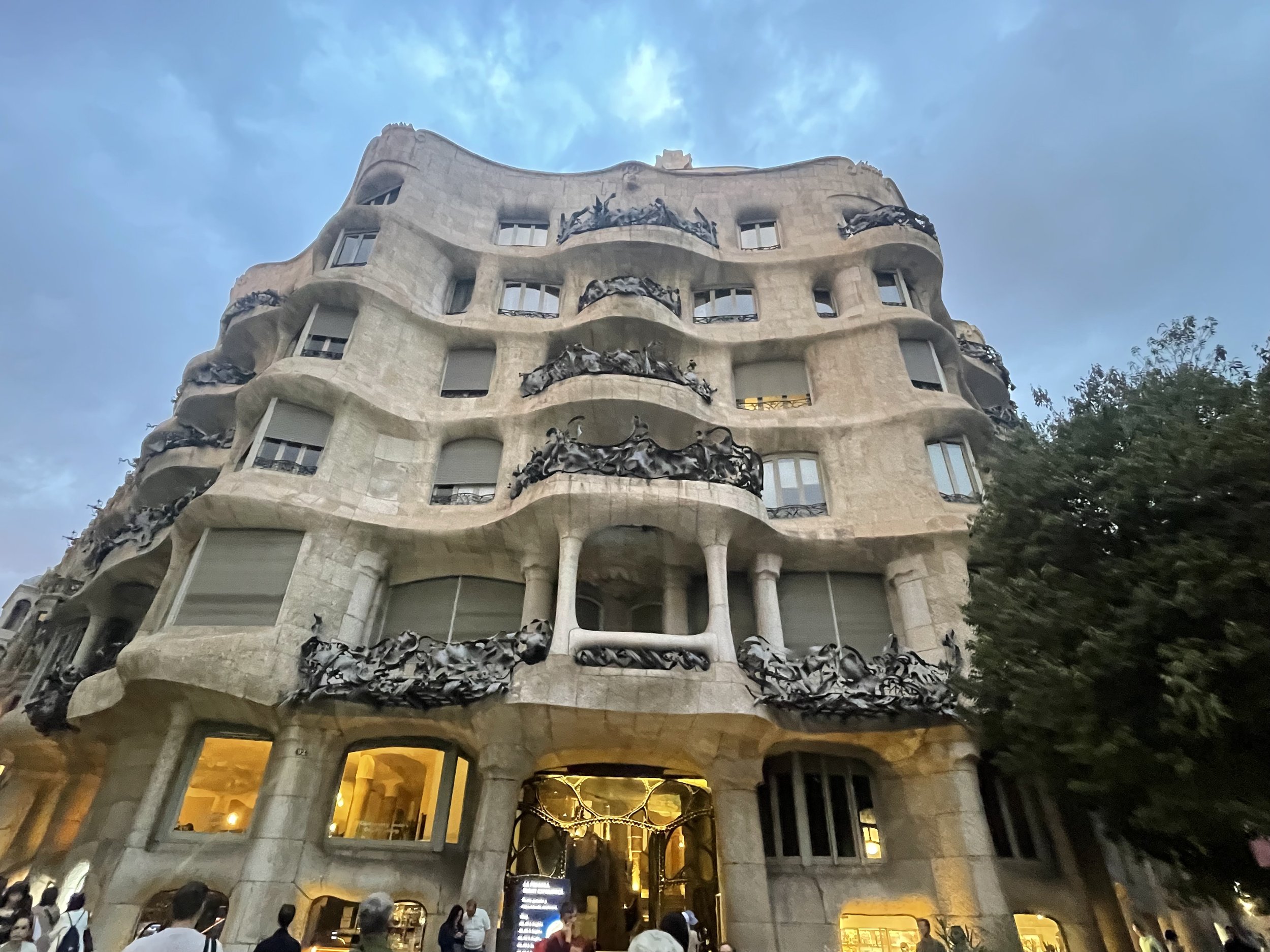
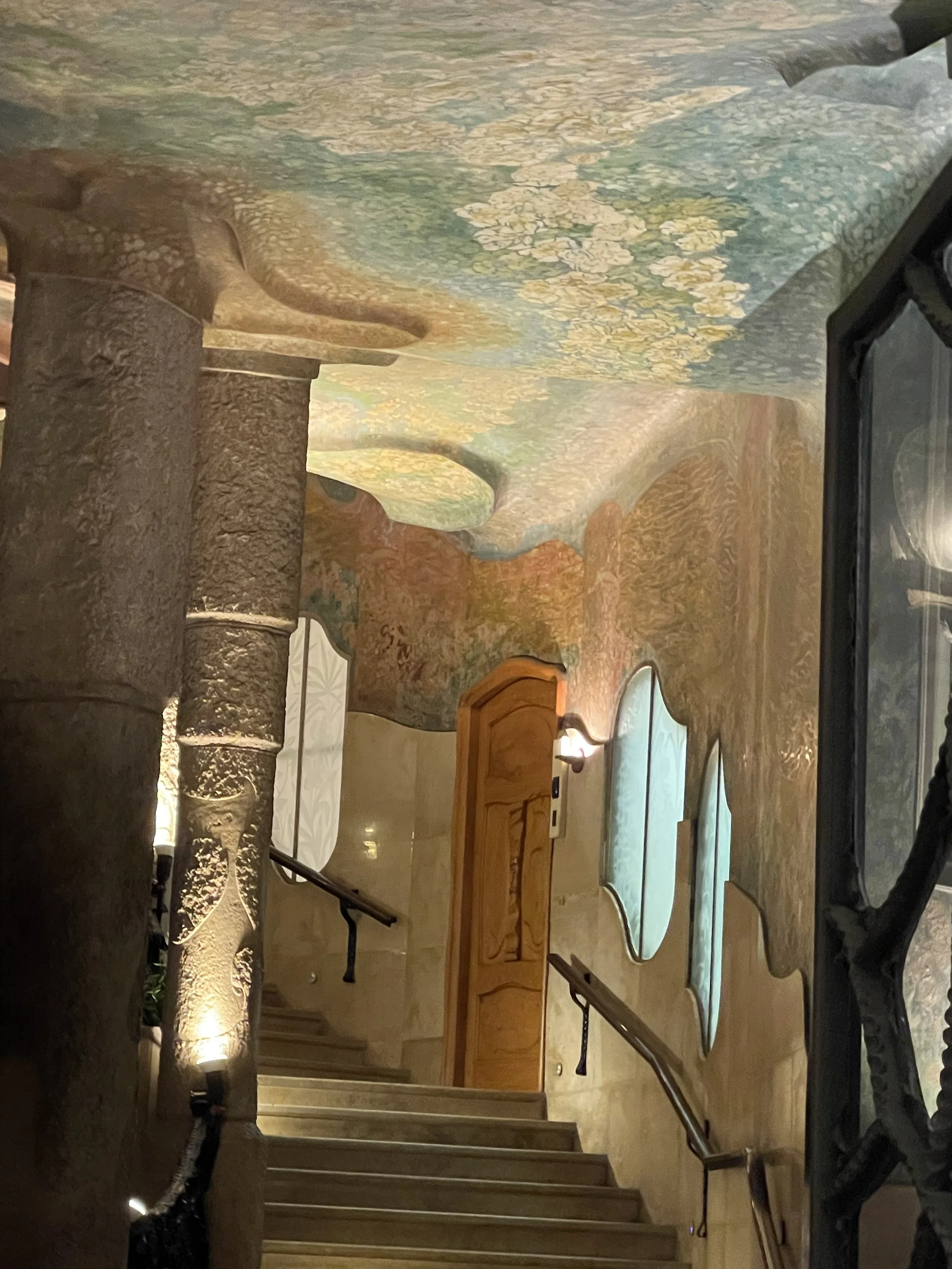
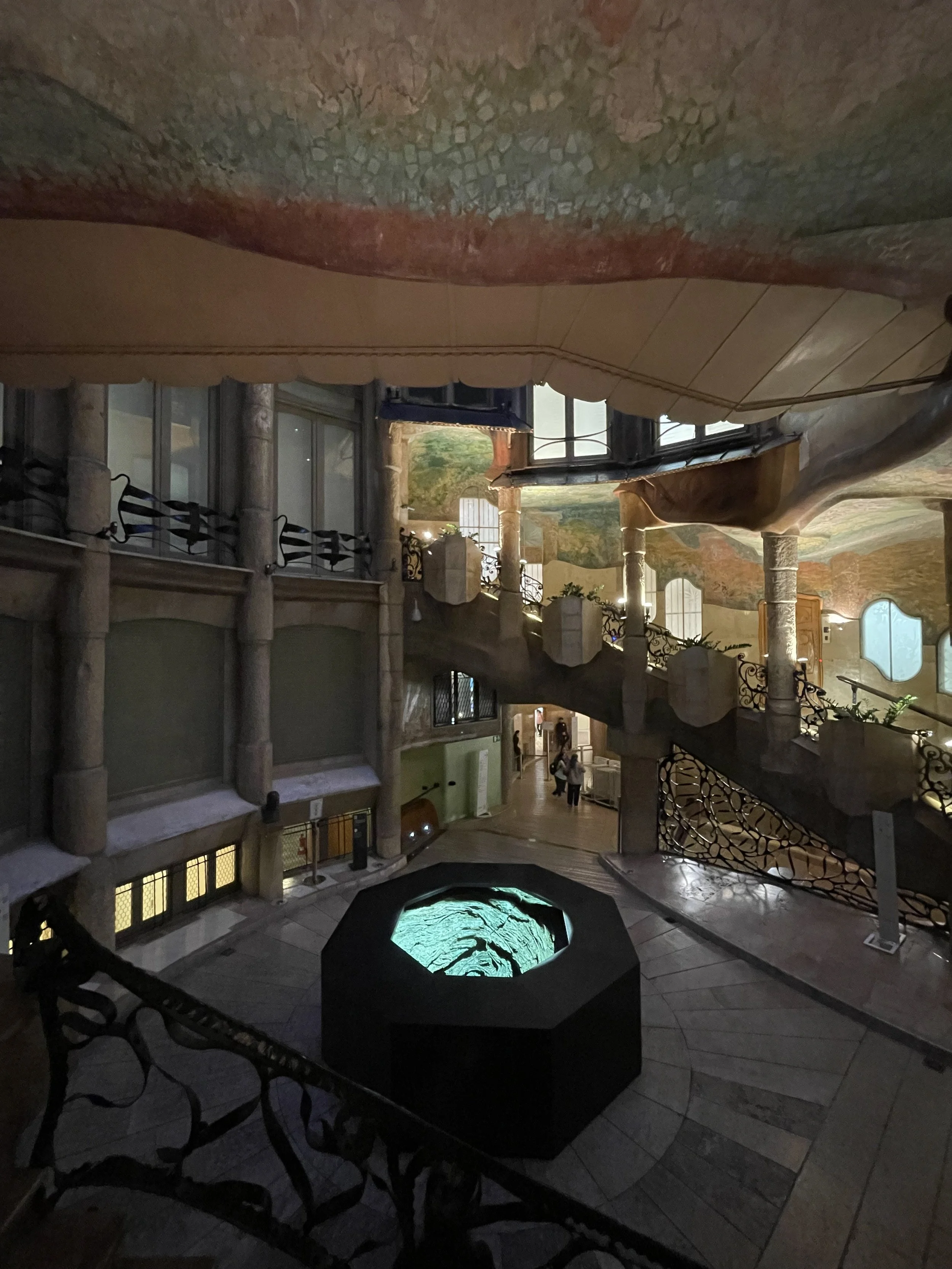
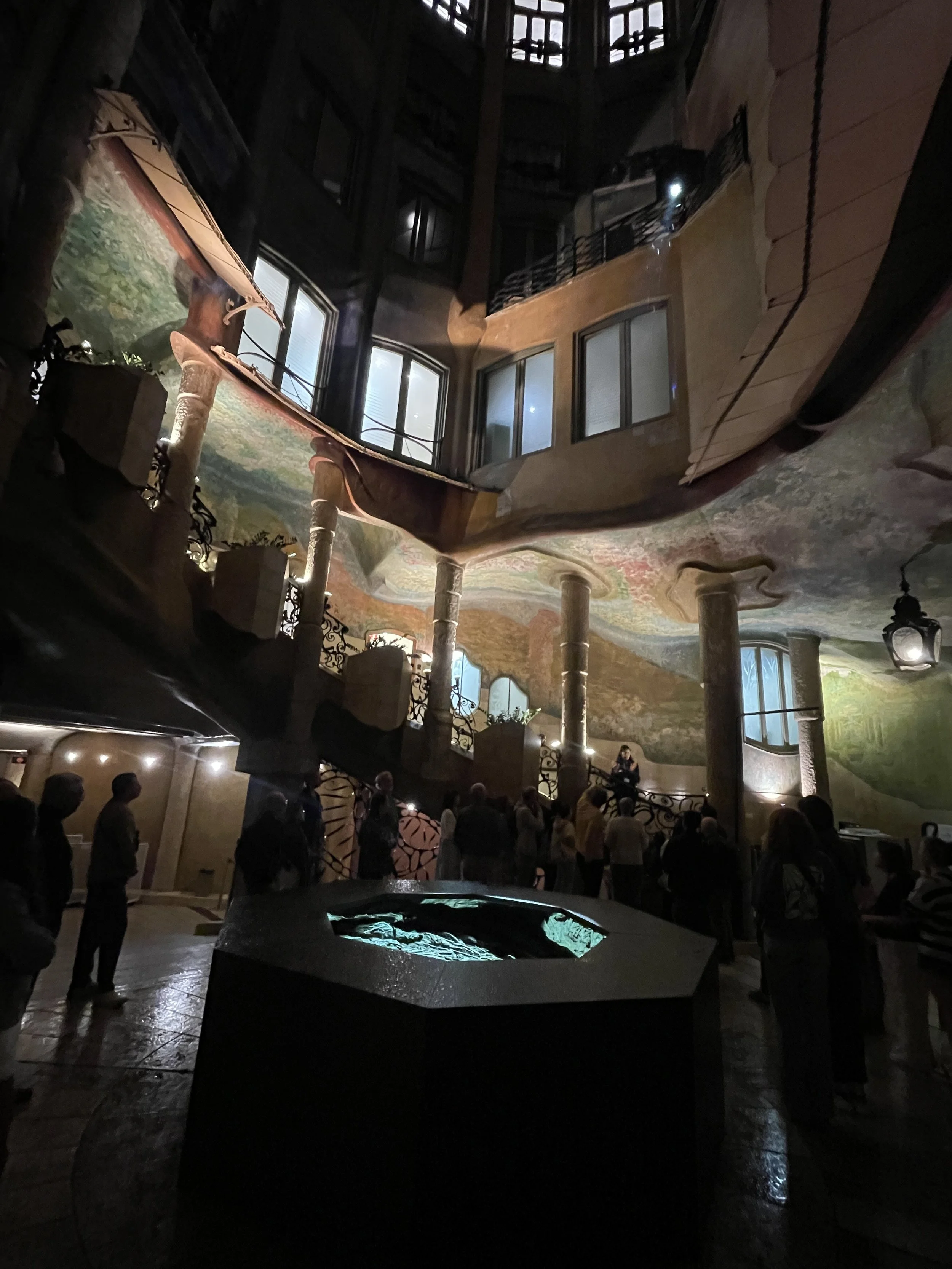
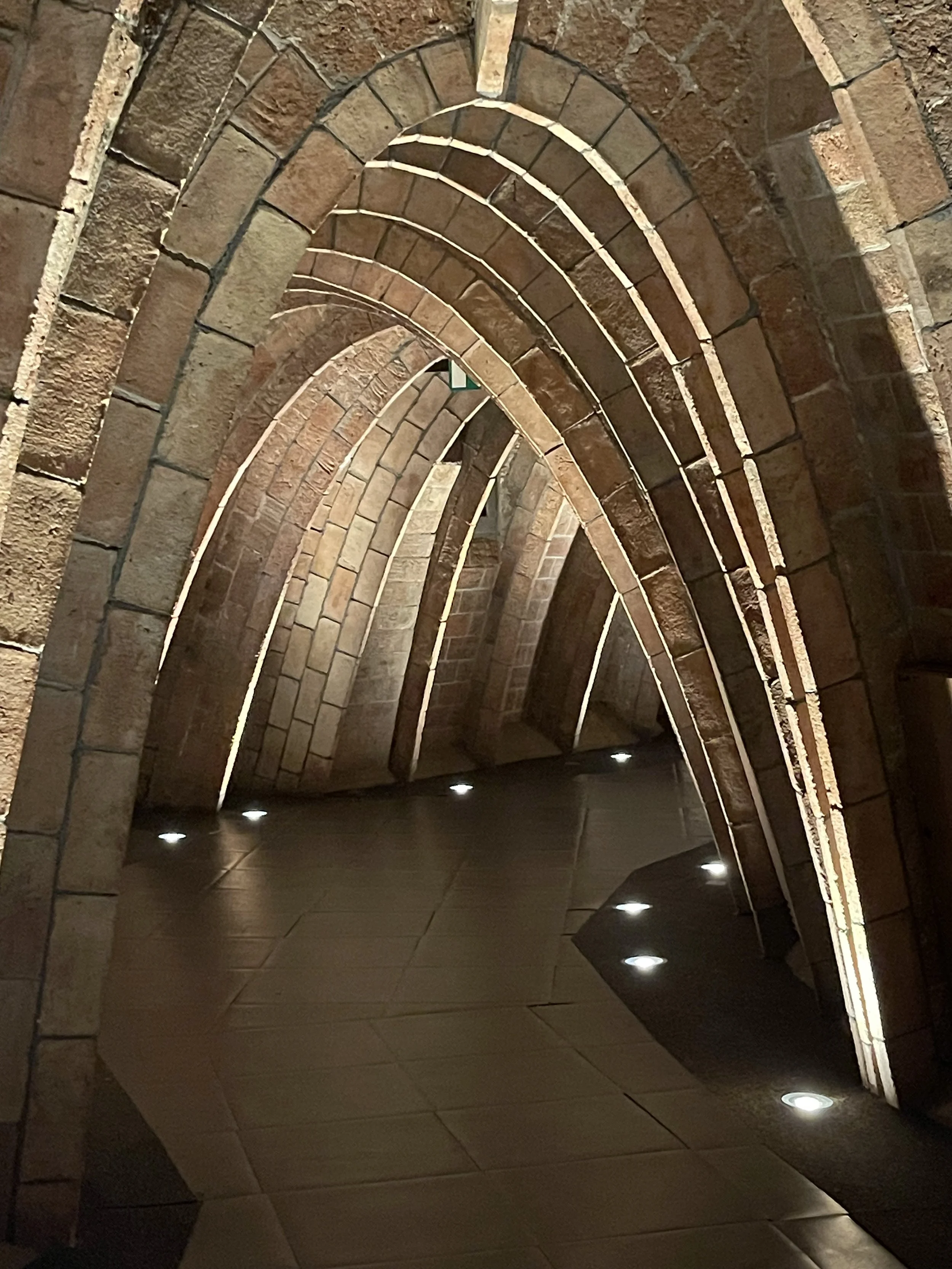
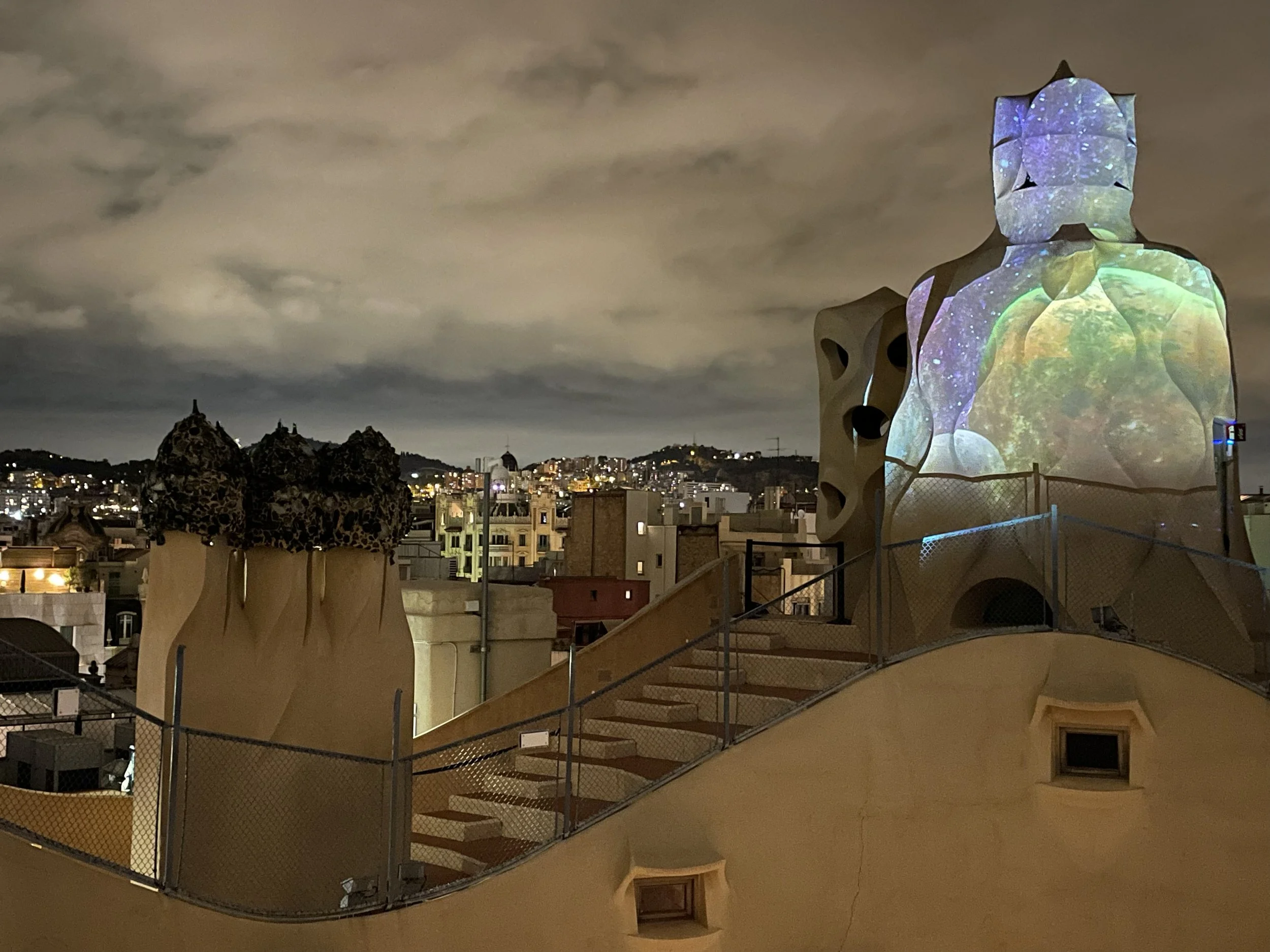
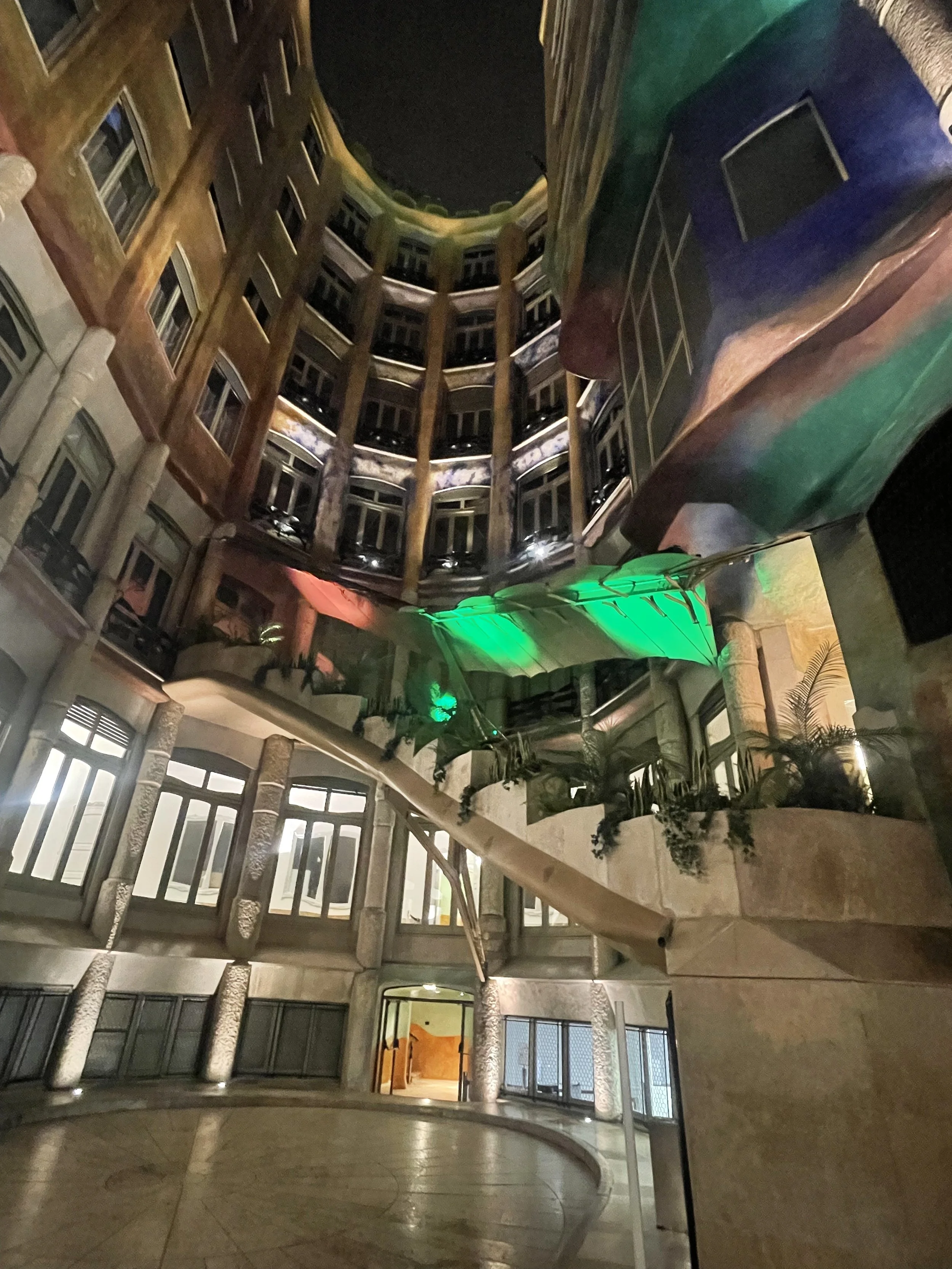
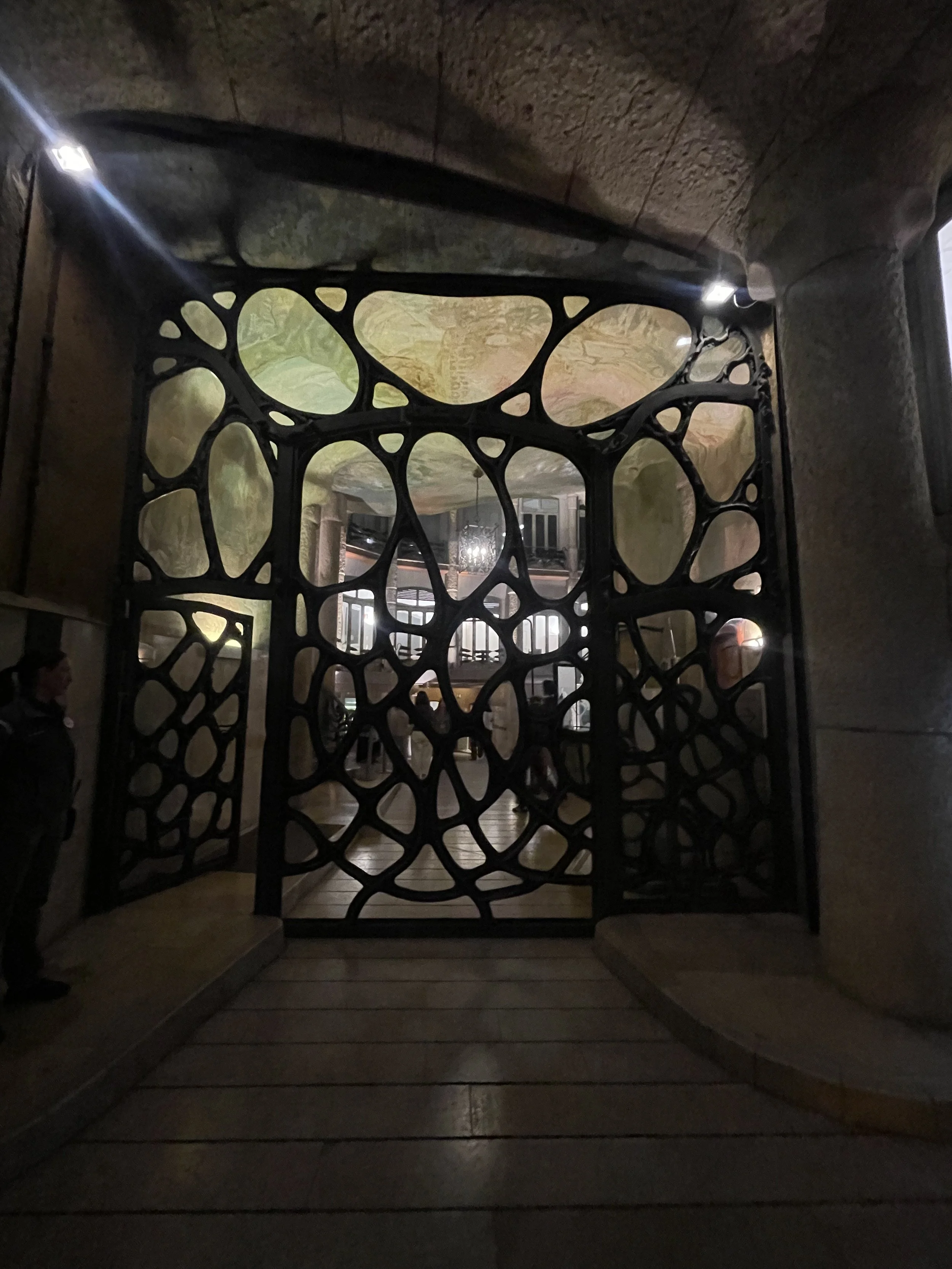
Casa Milà, popularly known as La Pedrera ("the stone quarry") in reference to its unconventional rough-hewn appearance, is a Modernista building in Barcelona. It was the last private residence designed by architects Antoni Gaudí and Josep Maria Jujol. It was built between 1906 and 1912. Several structural innovations include a self-supporting stone façade, and a free-plan floor, underground garage and the spectacular terrace on the roof. The building was declared a World Heritage Site by UNESCO in 1984.

DAY 15
Friday September 26, 2025
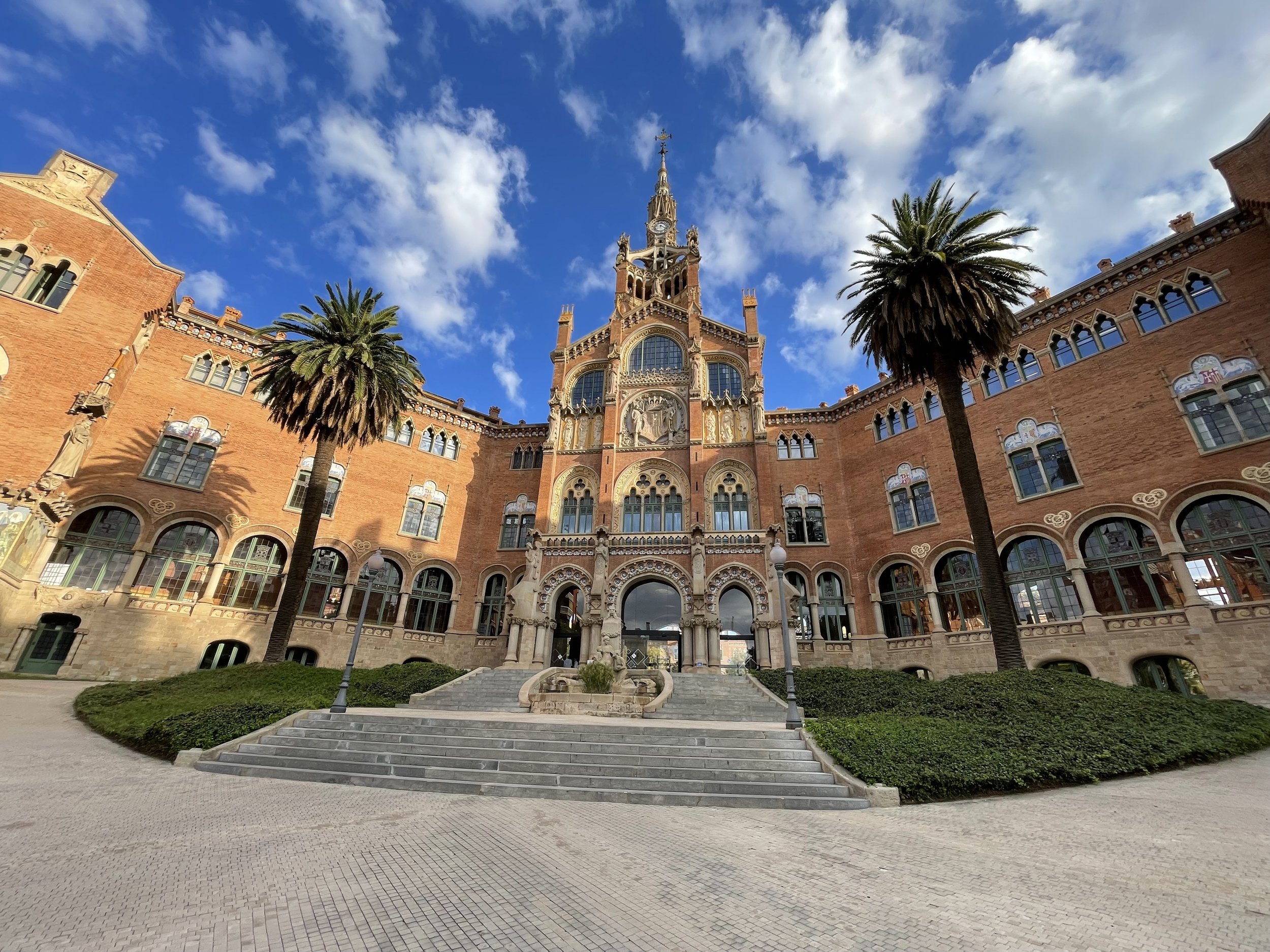
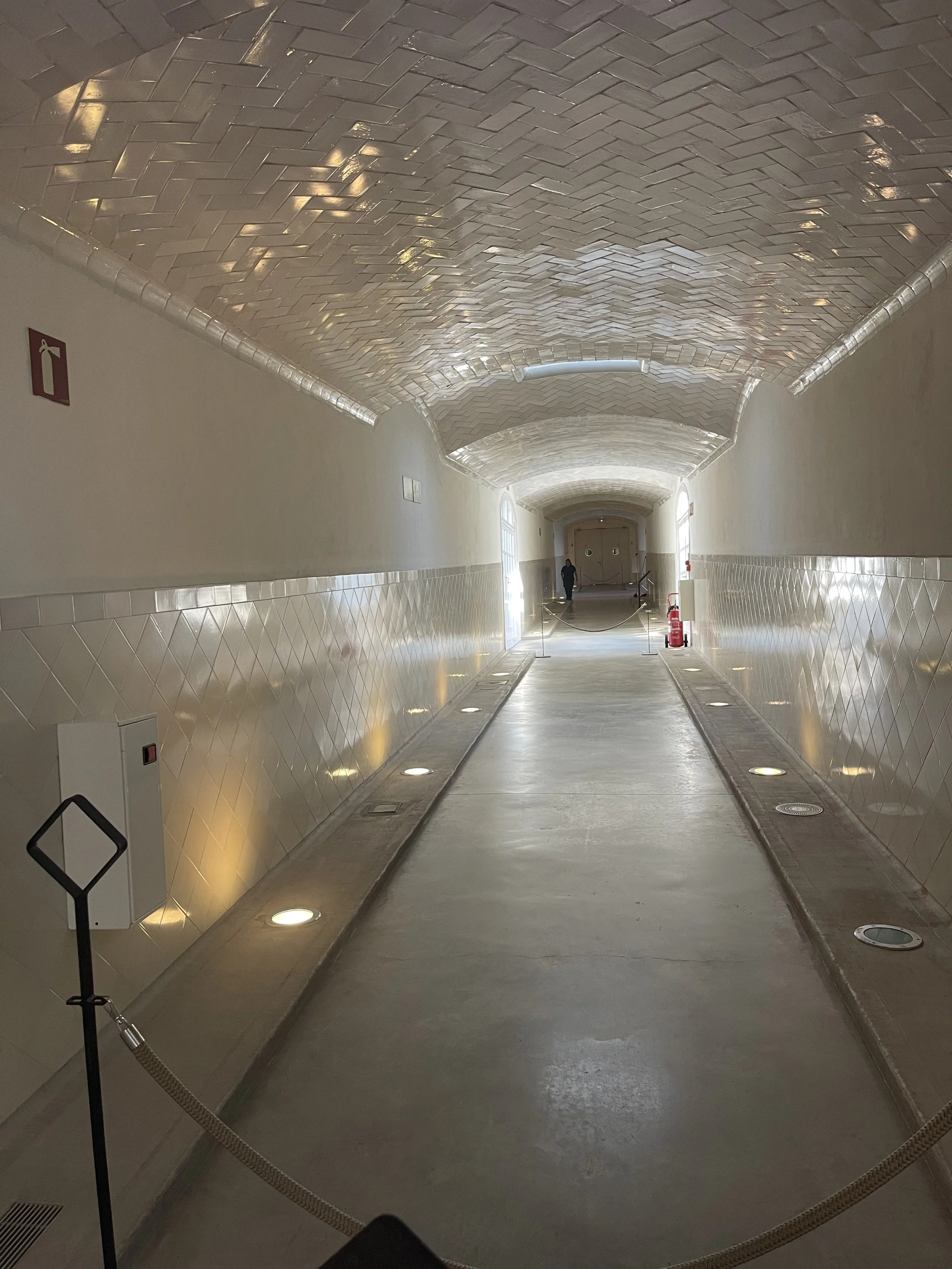
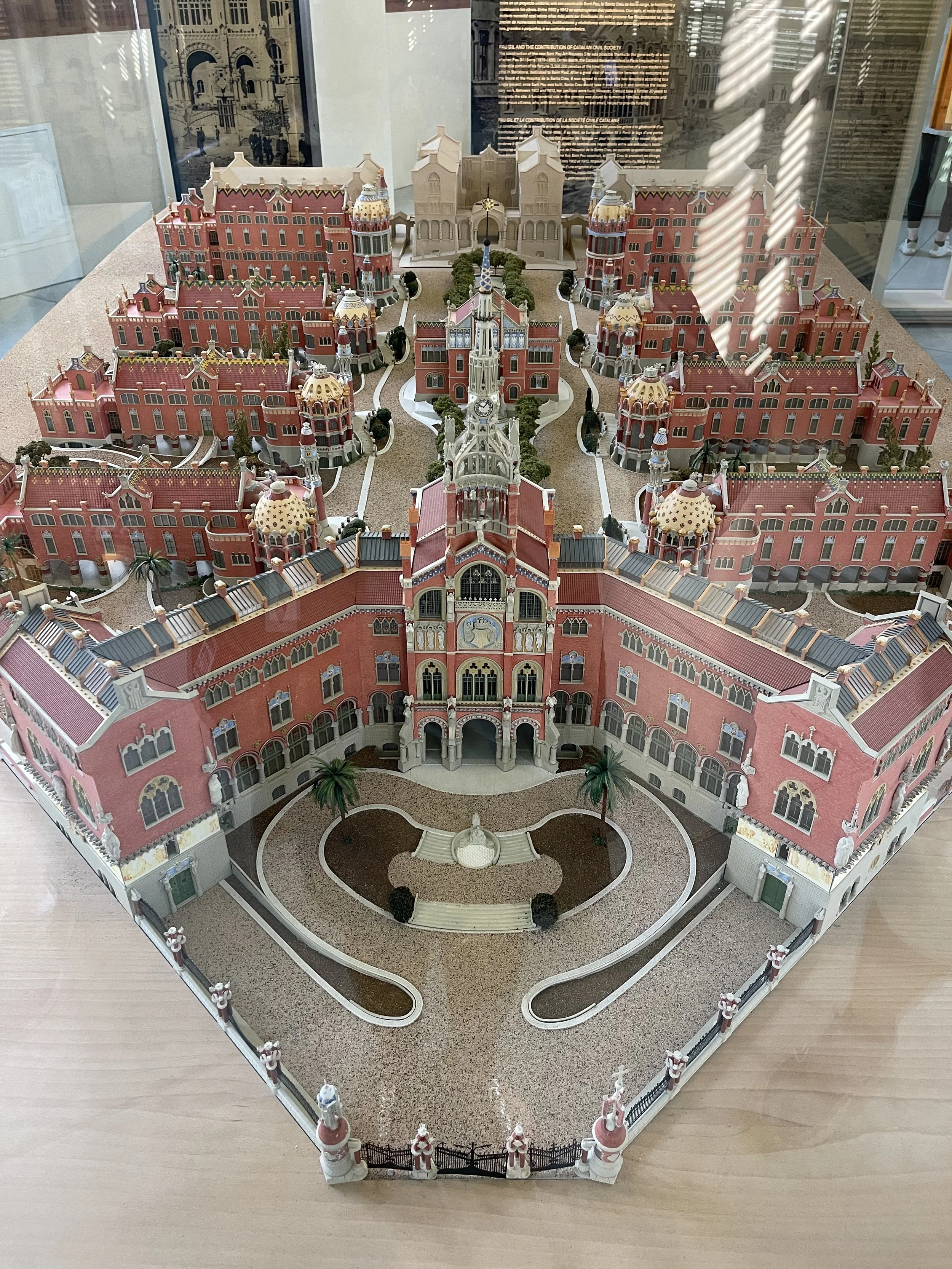
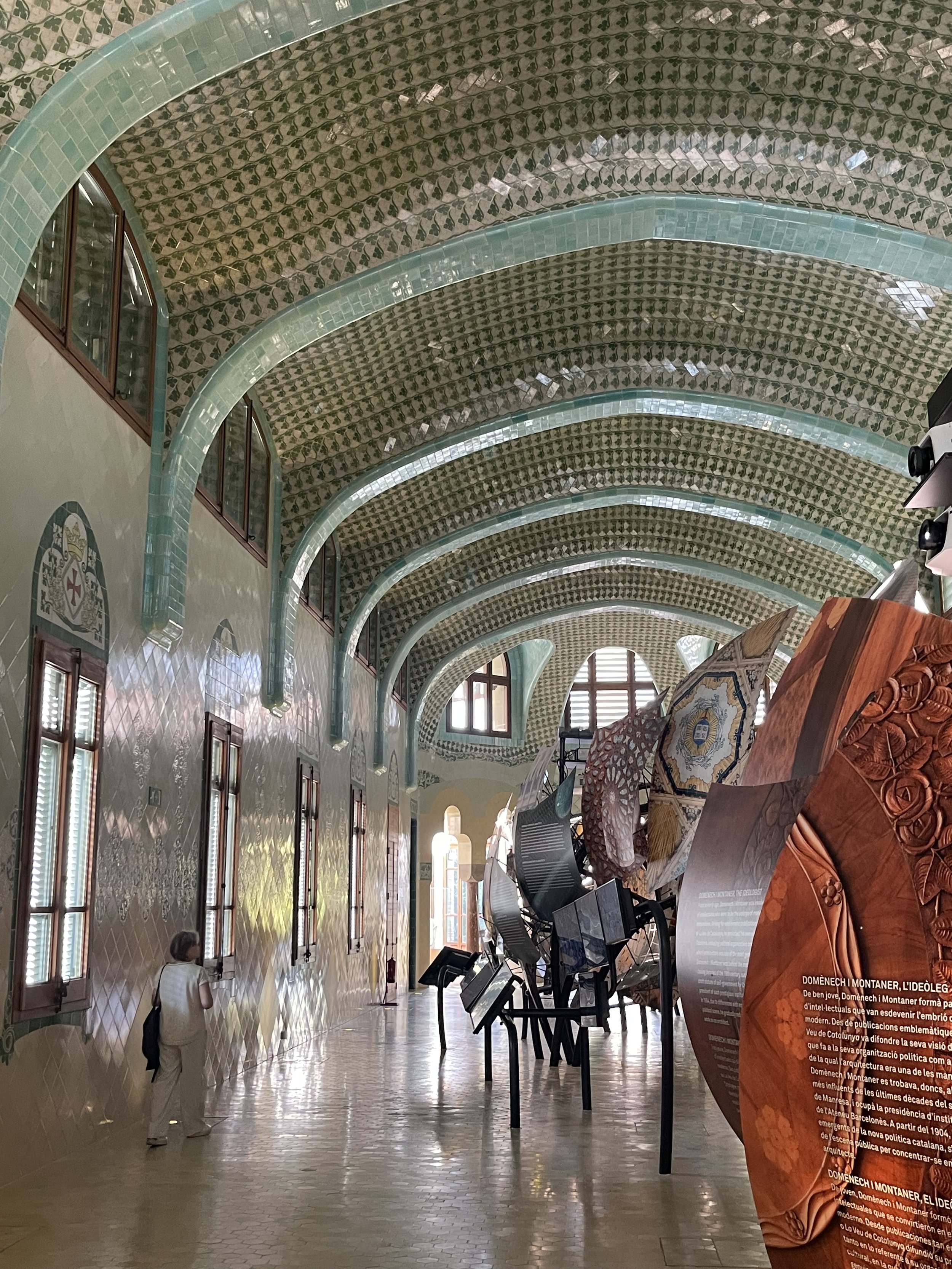
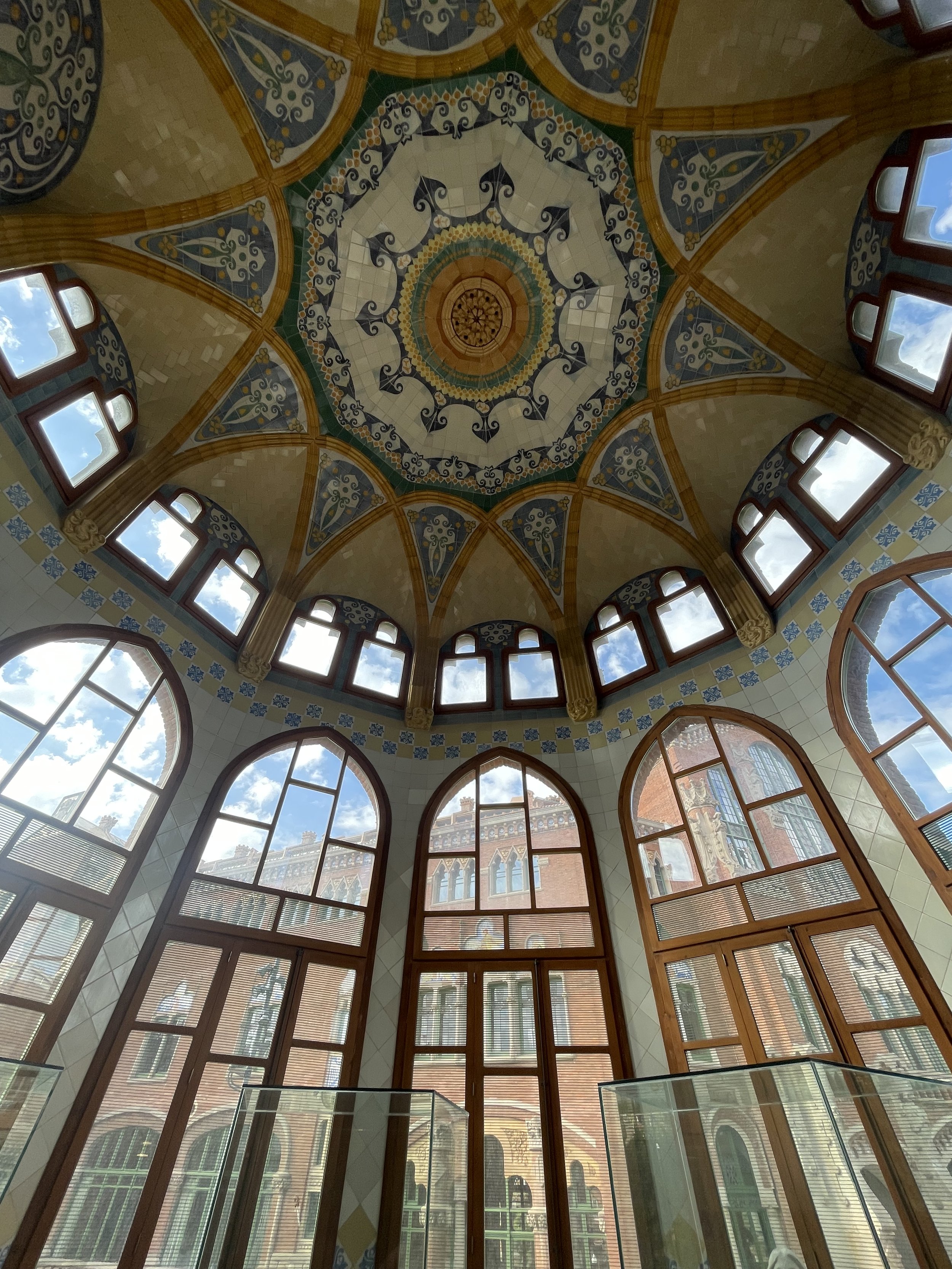
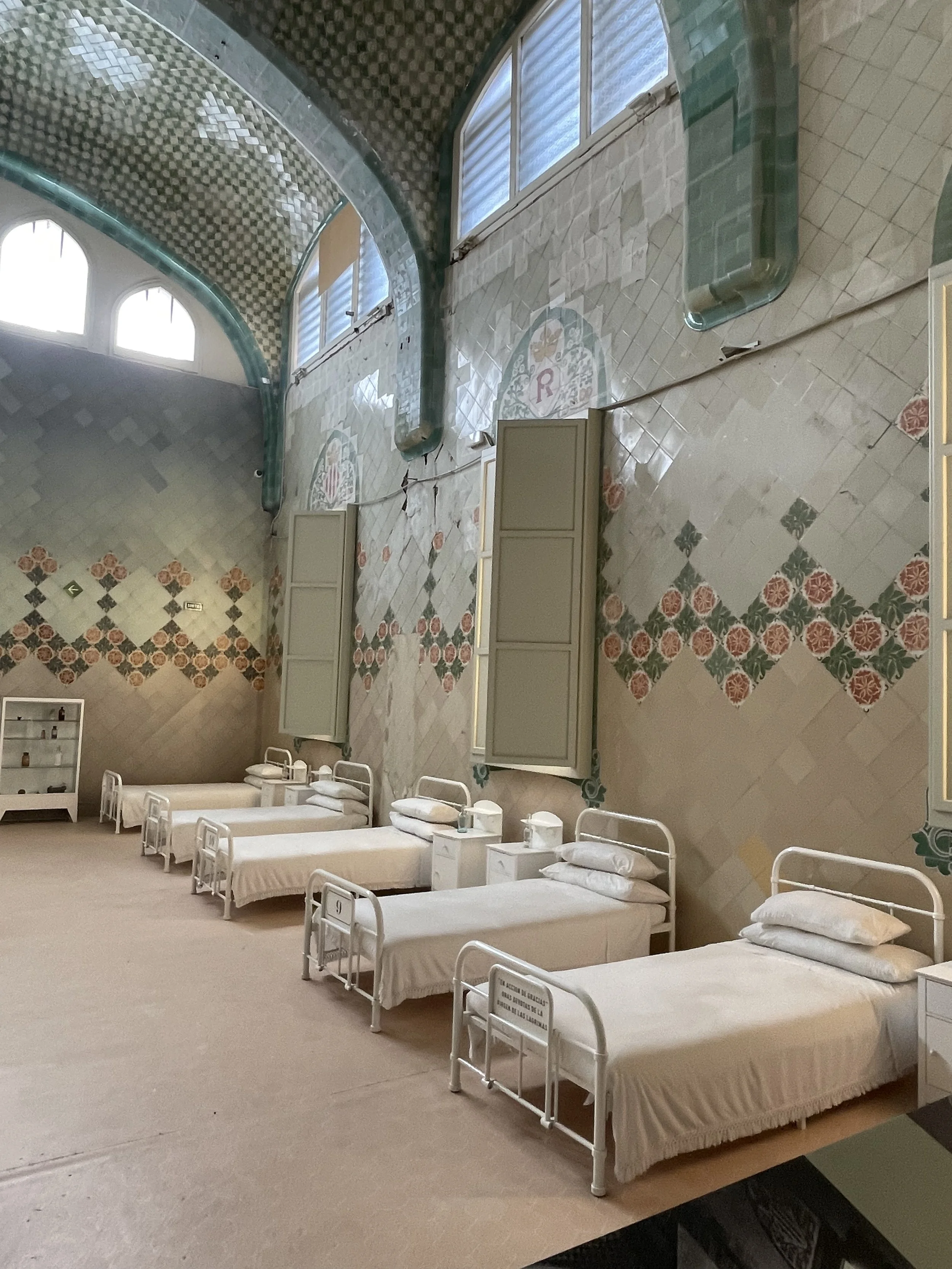
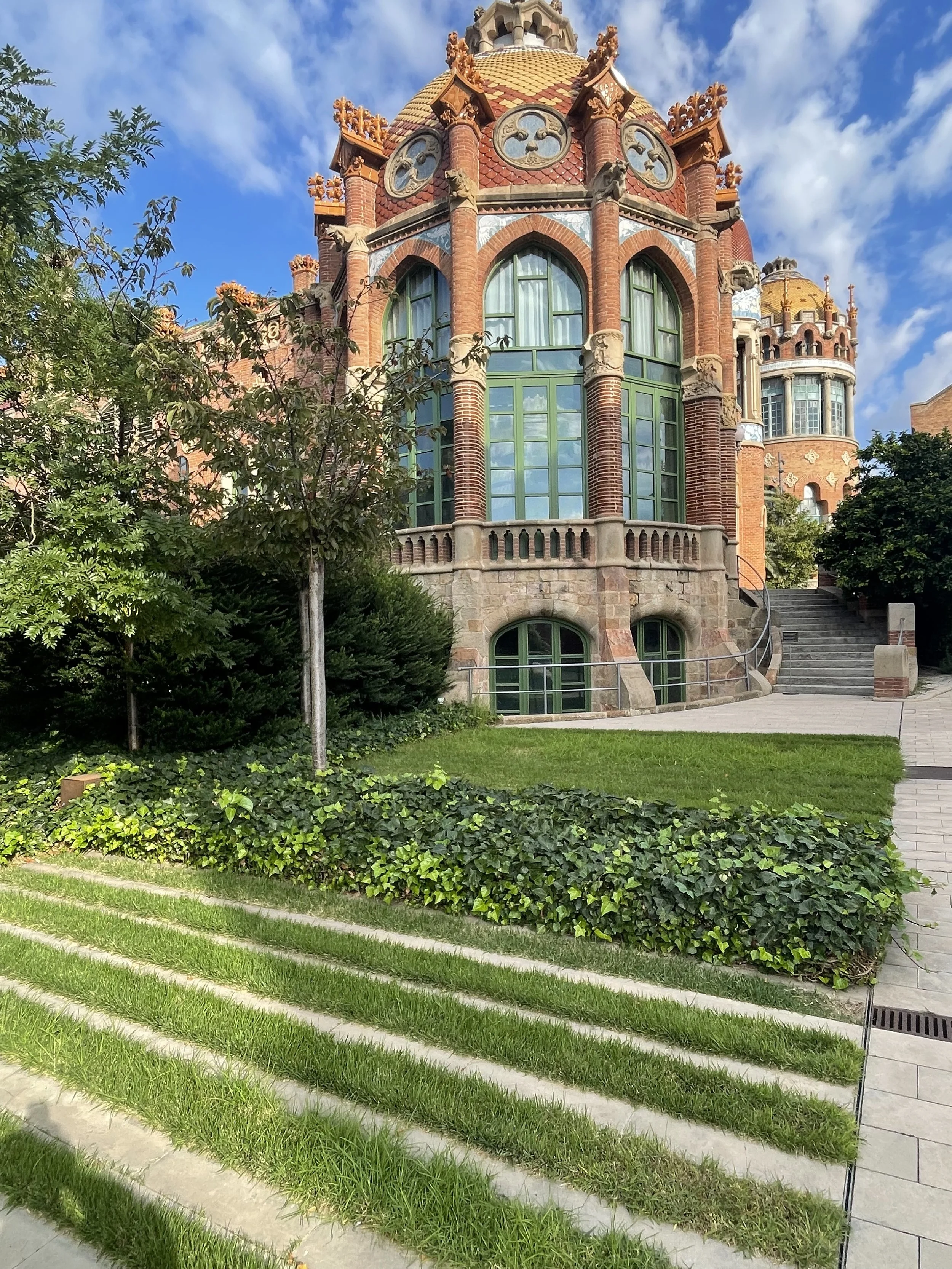
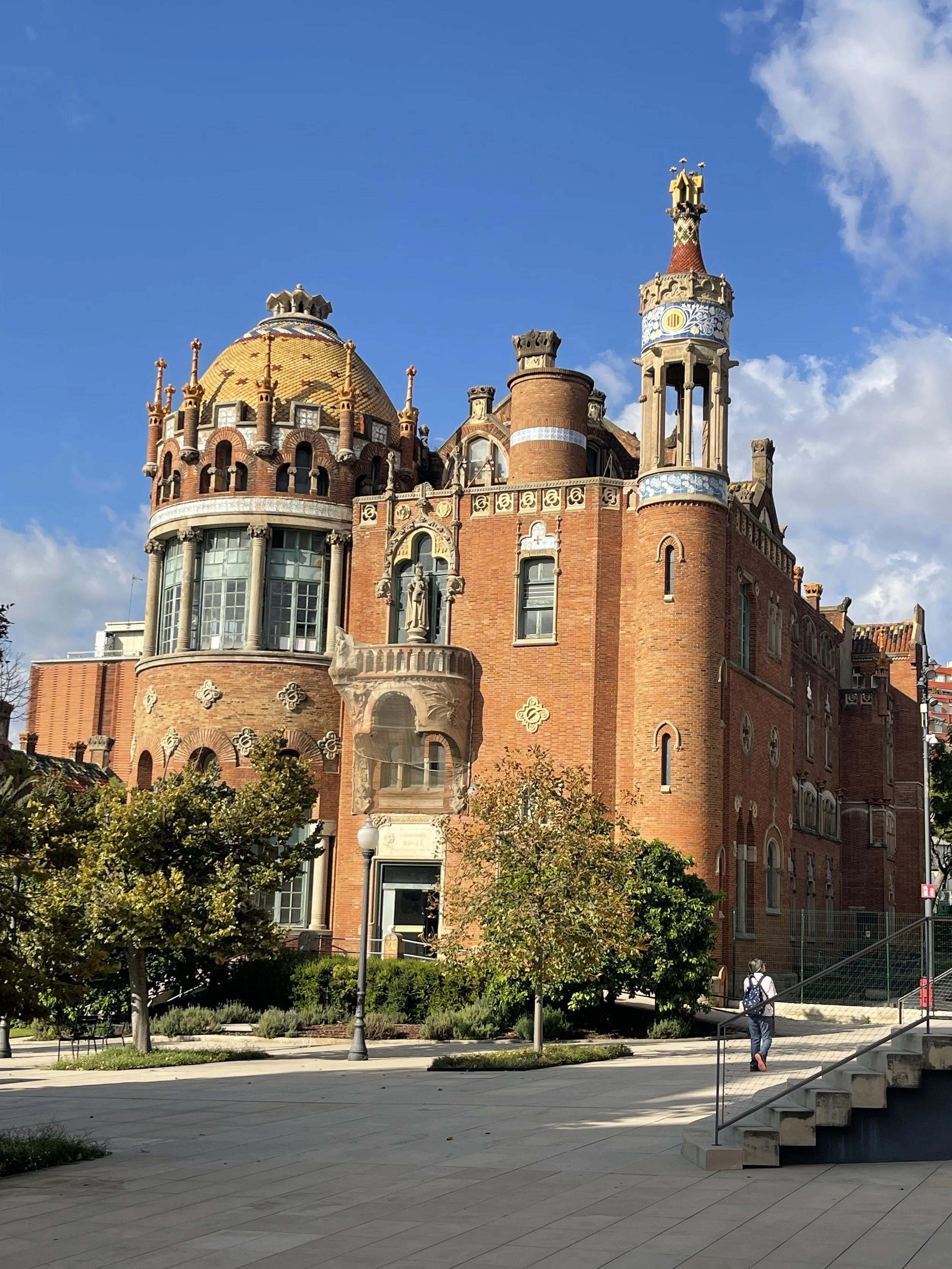
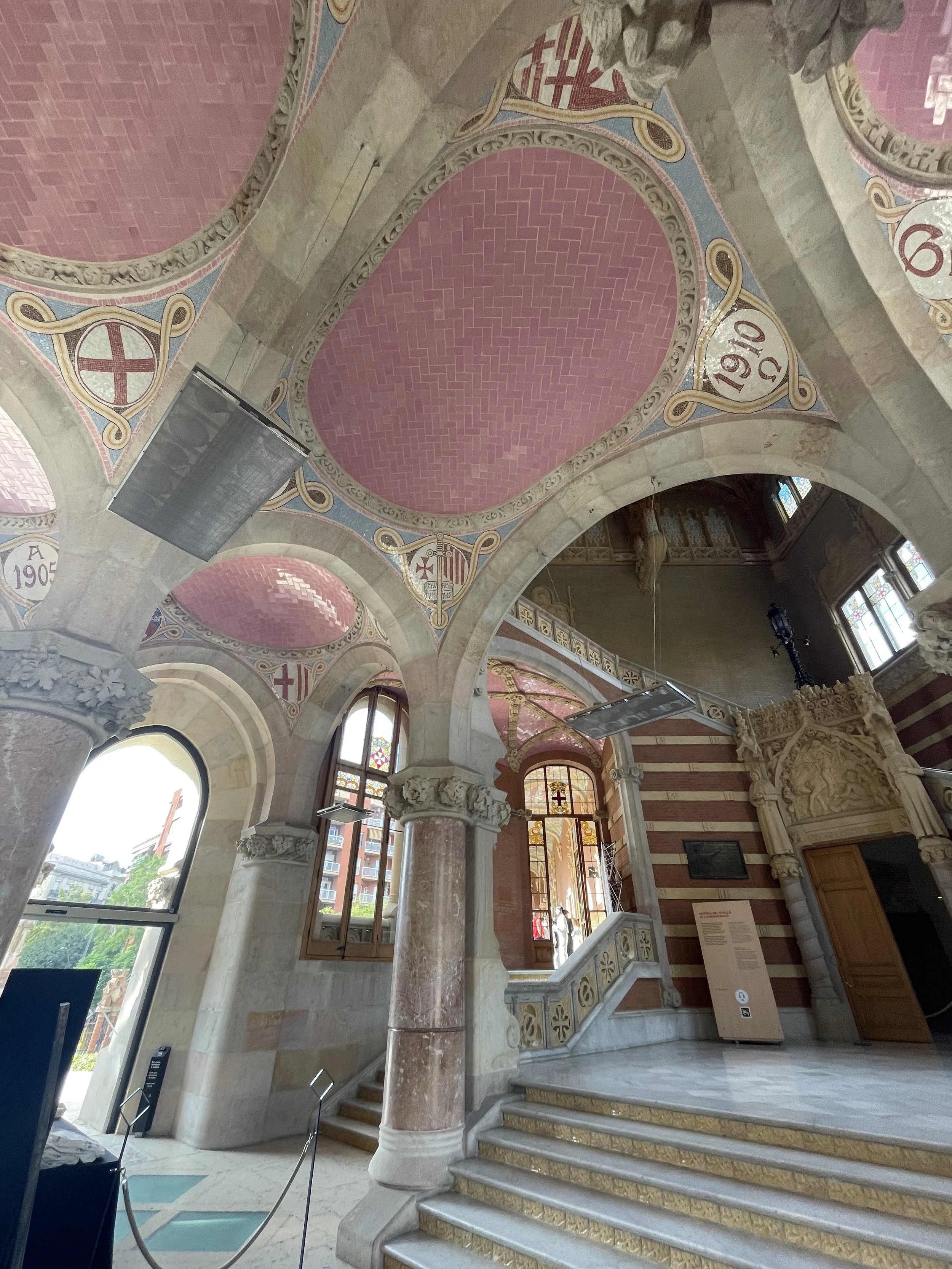
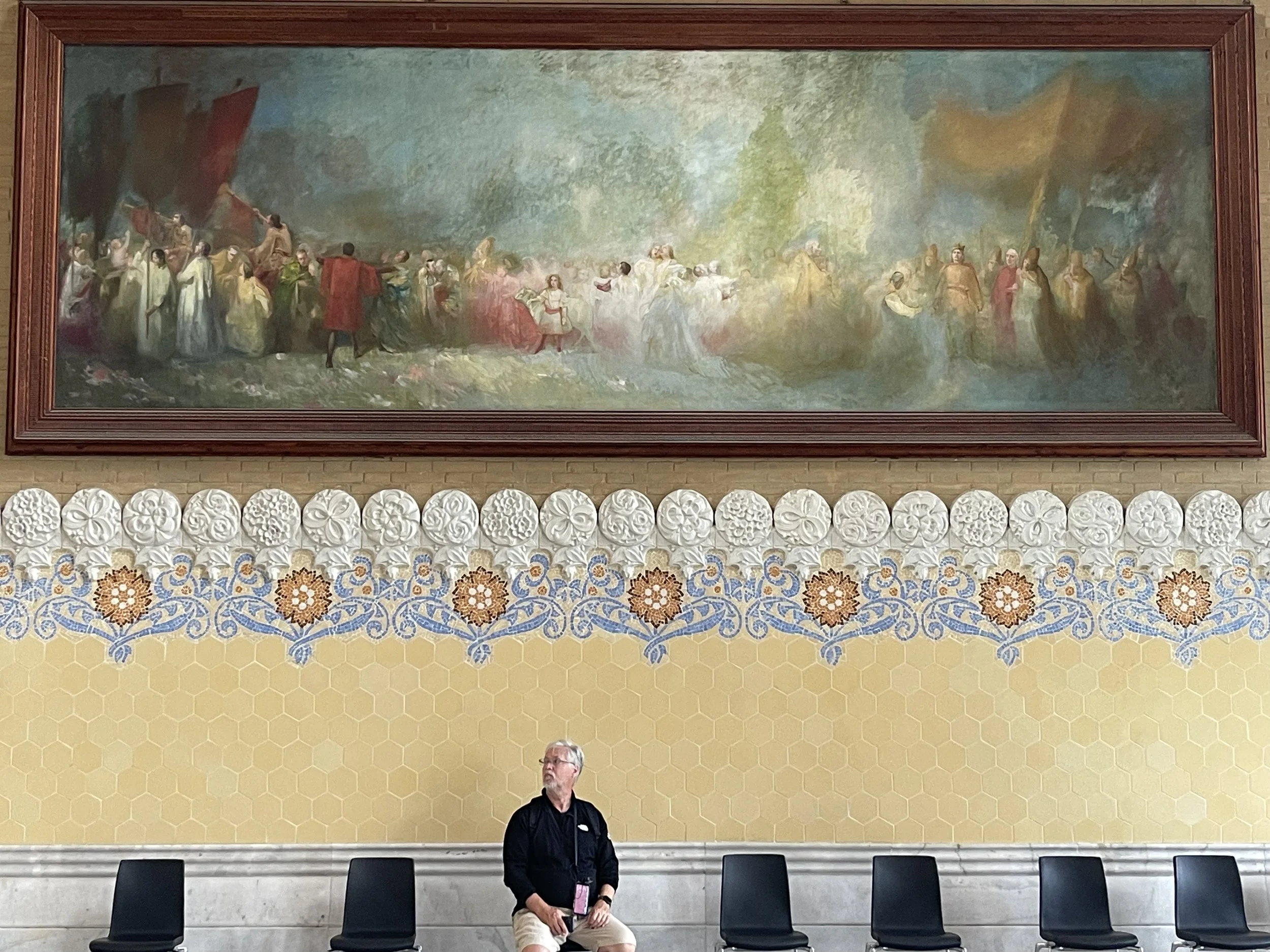
The Hospital de Sant Pau is equally bold in its design and decoration, while at the same time perfectly adapted to the needs of the sick. The complex of buildings that make up the Hospital de Sant Pau succeeded the Hospital de la Santa Creu, built in the early 15th century. The Hospital de Sant Pau is of great importance as the largest hospital complex in the Modernista style. Here, architect Domènech i Montaner found original, daring solutions to the problems posed by the needs of the contemporary hospital (ventilation, hygiene, specialities, interdisciplinary medicine, etc.). The Hospital de Sant Pau is of exceptional interest because of its beauty, scale and unique architectural design. The campus holds outstanding examples of the Catalan Modernista style, a movement that played an important role in the evolution of 20th century architecture around the world.
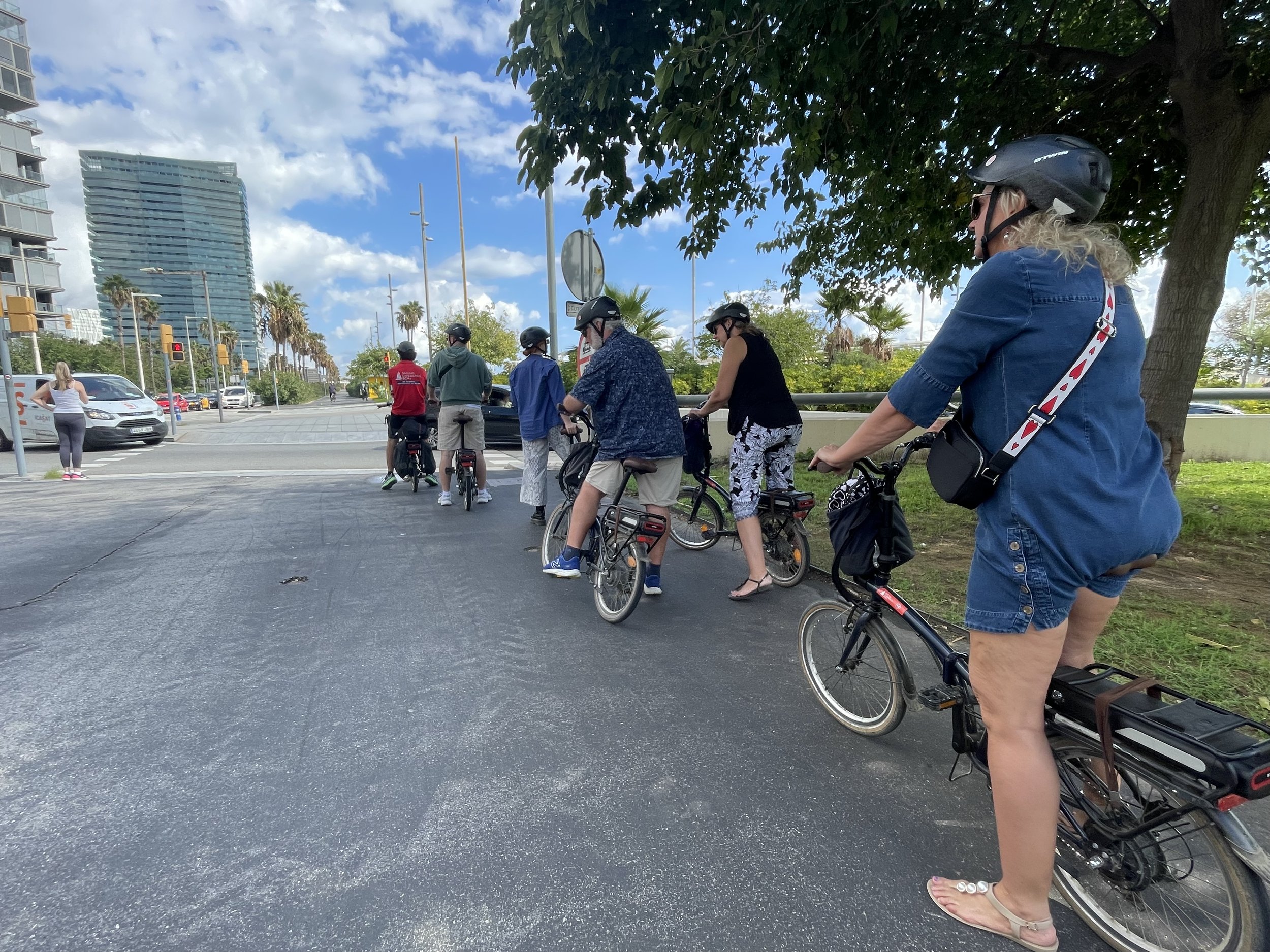
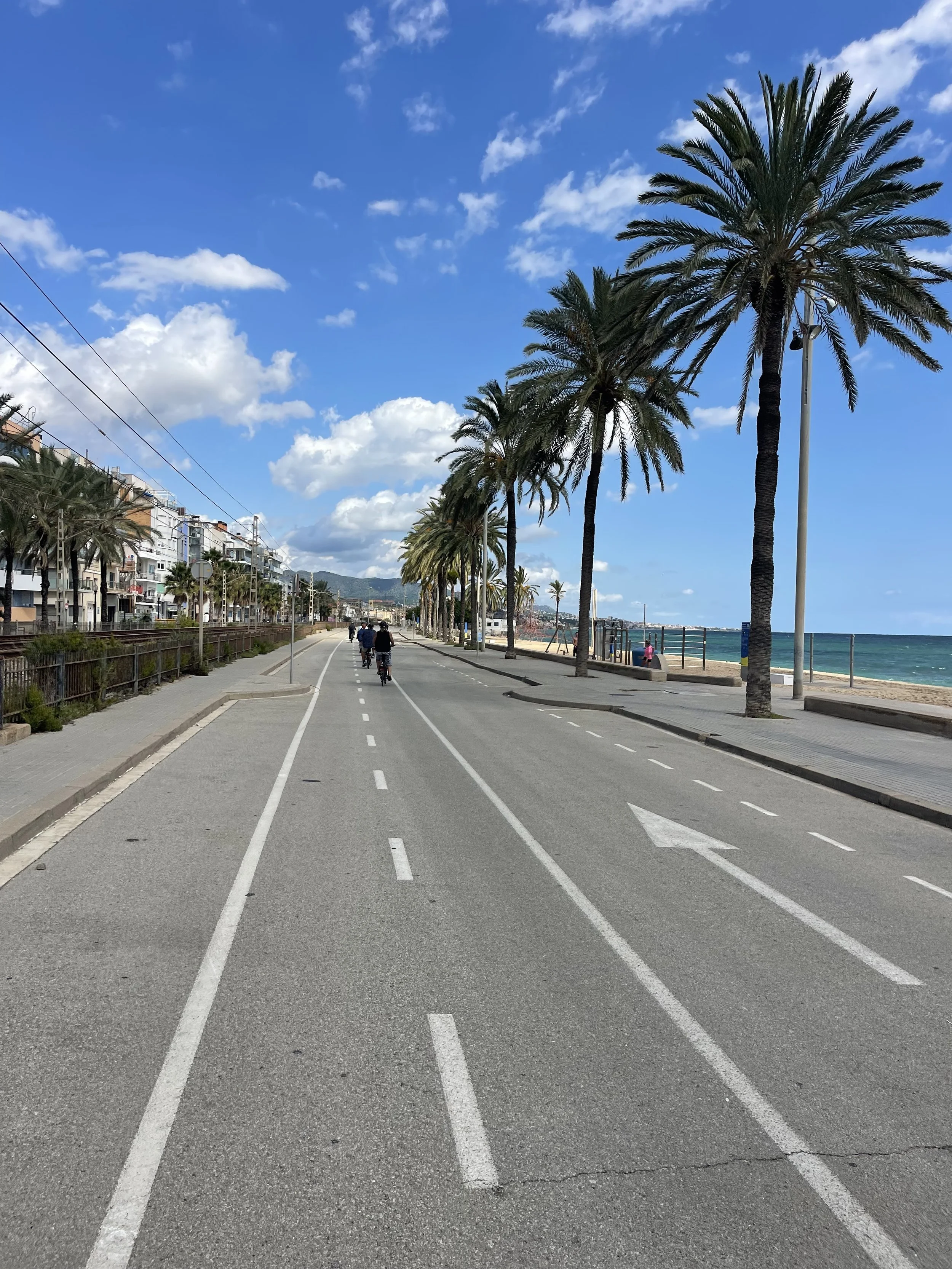
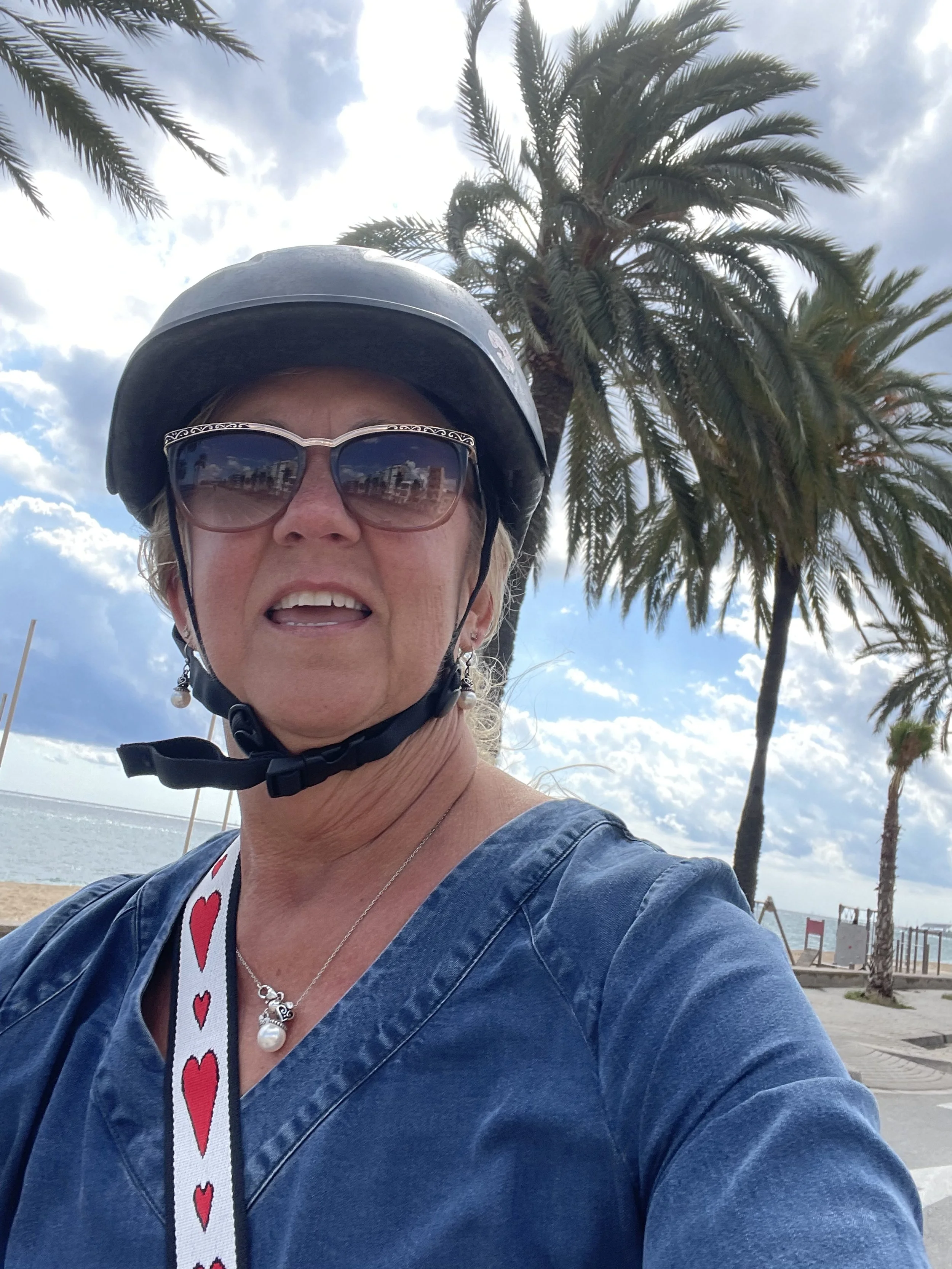
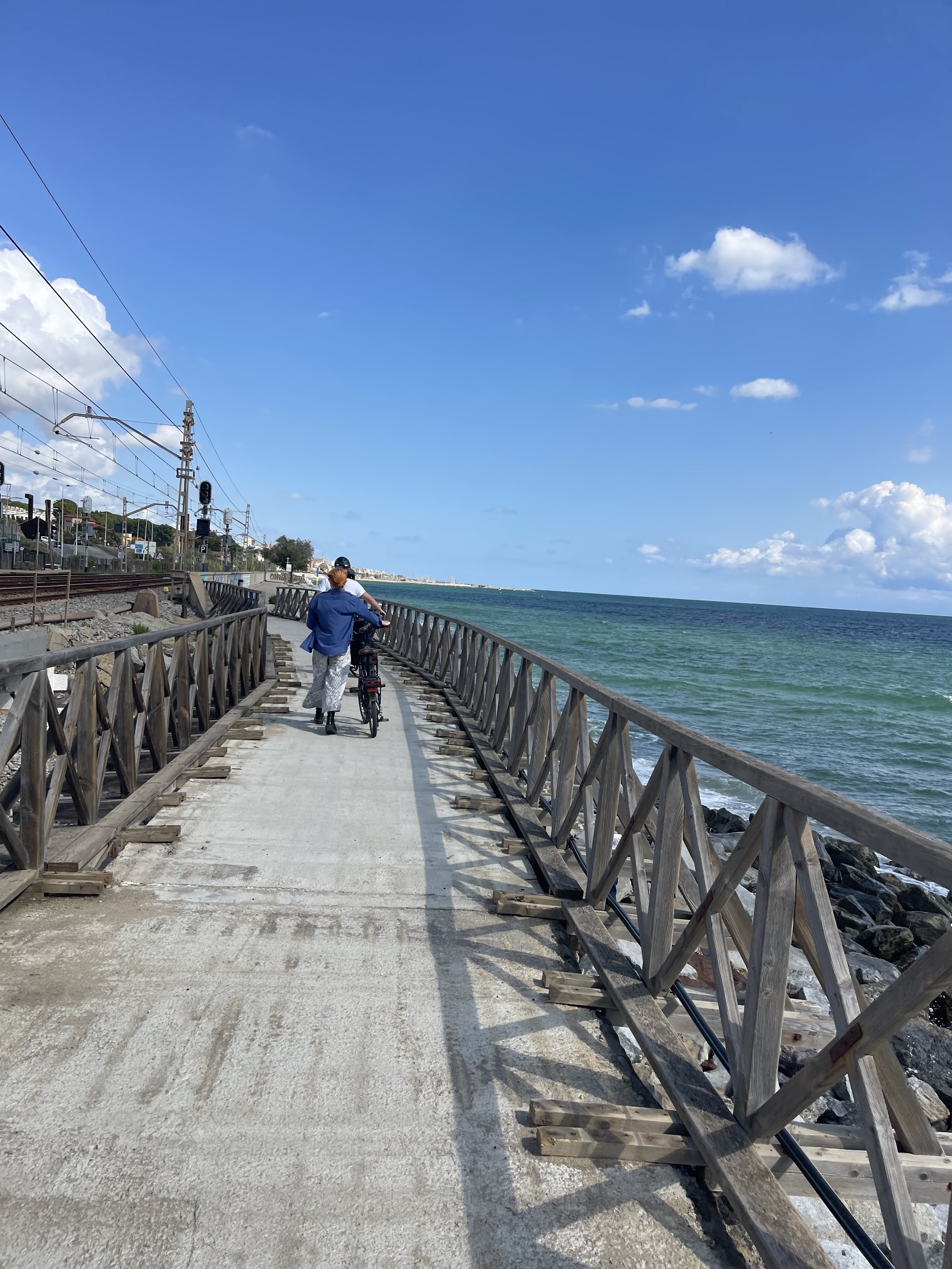
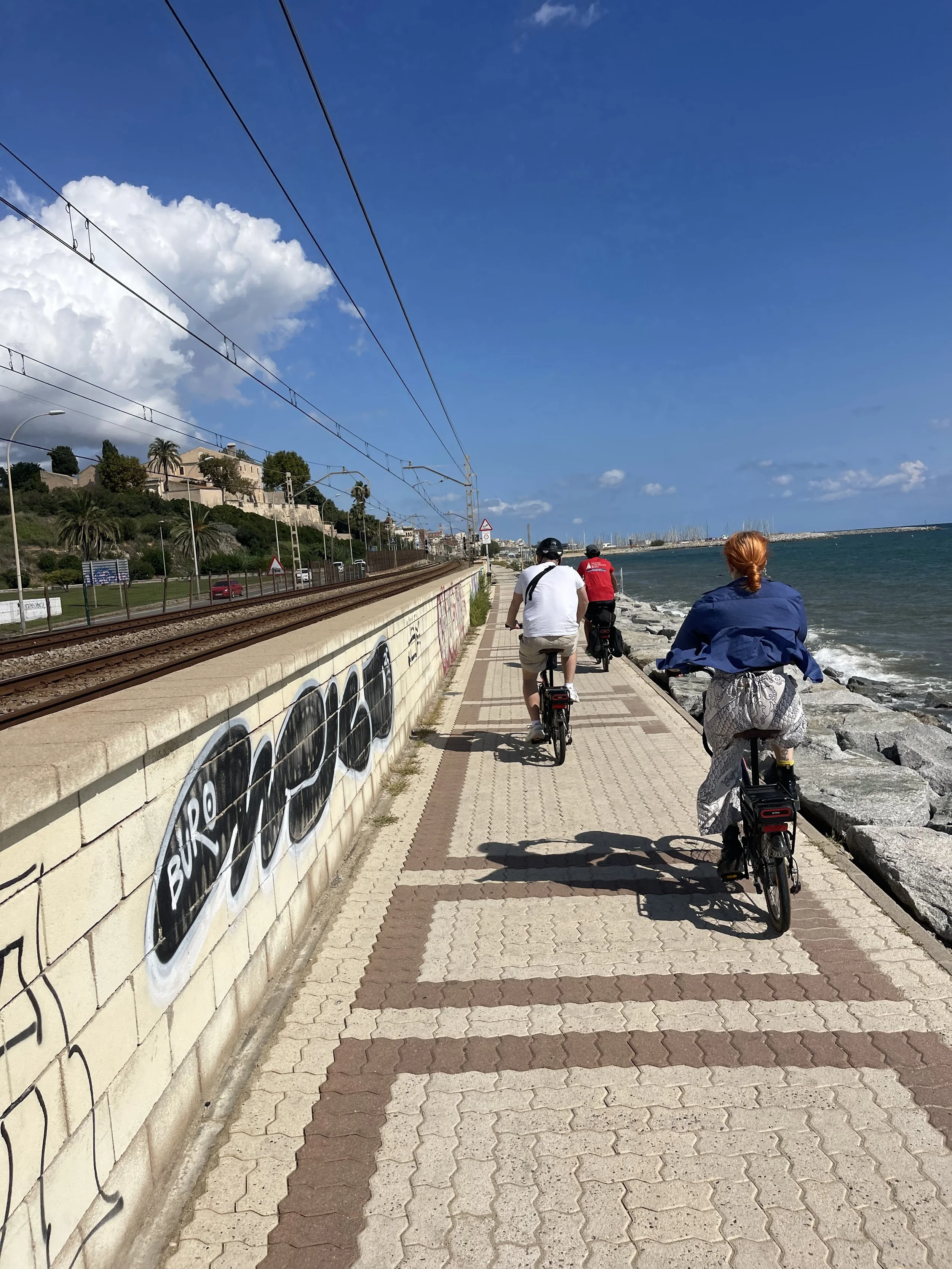
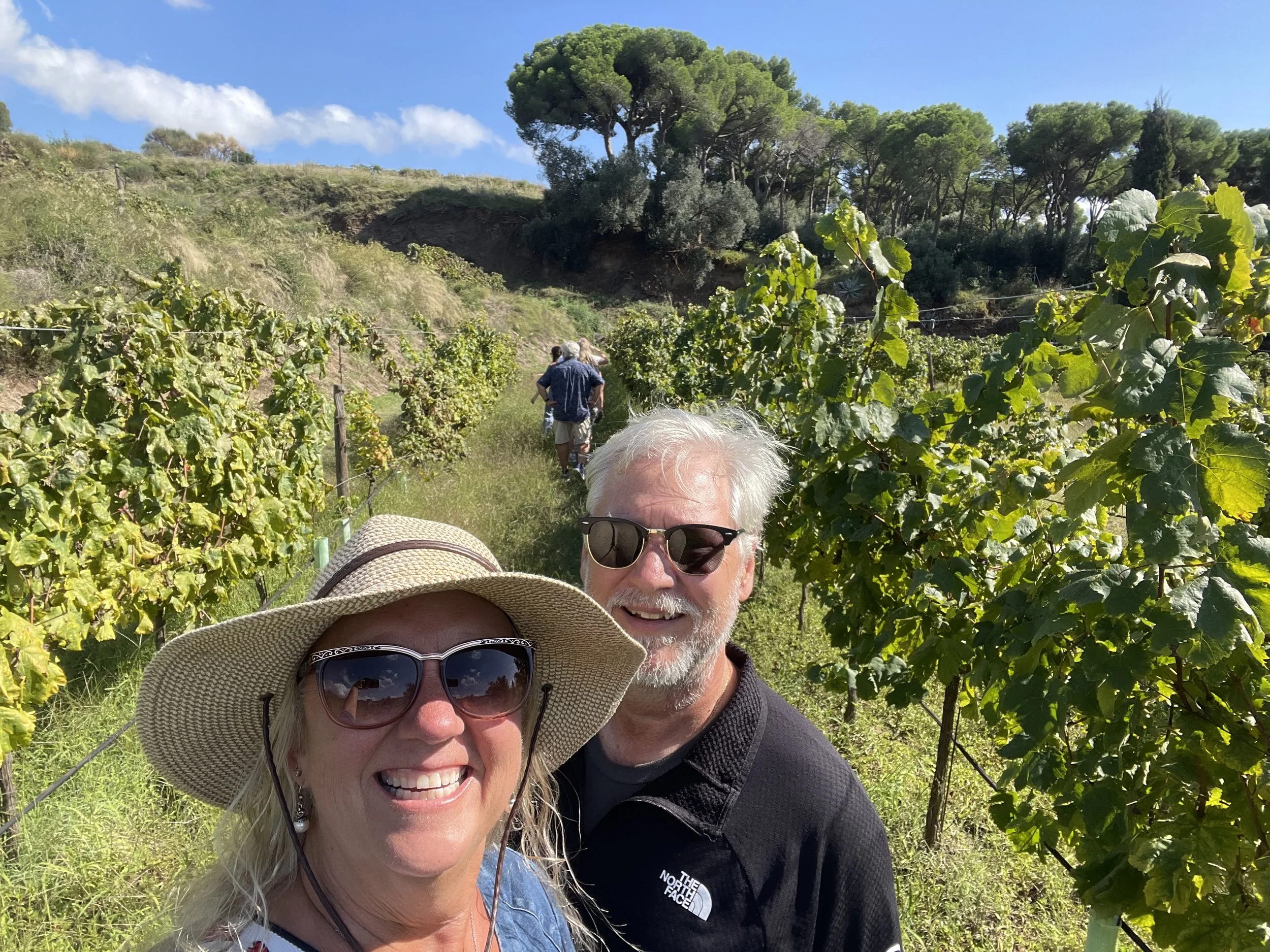
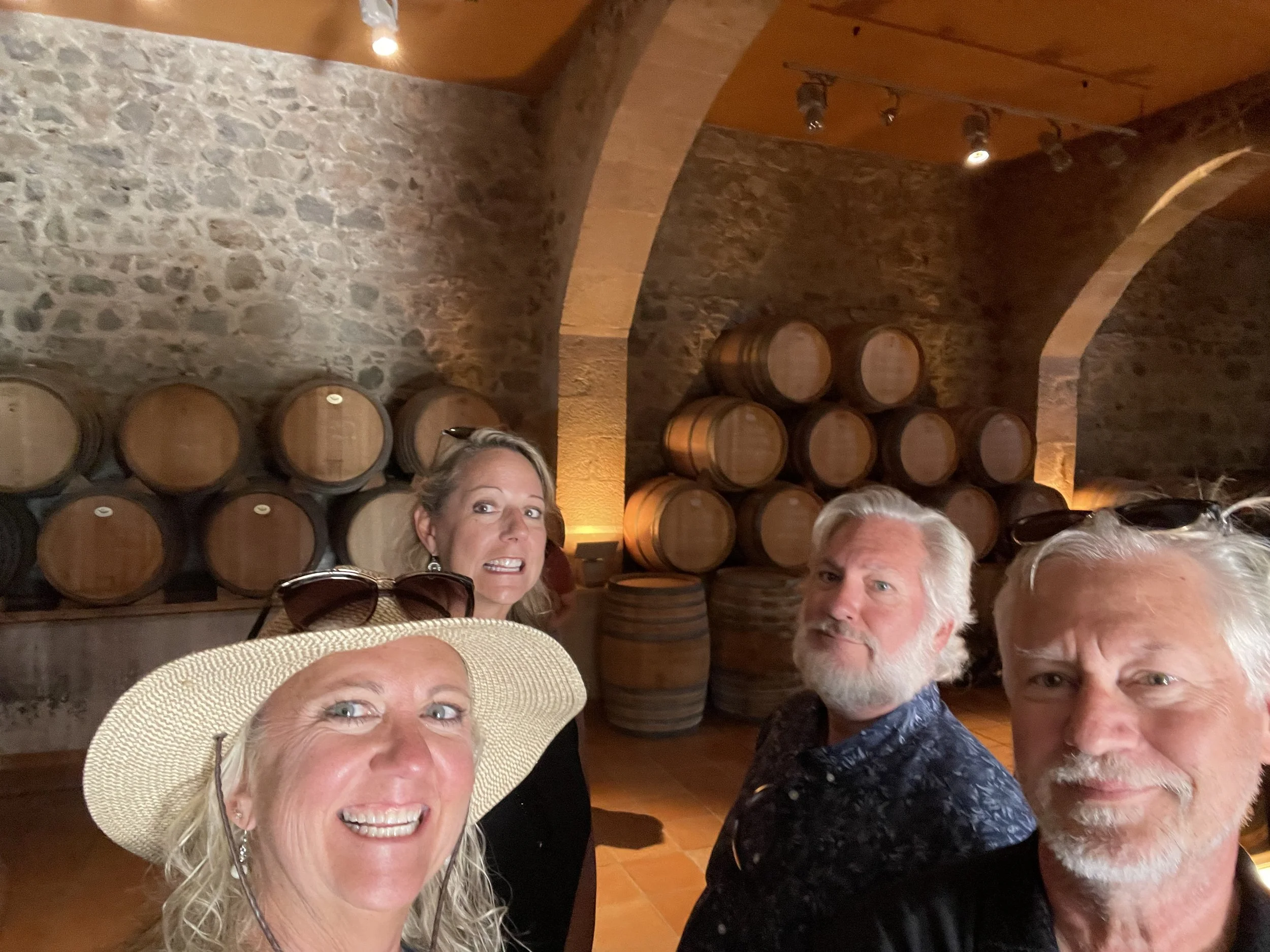
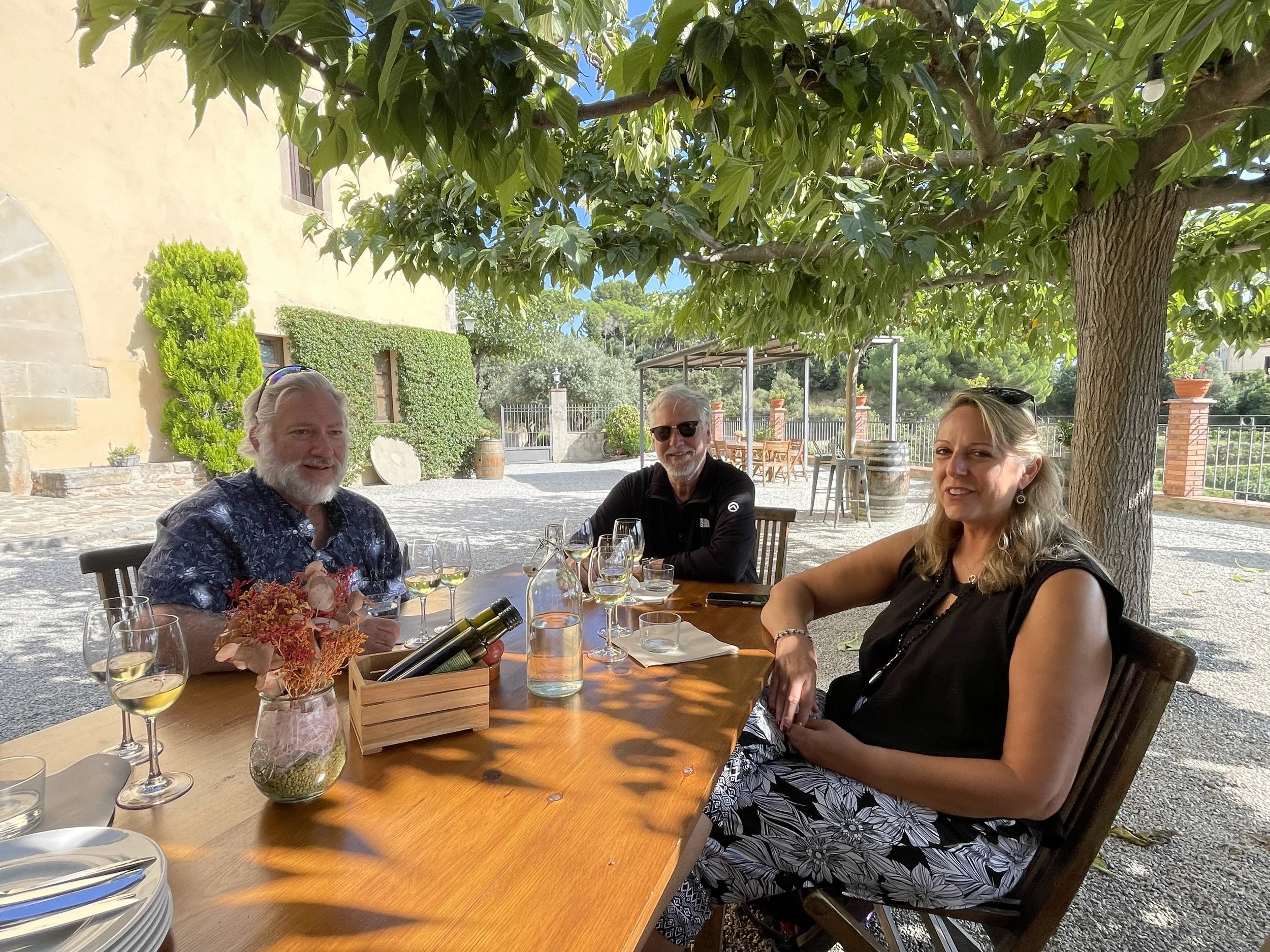
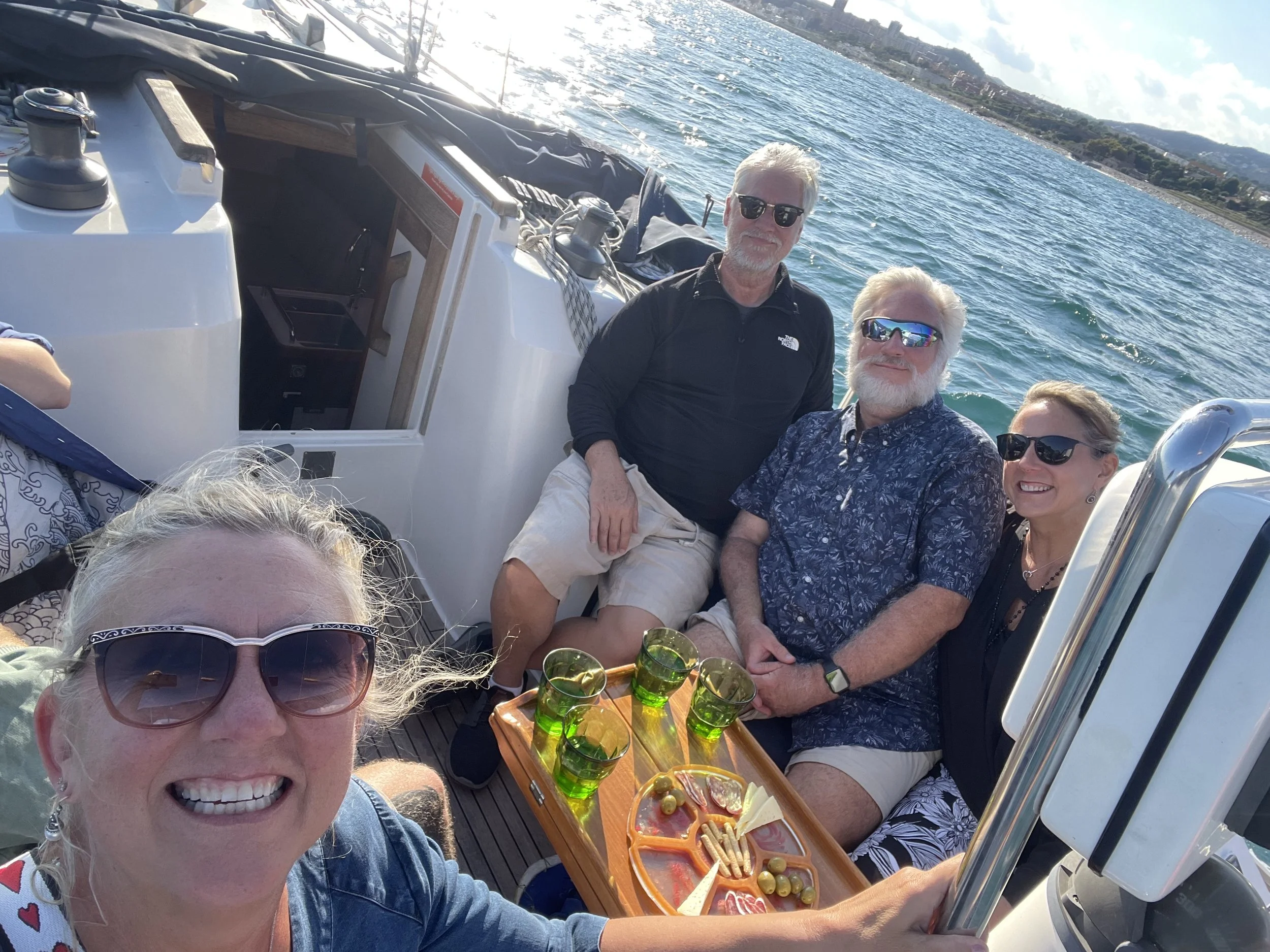
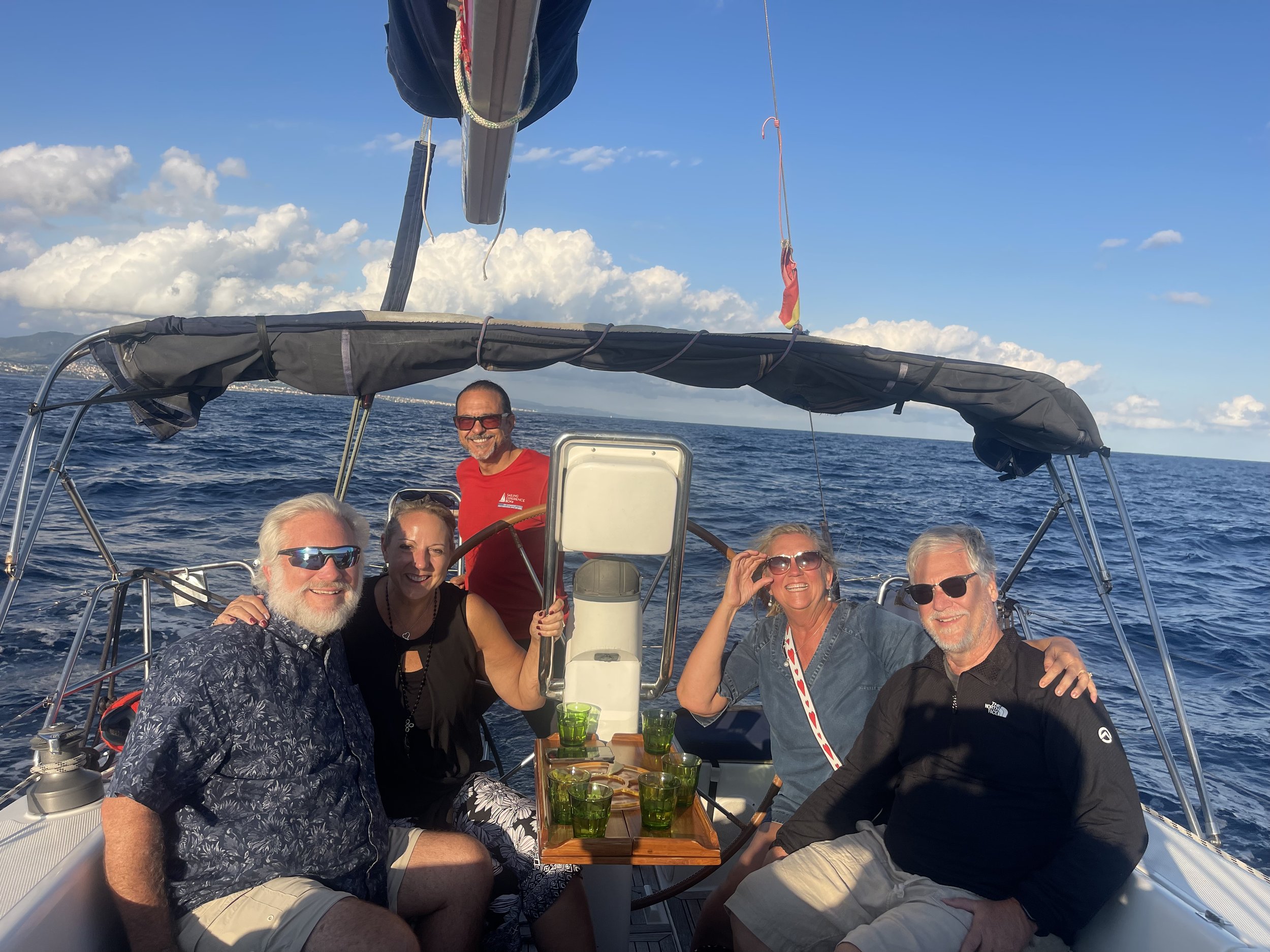
We joined a bicycle tour of Barcelona with a guide that included a winery visit, a sailboat ride, and great scenery from back pathways only a bike can go … Kim’s favorite day!
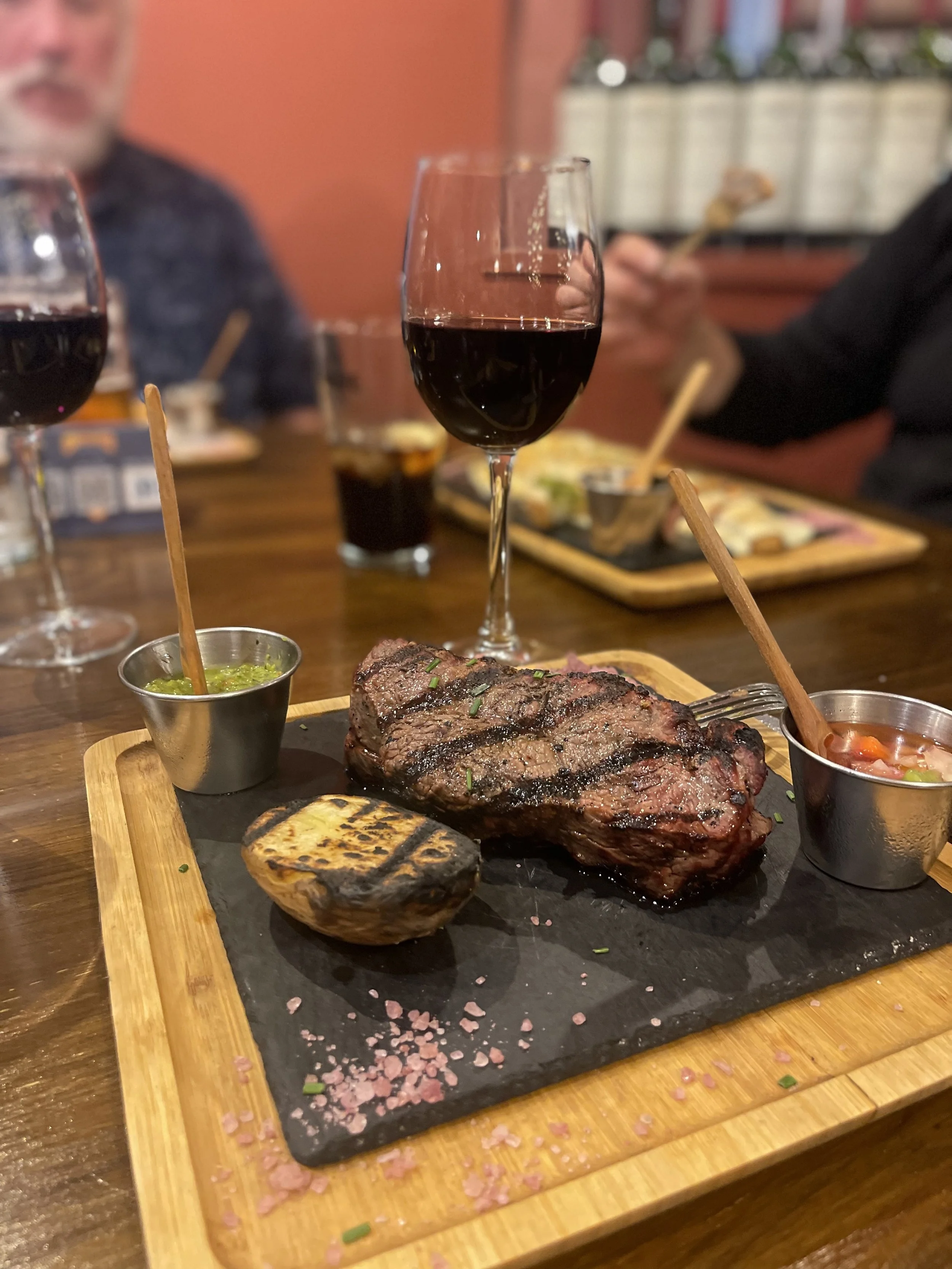
We found dinner at a great local favorite steak place - La Parrillada Grill Steak House - a premier dining destination in Barcelona, renowned for its exceptional culinary offerings and inviting atmosphere. With a focus on high-quality meats, the establishment excels in serving perfectly cooked steaks, including an exquisite filet that has garnered rave reviews from patrons. The restaurant's mixed grill platter showcases a variety of flavors, including succulent sausages and morcilla, making it a hit among meat lovers.
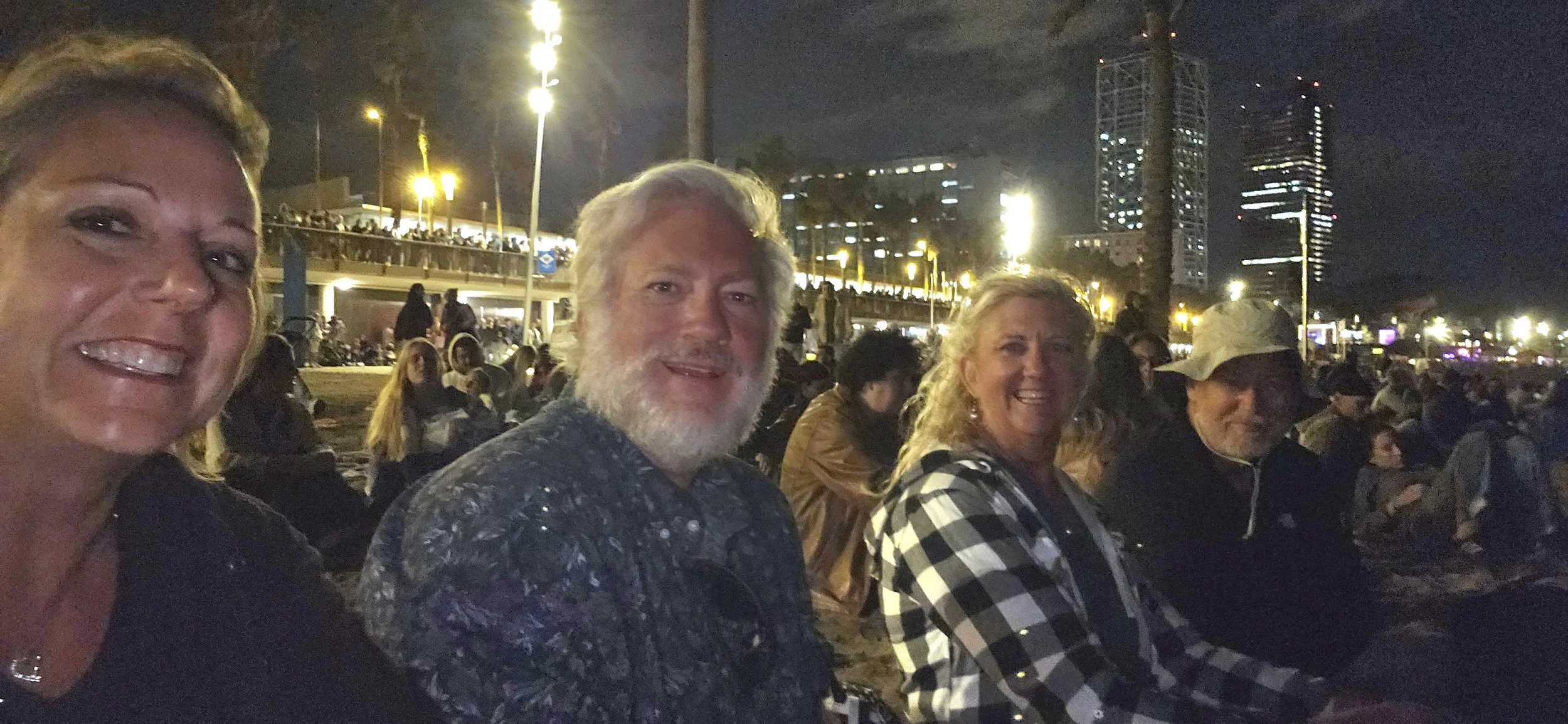
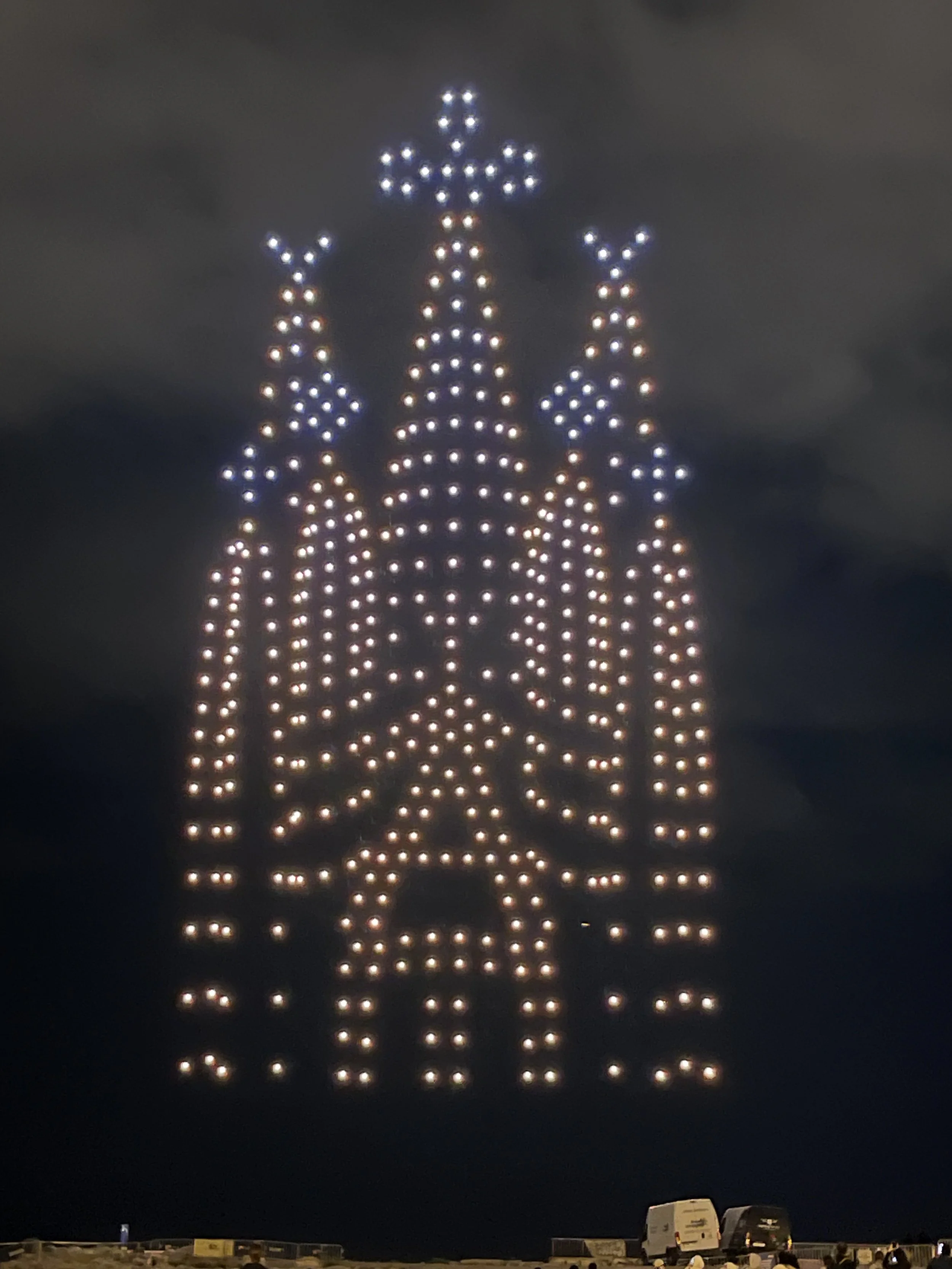
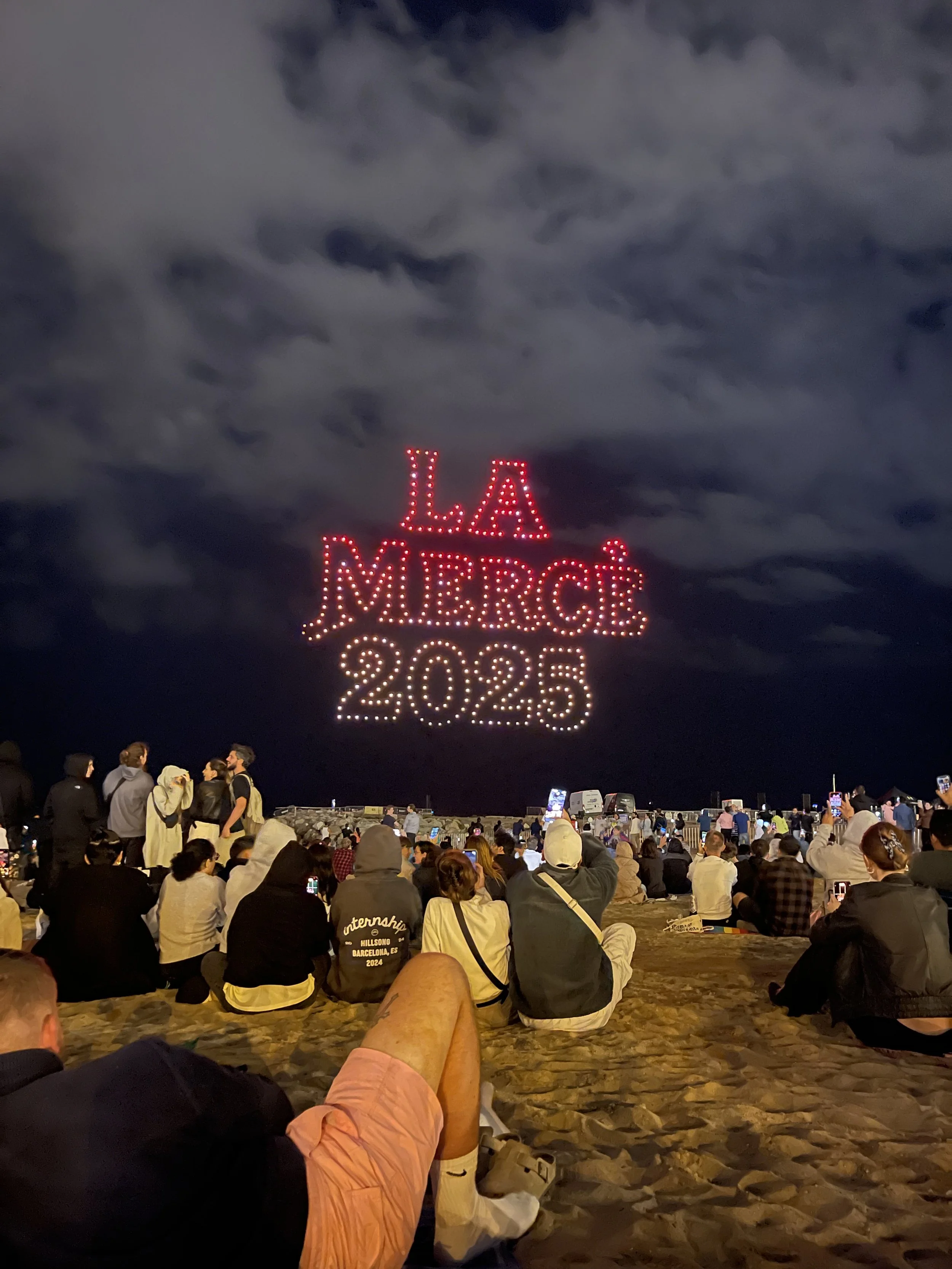
Ended the evening watching a truly impressive drone show featuring several hundred units floating smoothly in the air producing an amazing assortment of visual creations… even in a breezy beach setting!
DAY 16
Saturday September 27, 2025
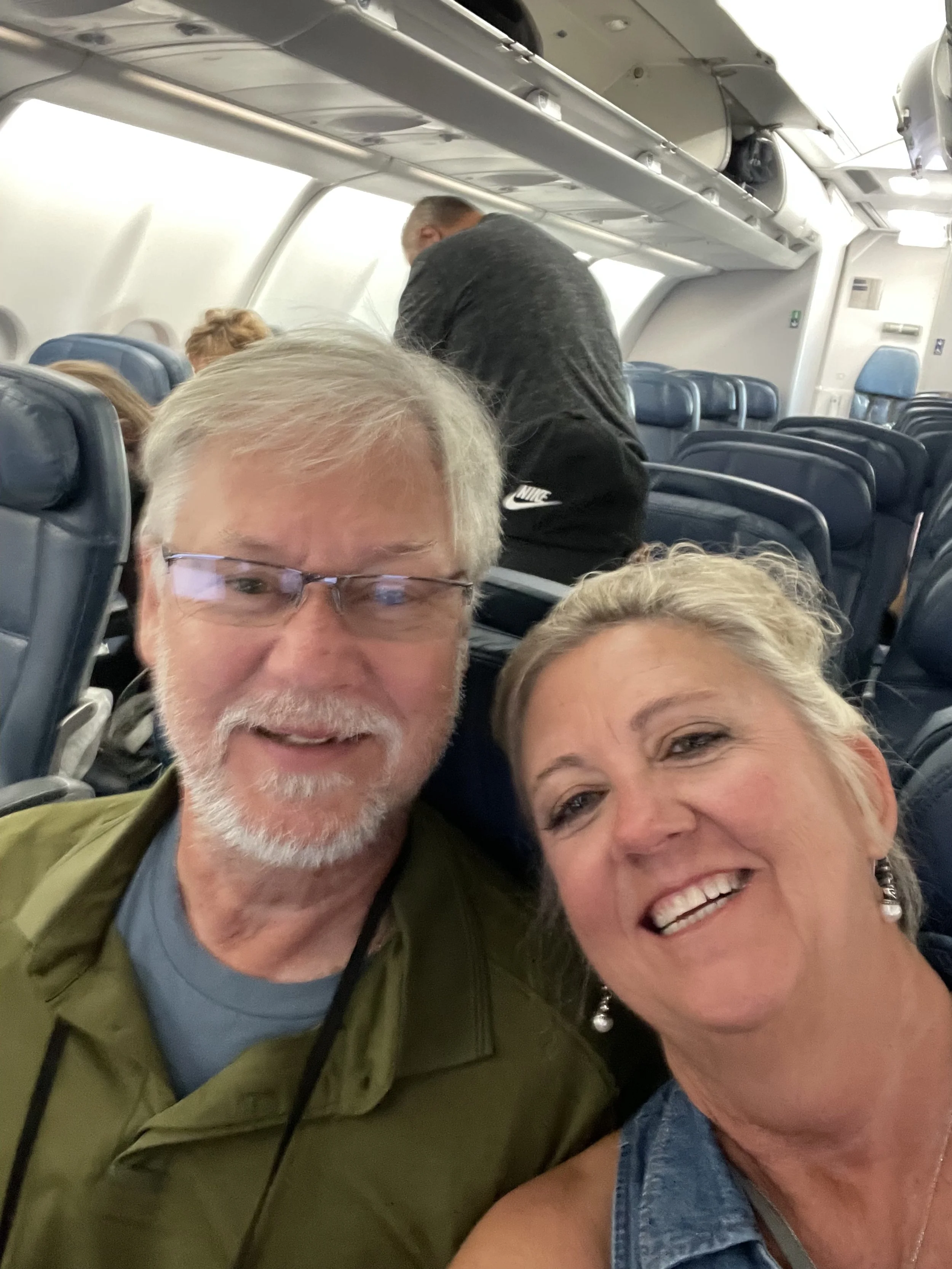
Flight home from Barcelona. We arrived home local time about 4:30pm… exhausted but delighted, despite a head cold I brought home. In fact, the plane ride was miserable the entire way. Oh well, the previous days were fantastic!
Uploaded December 2025 – DTW’s Blog #0051
Our Original Posts, including images when applicable, are copyrighted © 1993-2025 by D. Tracy Ward, Architect and Benchmark Design, PC. “By wisdom a house is built, and by understanding it is established; And by knowledge the rooms are filled with all precious and pleasant riches.” (Proverbs 24:3-4)